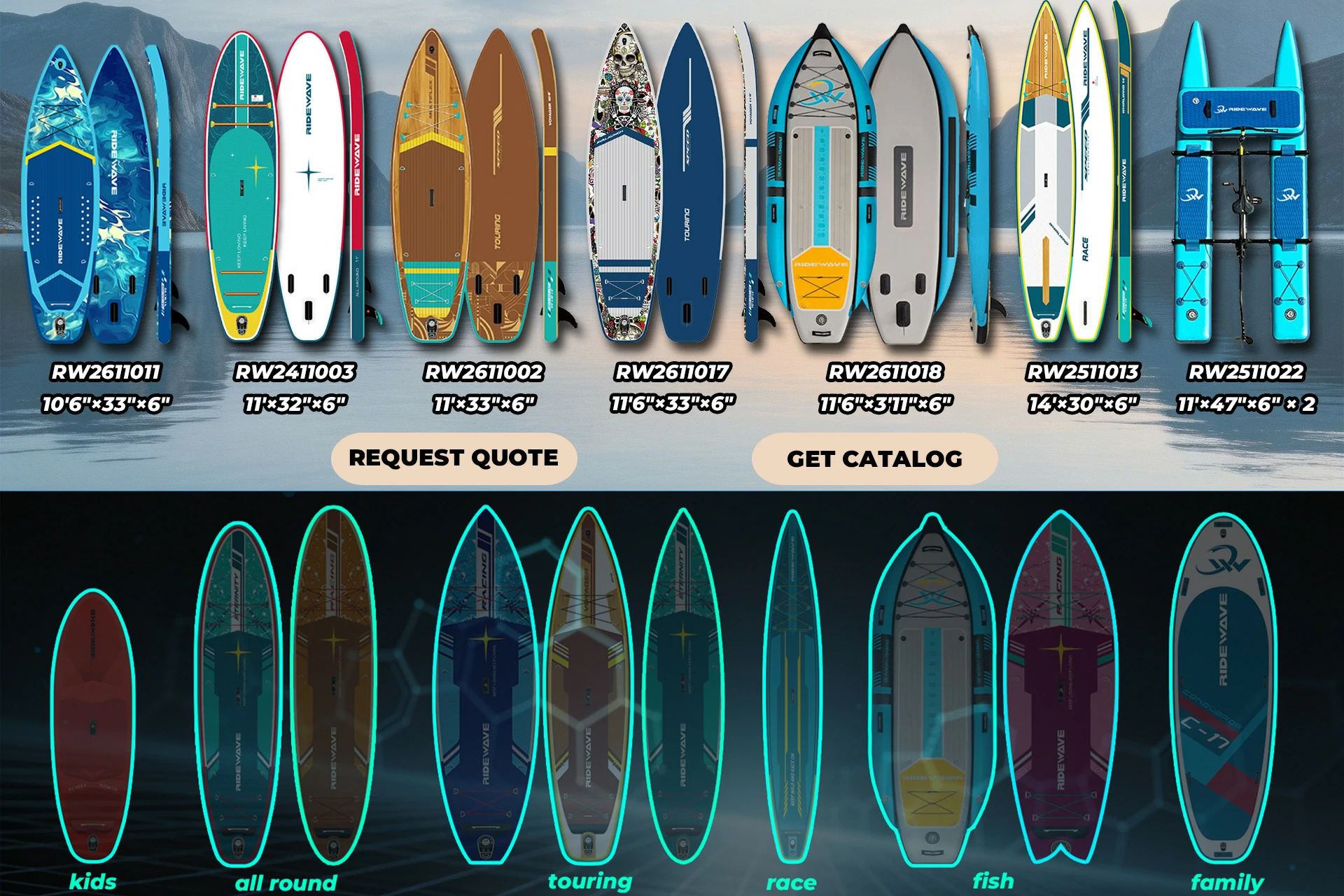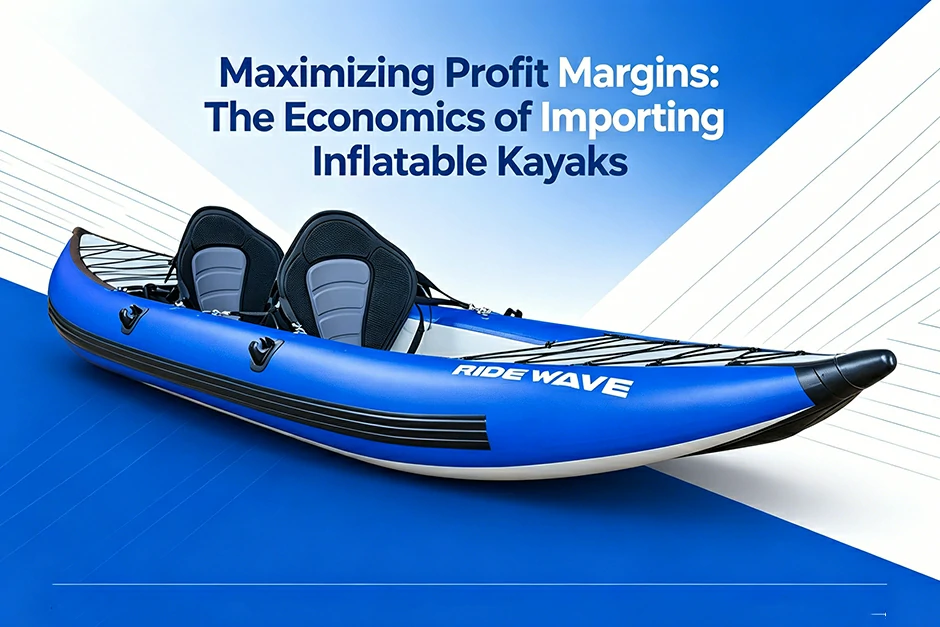

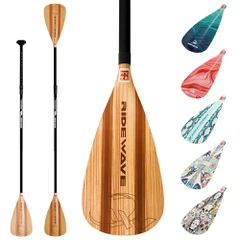

If you are a SUP wholesaler, distributor, outdoor gear reseller or private-label brand owner operating across South America, you have likely noticed how rapidly demand for inflatable SUP boards has shifted over the past two seasons. Many established buyers are stepping away from multi-layer middlemen and choosing direct factory partnerships to lock in stable margins, consistent product quality and flexible custom options for their local markets. Working with an experienced inflatable SUP manufacturer does not just lower your landed cost; it also lets you adjust board shapes, graphic prints and bundled accessories to match what your end customers actually want on lakes, rivers and coastal shorelines. Our team at Ridewave has supported hundreds of B2B SUP buyers to refine their product assortments, fix supply chain delays and avoid common pitfalls when sourcing inflatable paddle boards from overseas. Every production run follows standardized fabrication workflows, which you can explore further in How Custom Paddle Boards Are Made: From Design To Production.
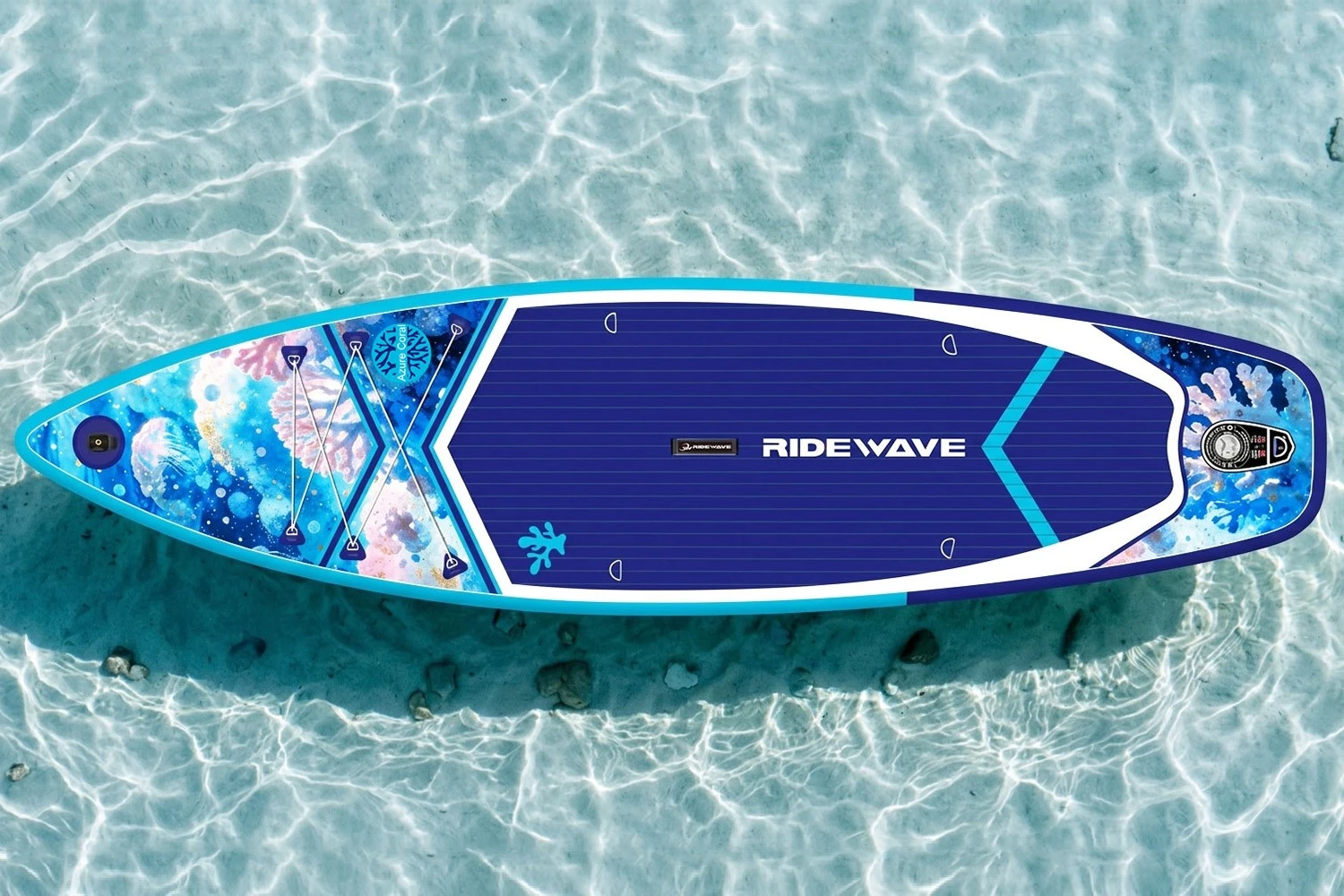
South America stands out as a high-potential, fast-growing region for recreational water sports, yet it carries unique challenges: fluctuating ocean freight rates, country-specific import documentation rules, seasonal demand swings around the Southern Hemisphere summer, and varied consumer preferences between casual entry-level users and performance-focused SUP enthusiasts. This guide breaks down why direct factory sourcing wins for South American SUP distributors, compares procurement models, outlines non-negotiable factory vetting criteria, walks through private label feasibility, unpacks logistics and compliance for LATAM shipments, and shares a real Ridewave distributor case study so you can benchmark your own sourcing strategy. Whether you are adding inflatable SUP kits to an existing outdoor catalog or building an exclusive in-house SUP brand from scratch, the actionable insights below will help you evaluate suppliers, negotiate order terms and reduce unnecessary risk before you commit to large MOQs.
Why Are South American SUP Wholesalers Turning to Direct Factory Supply?
For most SUP wholesalers and regional distributors across South America, the biggest pain point of traditional sourcing is stacked markup from multiple trading intermediaries. When you buy inflatable SUP inventory through a middleman, you lose visibility over raw material grades, production schedules and defect handling protocols, which leaves you exposed when local retail demand spikes or quality issues pop up at your warehouse. Direct factory sourcing for inflatable SUP boards puts you in direct communication with the production team, so you can negotiate pricing, lock in production slots and clarify warranty terms without third-party delays.
Many buyers new to factory sourcing rush into deposits before verifying core supplier qualifications, which is why seasoned B2B SUP purchasers review critical checklists before confirming orders, as outlined in 10 Questions Every B2B Buyer Should Ask Before Placing An Inflatable SUP Factory Order. Ridewave's B2B outreach team works with dozens of Latin American importers every year, and we consistently hear the same priorities: predictable landed cost, transparent quality control, flexible minimum order adjustments and reliable after-sales support for replacement SUP accessories. These benefits matter far more than a slightly lower upfront quote from an unknown reseller, especially for businesses building long-term SUP product lines instead of chasing one-off spot deals. • Eliminate multi-layer price markups to preserve retail margin room for your local market • Gain end-to-end visibility of inflatable SUP manufacturing timelines and material selection • Build a direct relationship that supports faster resolution for damaged goods or production deviations • Unlock private label and custom graphic options that most trading companies cannot deliver • Align production runs with Southern Hemisphere peak selling windows to avoid stockouts before summer
What Is Driving the Inflatable SUP Boom Across South America?
South America has emerged as one of the fastest-growing markets for recreational inflatable SUP gear, powered by improved access to lakes, river corridors and coastal shorelines plus a rising consumer focus on low-cost, portable outdoor recreation. Hard SUP boards remain niche for specialist riders, while inflatable SUP boards dominate wholesale orders because they are simple to ship, easy for end users to store and carry, and fit family, yoga and beginner use cases perfectly. Demand patterns shift sharply by country, based on local weather, leisure habits and average consumer budget. A wholesaler in Argentina will see stronger demand for heavy-duty, stable all-around SUPs for river and lake use, while coastal retailers in Chile tend to stock lightweight touring SUPs suitable for calm ocean bays. Brazil's market mixes entry-level budget SUP kits and premium yoga SUP models, and Colombian buyers frequently order compact SUPs that fit small apartment storage. The table below summarizes core market traits to help you refine your SUP wholesale assortment before placing your next container order.
| South America Market | Top Selling SUP Type | Target End User | Peak Season | Typical Local Price Tier | Key Buying Preference |
|---|---|---|---|---|---|
| Argentina | All-around inflatable SUP | Family, beginner, casual river paddler | Oct – Mar | Mid-range | High weight capacity, durable PVC |
| Chile | Light touring inflatable SUP | Coastal recreational users | Sep – Feb | Mid to premium | Compact roll size, corrosion-resistant fittings |
| Brazil | Entry-level SUP kits + Yoga SUP | New outdoor participants, wellness groups | Oct – Apr | Budget + premium split | Bright graphics, bundled paddle and pump |
| Colombia | Compact inflatable SUP | City dwellers with limited storage | Nov – Mar | Budget | Easy deflation, small carry bag |
| Peru | Fishing SUP + stable family SUP | Anglers, small group trips | Oct – Feb | Mid-range | Extra D-rings, cargo mount points |
Understanding these regional differences keeps you from overstocking SUP variants that do not resonate with your local shoppers. Ridewave's sales team regularly shares regional sales feedback with our wholesale partners, helping them tweak their mix so capital is not tied up in slow-moving SUP inventory.
• Expanding public access to inland waterways and coastal recreation zones
• Consumer preference for portable water sports gear that requires no dedicated storage space
• Growing social media exposure of SUP yoga, SUP fishing and family paddle activities
• Favorable retail margins for inflatable SUP compared with crowded categories like kayaks
• Lower barrier to entry for new end buyers when compared with rigid hard boards
How Does Factory Direct Sourcing Compare With Trading Companies and Local Distributors?
Every SUP wholesaler has three primary sourcing routes to fill inventory: buying directly from an inflatable SUP factory, ordering via international trading firms, or purchasing stock from established local importers within South America. Each option carries distinct trade-offs around unit cost, custom flexibility, minimum order quantity, lead time and accountability when quality failures occur. There is no universally "best" choice; the right channel depends on your business size, cash flow, branding goals and how quickly you need SUP stock to arrive.
| Sourcing Channel | Unit Price Flexibility | MOQ | Custom & Private Label | Production & Lead Time | After-sales Responsibility | Best Fit For |
|---|---|---|---|---|---|---|
| Direct Inflatable SUP Factory | Highest, best margin potential | Medium-High | Full support: art, shape, packaging | Fixed factory schedule, predictable | Factory takes ownership of manufacturing defects | Established wholesalers, private label brands, bulk container buyers |
| International Trading Company | Limited, extra markup built in | Low to Medium | Limited, usually only existing stock graphics | Can mix multiple factory stocks, inconsistent | Trader mediates, slow response | Small test orders, mixed outdoor goods containers |
| Local South America Importer | Highest retail cost, thin margin | Very Low | Almost none, ready stock only | Fast local pickup | Local seller handles returns | Pop-up retailers, last-minute small restocks |
Working directly with a factory like Ridewave removes the middleman markup layer, but it does require you to manage shipping, import documentation and local customs clearance on your side. Trading companies can bundle SUPs alongside other outdoor SKUs, yet they rarely control the actual production standards. Local importers deliver stock the fastest, but their pricing structure erodes most of your profit margin on inflatable SUP boards.
• Factory direct sourcing gives you full control over material grade, seam welding and accessory matching
• Trading companies cannot adjust core board construction, as they are reselling finished goods from third plants
• Local importer inventory is locked to existing designs, so you cannot build differentiated SUP products for your market
• Direct factory partnerships become more cost-effective once you order full 20ft or 40ft sea containers
• Local stock is useful only for emergency top-ups, not for building a unique, long-term SUP brand identity
What Should B2B Buyers Look for in an Inflatable SUP Manufacturer?
A low unit price should never be the top deciding factor when you select a partner to supply inflatable SUP boards. Poorly built SUPs trigger high return rates, negative customer reviews and lasting damage to your wholesale brand reputation across South America. Savvy SUP wholesalers audit both tangible production details and operational capabilities before committing to sample orders or container shipments. The complete transformation from raw PVC sheet to finished board follows strict production workflows, and you can dive deeper into fabrication steps inside How Custom Paddle Boards Are Made: From Design To Production.
Start your supplier evaluation by verifying core construction specs that directly impact durability on fresh water, river rapids and saltwater coastal environments. Cheap inflatable SUPs often use thin, single-layer PVC with weak heat-welded seams that leak after a handful of outings. Reliable factory builds use drop-stitch fabric paired with reinforced rail bands, leak-resistant valve assemblies and consistent glue or weld lines checked at multiple quality stations. Beyond material specs, you need to assess the factory's service capacity for B2B SUP programs: sample turnaround time, in-house graphic team, accessory sourcing stability, third-party test reporting and communication readiness for Spanish or Portuguese speaking buyers.
• Drop-stitch density and PVC layer grade form the backbone of long-lasting inflatable SUP performance
• Reinforced rail construction reduces abrasion damage against rocks, sand and dock edges
• Standardized QC checks after welding, inflation testing and final packaging cut defect rates
• Clear, documented testing reports help you satisfy import inspectors across South American borders
• Responsive engineering support matters when you want to tweak board dimensions or fitting positions
• Stable accessory supply for paddles, double-action pumps, removable fins and storage bags prevents partial shipments
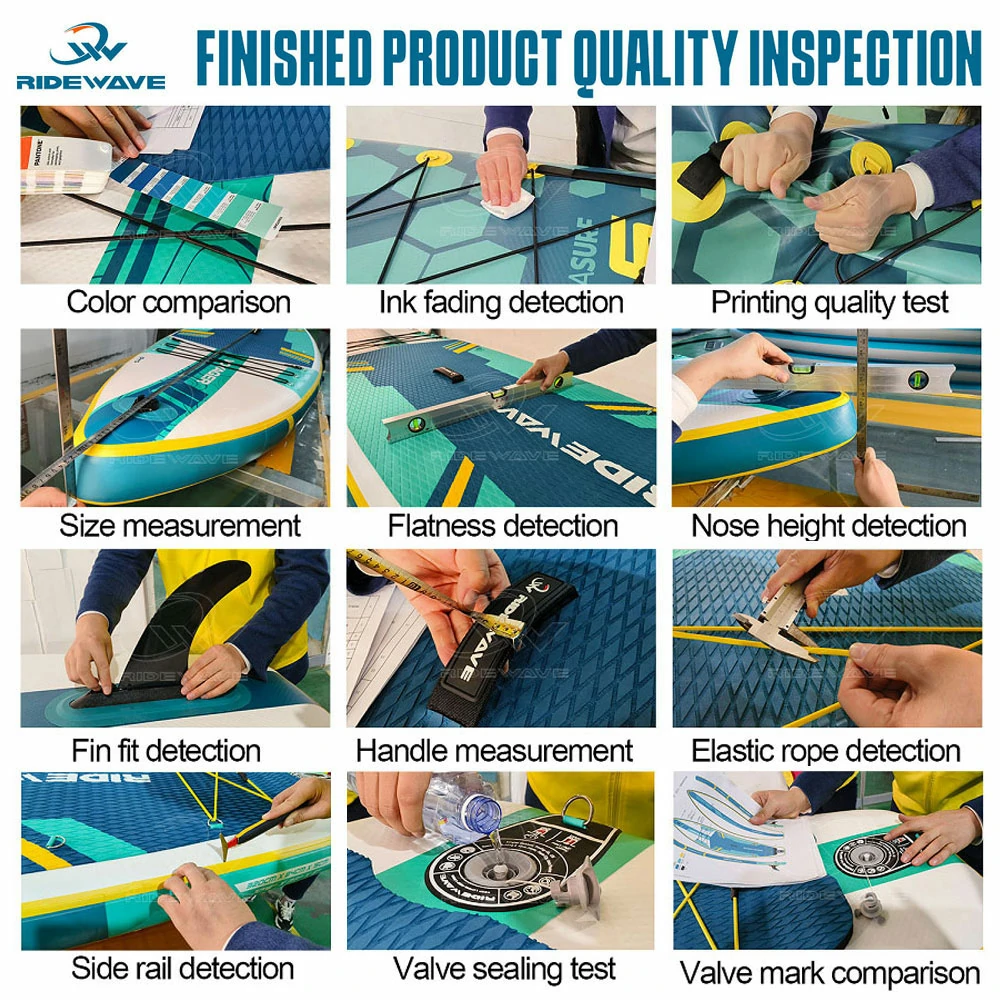
Ridewave's internal quality control protocol runs three separate inflation pressure tests for every production batch. Our QC team flags uneven seams, misaligned D-rings and defective valves before boards are packed, which keeps our wholesale partners from receiving problematic inventory that creates after-sales headaches in their local markets. We do not hide test records; we share relevant certification documents with serious B2B buyers during sample discussion.
Can a Manufacturer Support Private Label, OEM, and Regional Brand Building?
For many SUP wholesalers and new outdoor brands entering South America, the biggest competitive advantage is selling differentiated inflatable SUP boards under their own label, instead of reselling identical generic stock that every competitor carries. A capable inflatable SUP factory should turn your design concept into sellable inventory, rather than only pushing pre-existing standard board models. If you are refining your product concept before reaching out to production, review practical design principles in How To Design A Paddle Board That Sells.
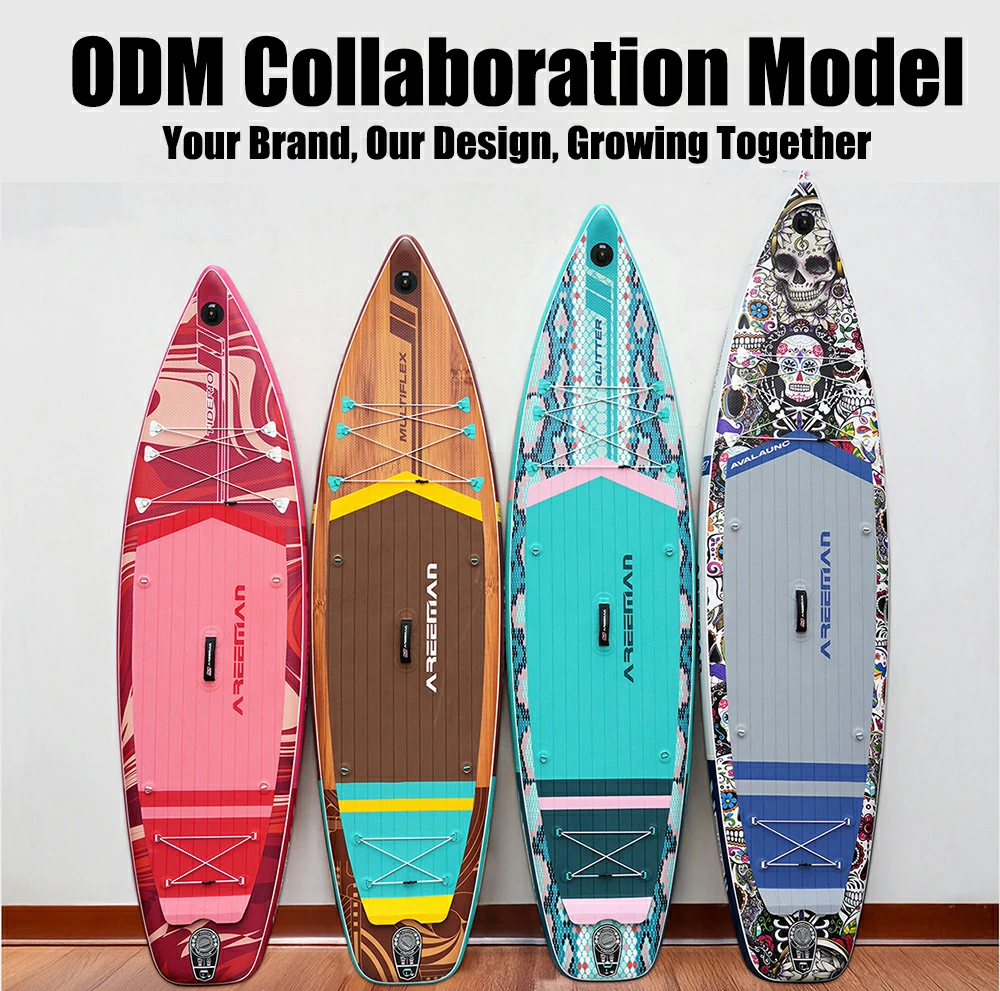
Private label support covers far more than printing your logo on the board deck. Full-service OEM partners can adjust colour palettes, custom graphic wraps, D-ring layouts, bungee configurations, printed warning labels, box artwork and bundled accessory kits to match your target buyer group in Argentina, Chile, Brazil or neighbouring markets. That said, honest manufacturers set clear boundaries around customization. Major mould changes require much higher MOQ, while print-only custom orders carry lower minimums. It is critical to separate changes that add value for your local shoppers from custom requests that inflate your unit cost unnecessarily.
• Logo and graphic printing on deck, rail and tail sections for private-label SUP programs
• Custom packaging with your brand identity, multilingual warning texts and retail-ready box design
• Curated accessory bundles matched to regional habits (saltwater-resistant fins for coastal zones)
• Minor dimension tweaks for specialized use cases such as SUP fishing or kids' entry boards
• Stock graphic options for buyers who want unique looks without high custom MOQ commitments
• Guidance on label compliance language required for retail sale inside South American territories
Ridewave works with a large number of Latin American brand builders who start with custom graphic orders at accessible MOQ, then expand into modified board shapes once their local sales prove consistent. This phased approach lowers risk for B2B buyers testing a new private-label SUP line before committing to larger capital investment. We always flag cost and lead time impacts for every custom adjustment so you can calculate margins before approving production files.
What Do Lead Times, Shipping, Duties, and Documentation Look Like for South American Orders?
Even the best-designed inflatable SUP kits will hurt your seasonal revenue if they arrive after the Southern Hemisphere summer rush. Lead time, ocean freight fluctuations, import duties and paperwork are make-or-break topics for every SUP wholesaler shipping inventory into South America. Many first-time importers underestimate transit delays, customs hold risks and country-specific document rules, which creates costly stockout situations right when consumer demand peaks.
Lead time splits into two clear phases: production lead time and shipping transit time. Production timelines depend on order size, custom complexity and the factory's current booking queue. Standard non-custom Ridewave inflatable SUP orders usually finish production within 25 to 35 working days, while fully custom OEM runs with new graphics or adjusted construction can extend to 40–50 working days. The table below summarizes core logistics reference information for key South American destination ports. All figures are estimates; freight rates and schedule availability shift weekly with carrier space and global shipping conditions.
| Destination Country | Main Port | Common Incoterm | Estimated Sea Transit | Mandatory Core Documents | Special Note |
|---|---|---|---|---|---|
| Argentina | Buenos Aires | FOB | 38–48 days | Commercial invoice, packing list, CO | Strict customs inspection, longer clearance |
| Chile | San Antonio | FOB | 32–40 days | Commercial invoice, packing list, CO | Lower hold frequency, smoother clearance |
| Brazil | Santos | FOB | 35–45 days | Commercial invoice, packing list, CO + NFE | Tax filing system mandatory for importers |
| Colombia | Cartagena | FOB | 34–42 days | Commercial invoice, packing list, CO | Additional import registration required |
| Peru | Callao | FOB | 33–41 days | Commercial invoice, packing list, CO | Tariff classification review common |
You should lock your production slot and book vessel space well before September each year if you want inventory ready for October's opening of the peak SUP selling season.
• FOB remains the most widely used Incoterm for South American inflatable SUP wholesale orders
• Original certificate of origin is required by nearly all South American customs authorities
• LCL shipments carry higher per-unit freight cost and higher risk of inspection delays
• Full 20ft or 40ft FCL containers offer better cost stability for established SUP importers
• Duties and local sales tax rates vary widely; final calculation must be confirmed by your local customs broker
• Documentation errors are the top cause of cargo detention at South American ports
Ridewave's admin team prepares commercial invoices, packing lists and certificate of origin applications aligned with standard customs requirements, and we share draft copies with buyers for review before shipment. We do not handle local customs brokerage or duty payment, as those responsibilities sit with the importer of record.
How Do Ridewave Inflatable SUPs Perform for Distributors in Different Regional Markets?
Claims about product performance carry little weight without real-world wholesale feedback from active SUP distributors. This section shares a verified Ridewave partner case, focused on an Argentina-based wholesaler that specialises in outdoor water sports gear and sells inflatable SUP boards to regional retail shops across inland lake and river zones. This client did not begin with a large full-container order; they followed a low-risk testing route that many cautious B2B buyers can replicate.
The partner first reached out in early Q2, looking to add durable all-around inflatable SUPs to replace a lower-quality line they had sourced from a trading company. Their previous stock suffered from seam leaks within three months of retail sale, which dragged down repeat purchases and forced them to process dozens of warranty claims every season. After reviewing sample specs, material reports and QC workflows, they placed a test order of 120 units, mixing 10'6" all-around SUPs and a smaller batch of 11' fishing SUPs. They selected semi-custom graphics: their own brand logo printed on the deck, paired with Ridewave's standard reinforced rail construction and factory accessory packs including aluminium paddles, double-action pumps, removable fins and carry bags. Production wrapped within 32 working days, and the shipment sailed FOB to Buenos Aires. Once inventory landed and was distributed to their retail network, the all-around model quickly became their top-selling SKU for family and beginner paddlers. By the end of the first Southern Hemisphere summer, the wholesaler submitted a repeat order of 420 units, with an added request to include more fishing-focused boards and a small run of SUP yoga models for shops located near tourist lake resorts.
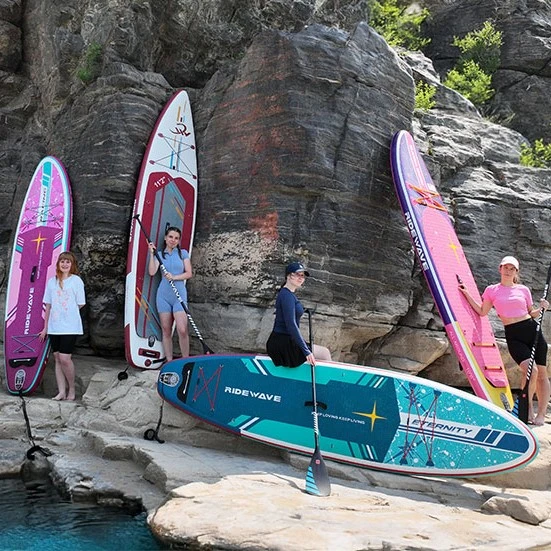
This partnership illustrates a core advantage of factory direct sourcing: when a distributor gathers sales data from local retailers, they can adjust the next order mix, tweak printed artwork or swap accessory bundles directly with the production team, instead of waiting for a trader to relay messages back and forth.
• The test order helped the Argentina wholesaler validate demand without tying up excessive working capital
• Reinforced drop-stitch construction cut in-season warranty complaints dramatically compared to their old supplier
• Flexible semi-custom branding let them build brand recognition without hitting the high MOQ of full mould changes
• Direct communication shortened adjustment cycles when they wanted to expand their SUP product lineup
• Consistent QC batches helped them protect their reputation among small, independent outdoor retailers
Ridewave does not guarantee identical sales results for every wholesale partner, as local competition, pricing strategy, retail placement and seasonal weather all shape final turnover. Still, this case shows how a carefully planned test order, paired with transparent factory support, can turn a new inflatable SUP category into a steady profit stream for Latin American distributors.
Which Certifications and Compliance Requirements Matter When Selling SUPs in South America?
Many SUP wholesalers mistakenly assume one universal certification covers all South American countries. In reality, import compliance rules for inflatable SUP boards vary widely across borders, and the responsibility is split clearly between the inflatable SUP manufacturer and the importing distributor. Factories supply foundational material test records; the local importer is responsible for confirming and completing country-specific registration, labelling and tax filings before goods clear customs and reach retail shelves. Core documentation that a reputable factory can prepare and provide includes PVC heavy metal safety reports, drop-stitch tensile strength testing, pressure leakage test certificates and general commercial test declarations. These records prove that raw materials and finished boards meet baseline safety standards and can be presented during customs inspection. The table below separates documents supplied by the factory versus items managed locally by your import team.
| Document / Compliance Item | Provided by Factory | Managed by Local Importer | Purpose |
|---|---|---|---|
| PVC material safety test report | ✓ | - | Prove raw material non-toxicity, heavy metal limits |
| Inflation pressure & air tightness test report | ✓ | - | Demonstrate board structural integrity |
| Packing list & commercial invoice | ✓ | - | Customs valuation and cargo verification |
| Certificate of Origin | ✓ (assist application) | ✓ (final filing) | Determine applicable tariff rates |
| Local import registration, NFE, tax filings | - | ✓ | Mandatory for Brazil, Colombia and other regulated markets |
| Local Spanish / Portuguese warning labels | ✓ (print on board/box) | ✓ (review regional legal wording) | Meet retail safety labelling laws |
Even with factory test files on hand, buyers should work alongside a trusted local customs broker early in the sourcing cycle. Some territories request additional in-country laboratory assessment for water sports goods, and waiting until cargo arrives at port to confirm these rules can trigger detention, fines or cargo return.
• PVC safety testing addresses concerns around harmful additives for family-focused inflatable SUP products
• Air tightness and tensile testing reduce rejection risk during random customs audits
• Multilingual warning marks must match regional consumer protection regulations
• Import tax classification under the correct HS code directly impacts your landed cost
• Test reports should carry identifiable batch numbers so records match your shipment
Ridewave organises all test documentation by production batch, so every wholesale order has matching records ready for review. We can adjust printed warning text on boards and packaging to Spanish or Portuguese versions according to buyer requests, but we always remind partners to validate wording with their local regulatory advisor before mass printing.
How Does Ridewave Handle After-Sales, Spare Parts, and Long-Term Distributor Support?
Strong after-sales and spare-part support separates reliable inflatable SUP manufacturers from low-cost suppliers that disappear once the container leaves the factory. For SUP wholesalers operating across South America, slow replacement-part shipments or unclear warranty terms create cascading problems: unhappy retailers, cancelled repeat orders and a weakened market position against competing suppliers.
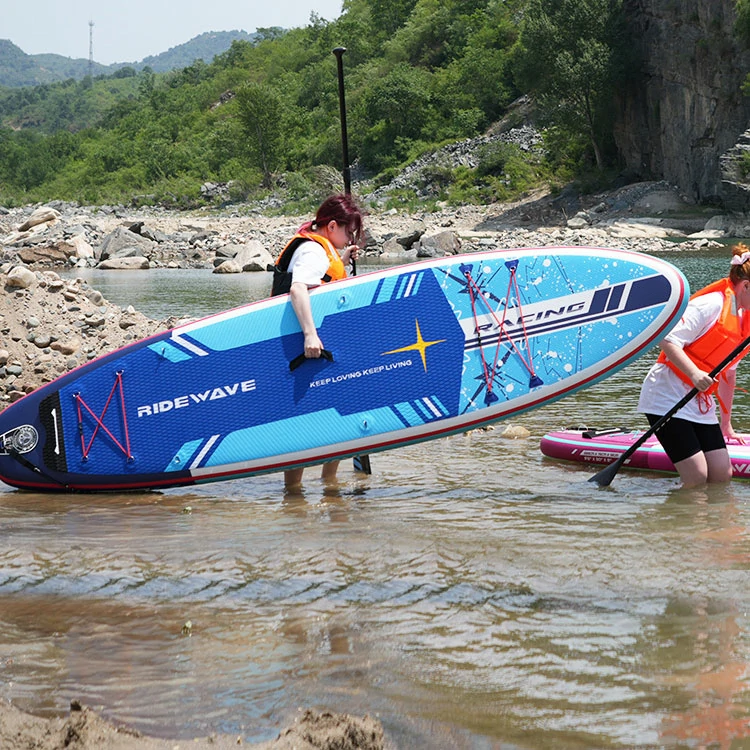
Ridewave's B2B distributor support framework is built for ongoing wholesale partnerships instead of one-off transactions. Our warranty scope covers manufacturing defects from heat welding, valve assembly and drop-stitch fabric failure, which are issues originating inside production. Wear and tear from rock abrasion, improper over-inflation, misuse or improper storage sit outside factory warranty, and we state these boundaries plainly at the quotation stage to avoid misalignment later. A dedicated spare parts stock pool is maintained for core replaceable components: SUP valves, leash plugs, fin screws, centre fins, bungee cords and repair patches. Wholesale partners can order spare parts separately, bundled with their next container shipment to split ocean freight expense, or arrange independent small parcel shipments when urgent stock is needed. • Clear written warranty terms shared before deposit payment • Pre-stocked common spare parts for fast fulfilment of replacement requests • Spare parts consolidated into main container shipments to cut per-unit logistics cost • Step-by-step repair guides, photos and short instructional videos provided for your retail network • Dedicated B2B account contact for recurring wholesale buyers, not generic customer service • Seasonal market trend briefings shared ahead of Southern Hemisphere summer ordering windows
We know that your retail customers will occasionally damage boards during use, so we supply repair kits as an optional add-on for wholesale orders. These kits give retailers a simple solution for minor punctures without opening a formal warranty claim with our team. Our account team stays available throughout the selling season to answer technical questions for you and your retail partners.
Should You Add Inflatable SUPs to Your Product Lineup This Season?
Adding inflatable SUP boards is not the right strategic move for every outdoor reseller or SUP wholesaler. Expanding your catalog with paddle boards demands space for inventory, capital to fund container orders, staff time for product training and a solid understanding of local water-sport consumer habits. That said, for many Latin American distributors, the current market conditions create an attractive window to launch or scale an SUP category ahead of the Southern Hemisphere summer. Before committing to your first order, run through a practical self-check: Do your existing retail clients already sell water-sport goods? Can you secure enough warehouse space for rolled inflatable inventory? Do you have a reliable customs broker familiar with your country's SUP import rules? Are you ready to set aside budget for test samples and a small initial trial run? If most answers lean yes, a phased rollout makes sense. A balanced starter assortment usually mixes three tiers: reliable low-margin entry inflatable SUP kits to draw traffic, stable mid-range all-around boards as your core volume SKU, and a small number of higher-margin specialty models such as yoga or fishing SUPs for differentiated retail listings. This mix lowers risk while covering different buyer segments. If you are ready to evaluate suppliers systematically before sending deposits, revisit 10 Questions Every B2B Buyer Should Ask Before Placing An Inflatable SUP Factory Order for a complete buyer checklist to use in supplier calls and email negotiations. • Start with sample evaluation rather than jumping straight into a full container • Build your first assortment around proven all-around SUPs before heavy investment in niche shapes • Reserve part of your budget for spare parts and repair supplies alongside board inventory • Lock production slots 2–3 months before your local peak selling window • Document sales feedback from retailers so your second order can refine the SKU mix • Compare landed cost, not just unit price, when you rank competing factory quotations
Ridewave welcomes qualified B2B distributors, outdoor gear brands and product expansion-focused wholesalers to request digital catalogues, sample pricing and custom mock-ups. Our team will walk you through available stock graphics, MOQ options, accessory bundles and lead time projections without high-pressure sales tactics. Whether you only want to run a small private-label test batch or plan to build a long-term inflatable SUP program for South America, our factory team can adapt support to match your scale and risk tolerance.
Related Articles
Inflatable SUP Wholesale For Argentina: How South American Distributors Boost Profit Margins
Argentina Import Guide: Customs Rules & Documentation For Bulk Inflatable Paddle Boards
Fishing Inflatable SUPs: The High-Margin Niche For Argentine Water Sports Wholesalers
OEM & Private Label Inflatable SUPs: A Complete Sourcing Guide For Argentina Dealers
How To Choose A Reliable Inflatable SUP Manufacturer For Argentina Bulk Orders