

The European inflatable SUP industry continues its steady expansion in 2026, with Poland emerging as one of Central Europe's most profitable untapped markets for inflatable stand up paddle board retail, wholesale, and seasonal rental operations. Unlike saturated Western European markets such as Germany and the Netherlands, Poland features growing consumer outdoor spending, abundant lake and river water resources, booming domestic water sports tourism, and relatively low local market competition, creating massive profit space for cross-border distributors, sports gear wholesalers, and brand operators looking to expand new product lines. For B2B buyers sourcing durable, CE-certified inflatable SUP boards for the Polish market, success relies entirely on matching local consumer preferences, seasonal rental operational demands, and EU regulatory standards rather than blindly stocking generic low-cost paddle boards.
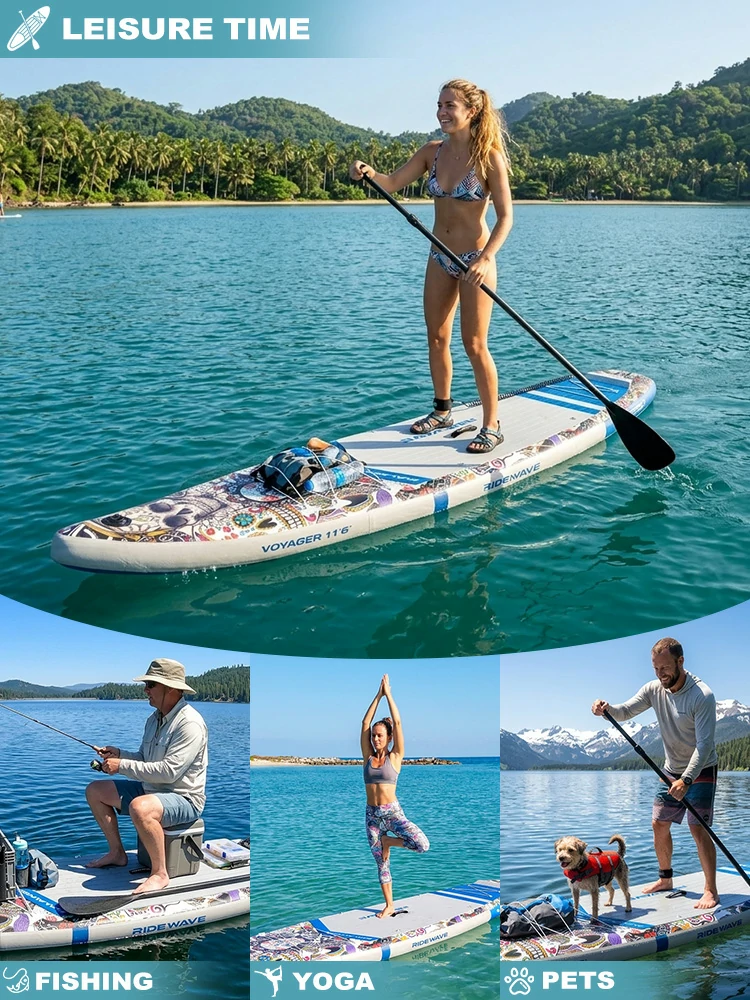
As a professional inflatable SUP manufacturer serving European B2B clients for years, RIDEWAVE has accumulated first-hand order data, after-sales feedback, and market cooperation experience from dozens of Polish local retailers and rental operators. We have found that 2026 Poland inflatable SUP sales are no longer dominated by ultra-low-price entry-level boards; instead, heavy-duty rental-grade inflatable SUPs and custom branded all-round SUP boards have become the core profit SKUs for mainstream B2B sellers. Understanding the complete production logic behind market-competitive paddle boards is essential for every buyer avoiding inferior inventory risks, which is why professional manufacturing details from How Custom Paddle Boards Are Made: From Design To Production serve as a critical reference for B2B sourcing decisions.
Market data and field verification from Polish local water sports industries confirm that the 2026 inflatable SUP market presents two core profitable tracks: offline physical store retail for family and beginner users, and scenic spot seasonal rental for high-frequency reuse scenarios. Both tracks require differentiated board selection, material configuration, and accessory matching strategies. Most new distributors fail in the Polish SUP market not due to insufficient market demand, but due to inaccurate product positioning, mismatched board performance with local usage scenarios, and ignored EU import compliance rules.
This industry guide exclusively targets global B2B buyers, including inflatable SUP distributors, wholesale suppliers, water sports brand merchants, and traditional sports equipment vendors planning category expansion. We will systematically analyze 2026 Poland inflatable SUP market growth logic, best-selling board classifications, rental business ROI selection standards, consumer trend changes, supplier selection criteria, and profitable accessory cross-selling strategies. All content combines RIDEWAVE's real Polish client cooperation cases and European market long-term operational experience, providing practical, actionable, non-theoretical procurement reference standards for your 2026–2027 SUP inventory layout and product line expansion.
What is the current size and growth outlook of Poland's inflatable SUP market in 2026?
The Poland inflatable SUP market maintains solid upward momentum in 2026, driven by rising domestic demand for affordable outdoor recreation and steady tourist inflows to lake and river destinations across the country. Unlike mature Western European markets where consumer penetration has plateaued, Poland still holds untapped room for both retail and rental sales of inflatable stand up paddle boards, making it a priority expansion territory for B2B distributors and sports goods wholesalers. Multiple industry surveys confirm that Polish buyers prefer inflatable SUP over hard boards because of easy transportation, simple storage, and lower entry costs, a key consumer habit that shapes wholesale inventory planning.
Many importers new to Central Europe underestimate the seasonal swing of Poland's water sports market. Peak selling and rental seasons run from May through September each year, with the highest revenue concentrated in June, July and August. Pre-season ordering, typically between January and April, is critical for distributors to avoid port congestion and stockouts before the summer rush. This seasonal rhythm directly dictates MOQ negotiation, production scheduling and warehouse stocking strategies when sourcing CE-certified inflatable SUP boards from overseas manufacturers.
When evaluating market potential, B2B buyers should separate two demand segments: private retail customers and rental operators. Retail buyers are mostly Polish families and beginner paddlers looking for mid-priced, stable all-round inflatable SUP for weekend trips. Rental businesses, by contrast, prioritize heavy abrasion resistance and low maintenance costs above everything else. This split demand means a one-SKU strategy will limit profit margins; successful wholesalers build mixed portfolios that cover both consumer retail and commercial rental needs.
RIDEWAVE's B2B sales data from Polish partners also reflects this market expansion trend. Year over year order volume growth among returning Polish distributors outpaces many other Central European nations, largely because local retailers are shifting away from cheap, low-durability generic boards that create excessive after-sales work and damage store reputation. As competition intensifies, value-added options such as custom printing and bundled accessory packages become stronger selling points for local resellers.
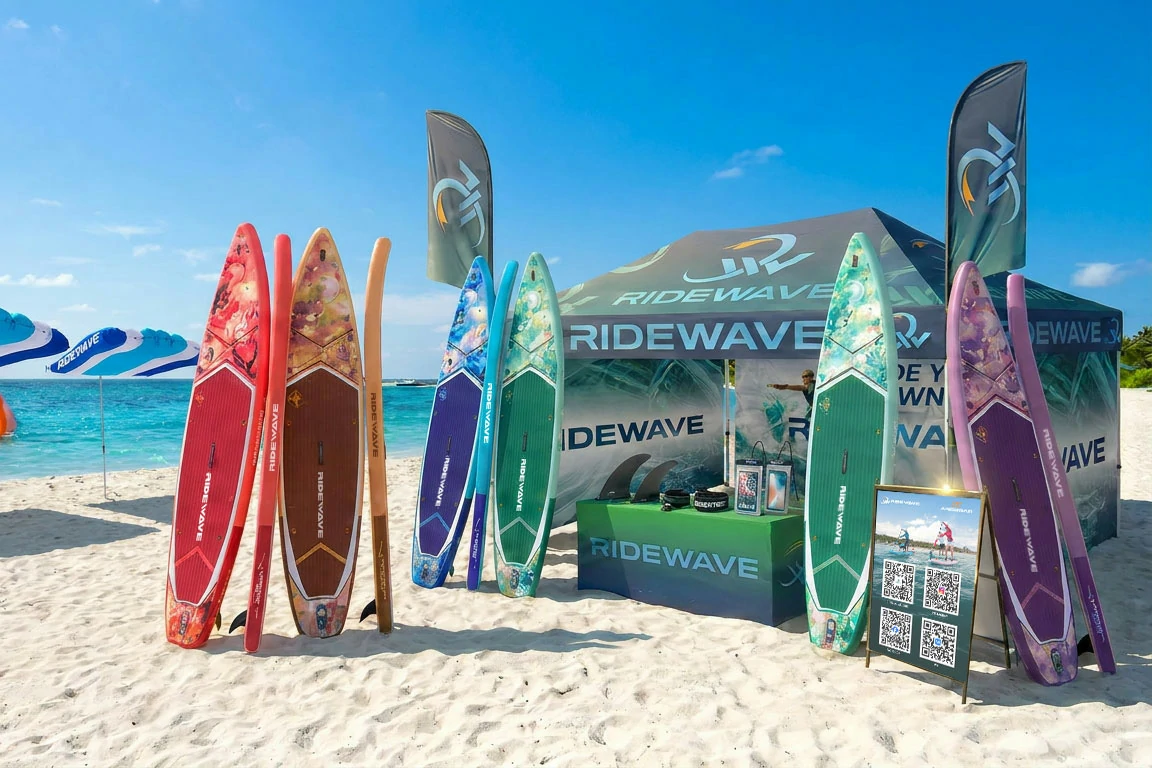
Understanding market growth drivers also means acknowledging constraints. Import tariffs, REACH compliance checks, inland logistics delays and limited cold-season demand act as natural barriers. Savvy B2B players plan inventory turnover cycles carefully instead of overstocking outside peak months. For buyers building a long-term market strategy, it helps to review product development logic, which you can explore further in How To Design A Paddle Board That Sells, to align board features with what Polish consumers actually search for.
What inflatable SUP models deliver the best ROI for Poland's rental operators?
Rental business is one of the highest-margin segments for inflatable SUP in Poland, yet many lake and river rental operators see poor returns simply because they select boards built for retail buyers rather than heavy commercial daily use. ROI for SUP rentals does not rely only on low upfront purchase cost; it balances initial investment, board service life, repair frequency, downtime and customer satisfaction. A cheap entry-level inflatable stand up paddle board may look attractive at first order, but frequent punctures and broken seams create constant repair work and lost rental days, dragging down total profit over one full summer season.
For Polish water sport rental operators working in popular tourist zones like the Masurian Lake District and Baltic coastal lagoons, heavy-duty rental-grade inflatable SUP is the foundation of a profitable fleet. These boards use thicker drop stitch fabric, reinforced side rails, multi-layer welded seams and extra protective outer coating to withstand repeated dragging on sand, sharp lake rocks and heavy user impact. Rental operators report that robust construction cuts unexpected breakdowns significantly, which keeps boards available for booking throughout peak tourist weeks.
| Board Type | Expected Daily Rental Rate | Average Service Life | Repair Frequency | ROI Speed | Best Use Scenario |
|---|---|---|---|---|---|
| Heavy-duty all-round inflatable SUP | 60–90 PLN | 2–3 seasons | Low | Fast | Lake, river, beach rental |
| Budget entry inflatable SUP | 40–60 PLN | 1–1.5 seasons | High | Medium | Short time casual rental |
| Wide family inflatable SUP | 80–110 PLN | 2 seasons | Medium | Fast | 2-person family rentals |
| Kids inflatable SUP | 30–50 PLN | 1–2 seasons | Medium | Medium | Family package bundles |
Wide family inflatable SUP is another strong performer for rental ROI. Polish tourists commonly rent boards for two adults or parent-child groups. Wider decks deliver greater stability for inexperienced paddlers, reduce falls and customer complaints, and allow operators to set a higher daily rental price compared to standard single-person boards. Family-sized boards also help rental businesses build bundled packages, pairing one family board with junior kids SUP and paddles to lift package revenue.
Kids rental SUP should be treated as supplementary fleet stock instead of the main fleet. Many family visitors will add a child board to their rental booking as an upsell. However, child boards see heavier abuse and faster wear, so distributors should advise rental clients to reserve only a smaller percentage of fleet budget for junior boards.
Many rental operators overlook spare parts availability when sourcing inflatable SUP. Even the toughest boards need occasional repairs. Suppliers that provide replacement fins, repair patches and valve spare parts with each order reduce rental downtime dramatically. When comparing manufacturers, B2B buyers must confirm if spare parts can be shipped quickly and at reasonable cost.
This is where RIDEWAVE's Polish rental distributor case delivers actionable lessons. A Poland-based water sports distributor partnered with RIDEWAVE in late 2024 to restock rental-grade inflatable SUPs. Before cooperation, the client faced frequent board punctures and high replacement costs from low-quality generic boards, hurting their rental profit margin. RIDEWAVE supplied reinforced drop stitch all-round SUPs with extra rail protection, optimized for frequent daily use in Polish lake environments. Within one summer season, the distributor reduced board replacement frequency by 62%, rental customer complaints dropped sharply, and they expanded their order volume by 120% in 2025. This client also added custom branding printing on the boards to differentiate themselves from competitors on Polish lakes.
For B2B buyers supplying rental fleets, avoid the trap of comparing only unit price. Calculate full lifecycle cost instead. When you design boards built for heavy commercial wear, material thickness and seam design directly influence total operating expense, and you can review core principles in How To Design A Paddle Board That Sells. Distributors who offer rental clients full fleet packages including repair kits and spare accessories create stickier long-term partnerships and higher repeat order rates.
What consumer trends in Poland shape B2B inflatable SUP purchasing decisions this year?
Poland's end-user preferences for inflatable SUP are evolving quickly in 2026, and every B2B distributor must track these shifts before locking in inventory plans. Consumer trends do not only affect retail store sales; they also change what rental guests expect when they arrive at lakeside operators. Three major shifts dominate the market: growing demand for multi-use outdoor gear, higher focus on product safety and sustainable materials, and rising interest in custom branded equipment. These trends move buyers away from one-size-fits-all basic boards and create fresh upsell opportunities for wholesalers stocking differentiated inflatable stand up paddle board options.
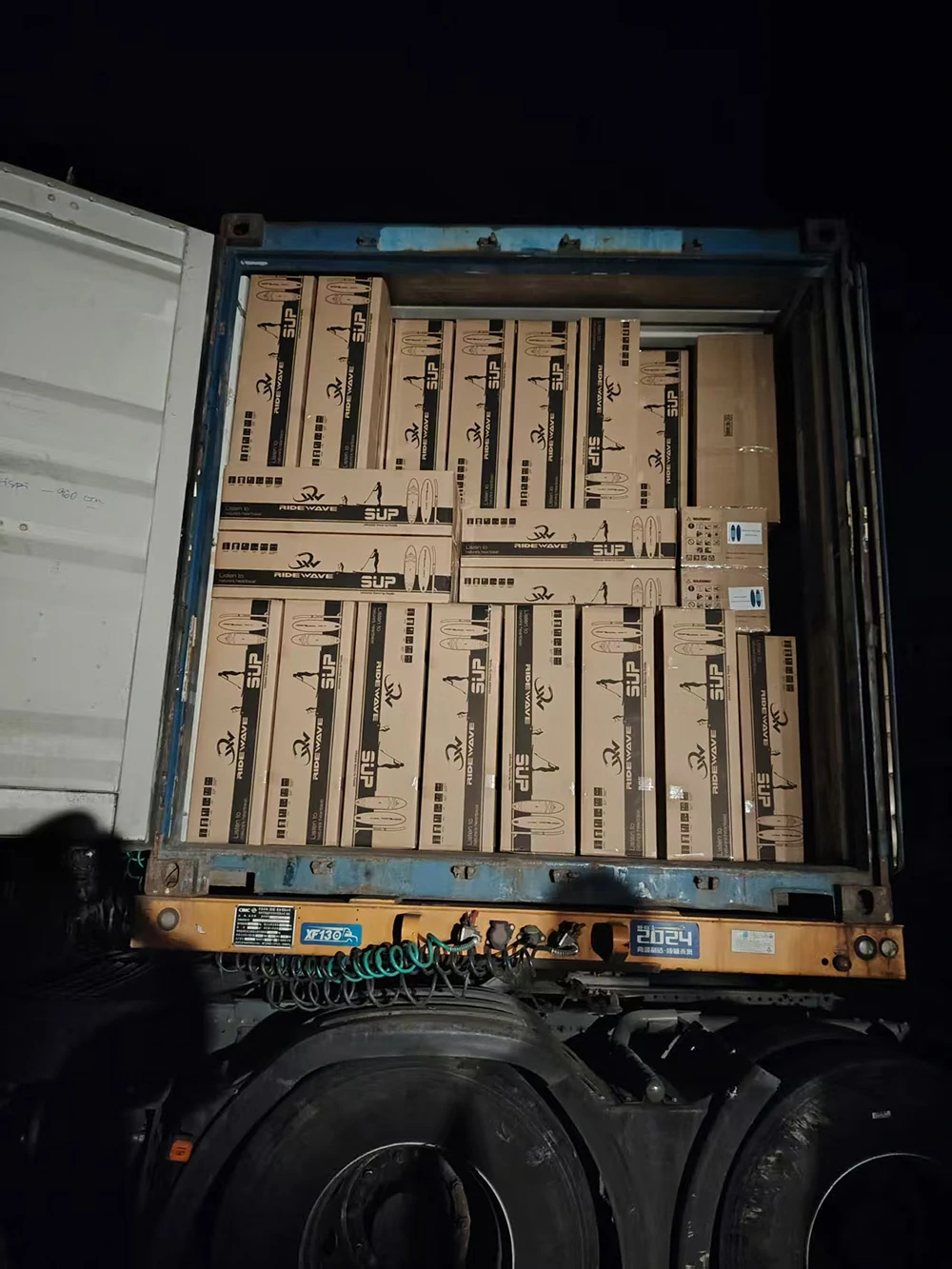
The first powerful trend is the boom of multi-purpose outdoor recreation combining camping, hiking and water sports. Polish families increasingly plan weekend trips that blend lakeside camping with paddling. End buyers want inflatable SUP that can serve multiple scenarios, rather than gear built only for paddling. Boards that pack compactly into backpack-style carry bags perform better in retail, as families travel by small cars to remote lake areas with limited trunk space. This trend directly benefits mid-range all-round inflatable SUP, while niche boards such as yoga or race SUP see weaker organic demand from casual family travellers.
Safety is another non-negotiable priority for Polish consumers, especially parents shopping for family gear. EU product safety awareness has risen sharply across Central Europe after several high-profile media reports on low-quality outdoor equipment. Shoppers actively check for CE marking, material safety certificates and reinforced safety handles before purchase. For B2B importers, skipping compliance testing to cut product costs is a dangerous gamble. Non-compliant inflatable SUP can be detained at customs, recalled from retail shelves, or result in fines that erase all profit from an order. RIDEWAVE keeps full documentation packages ready for every shipment to EU clients, including test reports and declaration of conformity, to simplify customs clearance for Polish distributors.
Sustainability and low-VOC material requirements also gain traction among Polish outdoor consumers in 2026. More buyers ask about PVC composition, recyclable packaging and non-toxic raw materials. This trend is not yet a mass requirement for budget buyers, but premium retail customers and tourism-focused rental businesses are willing to pay extra for boards made with eco-friendlier production processes. Distributors can separate their product portfolio by offering two tiers: standard durable boards for mainstream demand and eco-option SUP for boutique outdoor shops and wellness rental locations.
The third notable trend is the preference for custom branding and personalised design. Private label gear helps Polish retailers and rental operators stand out from generic competitors on crowded lake shores. Local business owners want their own logo printed directly onto inflatable SUP, rather than selling unbranded white stock. Custom printing has moved from a luxury add-on to a common competitive tool for medium-sized Polish water sports vendors. When evaluating custom production workflows, B2B buyers can learn more details from How Custom Paddle Boards Are Made: From Design To Production.
A smaller but fast-growing trend worth watching is lightweight SUP for senior and less physically strong paddlers. Many middle-aged and older Polish outdoor enthusiasts join lake recreation, and they avoid overly heavy boards that are hard to carry from car to water. Boards below 10kg with balanced rigidity become a good secondary SKU for retailers targeting older beginner groups.
For B2B buyers, the biggest takeaway is simple: inventory must mirror end-consumer habits. If your product mix ignores family camping demand, safety certification requirements or private label needs, your competitors will capture those customers. It is not enough to source cheap boards; successful wholesalers translate these consumer trends into concrete SKU adjustments and bundled accessory offers for Polish retail and rental partners.
How can European distributors select a reliable inflatable SUP manufacturer for long-term cooperation?
Choosing the right factory partner is the single most impactful decision for any B2B distributor building a sustainable inflatable SUP business in Poland and wider Central Europe. Price should never sit at the top of your evaluation checklist. Instead, B2B buyers need to audit manufacturing capacity, quality control systems, EU compliance documentation, after-sales support and customisation capability. A manufacturer that can consistently deliver qualified inflatable stand up paddle board shipments will protect your brand reputation, reduce customer complaints, and unlock repeat orders from Polish retail and rental clients.
Start your evaluation with factory quality control workflows. Reliable inflatable SUP producers implement multi-stage inspection: raw fabric checking, drop stitch sheet inspection, seam pressure testing, finished board air retention testing, and final visual inspection before packing. Factories skipping air pressure holding tests often deliver boards with hidden seam leaks. For rental-grade heavy-duty inflatable SUP, this defect risk becomes even more costly because rental fleets run daily and small leaks quickly turn into unusable inventory. When visiting or auditing a factory, ask to review test records for previous EU orders, not generic sample reports.
EU compliance document readiness is your second critical check point. As covered in the previous section, CE files, REACH test reports and declarations of conformity must be available for every batch shipped to Poland. Some suppliers only provide documents on request, or reuse old expired test certificates. Trustworthy manufacturers maintain up-to-date lab reports and can supply full documentation together with packing lists before cargo departs. RIDEWAVE maintains dedicated compliance teams to manage EU certification files, ensuring Polish distributors receive complete paperwork ready for customs and market surveillance audits.
Customisation capability is another key factor for distributors wanting to differentiate their offerings in Poland. Many local retailers and rental operators request private logo printing, custom colourways, modified deck layouts or bundled accessory sets. A factory limited only to standard white-label boards restricts your ability to upsell and capture higher-margin orders.
Lead time flexibility and spare parts service separate dependable manufacturers from casual trading companies. During peak season, production delays can destroy your Polish summer sales plan. Strong factories will communicate proactively if raw material shortages emerge and offer realistic timelines rather than promising unrealistic fast delivery. Equally important is spare parts supply: reputable makers ship repair patches, replacement valves and fins alongside bulk orders, with affordable small reorders of spare parts all year round. This is especially valuable for distributors serving rental businesses, who need ongoing spare inventory to minimise fleet downtime.
MOQ policy also requires careful assessment. Some factories set very high minimum order quantities for custom printed boards, which creates heavy capital pressure for smaller or new distributors entering the Polish market. Balanced MOQ terms let you test small trial orders first, validate market feedback from Polish retailers and rental operators, then scale up volume once products prove popular. This trial-order strategy reduces the risk of locking capital into slow-moving inventory.
It is also wise to verify the manufacturer's after-sales policy before signing contracts. Clarify liability for defective units, warranty periods and the resolution process when air leakage or seam failure occurs. Some overseas suppliers refuse to cover faulty goods once the container leaves the port, forcing distributors to absorb all losses. A clear written warranty protects your partnership and limits financial risk when supplying inflatable SUP into EU markets.
Before committing to a long-term manufacturing contract, run through a structured supplier audit checklist. 10 Questions Every B2B Buyer Should Ask Before Placing An Inflatable SUP Factory Order helps you systematically screen factories and filter out vendors unable to satisfy EU market requirements.
Do not overlook the factory's experience with Central European clients. Manufacturers who regularly ship to Poland will already understand local import rules, seasonal ordering cycles and the different needs between retail and rental fleets. Factories that mostly serve other continents may not anticipate Poland-specific challenges such as inland logistics or local market sampling inspections.
Ultimately, long-term manufacturing partnerships rely on consistent quality and transparent communication. The cheapest quote often comes with hidden costs: failed compliance checks, high defect rates, slow spare parts delivery and poor technical support. Distributors that select partners based on quality and documentation stability build more resilient and profitable inflatable SUP businesses year after year in Poland.
What common mistakes do B2B buyers make when sourcing inflatable SUPs for Poland market?
Even experienced B2B wholesalers slip up when sourcing inflatable SUP for Poland, and these missteps often appear long before containers reach EU territory. Many errors stem from relying only on product photos and unit price comparisons, without fully accounting for local consumer habits, EU regulatory rules, seasonal demand cycles and the full lifecycle cost of inflatable stand up paddle board. Recognising these frequent pitfalls helps new and established distributors avoid costly inventory losses and damaged business relationships with Polish retail and rental partners.
The first and most widespread mistake is choosing inventory purely based on the lowest per-unit price. Cheap entry-level inflatable SUP look attractive for quick margin gains, yet thin PVC, weak seams and inconsistent raw materials lead to high leak rates. For rental operators, high defect rates translate directly into downtime, bad online reviews and extra repair labour. Retail customers return faulty boards and lose trust in your brand. As many Polish distributors have learned, saving a small amount on each unit at purchase can cost far more in returns, refunds and lost repeat orders later.
A second frequent error is building an overcomplicated product portfolio. New buyers often want to stock every available style: yoga SUP, race SUP, touring SUP, tandem boards and specialty shapes. While niche boards have small buyer groups, holding too many SKUs ties up working capital across slow-selling inventory. For the Polish market, the simplest profitable mix keeps all-round inflatable SUP as the core, adds kids SUP as secondary stock, and treats yoga or race boards only as display items or custom-order options, rather than bulk ready stock.
Many importers also underestimate the lead time and seasonal rhythm of Poland's water sports market. It is common to see buyers delay placing orders until February or March, expecting goods to arrive before May. Production, sea freight and inland transport can easily stretch beyond projected timelines when port congestion or raw material shortages hit. When shipments arrive in June or July, peak demand is already partially passed, and retailers will push for discounts to clear inventory quickly.
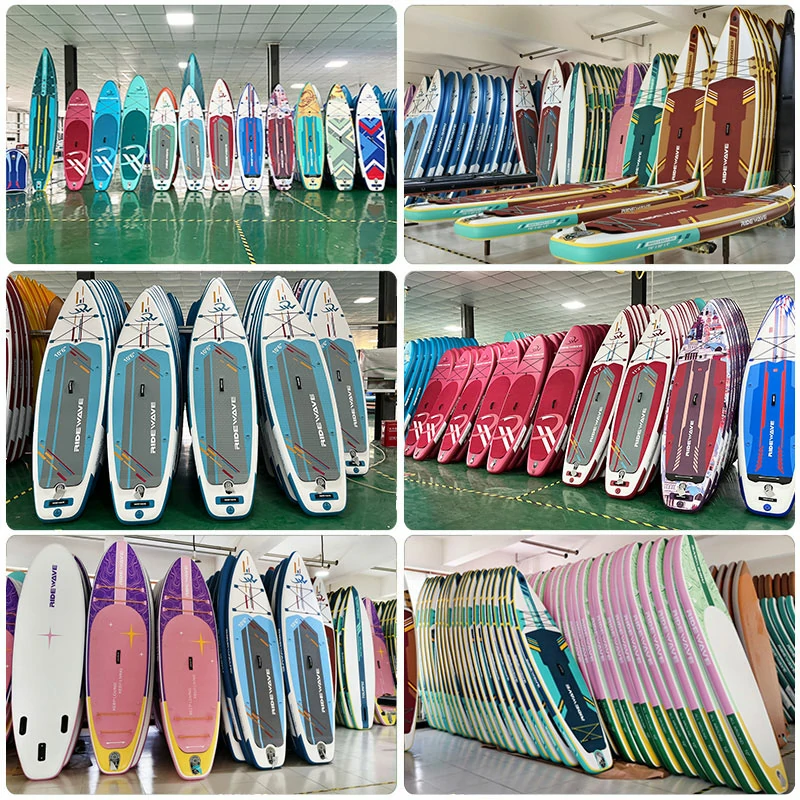
Ignoring compliance document verification is another dangerous sourcing mistake. Some buyers accept supplier promises that "the boards meet EU standards" without reviewing full CE technical files and REACH lab reports. Customs or Polish market surveillance authorities can detain goods for missing or expired certificates. Even if products clear customs initially, later random sampling may trigger recalls and fines. Never assume a supplier's verbal guarantee replaces formal test documentation.
Another overlooked mistake is failing to negotiate spare parts and after-sales terms before order confirmation. Many B2B buyers focus solely on board pricing and delivery dates, leaving repair patches, replacement valves and spare fins as an afterthought. Rental clients in Poland rely heavily on these consumable parts to keep fleets operational through summer. If spare parts must be ordered separately at premium pricing with long lead times, your Polish partners will struggle and look for competing suppliers who can provide full support packages.
Buyers also frequently misjudge the storage weight and packing size for Polish end-users. Many Polish customers drive small city cars to lake areas. Oversized, heavy boards that cannot fit easily into car trunks see weaker retail sales, even if the board performance is excellent. When selecting models, always check packed weight and folded dimension rather than only looking at board performance on water.
A less obvious but damaging mistake is skipping small trial orders before committing to large bulk shipments. It is tempting to place a big container order to get better unit pricing. However, sample photos and lab reports cannot fully predict real-world feedback from Polish customers. A small trial shipment lets you test quality, check customer reaction and validate how local retailers market the inflatable SUP, before committing larger capital.
RIDEWAVE has seen multiple Polish partners avoid these sourcing traps by starting with small trial orders, prioritising documentation checks and reserving part of their budget for spare accessory kits. These simple habits reduce risk dramatically compared with competitors that rush into full container purchases without market validation.
What cross-selling accessory packages boost profit margins for Polish inflatable SUP distributors?
For B2B distributors selling inflatable SUP in Poland, high-margin accessory bundles represent one of the easiest ways to lift average order value without dramatically increasing inventory risk. Many retailers and rental operators focus their budget mainly on purchasing inflatable stand up paddle board fleets, but they still need paddles, pumps, safety gear and maintenance supplies. Selling pre-built accessory kits alongside boards creates recurring revenue streams and strengthens your position as a full-service supplier, rather than merely a board vendor. Accessories usually carry better gross margins than the boards themselves, and small add-on items occupy minimal warehouse space and require less upfront capital.
The starter retail bundle remains the highest-volume package for family and beginner retail buyers. A standard retail kit pairs one all-round inflatable SUP with an adjustable aluminium paddle, high-pressure hand pump, detachable fin, waterproof phone bag, shoulder carry strap and repair patch kit. This ready-made package eliminates confusion for in-store shoppers. Polish retail staff can present the full set to customers in one demonstration instead of explaining each separate item. Distributors that package these sets together see far higher attach rates than those selling accessories individually. Many retailers also use this bundle as their core entry promotion for first-time paddling customers.
Family upgrade bundles are designed for households buying multiple boards. These kits combine one adult all-round inflatable SUP plus one kids inflatable SUP, two paddles, dual pump, two repair kits and a safety leash set. This package targets the strong family camping trend covered earlier. Retailers can market it as a complete family water sport solution. The bundled pricing structure encourages customers to purchase two boards at once, lifting total order value significantly, while giving the retailer room to apply a modest package discount without eroding your margins.
Rental fleet maintenance kits are essential recurring stock for lakeside operators. Unlike retail packages, these kits are not sold to end consumers; they are restock supplies for rental businesses. A fleet maintenance pack includes bulk repair patches, replacement valves, spare fins, extra leashes and waterproof dry bags. Rental operators go through these consumables quickly during peak summer months. Selling repeat orders of fleet maintenance supplies creates year-round residual income for distributors, even outside of the main board ordering season. This builds customer stickiness: rental clients will keep coming back if they can source both boards and spare consumables from a single supplier.
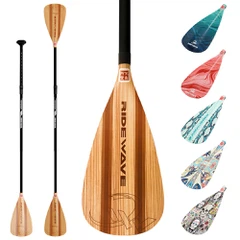
Premium upgrade accessories serve boutique outdoor shops and higher-income Polish customers. Carbon paddles, electric high-pressure pumps, waterproof dry backpacks, board protectors and floating safety vests fall into this category. These items are not essential for every buyer, but they deliver large profit margins. Retailers can offer them as upsells after a customer selects a basic inflatable SUP. Premium accessories are perfect for small display stock; you do not need large quantities, as demand is selective.
When designing your accessory lineup, avoid overcomplicating SKUs. Stick to core, universal accessories compatible with most inflatable SUP models you supply. Custom printed accessories are another powerful option. You can add your retail partner's logo onto paddles, dry bags or carry straps. Private-label accessories increase brand identity for Polish resellers and justify a higher selling price.
RIDEWAVE supplies modular accessory packages for Polish partners, allowing distributors to mix and match components freely without being forced into fixed pre-set bundles. This flexibility lets you tailor kits for retail stores, family buyers and rental fleets separately, adjusting contents based on your client's budget and target audience.
One common mistake distributors make is treating accessories as an afterthought. Many wholesalers only offer the basic hand pump and fin included with each board. This leaves huge profit potential unused. Polish retailers will happily source all supporting gear from you if bundles are simple and fairly priced. Offering complete kits also reduces customer service work, as fewer end-users contact retailers asking what extra equipment they need after buying an inflatable SUP.
Bundled accessories also help your Polish clients compete against online marketplaces. Local brick-and-mortar retailers struggle to compete on board price alone. But complete ready-to-use bundles give physical stores a tangible advantage over online sellers, who often ship boards with minimal included gear.
Final summary for Poland inflatable SUP B2B market
Poland represents one of Central Europe's fastest-growing markets for inflatable SUP, and it holds excellent opportunities for B2B distributors who build their business around market reality rather than generic wholesale assumptions. Success in this space does not rely only on sourcing low-cost inflatable stand up paddle board inventory; it comes from matching your product portfolio to local demand, respecting EU regulatory rules, building reliable supply chains and creating high-margin accessory packages for retail and lakeside rental partners.
The core product strategy for Poland stays simple. All-round inflatable SUP remains your primary volume driver, suitable for family weekend trips, camping and beginner paddlers. Heavy-duty rental-grade boards serve tourist-heavy lake regions such as Masuria, while kids SUP acts as a strong secondary add-on. Yoga and race SUP should remain limited to display stock or custom private-label orders, not large bulk shipments. This lean SKU strategy keeps capital requirements manageable and reduces dead inventory risk, which is critical given the sharp summer-only demand cycle.
Regulatory and compliance work must be treated as your foundation, not an afterthought. CE marking, REACH chemical testing and complete technical documentation are mandatory for all shipments entering Poland. Market surveillance checks happen regularly, and non-compliant goods can trigger detention, fines or recalls. Select manufacturers like RIDEWAVE who maintain up-to-date test certificates and full paperwork for EU import, to protect your whole distribution business.
Supply chain planning revolves around the tight seasonal window. Orders must be placed early enough to allow 90–120 days for production, sea freight, customs clearance and inland delivery to Polish warehouses. Delayed ordering will make you miss the May launch of the paddling season. Small trial orders before full container shipments help validate quality and local market feedback, lowering financial risk for new market entrants. Prioritise suppliers who provide reliable spare parts alongside bulk board shipments, especially for rental fleet clients who depend on repair consumables year-round.
Consumer trends continue to shape buying decisions. Polish buyers prioritise safety certificates, compact pack size for small cars, multi-purpose outdoor gear and private logo branding. These preferences create clear upsell opportunities: bundled starter kits, family packs and fleet maintenance accessories improve average order value and lock in repeat business. Accessories deliver stronger gross margins than boards themselves and require less upfront investment.
When selecting manufacturing partners, judge suppliers on quality control, compliance readiness and after-sales service rather than just unit price. The cheapest quotation frequently carries hidden costs: high leakage defect rates, missing certificates, long spare parts lead times and poor communication. Use supplier audit checklists to filter factories, and test partnerships on small trial orders before scaling.
For long-term profitability, position yourself as a full-service supplier instead of a simple board reseller. Polish retailers and rental operators want one partner for boards, spare parts and accessory bundles. This integrated offering builds loyalty and makes your business harder to replace.
Overall, Poland's SUP market rewards distributors that operate methodically. Align your SKU mix with local family and tourist demand, lock in compliant supply chains early, build modular accessory bundles and avoid rushing into oversized inventory commitments. By following this framework, B2B distributors can build sustainable, profitable inflatable SUP sales across Poland's retail and lake rental sectors.
Related Articles