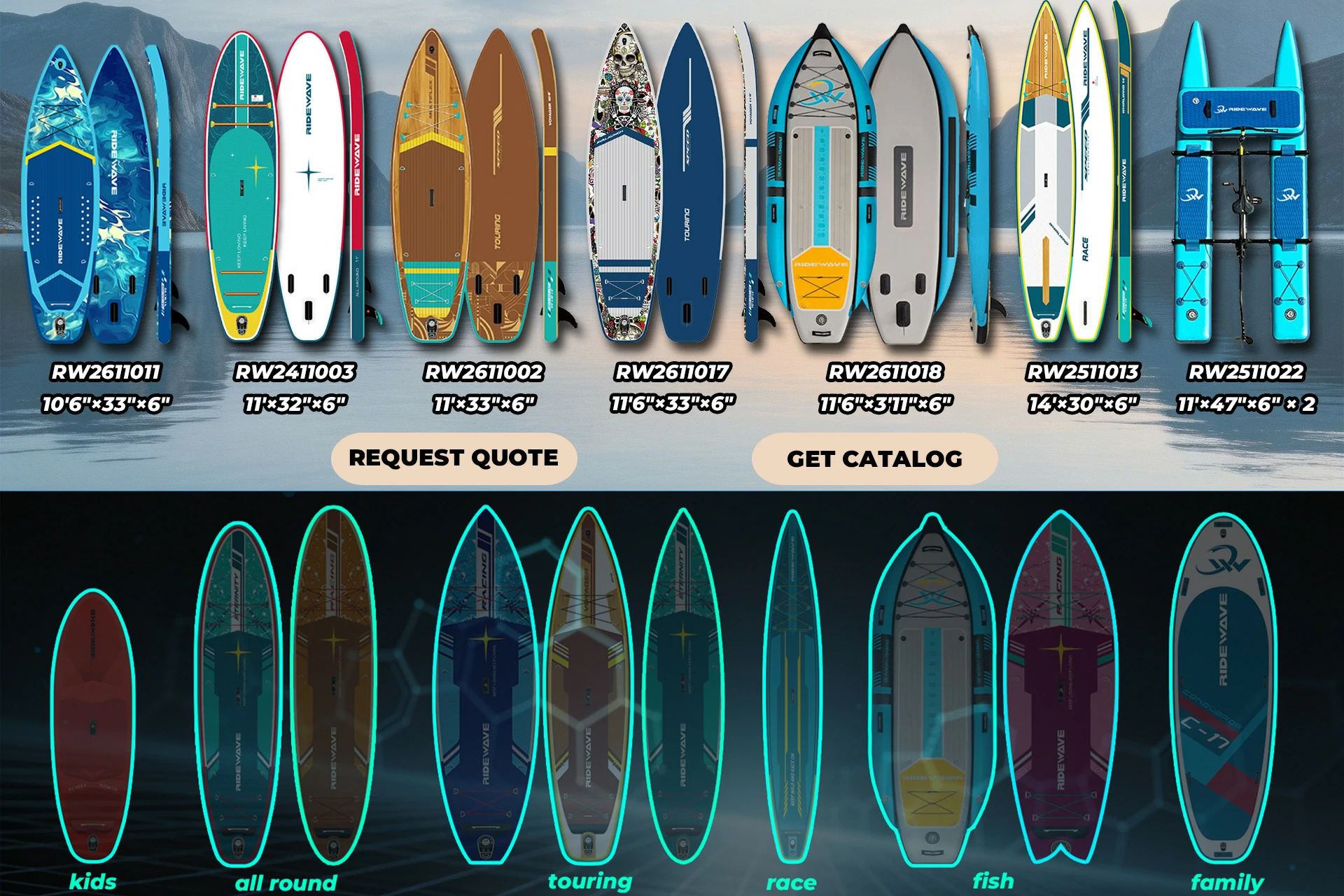


When importing bulk inflatable SUP orders to the Port of Rotterdam, cutting total lead time does not rely on rushing factory production alone. Successful B2B distributors, wholesalers and outdoor sports brand owners shorten delivery windows by aligning drop-stitch inflatable SUP material stocking, pre-shipment EU compliance checks, contracted ocean freight booking and Rotterdam customs pre-clearance together. Many buyers lose 10–25 days in their supply chain due to disconnected planning, incomplete certification paperwork, or last-minute material shortages, even when working with experienced manufacturers. At RIDEWAVE, we have refined this end-to-end workflow over years of shipping wholesale inflatable paddle boards to Benelux, Germany, France, Australia and North America, and we regularly help B2B clients trim total door-to-port lead time while protecting product quality and landed cost. To fully understand how factory scheduling impacts your timeline, review How Custom Paddle Boards Are Made: From Design To Production before locking your next custom branded SUP order. The guide below breaks down every common bottleneck and actionable fix for your bulk iSUP shipments bound for Rotterdam, so you can hit retail selling seasons without costly port detention, missed stock deadlines or unexpected compliance holds.
What Hidden Delays Usually Blow Up Lead Times For SUP Shipments To Rotterdam?
Most B2B buyers of bulk inflatable SUP only track production days and ocean transit time, ignoring hidden bottlenecks that can add two weeks or longer to shipments heading for Rotterdam. These delays rarely stem from vessel breakdowns or rare port strikes alone. Instead, they emerge from small, repeated oversights across raw material preparation, pre-shipment quality control, document compilation, container loading and customs readiness. Even established distributors ordering drop-stitch inflatable SUP often underestimate how incomplete test reports or inconsistent batch inspection can trigger hold-ups once cargo reaches the Netherlands.
Many manufacturers start production only after receiving full deposits, but they do not reserve raw materials in advance. For wholesale inflatable paddle boards, shortages of heavy-gauge PVC, drop-stitch fabric, valve accessories and packaging cartons are one of the top causes of factory slippage. Once production finishes, rushed QC creates rework: leak testing failures, misaligned branding printing or defective D-rings force partial re-production. When cargo arrives at Rotterdam, incomplete CE documentation, missing origin certificates or CBAM reporting gaps trigger customs holds. Port dwell time balloons while teams scramble to submit missing paperwork.
Port congestion itself remains a factor, but modern Rotterdam delays are more often tied to poorly prepared consignments rather than permanent terminal backlogs. B2B buyers who only negotiate unit price without auditing the full supply chain timeline frequently face missed seasonal windows for summer water sports sales. Below table breaks down the most common delay sources for bulk iSUP shipments to Rotterdam, projected time loss and potential financial impact for your wholesale operation.
| Delay Category | Root Cause | Typical Lost Days | Tangible Cost Impact For B2B Distributors |
|---|---|---|---|
| Raw Material Shortage | No pre-reservation of drop-stitch PVC, SUP accessories or custom printed packaging | 7–16 days | Rush material surcharges, delayed seasonal stock, lost pre-order revenue |
| Pre-Shipment Rework | Failed air leak test, logo printing defects, hardware fitting errors | 4–12 days | Extra factory labour fees, delayed vessel booking, partial shipment complexity |
| Documentation Deficiencies | Missing CE test reports, incomplete EORI data, late CBAM declarations | 5–14 days | Rotterdam port detention fees, customs fines, extended dwell time |
| Logistics & Container Issues | Non-contracted spot freight, no confirmed container allocation, last-minute vessel roll | 3–9 days | Freight price spikes, emergency air freight premiums, warehouse scheduling disruption |
| Post-Arrival Port & Customs | No pre-submitted customs filing, incorrect commodity code classification | 4–11 days | Daily terminal storage charges, delayed availability for final distribution |
Working closely with your factory partner to audit these risks before order confirmation can eliminate most avoidable hold-ups. You can learn more about how material selection and production steps create or reduce these risks by reviewing How Custom Paddle Boards Are Made: From Design To Production. Many buyers also overlook how product design choices can simplify compliance for European markets, a topic we explore in How To Design A Paddle Board That Sells.
How Can You Lock In Reliable Production Slots To Cut Factory Lead Time By 30%?
Many B2B buyers of wholesale inflatable SUP treat factory scheduling as something the manufacturer handles alone. This mindset is one of the biggest reasons orders slip and deadlines get missed. Securing stable production capacity for bulk inflatable paddle boards requires proactive alignment between your sales forecast, raw material stock and factory workshop schedules, rather than simply placing an order and waiting for updates. For drop-stitch iSUP, the longest production delays usually happen when factories have to source PVC fabric, woven drop-stitch layers, valve assemblies and deck pad materials after receiving your deposit. Pre-reserving materials and locking a dedicated production window removes this waiting period and can slash factory-side lead time by roughly 30%.
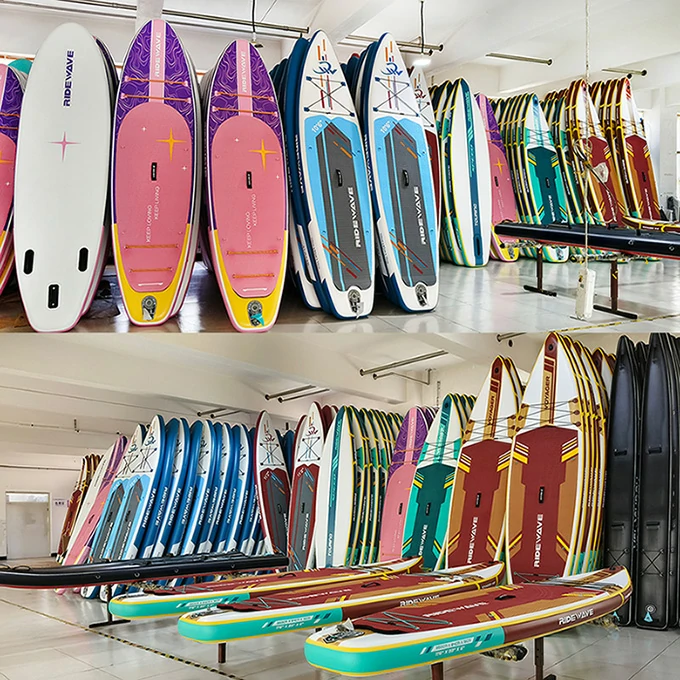
At RIDEWAVE, we maintain standing pre-stock of core raw materials for standard custom branded SUP lines, which removes weeks of sourcing work for recurring wholesale clients. Slot locking is not just about picking a date on a calendar. It covers 4 actionable steps that every B2B buyer should negotiate before signing off on purchase terms.
Reserve raw material inventory with your manufacturer at the time of forecast submission, not order confirmation.
Lock a fixed workshop production window in your sales contract, with written penalties for unplanned factory delays.
Agree on milestone QC checkpoints: material inspection, semi-finished board leak testing, final batch inspection before packing.
Confirm container and vessel booking 7 days ahead of production completion, so shipping space waits for your goods, not the reverse.
A real RIDEWAVE client example illustrates this approach clearly. A Dutch outdoor distributor came to us after their previous supplier delivered their 1200-unit bulk inflatable SUP order 73 days door-to-port, missing Black Friday stock deadlines. Material sourcing delays and unplanned rework consumed nearly three weeks of their timeline. For their follow-up order, they shared their seasonal sales forecast two months early. We reserved drop-stitch PVC and accessory stock immediately, locked their dedicated production slot, and scheduled staged QC milestones. Once production wrapped, we loaded and shipped using our contracted Ningbo-to-Rotterdam ocean space. The final shipment reached their warehouse in 48 days total. They sold through 92% of the custom-logo inflatable paddle boards within the first three weeks after shelf launch.
This level of scheduling coordination only works when both sides agree on clear milestones. If you want to dig deeper into how raw materials move through each manufacturing phase, read How Custom Paddle Boards Are Made: From Design To Production. Understanding production workflows helps you spot weak points when negotiating production slots with any iSUP factory.
Which Compliance Checks Eliminate Costly Rework Before Shipment?
Many bulk inflatable SUP buyers treat compliance paperwork as a last-step task, only requesting test reports and certificates once production is finished. This approach is risky for orders bound for Rotterdam and the EU market. When compliance gaps are discovered late, you face two bad outcomes: expensive factory rework, or cargo detention after arrival at the Port of Rotterdam. For drop-stitch inflatable paddle boards, the most critical checks must happen at the design and pre-production phase, not after boards roll off the assembly line.
EU rules for wholesale iSUP continue to evolve. CE safety standards for water sports equipment, product labelling requirements, and CBAM carbon reporting all apply to imported inflatable SUP products. If artwork, printed warnings, material specifications or batch test data fail to meet these standards, your shipment can be held at Rotterdam terminals. Rework done inside the port incurs far higher labour and administrative fees than corrections completed inside the factory.
The table below lists the mandatory pre-shipment compliance checks for custom branded SUP sold in the EU, and what issues each check prevents.
| Compliance Item | When to Perform Check | Risk Avoided |
|---|---|---|
| CE EN 15649 safety testing | Pre-production / prototype phase | Rejection of boards, customs holds, product recall risk |
| PVC & raw material composition verification | Raw material incoming inspection | Restricted substance non-compliance, failed batch testing |
| EU warning label & marking review | Artwork / graphic design stage | Relabelling costs after production, detention at Rotterdam |
| CBAM embedded carbon data collection | Production scheduling phase | Late or incomplete CBAM declarations, customs fines |
| Batch-wise quality & leak testing | Post-production before packing | Inconsistent product performance, customer returns after distribution |
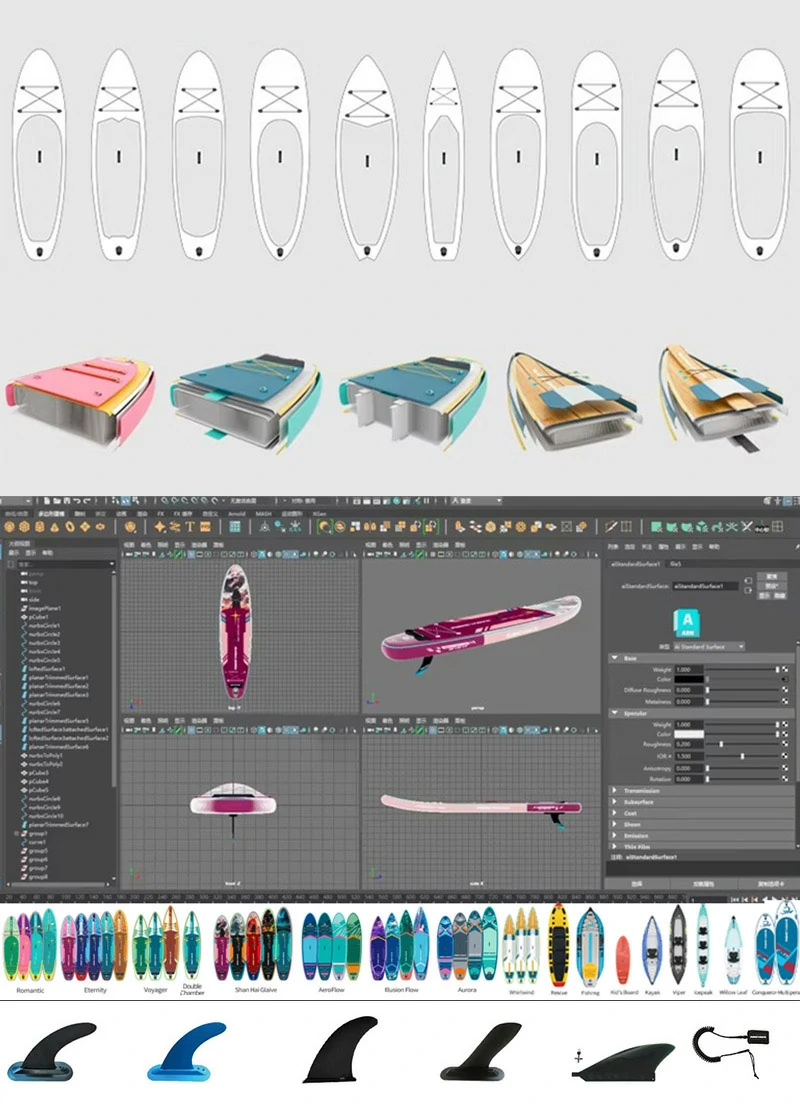
Design decisions directly impact how easily your inflatable SUP can pass EU compliance. Many brands rush graphic design only to discover their printed warnings do not follow European requirements. This is one reason product development cannot separate market compliance from aesthetics. If you want to build a high-converting board that also satisfies European regulatory rules, review How To Design A Paddle Board That Sells.
At RIDEWAVE, our in-house compliance team reviews every custom SUP graphic file before printing starts. We flag incorrect warning text, wrong sizing for safety markings and missing required symbols at the design stage. This simple workflow eliminates nearly all label-related rework for our B2B European clients. It does not add long delays, but it requires buyers to share final artwork early rather than submitting files right before mass printing.
Skipping these early checks may save a few days at the design stage, but it creates expensive delays once goods reach Rotterdam. Compliance is not just a box to tick; it protects your whole distribution pipeline and preserves your margin on bulk inflatable paddle boards.
Is Direct Ocean Routing To Rotterdam Always The Fastest Option?
Most B2B buyers of bulk inflatable SUP automatically select direct Ningbo-to-Rotterdam vessels, assuming this route will always deliver their drop-stitch inflatable paddle boards in the shortest possible window. While direct liner service is excellent for many wholesale iSUP orders, it is not universally the fastest or most reliable solution, especially during peak shipping seasons, carrier blank sailings or sudden space shortages. When booking freight for custom branded SUP shipments, you need to compare total end-to-end lead time rather than only focusing on ocean transit days.
Your cargo volume, required delivery date, budget and risk tolerance all influence route performance. A direct vessel can hit unexpected delays such as port call omissions, vessel slowdowns or berth waiting time at Rotterdam. In some scenarios, a transshipment route or combined sea-and-land solution arrives faster, with fewer risks of rollover, even if the pure ocean sailing time is slightly longer. For lightweight, low-density goods like packaged inflatable SUP, container utilisation also plays a role; poorly stacked paddle board cartons can reduce load efficiency and raise per-unit landed cost.
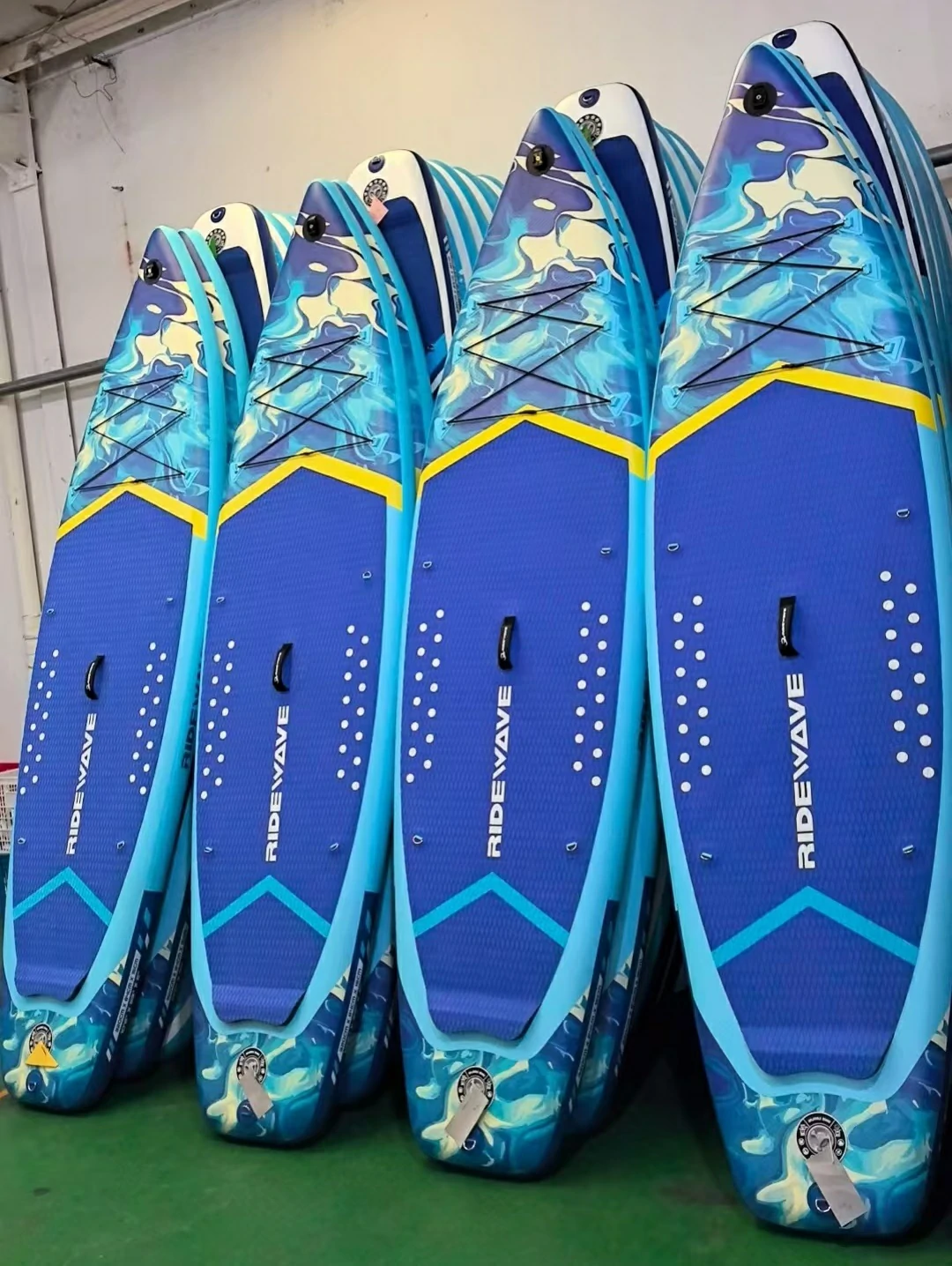
The table below compares popular shipping routes for bulk inflatable paddle boards heading into the Benelux and German markets, with lead time, reliability profile and best-fit order type.
| Shipping Route | Total Door-To-Rotterdam Port Lead Time | Reliability Score (1–10) | Best Suited Order Profile | Key Tradeoffs |
|---|---|---|---|---|
| Ningbo → Rotterdam Direct Vessel | 28–36 days | 8 | 500+ units, standard season bulk orders, stable forecast | Higher spot freight rates; risk of blank sailings in Q4 |
| Ningbo → Hamburg + Truck to Rotterdam | 32–40 days | 7 | Orders needing flexible delivery windows, smaller batches | Extra inland trucking cost; cross-border transit variables |
| Ningbo → Antwerp + Truck to Rotterdam | 31–39 days | 7.5 | Mixed container cargo, brands with Belgian distribution | Similar port congestion risks as Rotterdam |
| China-Europe Rail to Duisburg + Road to Rotterdam | 22–29 days | 6 | Urgent mid-sized orders, pre-season small stock replenishment | Higher per-CBM cost; container size restrictions |
Many buyers overlook that vessel booking timing matters just as much as route choice. Even a direct service will not help if your production finish date slips and the confirmed sailing departs before cargo is ready. RIDEWAVE's logistics team reserves provisional vessel space during production scheduling for recurring B2B clients. This prevents the situation where finished bulk inflatable SUP sits in warehouse waiting weeks for the next available ship.
Route selection also ties back to compliance and documentation. If you use a transshipment route, confirm your customs broker understands the origin rules and CBAM reporting requirements for inflatable SUP. Misclassification during transshipment can trigger holds once the goods enter EU territory. You can revisit production and planning fundamentals by reading How Custom Paddle Boards Are Made: From Design To Production to align your production completion date with your preferred sailing schedule.
How Can Pre-Cleared EU Logistics Cut Port Dwell Time At Rotterdam?
Port dwell time is one of the most underestimated cost and timeline killers for bulk inflatable SUP shipments arriving at Rotterdam. Many B2B wholesalers assume customs work starts only after the vessel berths and cargo is discharged. This outdated mindset often traps drop-stitch inflatable paddle boards inside terminals for days or weeks, racking up storage, handling and detention fees before your goods can move to your EU distribution warehouse. Pre-clearance, also known as advance customs filing, lets your team submit and validate all required paperwork before the container even reaches Dutch territorial waters. For wholesale iSUP, this simple supply chain tweak can cut Rotterdam port dwell time from the industry average of 7–12 days down to 1–3 days for compliant shipments.
Pre-clearance works best when your manufacturer and freight forwarder share data early. Critical documents include commercial invoices, packing lists, CE test reports, certificate of origin, EORI reference numbers and completed CBAM embedded carbon declarations. For custom branded SUP orders, artwork batch records and batch leak test logs should also be ready for inspection. When customs officials already review and approve your file in advance, they only perform random physical checks after discharge instead of holding every pallet for document verification.
It is important to separate pre-clearance from simplified customs procedures. Pre-filing does not remove your legal duty to meet EU product safety rules. It merely removes the waiting queue that forms when paperwork arrives after cargo lands. Rotterdam port's new AI-powered customs portal speeds up document matching, but incomplete or inconsistent data will still trigger manual reviews and holds.
The table below outlines the core tasks and timeline for pre-clearing inflatable SUP cargo before arrival at Rotterdam.
| Pre-Clearance Task | Recommended Timing | Purpose |
|---|---|---|
| Gather full shipment document package | 7–10 days before vessel departure | Confirm all certificates, invoices and test records match commodity description |
| Submit customs declaration via Dutch customs broker | 3–5 days before vessel arrives in EU waters | Allow Dutch customs to validate data before container discharge |
| Submit CBAM carbon declaration | Same window as customs filing | Prevent CBAM-related inspection holds upon arrival |
| Share batch QC and leak test reports | Pre-arrival, upon customs request | Support quick resolution for random physical inspections |
| Confirm EORI and importer details | Before declaration submission | Avoid mismatched importer ID, one of the top causes of port holds |
At RIDEWAVE, we coordinate document compilation with our B2B clients' freight forwarders as soon as container loading finishes. We supply factory test records and origin documents directly to the broker, removing delays caused by back-and-forth email chasing between buyer, factory and logistics teams. Even with pre-clearance, random physical inspections can still occur, but these become fast, routine checks rather than lengthy disruptions to your bulk inflatable paddle boards delivery schedule.
If you are building your import checklist for European water sports goods, you can review 10 Questions Every B2B Buyer Should Ask Before Placing An Inflatable SUP Factory Order. This guide helps you lock in document responsibilities with your supplier before deposit payment, so pre-clearance becomes a standard part of your process, not a last-minute scramble.
When Should You Use Pre-Positioned EU Warehousing To Beat Peak Season Delays?
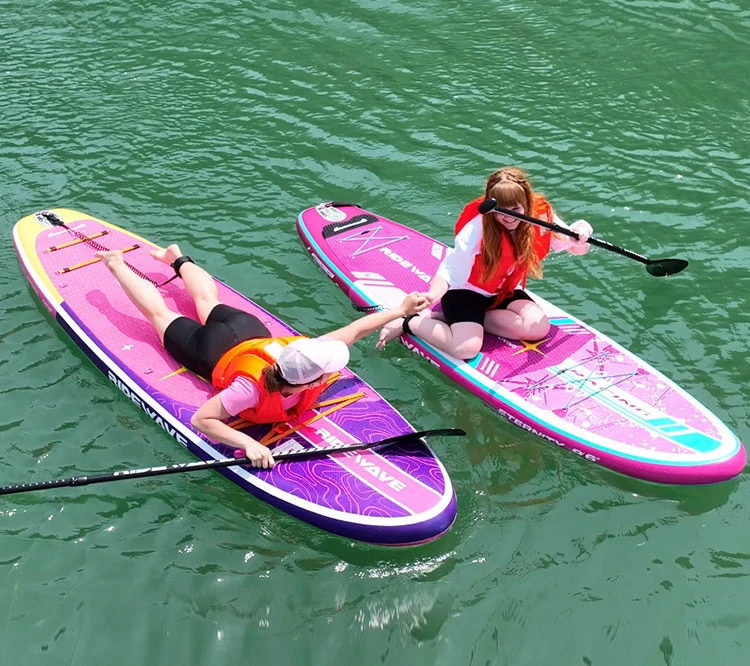
Peak season shipping bottlenecks create a unique challenge for B2B sellers of bulk inflatable SUP. Even with locked production slots, pre-approved compliance paperwork and pre-cleared customs, Q2 and Q4 congestion can still push your drop-stitch inflatable paddle boards past your planned retail launch dates. For many wholesale iSUP distributors and sportswear brands, pre-positioned EU warehousing near Rotterdam offers a practical way to decouple stock replenishment from volatile ocean freight schedules. This strategy does not work for every buyer, however. It requires careful forecasting, working capital planning and a clear understanding of your product turnover rate for custom branded SUP.
Pre-positioning means shipping inventory into European bonded or non-bonded warehouses months before your peak selling window. Once stock lands and clears customs locally, you can ship smaller orders to retail partners within Benelux, Germany and France in just 2–5 days, instead of waiting 30+ days for ocean transit from China. This model is most effective for standard, fast-moving inflatable SUP models with stable demand, rather than highly customised limited-edition paddle boards that carry higher inventory risk.
The table below compares the pros, cons and ideal buyer profile for direct factory shipments versus pre-positioned EU warehousing for bulk inflatable paddle boards.
| Fulfillment Model | Typical Restock Lead Time | Upfront Capital Requirement | Best Fit Buyer Profile | Core Risks |
|---|---|---|---|---|
| Direct factory shipment from China to Rotterdam | 30–48 days | Lower; pay per container as orders ship | Distributors with predictable seasonal forecasts, large single bulk orders | Peak season freight surcharges, vessel rollovers, port delays |
| Pre-positioned EU warehousing near Rotterdam | 2–5 days local dispatch | Higher; purchase and store inventory upfront | Established wholesalers, brands with consistent repeat orders for standard SUP SKUs | Warehouse storage fees, unsold inventory, slower design refresh cycles |
RIDEWAVE maintains limited shared warehouse capacity close to the Port of Rotterdam for recurring B2B partners. Clients can place larger bulk orders off-season, and we hold finished standard bulk inflatable SUP inventory ready for local distribution. This allows wholesalers to release small batch restocks to retail shops quickly once summer selling season arrives. This service is not recommended for new buyers testing the market with one-off custom designs, as warehousing holding costs can erase margin on low-volume trial orders.
Pre-positioning works best when paired with demand forecasting. You need to estimate sales volume at least 4–6 months ahead of peak season to decide how many inflatable paddle boards to pre-stage. Overstocking ties up capital; understocking defeats the purpose of the warehouse strategy. You can combine this inventory planning with supplier vetting practices outlined in 10 Questions Every B2B Buyer Should Ask Before Placing An Inflatable SUP Factory Order. Understanding factory reliability helps you decide how much safety stock you need to hold inside Europe.
It is critical to note that pre-positioning does not eliminate compliance work. All boards stored in EU warehouses still need full CE certification, valid origin documentation and complete CBAM reporting. Pre-stock simply moves the customs clearance event earlier, before you rush to fulfil retail orders.
What Realistic Lead Time Targets Should You Set For Different Order Sizes?

Many B2B buyers of bulk inflatable SUP set unrealistic delivery timelines based on marketing estimates or past small order experience. This mismatch between expectation and real-world supply chain capability often creates friction between wholesalers and manufacturers, especially for drop-stitch inflatable paddle boards bound for Rotterdam. Lead time is not a single fixed number; it shifts with order volume, customisation level, seasonality, raw material availability and compliance preparation. When planning wholesale iSUP procurement, separating timelines for trial orders, standard bulk orders and large brand rollouts helps you build reliable forecasts and avoid rushed, costly compromises.
Small trial orders serve product testing, market feedback and certification validation. These orders often carry higher relative production overhead, and custom artwork or custom deck pad layouts can add extra work. Mid-sized bulk orders represent the sweet spot for most established custom branded SUP distributors. Large flagship orders demand advanced raw material reservation and dedicated workshop capacity, so longer pre-planning windows become mandatory.
The table below lays out practical, verified lead time benchmarks for inflatable SUP shipments heading to Rotterdam. Timelines count from deposit confirmation to cargo availability for pick-up at the port. These numbers distinguish flat-season and peak-season windows and account for standard pre-shipment QC and compliance document preparation.
| Order Scale | Quantity Range | Flat Season Total Lead Time | Peak Season Total Lead Time | Key Pre-Planning Requirement |
|---|---|---|---|---|
| Trial / Market Test Order | 50–200 units | 32–40 days | 40–48 days | Final artwork and compliance sign-off before production kickoff |
| Standard Wholesale Bulk Order | 300–1000 units | 30–38 days | 38–46 days | Lock raw material stock 60 days before required port arrival |
| Large Brand Full Launch Order | 1000+ units | 36–44 days | 44–52 days | Reserve dedicated factory production slot 90 days ahead |
Keep in mind these targets assume no major rework, complete pre-clearance documentation and confirmed vessel booking. If you add complex custom features like multi-layer printing, custom moulded fins or special PVC formulations, add 7–14 extra days regardless of order size.
RIDEWAVE shares this lead-time framework with all new B2B customers during quotation. We avoid overpromising fast delivery that cannot be kept, because missed deadlines damage both our reputation and our partners' retail selling plans. We also flag timeline risks early: if raw material prices shift or port forecasts signal congestion, we notify buyers before they lock retail promotion dates.
You can use this table to align internal sales and purchasing teams, and also to evaluate proposals from competing SUP factories. If a supplier promises drastically shorter lead times without locking materials or scheduling compliance reviews, treat that quote with caution.
How Do You Vet A SUP Manufacturer To Consistently Hit Short Lead Time Targets?
Cutting lead times for bulk inflatable SUP bound for Rotterdam is only sustainable when you partner with a reliable drop-stitch inflatable paddle boards manufacturer. Negotiating lower unit prices is common during supplier selection, but many B2B wholesalers overlook operational indicators that determine whether a factory can repeatedly deliver wholesale iSUP orders on schedule. A manufacturer may promise fast turnaround on custom branded SUP, yet lack raw material reserves, stable QC workflows or proven export documentation experience for EU markets. Proper vetting separates vendors that can deliver predictable inflatable paddle boards shipments from those that rely on rushed production and last-minute fixes.
Your supplier audit should not stop at factory tour photos or sample quality. You need to ask targeted operational questions to assess supply chain resilience. The key evaluation criteria fall into 5 practical categories.
·Raw material inventory policy: Does the factory maintain safety stock for core drop-stitch PVC, valves and deck pad materials?
·Fixed production slot agreement: Can they reserve dedicated workshop time and put delay compensation terms in writing for bulk orders?
·EU compliance experience: Have they shipped bulk inflatable SUP to Rotterdam and handled CE, CBAM and origin documentation repeatedly?
·Phased quality control: Are leak testing, material inspection and batch audits built into every production run, not only for customer inspections?
·Logistics coordination capability: Can the factory collaborate with freight forwarders to pre-prepare documents and lock vessel space ahead of completion?
The table below summarises red flags and positive signals when vetting potential iSUP manufacturers for shipments to the Port of Rotterdam.
| Audit Area | Positive Signals | Red Flags To Avoid |
|---|---|---|
| Raw Material Management | Maintains pre-stock of core drop-stitch materials; shares material reservation receipts | Sources PVC only after deposit received; no minimum safety stock |
| Production Scheduling | Written contract terms for locked slots and delay remedies; milestone updates every week | Vague delivery dates; refuses to add written delay liability clauses |
| EU Export Compliance | Ready references of past Rotterdam shipments; in-house compliance reviewer for CE and CBAM | No experience with CBAM; outsources all certification work to third parties only when required |
| Quality Control | Standard batch leak testing, documented QC logs, semi-finished product inspection | QC only happens on customer request; no permanent in-house testing station |
| Logistics & Docs | Prepares commercial documents in advance, works closely with freight forwarders | Only generates paperwork after production finishes; frequent document typos or mismatches |
At RIDEWAVE, we openly share past shipment references to Benelux clients and provide transparent production milestone updates throughout every order. Our pre-stock of raw materials and in-house compliance team are built specifically for recurring EU wholesale orders, so our clients can plan their retail calendars without constant emergency follow-ups. Even with a vetted manufacturer, you should build a small buffer into your timeline, as rare external events such as port strikes or carrier blank sailings remain outside factory control.
Once you complete your factory vetting, you can revisit the core buyer checklist in 10 Questions Every B2B Buyer Should Ask Before Placing An Inflatable SUP Factory Order. This set of questions helps you formalise your requirements before paying deposits, ensuring your contract protects your timeline and quality standards for bulk inflatable SUP shipments to Rotterdam.
Reducing lead times for bulk inflatable SUP shipments to Rotterdam is not about finding one single trick to cut weeks off your schedule. It is a systematic, end-to-end supply chain strategy built on proactive planning, early compliance checks, locked raw material stock, smart route selection and coordinated customs preparation. Many B2B buyers of drop-stitch inflatable paddle boards waste valuable time and profit by only reacting to delays after they appear, rather than building safeguards before production starts.
From reserving production slots and validating artwork compliance, to comparing sea and rail shipping routes and using EU pre-clearance, every step works together to keep wholesale iSUP shipments on track. For brands with steady demand, pre-positioned warehousing near Rotterdam can further insulate your retail business from volatile peak-season freight and port disruptions. Setting realistic lead time benchmarks for different order sizes and properly vetting your custom branded SUP manufacturer rounds out the whole strategy.
No supply chain plan can eliminate every possible risk. Vessel blank sailings, unexpected port events or rare material shortages may still happen. But the methods laid out in this guide drastically reduce avoidable delays, lower detention and rework costs, and help you reliably hit your seasonal retail launch windows for inflatable paddle boards.
As you prepare your next procurement cycle for the European water sports market, keep these core takeaways top of mind:
Lock raw materials and production slots early, before placing formal orders.
Run compliance reviews during the design phase, not after mass production finishes.
Compare full end-to-end lead times instead of only looking at ocean transit duration.
Use pre-clearance to minimise Rotterdam port dwell time for compliant shipments.
Match your fulfilment strategy - direct shipment or pre-positioned warehousing - to your order volume and sales forecast.
Audit manufacturers using operational KPIs, not just sample quality and quoted unit price.
When these practices become standard for your bulk inflatable SUP import process, you gain predictable inventory flow, better cash flow planning and stronger competitive advantage across Benelux, German and French wholesale markets.
Related Articles
What Types Of Inflatable SUP Deliver The Best Profit Margins For Dutch Dealers?
How Do Dutch Wholesalers Optimize Inventory For Seasonal Inflatable SUP Demand?
Is Private Label OEM Inflatable SUP A Good Investment For Dutch Water Sport Brands?
What Hidden Sourcing Risks Should Dutch Inflatable Paddle Board Importers Watch Out For?
How Can Dutch Water Sports Retailers Boost Revenue With Inflatable Paddle Board Product Lines?