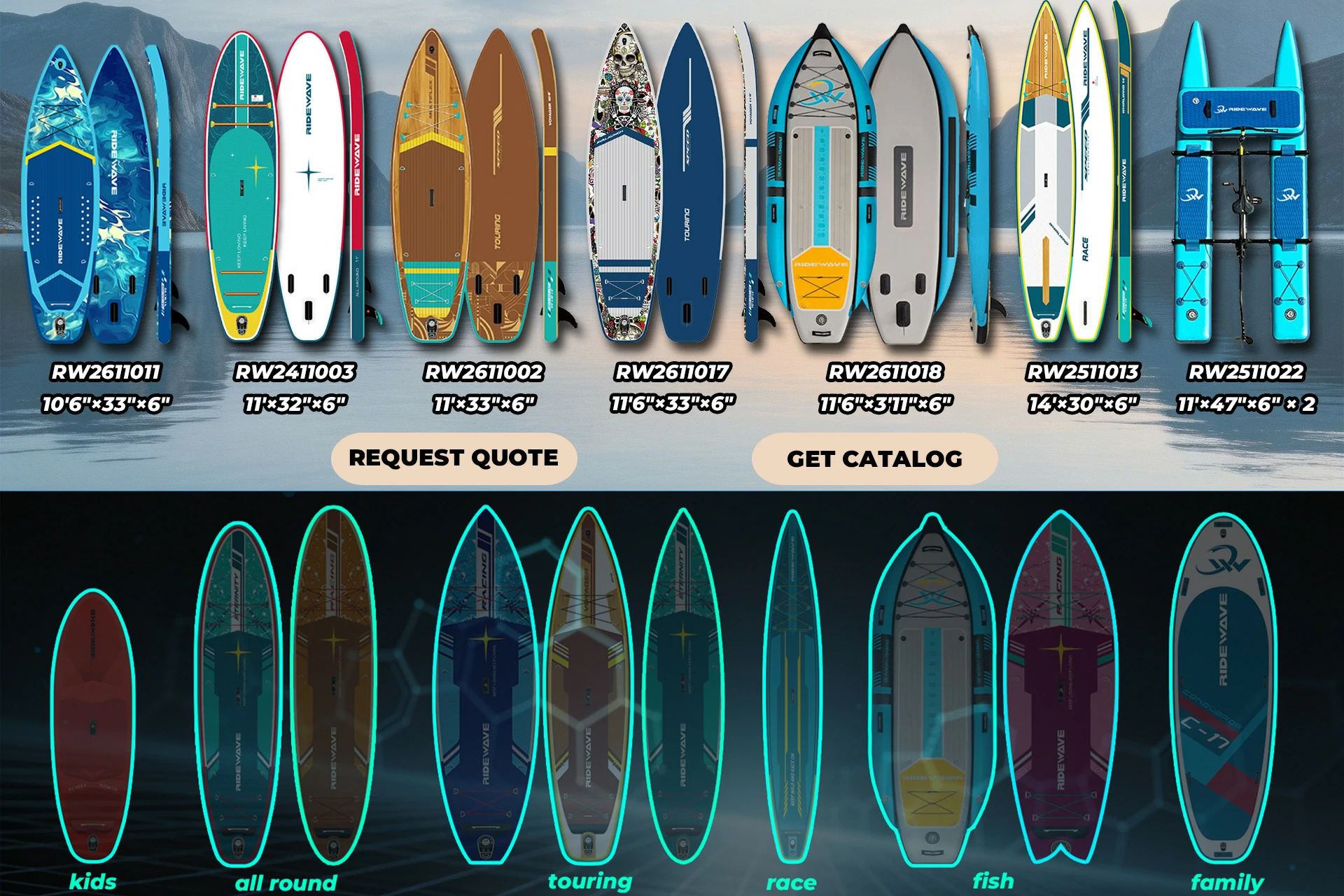



For Dutch SUP wholesalers, distributors and outdoor sports retailers expanding their water-sports portfolio, the highest profit margins do not come from mass-market entry-level all-around inflatable paddle boards that flood Amazon and big-box stores. Instead, niche touring SUP, fishing inflatable SUP, yoga fitness boards and hybrid inflatable SUP kayak combos consistently generate stronger gross margins, lower price competition and healthier inventory turnover for European B2B buyers. Many dealers overlook how product construction, private label customization, EU compliance rules and local Dutch water conditions change the real landed cost of each iSUP, even when two boards show similar FOB prices. As a seasoned inflatable SUP manufacturer, RIDEWAVE has worked with dozens of EU distributors to test SKU performance across Dutch inland canals, IJsselmeer open water and coastal spots, and we've learned that the most profitable lines balance reliable drop-stitch build quality, flexible MOQ and market-tailored accessories; much of this custom build knowledge is covered in How Custom Paddle Boards Are Made: From Design To Production. This guide breaks down real margin math, hidden import costs, high-performing inflatable SUP categories and practical scaling tactics for dealers across the Netherlands, broader EU, North America and Australia. We will separate marketing hype from actionable data so you can pick SUP SKUs that protect your margins instead of fighting endless price wars.
Which Inflatable SUP Types Deliver the Highest Profit Margins for Dutch Dealers in 2026?
Understanding the gap between advertised retail pricing and actual dealer profit starts with segmenting inflatable SUP models by use case. Not every iSUP category carries identical earning potential, and many Dutch SUP distributors mistakenly overstock entry-level all-around boards because they assume higher sales volume equals stronger net returns. Volume does not automatically translate to healthy margins when price competition from marketplace sellers and big-box retailers crushes your ability to hold stable pricing.
Four core inflatable paddle board categories dominate the Dutch water sports market: all-around, touring, fishing, and yoga/fitness SUP. Each comes with unique landed costs, target buyer groups, price ceilings, inventory risks and gross margin ranges for wholesale resellers.
Below table compares these categories side-by-side for Dutch B2B operators, you can copy directly into your website editor:
| SUP Category | Typical Retail Price (NL) | Estimated Gross Margin Range | Primary Dutch Sales Channel | Inventory Turnover | Key Weakness |
|---|---|---|---|---|---|
| All-Around Inflatable SUP | €249 – €349 | 32% – 40% | Mass market outdoor shops, online marketplaces | Fast | Severe price competition, Amazon sellers undercut constantly |
| Touring Inflatable SUP | €399 – €549 | 48% – 58% | Specialised water sports stores, rental operators | Moderate | Longer board size increases shipping and warehouse storage cost |
| Fishing Inflatable SUP | €449 – €629 | 52% – 63% | Angling retailers, niche outdoor dealers | Slow to moderate | Heavier board weight, larger packaging |
| Yoga & Fitness Inflatable SUP | €379 – €529 | 50% – 60% | Yoga studios, wellness retailers | Moderate |
Narrow customer demographic, seasonal demand swings |
RIDEWAVE's B2B sales data collected from European partners shows touring and fishing inflatable SUP consistently outperform entry-level all-around models on profit, even if monthly unit sales are lower. A smaller number of high-margin units often generates more total profit than moving large stacks of low-margin mass market boards. Many dealers also bundle upgraded accessories such as carbon paddles, waterproof dry bags and extra fins with premium SUP models to push average order value higher without heavy additional production expense.
How Do All-Around, Touring, Fishing, and Yoga Boards Compare on Real Dealer Margin?
On paper, the gross margin percentages for premium inflatable SUP categories look attractive, but B2B buyers must dig deeper than surface-level percentage numbers. Gross margin only tells part of the story; you also need to account for unit handling costs, seasonal demand swings, customer return rates and brand competition when evaluating which iSUP will actually put more profit on your bottom line. Many new SUP wholesalers fall into the trap of chasing high-volume all-around boards, only to discover thin margins shrink further once shipping, storage and after-sales repairs are factored in.

All-around inflatable paddle board models remain the highest-volume SKU in the Dutch market. These boards are lightweight, easy to transport and designed for casual use on canals and sheltered lakes. Their broad appeal makes them ideal for first-time buyers and rental businesses catering to tourists. The downside is saturation. Mass retailers and marketplace sellers flood the market with low-cost generic SUP alternatives, forcing dealers to repeatedly slash retail pricing to stay competitive. Returns are also higher here: new users often damage entry-level boards through improper inflation or careless handling. While unit sales numbers look impressive, net profit per board is minimal.
Touring inflatable SUP models are built for longer trips across open water like the IJsselmeer and Frisian lakes. Longer length, reinforced drop-stitch construction and directional fin setups deliver better tracking and stability in light wind. The customer base for touring boards consists of committed enthusiasts, not casual one-time buyers. These shoppers understand the difference between cheap generic boards and quality construction, so they are far less price-sensitive. They will pay extra for reliable build quality, and they rarely return the board because they already know how to use a stand-up paddle board. The tradeoff comes in logistics: longer boards take up more container space, increasing per-unit freight cost. Dealers who mix touring SKUs with smaller accessories inside a 20GP container can soften this expense and protect their margin.


Fishing inflatable SUP represents one of the strongest niche opportunities for Dutch SUP distributors. Anglers want stable platforms with built-in rod holders, gear storage mounts and reinforced deck areas. This group views their board as functional fishing equipment rather than disposable summer leisure gear. They prioritize durability over the lowest possible price point. Fishing iSUP buyers often add extra purchases: waterproof tackle bags, anchor systems, and seat attachments. RIDEWAVE has engineered fishing inflatable SUP designs with pre-mount points to eliminate costly factory rework for private label orders. This niche audience is loyal, and competition is much less intense than the all-around segment. The main limitation is slower turnover; you cannot move as many units in a short summer window compared to casual leisure boards.
Yoga and fitness inflatable SUP targets wellness studios and fitness-focused consumers. These boards feature wider decks, soft non-slip deck pads and extra thickness to maintain stability during movement. Dutch yoga studios in Amsterdam, Utrecht and coastal towns regularly purchase bulk SUP fleets for summer outdoor classes. Studio buyers tend to place repeat wholesale orders year after year, not just one-off summer buys. The biggest risk for yoga inflatable paddle board inventory is seasonality. Demand peaks between May and September, and sales drop sharply through cold autumn and winter months. Successful dealers pair yoga board stock with complementary wellness products to keep cash flow steady off-season.

When evaluating these categories side by side, the core takeaway is simple: volume does not equal profitability. Low-margin all-around boards sell fast but eat away profits with price wars and high return rates. Niche inflatable SUP lines sell fewer units, attract more knowledgeable buyers and preserve healthier net returns. For dealers building a portfolio, mixing a small stock of all-around entry boards with higher-margin touring, fishing or yoga SUP creates a balanced product mix that captures casual buyers while protecting overall profit.
Why Is Private Label Still a Stronger Margin Play Than Reselling Big Brands in the Netherlands?
Many established SUP distributors in the Netherlands face a fundamental strategic decision: continue reselling internationally famous water sports brands, or partner with an inflatable SUP manufacturer to build their own private label range. On the surface, big brand resale appears less risky. You get ready-made marketing assets, brand recognition and established product specs without designing boards from scratch. Yet the locked-in wholesale pricing, strict MAP (minimum advertised price) policies and limited customization options steadily compress long-term profit potential for Dutch dealers.
Private label inflatable SUP changes this equation. When you work directly with a factory like RIDEWAVE, you control your branding, packaging, colourways and accessory bundles. You avoid rigid MAP restrictions imposed by global brands, so you retain full authority over retail pricing and promotional planning for your local Dutch market. The biggest advantage is gross margin. Reselling well-known mainstream SUP brands typically yields 35% to 42% gross margin, while properly executed private label iSUP can deliver 55% to 65% gross margin before deducting logistics and compliance expenses.
That higher margin does not come without tradeoffs. Private label requires larger minimum order quantities, upfront investment for custom artwork and labelling, and you take ownership of EU compliance documentation, including GPSD, REACH and CE marking. These responsibilities add work and risk, especially for first-time private label buyers. Many new dealers underestimate compliance overhead, which can quickly eat into expected profits if not planned properly. Hybrid models are also available: stock a small selection of well-known branded boards for customer trust, while building your own private label inflatable paddle board line to capture higher margin sales.

The table below compares three common business models for Dutch SUP wholesalers. Copy directly to your website CMS:
| Business Model | Typical Gross Margin | MOQ Expectation | Compliance Responsibility | Core Advantage | Main Risk |
|---|---|---|---|---|---|
| Resell Global Big SUP Brands | 35% – 42% | Low, flexible | Brand owner | Instant brand recognition, ready marketing materials | Strict MAP rules, capped profit, no customisation |
| Private Label Inflatable SUP | 55% – 65% | Medium-High | Dealer / Importer | Full pricing control, unique product identity | Upfront artwork & certification costs, inventory risk |
| Hybrid Mixed Portfolio | 42% – 54% | Mixed | Shared | Balance brand trust and high margin SKUs | More complex inventory planning |
RIDEWAVE's B2B team regularly guides Dutch dealers through this transition. We reduce the barrier to entry by offering semi-custom private label packages, where dealers can add their logo and custom deck pad prints without paying for expensive new mould development. This approach keeps MOQ manageable while still letting retailers differentiate their inflatable SUP products from generic marketplace boards. If you want to understand the physical production workflow behind these custom builds, revisit How Custom Paddle Boards Are Made: From Design To Production.
The critical takeaway for Dutch buyers is simple: branded resale is safer for market entry, but it cannot deliver the profit growth available with private label. Private label works best for dealers who already understand their local audience and can commit to medium-term inventory planning. For new market entrants, a hybrid strategy is often the smartest first step.
What Does a €399 Retail SUP Actually Net a Dutch Importer After Shipping, Tariffs, and CE?
Many Dutch SUP wholesalers select products based purely on FOB price listed by the inflatable SUP manufacturer. This shortcut creates major blind spots, because FOB cost only covers manufacturing and loading at the factory port. Once you add sea freight, EU import tariffs, customs clearance, local warehousing, compliance fees and expected product returns, the final landed cost changes dramatically. To show this clearly, we will break down a typical premium inflatable SUP with a €399 recommended retail price sold in the Netherlands, and calculate how much profit remains for the importer.
This example uses a mid-range touring iSUP, one of the most popular high-margin SKUs for Dutch dealers. The calculation uses realistic 2026 rates for sea freight from Asia to Rotterdam, EU import duties, GPSD administrative work and Dutch last-mile logistics. Keep in mind these numbers are industry averages; exact figures shift with container rates, currency fluctuations and certification requirements.
The table below shows the full price waterfall for a €399 retail inflatable paddle board. Copy directly to your website:
| Cost Item | Value | Notes |
|---|---|---|
| Recommended Retail Price (NL) | €399 | Selling price to end consumer |
| Wholesale selling price (Dealer → Retail Shop) | €220 | Dealer's revenue per unit |
| FOB factory price | €112 | RIDEWAVE factory cost for this touring inflatable SUP |
| Sea freight + Rotterdam customs clearance, per unit | €22 | Based on 20GP full container load |
| EU import tariff (6.7%) | €7.50 | Applied to CIF value |
| CE, GPSD & REACH compliance allocation per board | €6 | Annual certification cost spread across total order volume |
| Netherlands local warehousing & handling | €9 | Storage, picking and packaging |
| Provision for returns & warranty repairs | €8 | Average return rate for touring SUP in Benelux |
| Total Landed & Operating Cost per unit | €164.50 | Sum of all above costs |
| Net Profit for Importer per unit | €55.50 | Before tax, marketing and admin overhead |
This breakdown reveals a common misconception: a €399 retail board does not mean huge earnings for the importer. If the dealer chooses a cheaper all-around inflatable SUP with a €299 retail price, the net profit per unit can drop to €20 or less. The low-cost board still carries nearly identical fixed compliance, customs and warehousing expenses. Fixed costs eat up a much larger share of revenue when retail price is low, which explains why premium niche SUP lines deliver better bottom-line results.
A critical point for B2B buyers is container utilisation. When you fill empty container space with lightweight accessories such as leashes, fins, repair kits and dry bags, you spread the per-unit freight cost across more SKUs. RIDEWAVE often advises Dutch partners to mix accessories inside the same container with inflatable SUP boards to optimise container space and reduce per-unit landed cost. Before locking in any factory order, buyers need to audit all hidden fees, not just compare FOB quotations. A great resource for this due diligence checklist is 10 Questions Every B2B Buyer Should Ask Before Placing An Inflatable SUP Factory Order.
It is also wise to build a small contingency budget for currency exchange risk. EUR/CNY volatility can shift your landed cost by several euros per board over the course of a large container order. Successful Dutch SUP distributors build this variable into their pricing model instead of treating it as an afterthought.
How Do Dutch Water Conditions Shape Which SUP Categories Actually Sell?
Many SUP wholesalers select inflatable SUP inventory based purely on global bestseller lists, ignoring the simple truth: local waterways determine what end customers will buy and use. The Netherlands is not a single uniform body of water. From narrow urban canals to the wide, choppy IJsselmeer, shallow Frisian lakes and exposed Wadden Sea coastlines, each water environment creates distinct demand for iSUP shapes, thicknesses and features. Dealers who align their inflatable paddle board SKU selection with regional water conditions reduce return rates, improve customer satisfaction and protect their profit margins.
Urban canal networks, concentrated in Amsterdam, Leiden and Utrecht, are the most accessible water spots for casual Dutch users. These channels are narrow, relatively calm, shallow and crowded with boats, swimmers and other paddle users. For these locations, compact, lightweight all-around inflatable SUP remains the entry-level staple. Shorter board lengths (10' – 11') are easier to manoeuvre around bridges and tight bends. However, casual canal paddlers rarely upgrade to premium models, and they are highly price-sensitive. This is why all-around boards generate high sales volume but low net profit, as we covered in earlier sections.
The IJsselmeer and Frisian inland lakes represent the primary market for touring inflatable SUP. This large freshwater body can develop unexpected wind chop, even on sunny days. Paddlers here want boards that track straight and maintain stability in variable wind conditions. Longer 12'6" and 14' touring iSUP with reinforced drop-stitch construction handle these conditions far better than short all-around boards. Enthusiasts who target these waters tend to plan longer day trips, carry gear and invest in higher-quality equipment. They are willing to pay for durable inflatable SUP built for open water, and they form the core customer group for Dutch specialist water sports retailers.
Coastal zones in Zeeland and the Wadden Sea bring a separate set of challenges. Tidal shifts, stronger wind and rougher surf rule out many lightweight entry-level boards. Some customers here opt for small surf SUP, but a more consistent high-margin opportunity is fishing inflatable SUP. Dutch shore anglers use stable, wide fishing iSUP to access shallow tidal flats unreachable by regular boats. They need reinforced deck areas, built-in mount points for rod holders and anchor systems, and high load capacity. RIDEWAVE's fishing inflatable SUP models are designed with these tidal flat requirements in mind, with extra reinforced rail sections to resist abrasion from sand and shell fragments.

Yoga inflatable SUP demand clusters around sheltered lakes and quiet bays, typically used during summer morning sessions. Dutch yoga studios prefer wide, thick boards that minimise wobble while users transition through poses. These boards are not designed for wind or choppy water. Dealers stocking yoga SUP should market them to wellness operators for use only on protected water, otherwise they face higher return rates when customers take them out into unsuitable conditions.
The big lesson for Dutch SUP distributors is to avoid one-size-fits-all inventory planning. A portfolio mixing compact all-around boards for city canals, sturdy touring boards for IJsselmeer, heavy-duty fishing iSUP for tidal coasts and stable yoga boards for sheltered lakes matches real local usage patterns. This tailored selection lets dealers serve multiple customer groups without fighting price wars on only entry-level inflatable paddle board SKUs.
What Hidden Costs Silently Erode Inflatable SUP Margins for EU Importers?
Most SUP wholesalers calculate profit based only on FOB price and projected retail revenue, yet a long list of hidden costs quietly eat away the margin of inflatable SUP imports into the EU. These expenses are rarely shown on factory quotations, and they can turn a seemingly profitable iSUP order into a barely break-even project if not budgeted for in advance. Many new SUP distributors only discover these costs after the container arrives at the port, leaving little room to adjust pricing or protect their bottom line.

Some hidden costs are tied directly to product quality. Low-grade PVC and poorly bonded drop-stitch seams push up warranty claims and replacement rates. Valves, fins and fin boxes are the most common failure points on budget inflatable paddle board models. Even small defect rates add up when you import hundreds of boards in one container. A 2% warranty replacement rate may sound trivial, but each replacement includes shipping, labour and customer service overhead that directly cuts into net profit.
Other costs stem from EU regulatory obligations. GPSD enforcement has grown stricter across the Netherlands and Benelux since 2024. Importers must appoint a responsible EU person, maintain technical files, carry out risk assessments and manage product recall protocols. Many dealers underestimate the annual administrative fees for this compliance package. REACH chemical testing for PVC materials also needs periodic renewal, and these lab fees cannot be skipped. Failing to maintain complete documentation can lead to customs seizure, fines or forced product withdrawal - a catastrophic risk for small and mid-sized SUP importers.
Logistics and after-sales also hold hidden expenses. Local warehousing has handling fees for receiving, inspection and repackaging. Seasonal storage surcharges apply when inventory sits idle over the winter months. Cross-border returns are expensive for EU dealers, especially when customers send back bulky inflatable SUP boards. Some dealers overlook the cost of spare parts inventory: replacement valves, fin screws and repair kits you must keep on hand for warranty support. Currency fluctuation between EUR and CNY acts as another silent drain; exchange movement can shift landed cost by several euros per unit over a long lead time.
The checklist table below summarises these hidden costs, their typical impact, and actionable mitigation tactics for Dutch SUP wholesalers. Copy directly to your website CMS:
| Hidden Cost Category | Typical % of CIF Value | Description | Practical Mitigation Strategy |
|---|---|---|---|
| Warranty & spare parts reserve | 2% – 4% | Valve, seam and fin box failures, replacement shipping | Select premium drop-stitch construction; negotiate spare parts allowance with your inflatable SUP manufacturer |
| EU GPSD / REACH compliance & EU Rep fees | 1.5% – 3% | Technical file maintenance, risk assessment, responsible EU person | Partner with a factory with pre-prepared compliance documentation like RIDEWAVE |
| Warehouse seasonal & handling surcharges | 2% – 3.5% | Receiving, inspection, winter storage fees | Optimise order timing; avoid holding large inventory through off-season |
| Cross-border return logistics | 1% – 3% | Return transport for bulky damaged inflatable paddle board | Add clear return policy for end users; inspect goods before container departs factory |
| Currency exchange fluctuation | 1% – 2.5% | EUR/CNY volatility during production and shipping lead time | Build exchange buffer into your pricing model; use partial forward contracts |
| Customs inspection & administrative fees | 0.5% – 1.5% | Random port inspection, document review charges | Ensure full, accurate HS coding and complete test reports |
RIDEWAVE works with EU buyers to reduce these hidden burdens upfront. We provide full test reports, pre-built technical file templates and standardised product labelling ready for EU market entry. This reduces the amount of third-party compliance work our partners need to arrange independently. It does not eliminate compliance obligations for the importer, but it removes much of the guesswork and extra lab expense that comes with sourcing from less organised factories.
The core lesson here is straightforward: when comparing quotations from different suppliers, never judge offers by FOB price alone. Always model all hidden, ongoing costs into your landed cost calculation. A slightly higher FOB price from a reliable inflatable SUP manufacturer can deliver a better net margin than a cheap quote that comes with high defect rates and missing compliance paperwork.
Why Are Inflatable Kayak Hybrids and Ice Baths Outperforming Traditional SUPs on Margin?
Most SUP wholesalers focus their entire product portfolio around inflatable SUP, yet the European outdoor wellness market has expanded rapidly into complementary inflatable categories. Inflatable SUP kayak hybrid boards and portable ice baths now deliver stronger gross margins and lower marketplace competition compared to many standard iSUP lines. For Dutch SUP distributors, adding these complementary inflatable products creates an opportunity to diversify revenue streams, use existing container space and serve existing retail customers without building a completely separate supply chain.

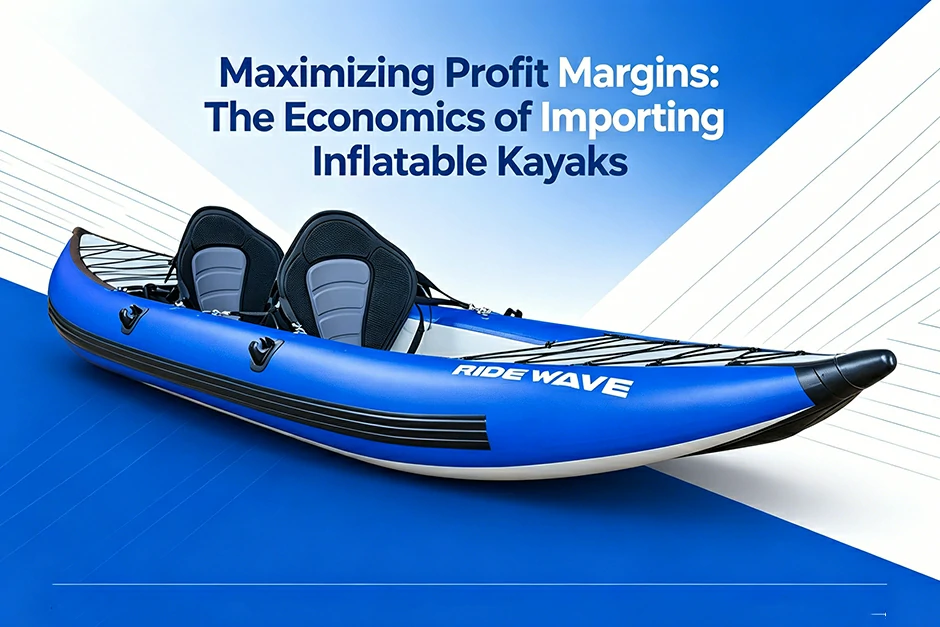
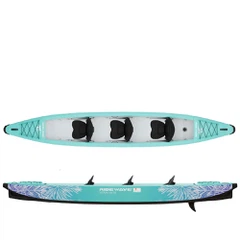
Inflatable SUP kayak hybrid units are dual-purpose boards that convert between a stand-up paddle board and a seated kayak with the addition of a removable seat. This multi-functional design resonates strongly with Dutch families and casual groups who want flexible water sports gear. One product can satisfy multiple use cases, reducing the need for consumers to buy both a separate inflatable paddle board and a kayak. The multi-use feature creates a clear selling point that generic single-purpose SUP listings on Amazon cannot easily copy. Customers perceive higher value, so they accept higher retail price points. These hybrid SKUs also share many raw materials and production processes with standard inflatable SUP, so factories like RIDEWAVE can produce them with minimal extra tooling cost. Dealers can ship hybrid boards in the same container alongside regular iSUP, sharing freight and compliance overhead.
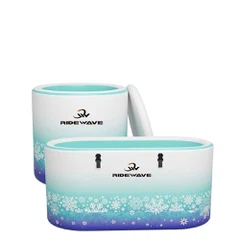
Portable ice baths represent another high-margin adjacent category, growing fast across the Netherlands and wider EU. Wellness consumers, fitness athletes and physical therapy users are the core buyers. Unlike seasonal water sports gear used only in summer, ice bath demand runs steadily through autumn, winter and early spring. This off-season revenue is incredibly valuable for SUP wholesalers, whose cash flow usually contracts once summer ends. The competition for portable ice baths is far less saturated than entry-level inflatable SUP, and end customers are less sensitive to price. Buyers prioritise material thickness, airtight seams and insulation performance over the lowest possible price. While ice baths use heavy-duty PVC and extra insulation layers, they can be combined with inflatable SUP orders in shared container shipments to optimise logistics cost.
There are important tradeoffs to understand before adding these products to your inventory. Hybrid inflatable SUP kayak models are heavier and bulkier than standard all-around iSUP, which increases per-unit storage space. Ice baths require more rigorous quality inspection for airtightness and thermal performance; a leaking ice bath carries a much higher customer dissatisfaction risk than a leaking paddle board. The buyer persona is also different. You cannot market ice baths using the same water-sports messaging you use for inflatable paddle board. Dealers need to adjust product descriptions and sales messaging to target fitness recovery and wellness audiences.
RIDEWAVE's B2B data from Benelux partners shows a clear trend: established SUP distributors who add one or both of these inflatable lines stabilise annual cash flow and lift overall portfolio gross margin. These items do not replace core inflatable SUP SKUs; they work as complementary add-ons that maximise your existing factory relationship, container capacity and retail customer base.
Case Study: A Dutch SUP Distributor's Private Label Success Story with RIDEWAVE
Raw margin numbers and product theory only go so far. Real-world inflatable SUP B2B strategy comes alive through practical dealer case studies, which show how a Dutch SUP distributor shifted their inventory mix and partnered with an inflatable SUP manufacturer to escape cut-throat all-around board price wars. This example is based on one of RIDEWAVE's long-term Benelux partners; names and exact order volumes have been anonymised to protect client confidentiality.
Before working with RIDEWAVE, this Dutch water sports retailer and wholesaler stocked mostly entry-level all-around inflatable paddle board models from generic Asian suppliers. Their product range looked good on spreadsheets, with high unit sales volume every summer. However, profit per board was thin, returns were frequent, and competing Amazon sellers kept undercutting their advertised prices. Their product portfolio was fully seasonal, and cash flow dried up completely between October and April. The company had considered adding premium iSUP lines, but they were concerned about high MOQ, complicated EU compliance paperwork and the risk of slow-moving inventory.
The distributor worked with RIDEWAVE's B2B team to build a phased private label rollout. Instead of replacing all existing inventory at once, they started small: one touring inflatable SUP SKU plus one fishing inflatable SUP SKU, with semi-custom branding. Semi-customisation meant they printed their own logo and custom deck pad graphics on our existing drop-stitch board moulds. No expensive new tooling was required, so the MOQ stayed manageable. RIDEWAVE supplied pre-organised test reports, labelling guidelines and technical file templates to support GPSD and REACH compliance, removing one of their biggest worries.
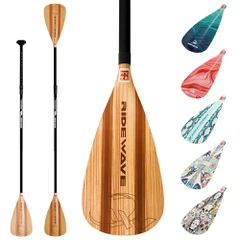
The dealer also used container space efficiently. They filled the leftover space inside their 20GP container with matching accessories: carbon paddles, ankle leashes, waterproof dry bags and repair kits. These add-ons increased average order value for their retail customers while spreading fixed sea freight costs across more items. Within the first sales season, the two new private label inflatable SUP SKUs accounted for only 32% of total units sold, yet delivered more than 60% of the total gross profit.
They also added a small selection of inflatable SUP kayak hybrid boards in the second year. This complementary product helped smooth out seasonal cash flow issues and attracted family-focused buyers. The hybrid line did not sell as many pieces as the all-around iSUP, but its profit margin was significantly higher. The distributor stopped relying entirely on summer-only leisure sales and began building a loyal customer base of open-water paddlers and shore anglers.

There were hurdles along the way. Their first batch of fishing inflatable SUP sold slower in the first two months than projected. Instead of discounting heavily, they adjusted their marketing messaging to highlight the reinforced rails, pre-installed mount points and tidal flat suitability for Dutch coastal angling. Sales picked up steadily after they refocused messaging on the local use case. This experience reinforced a core principle: niche SUP products require targeted marketing, not mass-market promotion.
For Dutch SUP wholesalers considering private label, this case study delivers a clear takeaway. You do not need to overhaul your entire product catalogue overnight. A gradual, phased rollout of high-margin inflatable SUP SKUs, paired with support from a factory that understands EU compliance, can reduce price competition, boost overall profit and stabilise seasonal cash flow.
Final Takeaways: Build Your Balanced Inflatable SUP Portfolio For Long-Term Margin Protection
For Dutch SUP wholesalers and SUP distributors, the biggest lesson from this guide is simple: sustainable profit in the inflatable SUP market does not come from chasing the highest-volume entry-level inflatable paddle board. Marketplace saturation, price wars and fixed import costs inevitably crush net returns on low-cost all-around iSUP. Long-term profitability comes from intentional portfolio planning, matching SKUs to local Dutch water conditions, and leveraging private label and complementary inflatable products to reduce competitive pressure.
Start with a realistic product mix. Keep a limited stock of all-around inflatable SUP to capture casual first-time buyers and rental operators. These boards act as your entry point into the market and support foot traffic for your retail partners. But cap the share of all-around models in your total inventory. Prioritise higher-margin touring, fishing and yoga SUP for enthusiast, angler and wellness customer segments. These buyers are less price-sensitive, generate fewer returns and create stronger customer loyalty. Adding inflatable SUP kayak hybrid boards and portable ice baths is an optional but powerful strategy to fill container space, offset summer seasonality and boost annual cash flow.
Select your inflatable SUP manufacturer carefully. Price should never be your only decision metric. Verify quality control protocols, seam construction, valve testing, and whether the factory can provide complete EU compliance documentation including CE, GPSD and REACH supporting files. Factories like RIDEWAVE reduce your administrative burden by supplying pre-prepared technical file templates, clear labelling standards and semi-custom private label options with reasonable MOQ. A reliable supplier cuts down warranty claims, product seizures and unexpected hidden costs that can erase your margin.
Model your full landed cost before committing to any order. Many B2B buyers only compare FOB pricing, forgetting sea freight, customs duties, compliance fees, warehousing, warranty reserves and currency exchange risk. Use the price waterfall and hidden cost checklist we shared earlier to calculate true net profit per unit. A board with a seemingly attractive low FOB price can become unprofitable once all indirect expenses are included.
Tailor your marketing and sales messaging to Dutch local water environments. Promote touring inflatable SUP for IJsselmeer and Frisian lake trips. Position fishing iSUP for tidal flat angling on the Wadden Sea and Zeeland coast. Market yoga inflatable paddle board for calm, sheltered lakes and bays. When customers understand the intended use case for each board, return rates drop dramatically and perceived product value rises. Avoid generic one-size-fits-all product descriptions that fail to connect with Dutch end users.
Private label is not mandatory, but it is one of the most effective tools to protect your margin over time. If you are new to private label, adopt a phased rollout rather than a full inventory reset. Start with semi-custom branding on existing moulds, test market response with one or two high-margin SKUs, then expand slowly as sales data confirms demand. The hybrid business model - mixing a small selection of well-known branded products alongside your own private label inflatable SUP - is often the safest starting point for first-time OEM buyers.

Constantly monitor inventory performance. Track turnover rate, return rate, gross margin and net profit for every SKU. Cut slow-moving low-margin products that drain warehouse space and cash. Double down on niche SUP and complementary inflatable items that consistently deliver healthy net returns. Inventory management is not a one-time task; successful Dutch dealers review their portfolio season after season and adjust ordering plans based on real end-user feedback.
The market for inflatable SUP in the Netherlands will continue to grow, but competition on mass-market entry boards will only intensify. Dealers who build a balanced, locally optimised portfolio will separate themselves from commodity sellers. Instead of fighting for tiny margins on marketplace all-around boards, you can serve passionate niche customers, maintain stable pricing and build a resilient inflatable product business that delivers reliable profits year after year.
Related Articles
|
Low MOQ Paddle Board Manufacturers For Small Brands How Custom Paddle Boards Are Made: From Design To Production |