

For Polish and broader European inflatable SUP importers, distributors, and sports gear wholesalers, 2026 has become an increasingly complex year for cross-border sourcing. Tightened EU consumer product compliance standards, fluctuating international shipping costs, and saturated low-end inflatable stand up paddle board markets have turned many traditional low-price sourcing strategies into costly business traps.
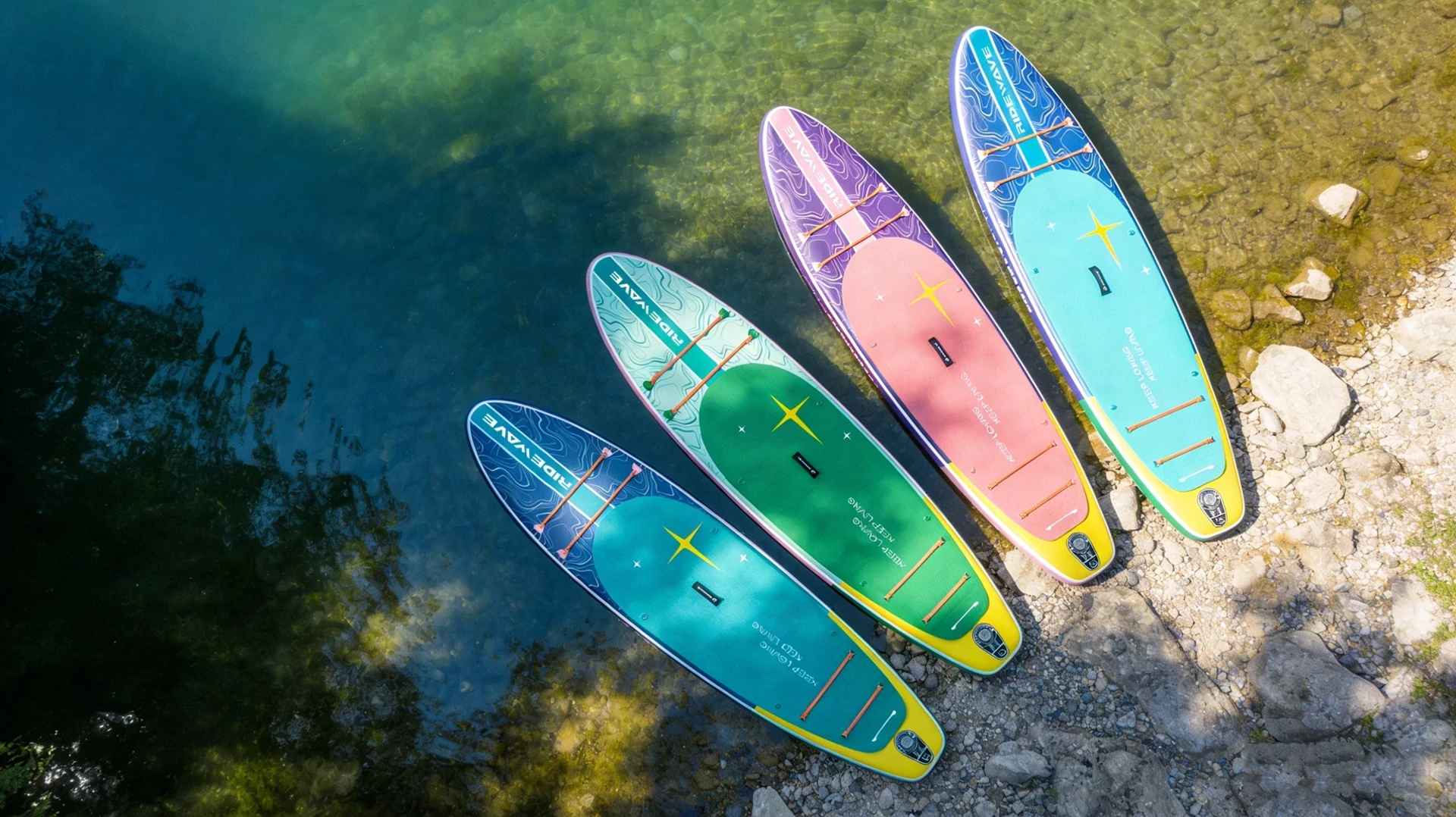
Most B2B buyers prioritize fast inventory turnover and higher profit margins, so they tend to chase ultra-low factory quotes and ignore hidden flaws in material quality, batch consistency, and EU-standard certification-a common mistake that leads to customs detention, massive after-sales returns, damaged dealer reputation, and shrinking long-term profits. Many sourcing failures stem from a lack of transparent understanding of industrial production standards, which is why reviewing the full manufacturing workflow through How Custom Paddle Boards Are Made: From Design To Production helps B2B buyers distinguish genuine premium commercial-grade inflatable SUP products from cut-corner generic goods. As a professional inflatable SUP manufacturer with years of stable cooperation with European local distributors, RIDEWAVE has summarized the most frequent and costly sourcing mistakes for Polish importers, combining 2026 EU import policies, local water sports market trends, and real B2B order cases. This guide delivers actionable, field-tested avoidance solutions to help global SUP wholesalers and new sports gear brand developers optimize their supply chains, eliminate sourcing risks, and build sustainable profitable inflatable SUP product lines for European, American, Australian, and Canadian markets.
What Are the Most Common Sourcing Mistakes Polish Inflatable SUP Importers Make in 2026?
Many Polish inflatable SUP importers rush into bulk orders without mapping out full supply chain risks, and these avoidable sourcing errors often eat into profit margins long before products reach retail shelves. The most pervasive error is prioritizing unit price above all other factors. New wholesalers and expanding sports gear brands frequently compare quotes only, picking the cheapest inflatable stand up paddle board batches without auditing raw material specifications, factory batch testing procedures, or EU compliance documentation.
A second widespread mistake is underestimating Polish customs and market surveillance requirements. Even if cargo clears border checks, post-market audits can trigger product recalls or fines if commercial-grade inflatable SUP units fail REACH or consumer safety standards. Third, buyers often overlook batch consistency, assuming prototype quality will match mass production. Factories may use premium materials for samples then switch to thinner, cheaper PVC for full container loads. Fourth, many importers ignore after-sales support from their inflatable SUP manufacturer.
Low-tier suppliers refuse to cover defect rates above a tiny threshold, leaving distributors to absorb all return costs and handle complaints from local retailers. Last, buyers fail to align product designs with Polish regional water conditions; boards built for tropical waters struggle on cold lakes and Baltic coastal waters, leading to poor customer reviews and slow inventory turnover. These five mistakes do not exist in isolation, and one poor decision can compound the others to sink an entire season's SUP product line.
| Sourcing Mistake | Practical Risk for Polish Importers | Core Root Cause | Quick Mitigation Step |
|---|---|---|---|
| Chasing lowest unit price blindly | High defect rate, unexpected return expenses | Short-term profit focus, incomplete supplier vetting | Request full material test reports before quote finalization |
| Ignoring EU/Poland market surveillance rules | Fines, product recall, brand ban | Only checking customs clearance, ignoring post-entry audits | Confirm REACH, CE documentation for every batch |
| Sample quality differs from bulk goods | Retail complaints, damaged distributor reputation | Factory switches raw materials for mass orders | Mandate third-party pre-shipment inspection |
| No formal after-sales agreement with factory | Distributor bears all defective goods cost | Oral promises instead of written contracts | Add defect allowance clause into purchase contract |
| Poor fit between SUP design and local water environment | Slow sales, excess inventory | Copying generic overseas styles without regional research | Work with manufacturer to tune board specs for local waters |
How Do EU & Polish Import Compliance Rules Impact Inflatable SUP Bulk Sourcing?
For B2B inflatable SUP distributors and new sports gear importers entering the Polish and broader EU market in 2026, compliance is no longer an optional extra-it has become the primary threshold for profitable wholesale operations.
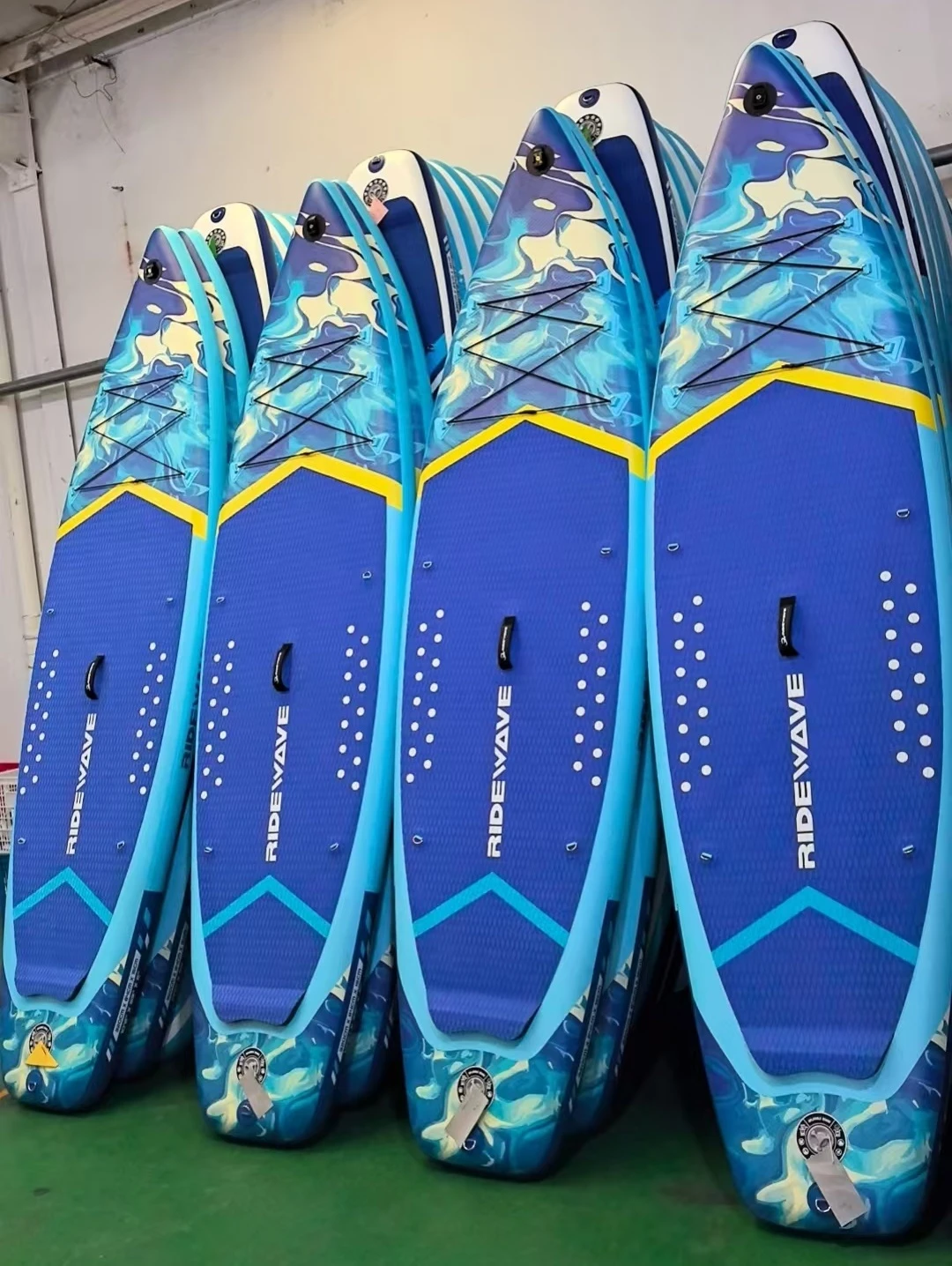
Many overseas suppliers focus only on providing basic CE certificates, but Polish customs and EU market supervision agencies have upgraded post-entry inspection standards for inflatable stand up paddle board consumer goods in the past two years. Unlike traditional random border checks, EU authorities now conduct systematic batch sampling, material composition testing, and safety structure verification on bulk imported water sports equipment.
Importers who source generic low-cost SUP products often face two fatal compliance risks that completely destroy their profit plans:
Outdated or incomplete certification files that cannot pass EU REACH material toxicity audits
Unmarked product specifications, missing warning labels, or non-standard air valve structure that violate EU consumer safety regulations
Even if low-priced commercial-grade inflatable SUP shipments successfully clear customs, local market law enforcement teams can issue fines, force offline shelf removal, or order full-product recalls at any time. For small and medium-sized European distributors, a single recall incident is enough to cause capital chain breakdown and long-term brand credit damage.
To avoid compliance blind spots in bulk orders, professional buyers always learn standardized production and certification logic from mature manufacturing processes. Reviewing How Custom Paddle Boards Are Made: From Design To Production allows importers to understand which production links determine EU compliance qualifications, rather than simply relying on factory verbal guarantees.
As a long-term EU-focused inflatable SUP manufacturer, RIDEWAVE has kept real-time synchronization with Polish and EU import policy updates since 2024. The brand's standardized production and full-batch document management system is designed specifically for high-standard European market supervision, helping B2B clients eliminate compliance detention risks fundamentally.
Why Do Low-Cost Inflatable SUP Orders Cause Profit Losses for B2B Distributors?
Most new European and Polish inflatable SUP distributors fall into a classic B2B sourcing trap: prioritizing low unit prices to win local market share, without calculating long-term operational and after-sales costs.
On paper, low-cost inflatable stand up paddle board inventory delivers higher gross profit margins per unit, seemingly allowing distributors to compete with mainstream market pricing and attract budget retailers. In actual European and Polish market operations, cheap generic SUP products steadily erode overall profitability through hidden recurring costs that most buyers ignore during the quotation stage.
The biggest profit killer for low-bulk commercial-grade inflatable SUP orders is abnormally high after-sales failure rates. Cutting-corner factories reduce production costs by using thin recycled PVC, low-grade glue, untested air valves, and simplified thermal bonding processes. These material and process compromises create common product defects: slow air leakage, deck peeling, rail deformation, and seam bursting.
For Polish B2B sellers, after-sales issues do not merely equal negative reviews - they equal measurable financial losses.
Retail partners refuse repeat orders due to unstable product quality
Distributors bear freight costs for returns, replacements, and customer compensation
Local store reputation declines, resulting in long-term offline channel shrinkage
Many buyers mistakenly believe minor defects are acceptable trade-offs for cheaper pricing. However, European consumer protection laws require merchants to provide free repairs, replacements, or refunds for defective products within valid warranty periods. This legal rule turns "small quality issues" into uncontrollable operational expenses throughout the sales cycle.
Another hidden loss comes from inconsistent batch quality. Budget factories frequently adjust raw material suppliers to cut costs, leading to different hardness, thickness, weight, and color tones between production batches. When retailers receive inconsistent inflatable SUP stock, shelf display uniformity breaks, online review consistency collapses, and brand credibility drops sharply.
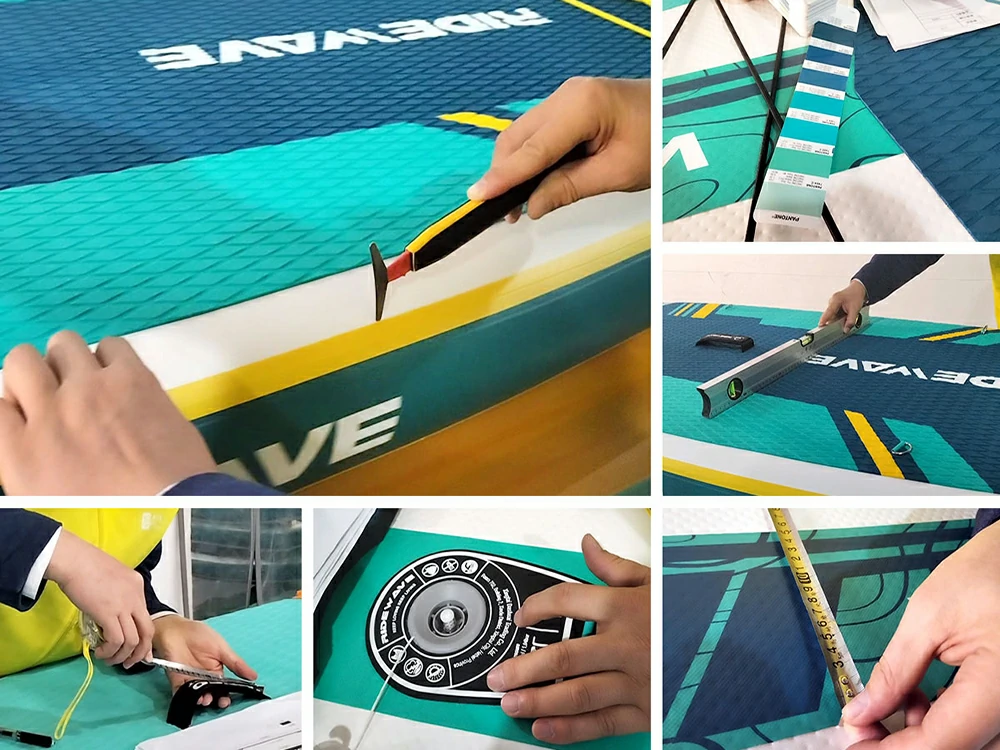
To build profitable, resalable SUP product lines instead of one-time low-margin stock, B2B buyers must focus on market-oriented product development. Learning professional industry logic from How To Design A Paddle Board That Sells helps distributors understand why stable quality and market-adapted design always outperform ultra-low pricing in long-term profit accumulation.
As an experienced inflatable SUP manufacturer serving Polish and EU distributors, RIDEWAVE consistently emphasizes cost-effective stability rather than extreme low pricing in B2B cooperation. Many of our long-term European clients switched from ultra-cheap suppliers precisely to eliminate uncontrollable after-sales losses and stabilize annual revenue growth.
| Hidden Cost Source | Specific Impact on Polish B2B Distributors | Estimated Profit Loss Rate | Long-Term Business Consequence |
|---|---|---|---|
| High after-sales defect rate | Return freight, customer compensation, repeated labor costs | 8%–15% per order | Reduced repeat wholesale orders |
| Unstable batch quality | Inconsistent shelf display, poor customer review uniformity | 5%–10% annual revenue loss | Diluted brand market credibility |
| Frequent product complaints | Retail partner dissatisfaction & channel replacement | 10%+ channel churn risk | Shrunken local distribution network |
| Non-compliant low-cost materials | Customs fines, market recall risks | 20%+ one-time order loss | Temporary or permanent market ban |
How Can Importers Avoid Quality Inconsistency in Mass Inflatable SUP Shipments?
For B2B wholesalers stocking inflatable SUP for Polish and European retail networks, consistent quality across every full container load is one of the most underrated factors that determines long-term channel loyalty.
Sample testing often creates a false sense of security. A well-made prototype inflatable stand up paddle board can pass all pressure and durability checks, yet mass-produced units may deviate in PVC thickness, rail height, deck traction texture, seam strength and overall weight. This mismatch is not always intentional cheating. Some factories lack standardized workflow tracking, training for assembly workers and finished goods sampling protocols. Small variations compound across thousands of boards and turn into complaints from retailers and end customers.
There are four practical control points buyers can enforce before confirming mass production, to lock in stable quality for commercial-grade inflatable SUP orders.
Lock raw material specifications in the signed contract, including PVC thickness, fabric tensile strength and material batch test reports. Require the factory to use the exact same raw material batch approved for the pre-production sample.
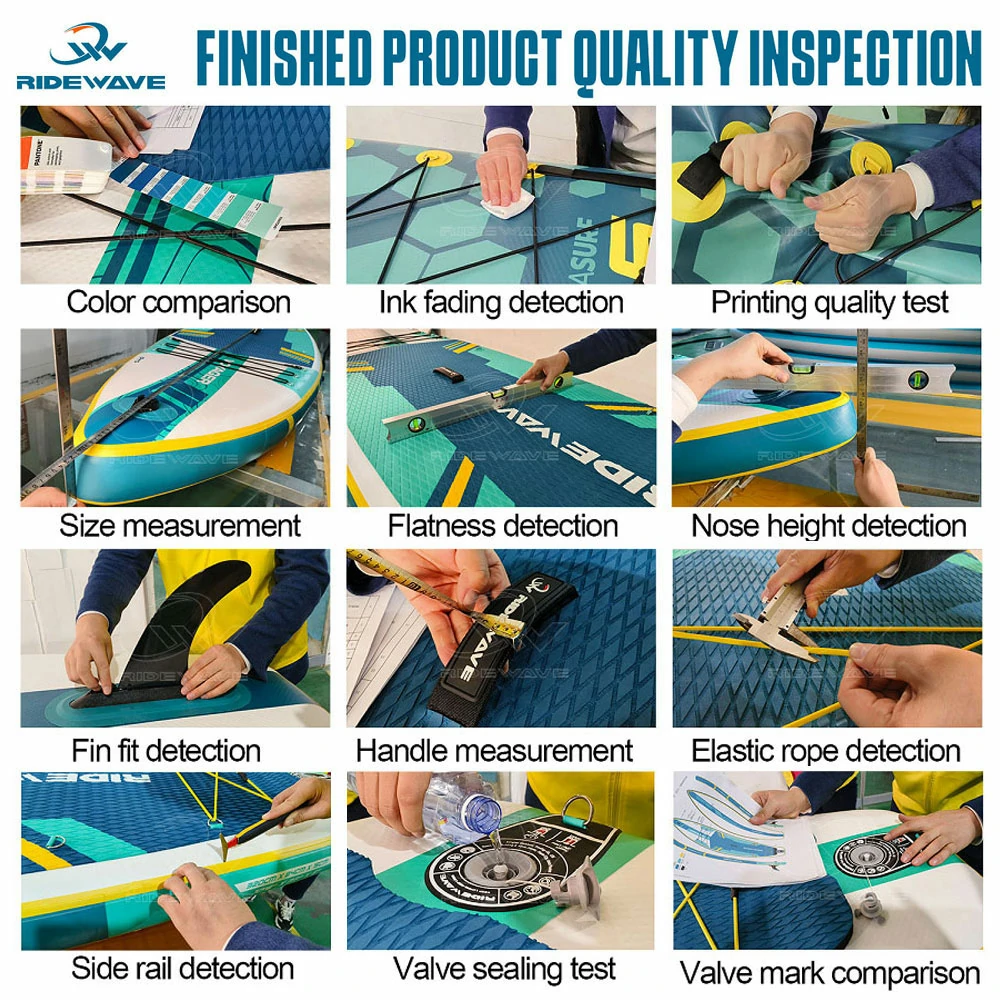
Define clear sampling rules for in-line inspection and pre-shipment QC. Specify how many units will be randomly selected for air retention, load bearing and seam burst testing.
Schedule a pre-production meeting with the factory's production and QC teams before manufacturing starts. Confirm color codes, logo printing tolerance and accessory matching standards in writing.
Book third-party independent inspection at the factory site before container loading. The inspector verifies dimensions, appearance and performance, and flags non-conforming batches before cargo departs.
Many buyers skip these steps to cut inspection expenses, but the savings are negligible compared with the cost of reworking, returns or losing wholesale partners.
| Quality Control Step | What to Verify | Risk If Skipped | Recommended Action for Polish Importers |
|---|---|---|---|
| Raw material batch confirmation | PVC specs, test reports, material batch number | Factory substitutes cheaper material during mass run | Attach material specification appendix to sales contract |
| Pre-production meeting | Color, logo, accessory standard | Inconsistent printing, mismatched accessories across batches | Sign off on pre-production sample with written notes |
| In-line production sampling | Seam strength, board dimension | Hidden defects only found after delivery | Set fixed sampling rate for every production shift |
| Third-party pre-shipment inspection | Air retention, weight, full appearance check | Defective goods shipped to Poland, high return cost | Arrange inspection 1–2 days before container loading |
Working closely with a reliable inflatable SUP manufacturer helps streamline these quality control steps. RIDEWAVE applies fixed batch coding for all raw materials and finished boards. Every production run retains material records and test logs, so the QC team can trace any quality variation back to the exact production stage. This traceability system is built specifically for large EU wholesale orders where retailers demand predictable product performance across seasons.
What Supply Chain Risks Are Disrupting European Inflatable SUP Inventory in 2026?
For Polish and pan-European wholesalers and distributors of inflatable SUP, supply chain stability has become just as critical as product quality and compliance. Many B2B buyers plan purchasing cycles based on historic shipping timelines, yet 2026 brings a fresh set of disruptors that can delay inflatable stand up paddle board stock arrivals and break seasonal sales plans.
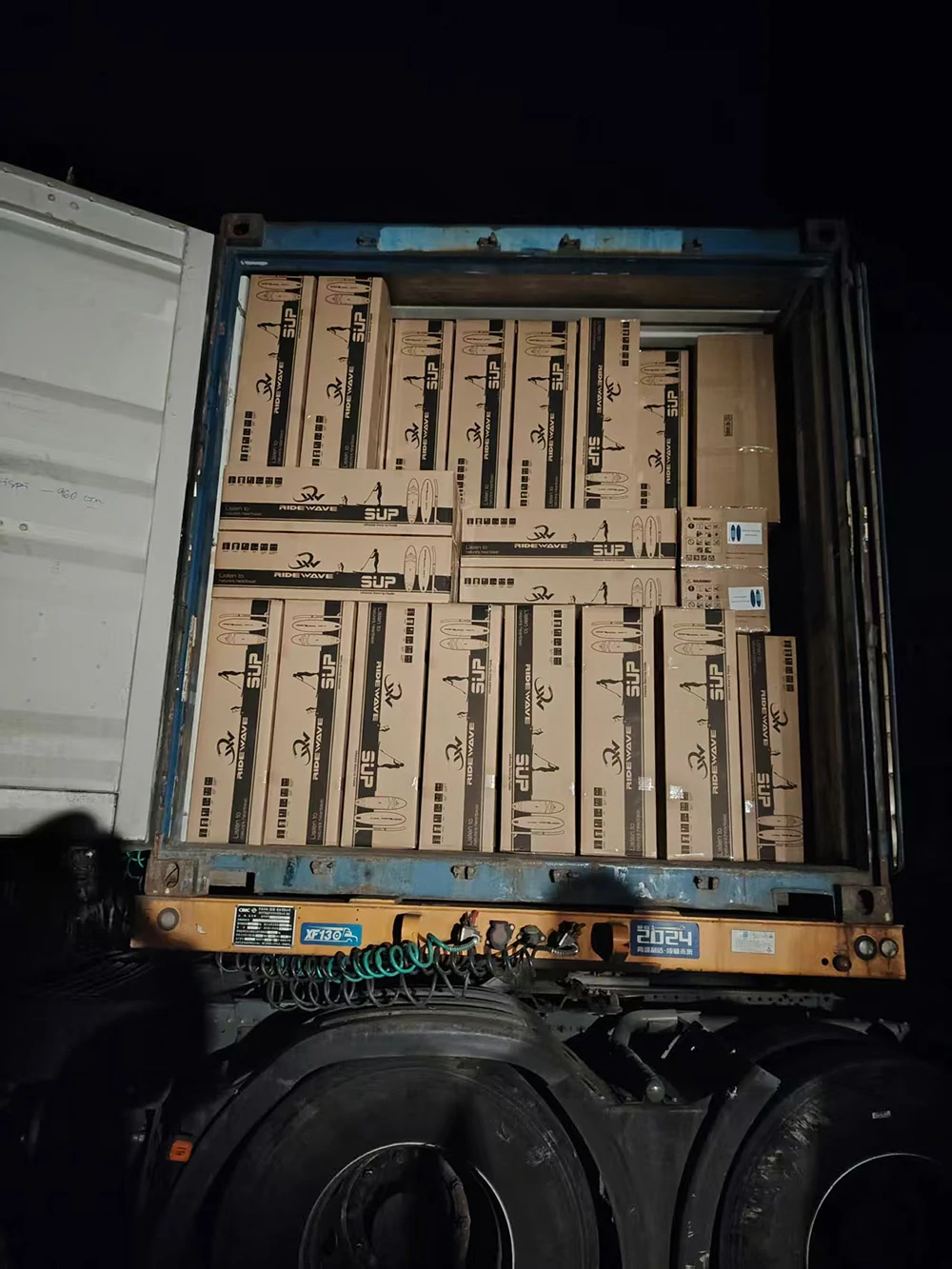
The first major risk is volatile ocean freight space and rate fluctuation. Peak seasons for water sports goods overlap heavily, and carriers often reallocate container capacity to higher-margin cargo. Even confirmed bookings can get rolled, pushing delivery back by weeks or longer. For commercial-grade inflatable SUP importers, delayed shipments mean empty retail shelves during spring and early summer - the highest revenue window for paddle sports.
A second persistent risk lies in raw material availability. PVC, woven drop-stitch fabric, and accessory components such as valves, fins and hand pumps all depend on upstream chemical and textile production cycles. Unexpected material shortages force some factories to pause production or substitute alternative materials without prior notice, which damages batch consistency and compliance status.Port congestion and customs backlogs represent the third key threat. Polish and northern EU ports face periodic labor shifts, inspection surges and paperwork bottlenecks. Even compliant shipments can sit for extra days or weeks waiting for document validation. Importers with thin safety stock run out of inventory quickly and lose ongoing wholesale orders.
Currency fluctuation is often overlooked, but it directly erodes buying budgets. Exchange swings between EUR and USD change landed cost calculations between quotation and payment. Many small distributors do not hedge currency exposure and find their planned margin compressed once goods arrive.
These overlapping risks do not have a single simple fix, but buyers can build resilience by diversifying order timing, building small safety stock, and working with manufacturers who have predictable production scheduling.
| Supply Chain Risk | Specific Impact for Polish SUP Importers | Trigger Conditions | Practical Mitigation Strategy |
|---|---|---|---|
| Ocean freight rolling & delays | Miss spring selling season, lost retail orders | Q1-Q2 shipping peak, tight container space | Place orders 8–12 weeks ahead of target arrival date |
| Raw material shortage | Production halt or unapproved material substitution | Upstream factory shutdown, global PVC demand spikes | Require fixed raw material supplier commitment in contract |
| Port & customs backlog | Extended dwell time, extra storage fees | Increased EU market surveillance inspections | Prepare full compliance document package before vessel arrival |
| Currency exchange volatility | Shrinking gross margin | EUR / USD exchange swing between quote and payment | Build small currency buffer into your landed cost calculation |
RIDEWAVE, as an inflatable SUP manufacturer focused on EU wholesale clients, maintains long-term contracts with drop-stitch and PVC raw material suppliers to reduce material shortage risks. We also provide clients with realistic production and shipping timelines instead of overpromising fast delivery, helping Polish importers build more reliable inventory plans for their retail partners.
How Do Custom SUP Sourcing Errors Limit Brand Sales for New Sports Gear Resellers?
For emerging sports gear resellers and brand owners expanding into inflatable SUP, customisation represents one of the fastest ways to stand out from generic wholesale competitors across Poland and wider European markets. Yet poorly planned custom projects often drain budget, delay launches and leave wholesalers stuck with slow-moving inventory.
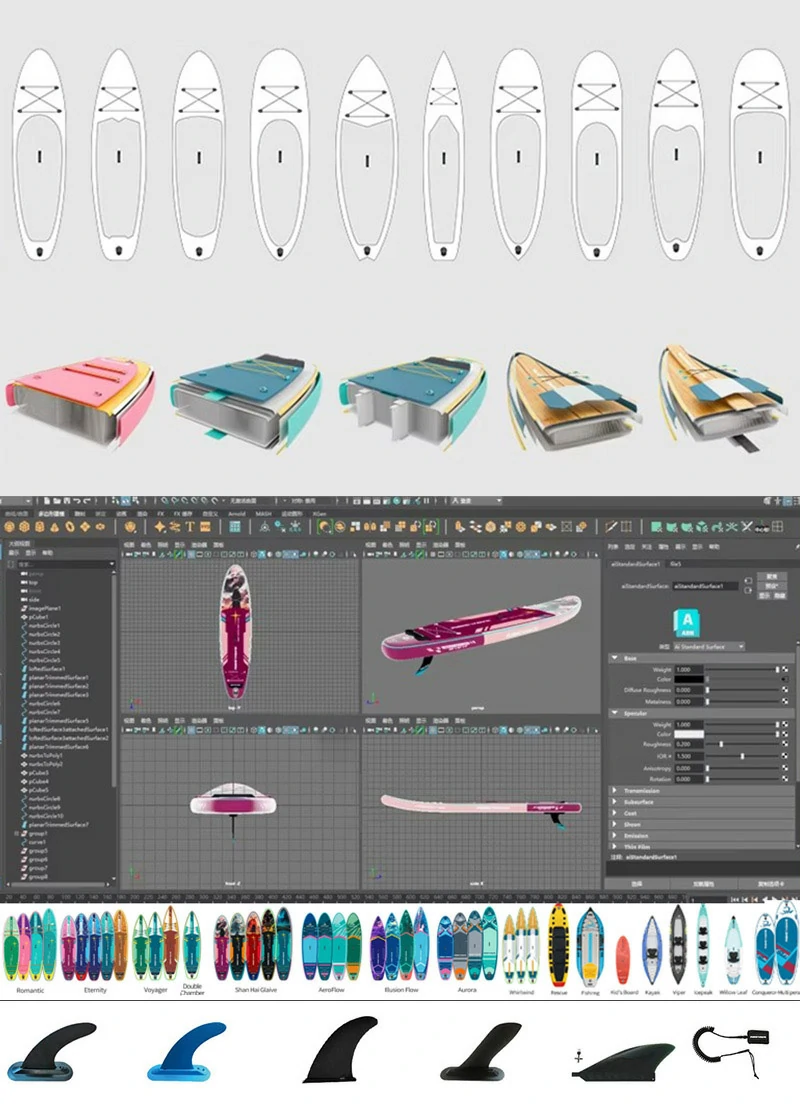
Many first-time buyers treat custom inflatable stand up paddle board orders as simple logo printing jobs. They underestimate how board shape, drop-stitch layout, deck pad texture, fin system and accessory bundles directly affect end-user experience and retail conversion. A custom design that looks attractive on render files may perform poorly on Poland's cold lakes, shallow rivers and choppy Baltic coastal waters. This mismatch creates low review scores and weak repeat purchases for commercial-grade inflatable SUP product lines.
Four common custom sourcing mistakes repeatedly hurt new reseller sales: - Over-customisation: Adding unnecessary mould changes, unique colours or custom packaging that raises unit cost without enough retail price premium to offset extra expenses. - Market blind spots: Copying trending designs from North America or Southeast Asia without testing whether those specs fit European consumers and local water environments. - Weak design communication: Sharing only reference pictures rather than dimension sheets, tolerance limits and material requirements, leading the **inflatable SUP manufacturer** to guess at key details. - Misaligned MOQ planning: Requesting fully custom boards without negotiating flexible minimum order quantities, which locks large capital into unproven new product lines.These errors do not just create aesthetic issues. They reduce shelf appeal, lengthen inventory turnover cycles and make it harder to convince local retail partners to stock the new custom SUP range.
Learning the full production workflow helps buyers avoid these costly design missteps. Reading How Custom Paddle Boards Are Made: From Design To Production teaches resellers which custom modifications add real market value and which only inflate manufacturing cost. Pairing this with market-focused product strategy from How To Design A Paddle Board That Sells creates a practical framework for launching custom boards that sell steadily in EU territories.
| Customisation Mistake | Business Impact for New Resellers | Root Cause | Recommended Fix |
|---|---|---|---|
| Over-customisation | Higher unit cost, insufficient profit margin | Adding cosmetic features without market value | Limit customisation to logo, colour and accessory package at first launch |
| Copying foreign trending designs | Poor end-user reviews, slow inventory sales | No regional water and consumer research | Adjust board thickness, shape and fin setup for local water environment |
| Vague design brief | Final product differs greatly from expectation | Reference photos only, no technical specs | Deliver dimension sheet, material standard and signed pre-production sample |
| Unplanned high MOQ | Capital tied up in untested products | Agreeing MOQ before sales forecasting | Start with limited customisation and flexible batch order terms |
RIDEWAVE works with many first-time custom brand owners across Europe. Our design team helps clients separate high-impact customisations from cosmetic-only changes, adjust board parameters to match regional water conditions and set realistic MOQ targets aligned with their launch budget and sales forecast. This collaborative process reduces the chance of expensive custom missteps before production begins.
What Fair Sourcing & Certification Standards Matter for EU Market SUP Distribution?
For Polish importers and European inflatable SUP distributors, product certification and responsible sourcing are no longer optional marketing add-ons. Retail buyers and end consumers across the EU now actively audit supply chains, and missing key documentation can stop inflatable stand up paddle board shipments at the border or remove your goods from online and offline retail shelves.
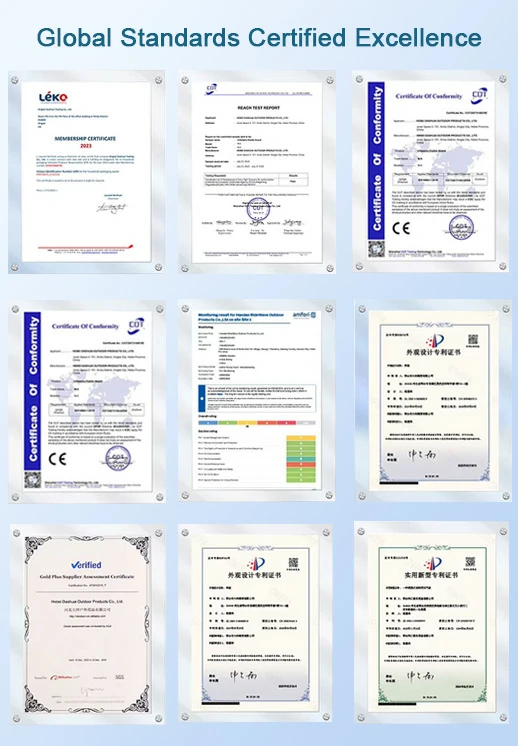
Many B2B buyers only check for a basic CE mark and stop there. This is one of the most dangerous oversights. A printed CE logo on a product does not automatically prove compliance. EU market surveillance authorities require full technical files, test reports and material declarations for commercial-grade inflatable SUP products. Without complete supporting paperwork, even products stamped CE can be detained, fined or recalled once inspected.
The core certification and fair sourcing benchmarks required for EU SUP distribution fall into four clear categories: - EU REACH regulation: Restricts harmful substances in PVC, adhesives, printing inks and plastic accessories. Test reports must cover the exact material batches used for mass production, not just old sample data. - CE for recreational water sports equipment: Includes mechanical safety, pressure resistance and structural stability testing. The technical construction file must be available upon request for market surveillance. - Social & fair manufacturing standards: Factory working conditions, overtime rules and safe production environments. Larger European retail chains now require supplier social audits before adding new **inflatable SUP manufacturer** partners. - Product traceability records: Batch coding, raw material sourcing logs and test report archives, so every board can be traced back to its production run.Fair sourcing also protects your brand reputation. European outdoor consumers increasingly prioritize ethical suppliers. Distributors caught selling goods from factories with poor working conditions face social media backlash, retail partner cancellations and long-term brand damage.
Certification compliance is not a one-time task. Standards update regularly, and old test reports expire. Buyers should confirm that their supplier refreshes testing to match current EU rules before each bulk order.
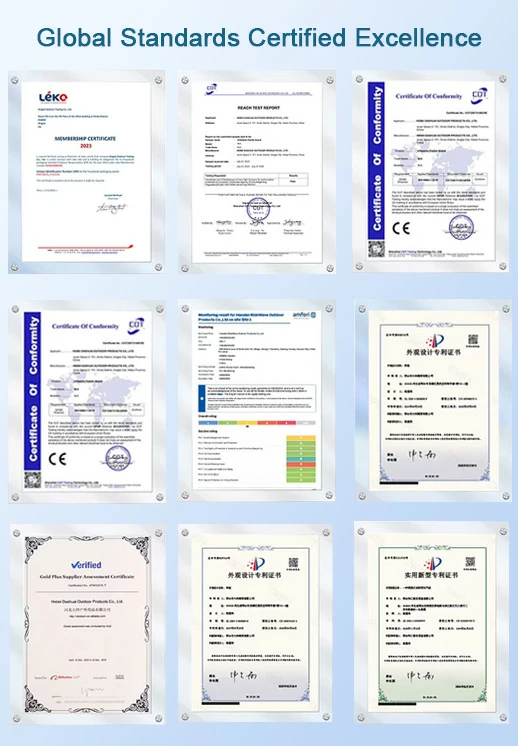
RIDEWAVE maintains full, up-to-date certification documentation for all EU-bound inflatable SUP lines. Our internal audit team updates REACH and CE technical files with each new production batch. We also complete periodic social compliance audits to meet the vendor requirements of large European outdoor retailers, helping Polish distributors satisfy both customs and retail partner documentation demands.
How Can B2B Buyers Select a Reliable Inflatable SUP Manufacturer for Long-Term Cooperation?
For Polish importers and global B2B distributors of inflatable SUP, picking the right manufacturing partner matters far more than chasing a one-time low quote. A trustworthy inflatable stand up paddle board factory becomes an extension of your own business, handling consistent quality, documentation support, flexible order adjustments and timely communication across multiple selling seasons. Many wholesalers fail to separate capable manufacturers from trading companies or small workshop operators, which leads to repeated quality headaches and supply disruptions for their commercial-grade inflatable SUP product portfolio.
There is no single perfect factory, but B2B buyers can use a layered vetting process to filter suitable partners instead of relying only on website images or sample quality.
The core evaluation dimensions fall into six practical categories: - Production infrastructure: In-house drop-stitch cutting, hot-welding workshops, independent QC lab, and stable production capacity for peak-season bulk orders. Factories outsourcing most core processes struggle to control batch consistency. - Certification management: Ability to issue batch-specific EU test reports, CE technical files and REACH material declarations, not only generic certificates issued years ago. - Communication and project management: Dedicated B2B sales and engineering team that understands EU market rules, responds promptly and records every technical change in writing. - Customization capability: Mature OEM and ODM workflows, from design drawing review, pre-production sample confirmation, to accessory matching and colour tuning. - Order flexibility: Reasonable MOQ options for new product trials, transparent delay notification rules and clear defect compensation clauses written into contracts. - Track record with European clients: Proven cooperation history with EU distributors, familiarity with European port logistics, customs paperwork and regional market preferences.Many buyers skip deep vetting because it takes time. However, spending time auditing a factory before signing a long-term contract prevents far larger financial losses later. You can streamline this supplier screening process with a ready-made checklist from 10 Questions Every B2B Buyer Should Ask Before Placing An Inflatable SUP Factory Order.
RIDEWAVE, as an experienced inflatable SUP manufacturer serving European B2B partners for years, applies this same set of standards internally. Our production, QC and documentation teams are structured to support long-term distributor partnerships rather than only one-off small orders. We invite serious buyers to schedule virtual or on-site factory audits, review our batch testing archives, and discuss trial order terms before launching full container programs for EU markets.
How Do Professional SUP Manufacturers Like RIDEWAVE Eliminate Core Sourcing Pain Points?
Many Polish inflatable SUP distributors have cycled through multiple suppliers and repeatedly faced the same set of sourcing headaches: missed deadlines, inconsistent bulk quality, incomplete certification paperwork, and slow support when defects emerge. These frustrations rarely stem from bad luck. They come from partnering with factories built for low-price, one-off orders rather than sustained B2B wholesale operations. A professional inflatable stand up paddle board manufacturer builds its workflows specifically to remove these recurring pain points, so distributors can focus on growing retail channels instead of firefighting production and logistics issues for their commercial-grade inflatable SUP lines.
There are five targeted systems that separate seasoned manufacturers from low-tier suppliers, each designed to solve common B2B pain points head-on.
- Raw material batch locking: Before mass production begins, the factory locks the exact PVC and drop-stitch fabric batch used for the pre-production sample. Material test reports are attached to the contract, eliminating the risk of unapproved raw material substitution mid-run. - End-to-end batch traceability: Every roll of fabric and finished board receives a unique batch code. If quality or compliance questions arise at customs or after retail launch, the QC team can trace the full production record quickly. - Pre-shipment inspection built into standard workflow: Random pressure, seam strength and appearance checks happen before container loading, rather than leaving defect detection until the goods arrive in Poland. - Dedicated compliance documentation team: The team prepares EU REACH, CE technical files and batch declarations in advance. Documents match the exact production run, avoiding the common trap of generic, outdated certificates. - Structured after-sales and order communication: Fixed project managers follow each order through sampling, production and shipment. Any potential delays or technical adjustments are flagged early in writing, instead of last-minute surprises.
These processes require ongoing investment in labour, lab equipment and documentation management, which is why many budget factories skip them.
The practical impact can be seen in a real case from a Polish sports gear wholesaler who switched to RIDEWAVE two seasons ago. Previously, this client worked with a low-cost supplier and received two consecutive shipments with uneven deck traction and incomplete REACH files. One shipment was held at Polish border inspection, costing storage fees and missing their summer selling window. After switching, the client worked with our team to lock material specs, schedule pre-shipment QC and prepare all compliance documents before production. The following two full-container orders arrived on schedule, passed market surveillance checks, and saw a sharp drop in retail complaints and return rates.
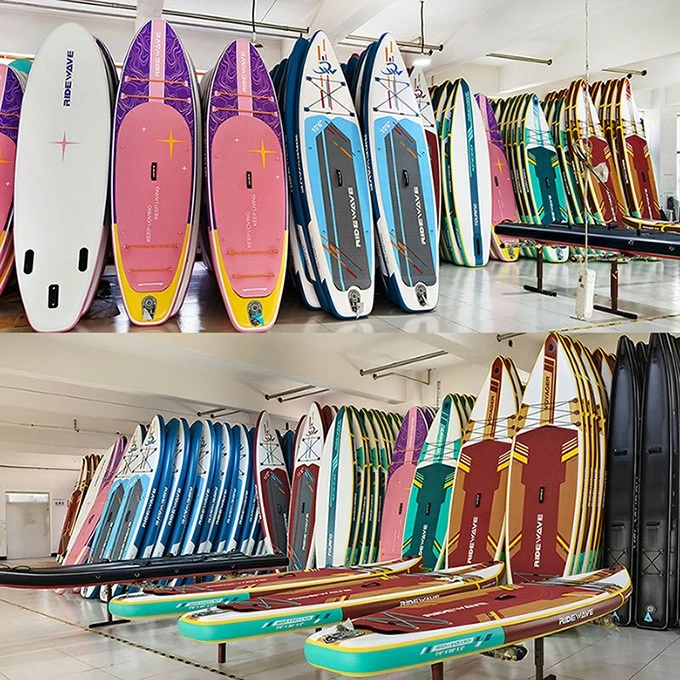
When evaluating whether a factory can deliver this level of reliability, buyers can use the checklist in 10 Questions Every B2B Buyer Should Ask Before Placing An Inflatable SUP Factory Order to verify these operational systems during supplier audits.
As a professional inflatable SUP manufacturer focused on EU wholesale partners, RIDEWAVE built these five core systems specifically for distributors operating in Poland and across Europe. Our goal is not simply to produce inflatable SUP, but to reduce sourcing risk so B2B clients can build stable, profitable long-term product lines.
Related Articles
Private Label Inflatable Paddle Boards: Grow Your Polish Outdoor Brand With Reliable Factory Supply
Top Selling Inflatable SUP Models For Polish Watersports Shops - Buyer's Product Selection Guide
Why Drop-Stitch Inflatable SUP Wins More Sales in Poland's Lake & River Watersports Market
Poland Inflatable SUP Market Trends 2026: Bestselling Board Types For Retail & Rental Business
Inflatable SUP For Poland Distributors: 2026 Wholesale Sourcing Guide & CE Compliance Checklist