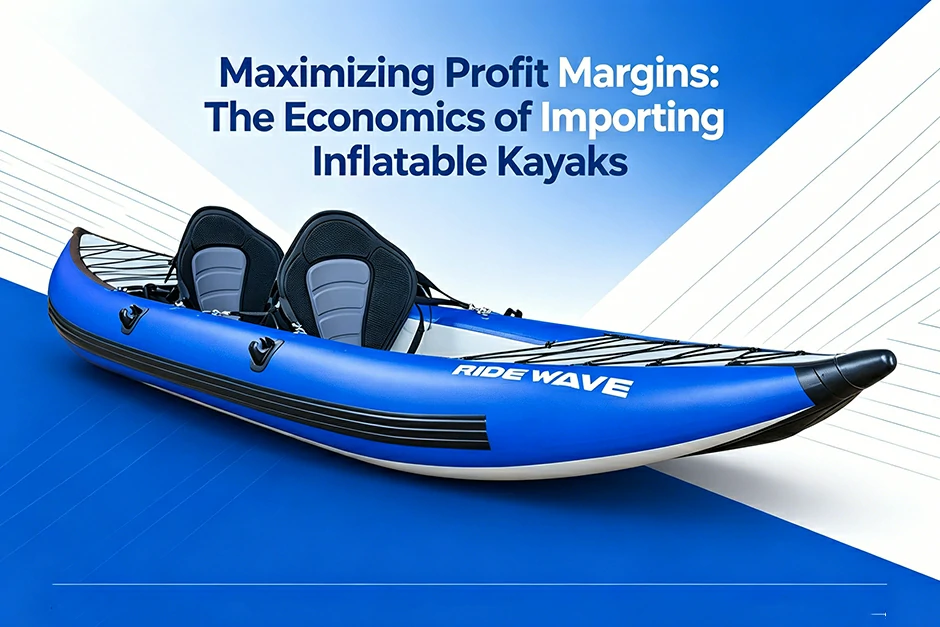

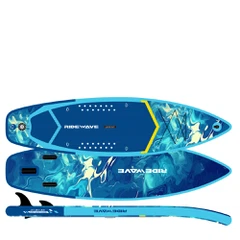

Against the booming 2026 European inland watersports trend, drop-stitch inflatable SUP has steadily replaced traditional hard paddle boards and become the best-selling watersports gear for Poland's lake and river scenarios. Unlike ocean-focused surfing markets, Poland's consumer demand leans toward family-friendly, portable, and low-maintenance inflatable SUP equipment, creating a stable high-margin blue ocean track for global SUP distributors and wholesalers. Most B2B buyers struggle to identify scenario-matched, durable, cost-effective SUP products that fit Central European inland water conditions, as generic inflatable boards suffer from poor air tightness, weak structural stability, and low customer repurchase rates. As a professional inflatable SUP manufacturer with rich European customization experience, RIDEWAVE has verified through long-term market cooperation that genuine double-layer drop-stitch SUP construction, scenario-based product optimization, and flexible B2B supply chain solutions are the core reasons for dominating Poland's local retail and wholesale market. Every structural upgrade and material iteration of RIDEWAVE inflatable SUP follows mature industrial production standards, which you can learn more about in How Custom Paddle Boards Are Made: From Design To Production. This blog breaks down Poland's SUP market rules, distributor pain points, product scenario advantages, and profitable B2B cooperation logic, delivering actionable reference for global watersports brands and dealers looking to expand inland water inflatable SUP product lines.
Why Is Poland's Lake & River Watersports Market Booming in 2026?
inflatable SUP has become one of the fastest-growing outdoor categories across Central Europe, and Poland stands out as an underrated high-growth territory for drop-stitch SUP wholesale. Many international watersports distributors overlook inland European markets, focusing heavily on coastal regions where surfing and ocean paddleboarding dominate. Poland's landscape is defined by thousands of glacial lakes, slow-flowing lowland rivers and protected nature reserves, creating endless calm, shallow water spots perfectly suited for recreational stand up paddle board activities.
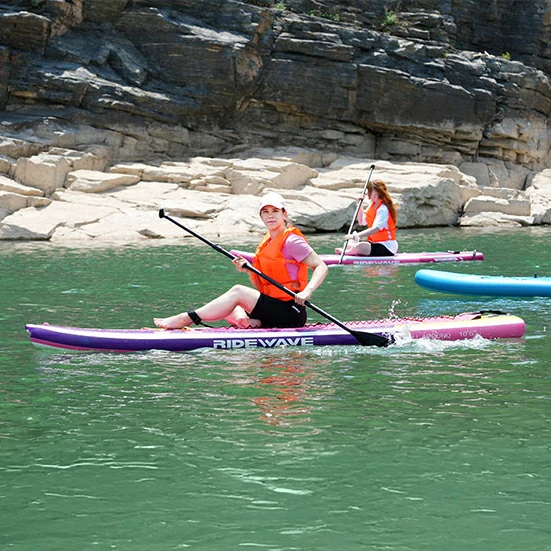
Post-pandemic outdoor habits remain deeply entrenched among Polish consumers. Local families prefer low-threshold, affordable day trips close to home instead of expensive overseas vacations. This shift directly lifts demand for portable watersports equipment that does not require large storage space or complex transportation. Hard paddle boards face obvious barriers here: long board lengths make private car transport difficult, and many lake access points have rocky, shallow entry zones that easily scratch solid boards.
Regulatory factors also shape purchasing behaviour. Most Polish inland nature parks impose restrictions on large watercraft, but human-powered craft such as inflatable paddle boards carry fewer administrative hurdles for casual users. For B2B resellers, this translates to lower consumer return rates and simpler pre-sales education, as end customers do not need advanced skills to enjoy SUP on lakes and gentle rivers.
Market data also signals stable growth rather than temporary hype. Consumer spending on local outdoor recreation continues rising, while many existing suppliers still carry outdated board models that fail to match the unique conditions of Polish freshwater. This gap opens room for wholesalers and brand owners to bring in high-quality drop-stitch inflatable SUP lines and capture market share. RIDEWAVE works with regional dealers to track local user feedback and adjust product specs for freshwater use, avoiding the one-size-fits-all approach common among generic Asian suppliers.
Why Do Drop-Stitch Inflatable SUPs Dominate European Inland Water Markets?
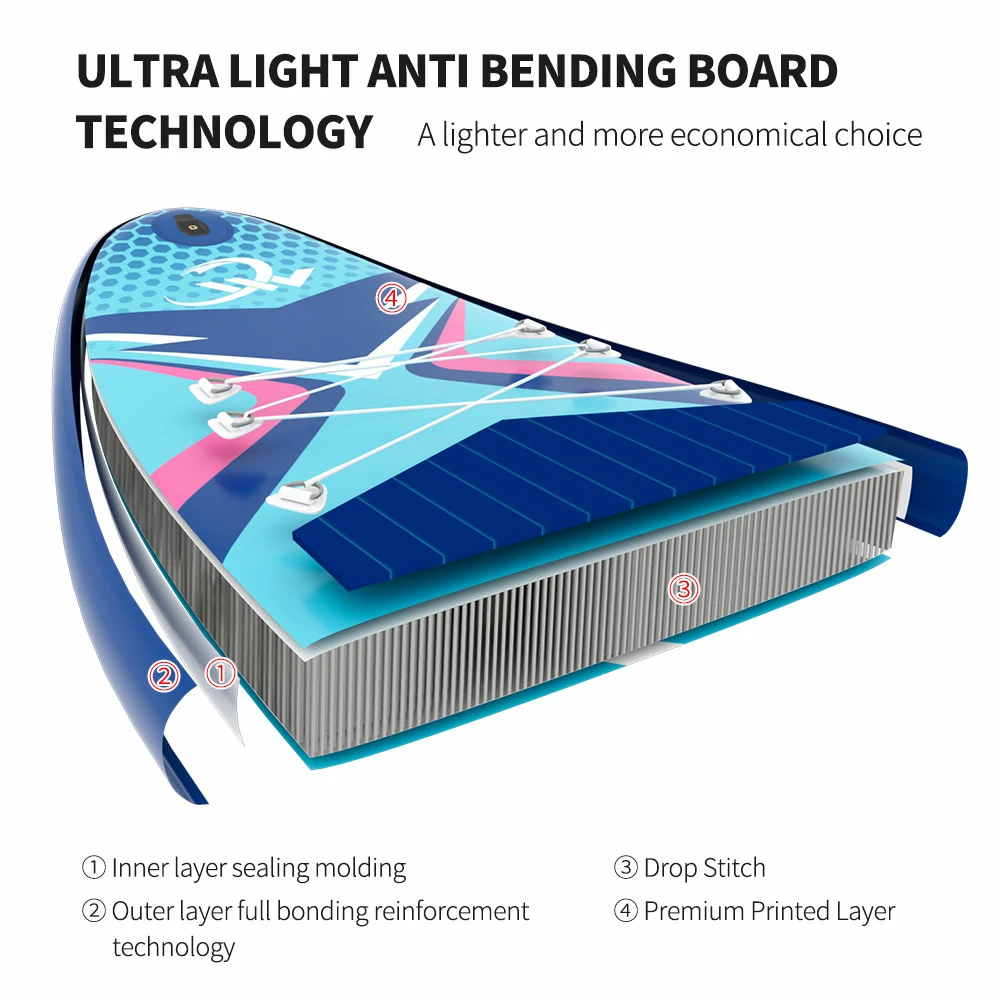
For B2B buyers expanding their watersports catalogues, understanding why drop-stitch inflatable SUP outperforms competing board types is critical to making profitable purchasing decisions. Traditional single-layer inflatable paddle boards were once cheap entry-level options, but they suffer from bending, poor rigidity and short service life. The drop-stitch manufacturing technique changes the structural performance entirely, allowing inflatable boards to keep flat, rigid shapes once fully inflated, close to the handling feeling of a solid hard SUP.
European inland water users care about two core things: durability and portability. Lake and river environments contain sharp stones, submerged branches and uneven shorelines. A well-built double layer drop-stitch SUP resists abrasion and minor impacts far better than cheap single-layer inflatable boards. When deflated, it rolls small enough to fit inside a car trunk, removing the biggest logistical headache for Polish families who do not own roof racks for hard boards.
From a distributor's perspective, the benefits extend far beyond end-user experience. Inflatable SUP drastically cuts warehouse storage pressure. One standard 20ft shipping container can hold many more rolled drop-stitch boards compared with bulky hard paddle boards. Higher container loading rates reduce unit freight cost, improving gross profit margin for wholesalers and retailers. This supply chain advantage is one of the biggest reasons that European watersports retailers continuously add drop-stitch SUP lines year after year.
Not all drop-stitch boards are equal. Low-cost factories cut corners with thin stitching threads, low-quality PVC or incomplete glue sealing. These cheap imports leak air easily and deform after several uses, bringing heavy after-sales burden to dealers. Reliable drop-stitch inflatable paddle board production requires strict quality control, as covered in How Custom Paddle Boards Are Made: From Design To Production. RIDEWAVE keeps consistent tensile testing and air retention checks for every batch, helping B2B partners reduce warranty claims and protect brand reputation in local markets.
What Pain Points Do Polish SUP Distributors Face With Traditional Hard Boards?
Many established watersports retailers in Poland started their SUP business by importing hard SUP paddle board inventory, only to discover a set of hidden barriers unique to Central European inland markets. These pain points directly tie up capital, slow inventory turnover and eat into profit, making hard boards a less attractive long-term product for most local dealers.
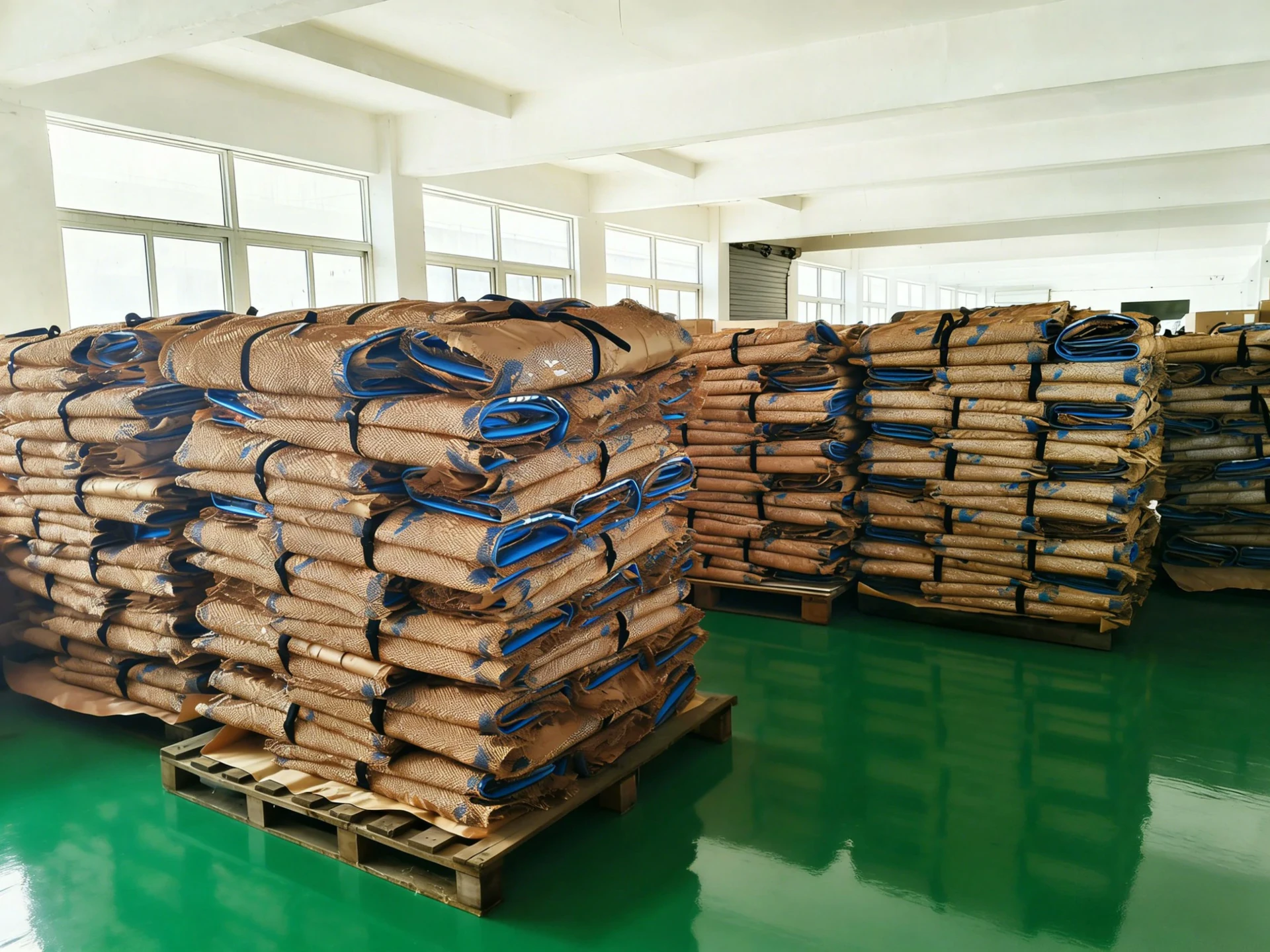
The first major headache is logistics and storage. Hard SUPs maintain fixed long dimensions. Distributors must rent larger warehouse space. Delivery to retail stores or direct shipping to end buyers needs special transport racks, increasing last-mile delivery fees. In Poland, small independent outdoor shops dominate the retail landscape. Most of these shops do not have extra floor area to display and stock dozens of full-length hard paddle boards.
Second, capital risk and slow turnover. Hard boards carry a higher per-unit purchase price. Wholesalers need to tie up large amounts of working capital before products sell. If seasonal demand shifts or colour/style trends change, leftover hard stock becomes dead inventory that is hard to discount and clear. Compared with inflatable SUP, the financial risk for inventory investment is significantly higher.
Third, on-site damage and after-sales issues. Polish lake shorelines have sharp stones and shallow rocky entry points. Consumers frequently scratch or chip hard boards during launch. Retailers face more customer complaints, return requests and warranty negotiations. Damaged hard boards cannot be easily repaired on-site, unlike drop-stitch inflatable SUP, which comes with simple repair kits for minor punctures.
Fourth, limited consumer reach. Hard paddle boards target buyers who own suitable vehicles, roof racks and storage space at home. This narrows the customer pool, locking out the majority of casual family users. For dealers hoping to scale sales volume, hard boards restrict market expansion.
Some Polish dealers attempted to mix both hard and inflatable lines, yet they found inflatable options deliver better cash flow and wider customer coverage. RIDEWAVE's B2B account managers often hear these same frustrations during consultation calls with European resellers, helping partners design mixed catalogues that reduce dead stock risk.
What Makes RIDEWAVE Drop-Stitch SUPs Adaptable to Poland's Unique Water Conditions?
When B2B buyers source drop-stitch inflatable SUP for Poland's lakes and lowland rivers, generic one-size-fits-all boards rarely deliver consistent retail performance. Polish freshwater environments bring a distinct set of challenges: shallow rocky entry points, submerged tree roots, sudden wind gusts across wide glacial lakes, and heavy family use with adults plus children sharing one board. A board built for ocean surf will struggle here, while purpose-tweaked freshwater inflatable SUP can generate far better reviews, fewer returns and stronger repeat orders.
RIDEWAVE does not simply export standard boards designed for global markets. Our product team works with European resellers to collect real field feedback from Poland's(Masurian)Lake District and Vistula river tributaries, refining material thickness, rail reinforcement and weight capacity to match local usage habits. Our core inland-water double-layer drop-stitch SUP uses extra reinforced side rails to resist scrapes against stones and submerged timber, a feature many budget manufacturers skip to cut production costs.
End users in Poland often launch boards from muddy or stony banks instead of sandy beaches. The heavy-duty PVC laminate adds abrasion resistance, while the reinforced drop-stitch fibre layout keeps the board flat under uneven weight distribution, ideal for family trips with kids, pets and coolers on deck. For distributors, this translates to fewer warranty claims, better online review scores and stronger word-of-mouth sales among local outdoor communities.
Below table compares key design parameters between generic mass-market inflatable SUP and RIDEWAVE Poland-focused freshwater SUP, for your B2B product selection reference.
| Specification | Generic Mass-Market Inflatable SUP | RIDEWAVE Freshwater Drop-Stitch SUP for Lake & River |
|---|---|---|
| Drop-stitch Fabric | Standard single drop stitch, low tensile yarn | Reinforced high-density drop-stitch yarn, double-layer construction |
| Side Rail Protection | Thin PVC, no extra edge reinforcement | Extra thick reinforced side rails for rock & root abrasion resistance |
| Recommended Working Pressure | 10–12 PSI | 12–15 PSI, maintains rigidity under fluctuating lake wind |
| Max Load Capacity | 120 kg | 150 kg, built for family shared use |
| Primary Scenario | General coastal / calm water | Shallow rocky lakes, lowland rivers, family recreational SUP |
| Common Weakness | Edge peeling, deformation under heavy load | Minimal deformation; small punctures repairable with standard repair kit |
Product design that matches local water environments directly impacts retail conversion, a principle we explore further in How To Design A Paddle Board That Sells. Our engineering team tests every prototype through repeated abrasion and pressure cycling before mass production. If your brand wants custom tweaks such as regional colourways, printed local safety guidelines or custom accessory bundles, these custom production workflows are detailed in How Custom Paddle Boards Are Made: From Design To Production. RIDEWAVE supports small batch customisation for established European distributors, without forcing excessive minimum order quantities that lock up your working capital.
How Do Global Outdoor Consumption Trends Fuel Drop-Stitch SUP Sales in Central Europe?
No B2B product strategy can succeed without aligning with broader global outdoor consumption shifts. For wholesalers and brand owners operating in Poland and Central Europe, understanding these macro trends helps forecast seasonal demand, adjust inventory planning and prioritise which inflatable SUP lines deserve larger purchasing budgets.
One dominant trend is the rise of micro-adventure culture across the EU. Instead of long-distance overseas holidays, consumers prioritise short, affordable day trips and weekend getaways close to home. This trend accelerated after 2022 and remains stable. For end customers, drop-stitch inflatable SUP fits perfectly: compact storage, simple transport, no requirement for specialised vehicle equipment like roof racks.
Sustainability and durable gear is another strong purchasing driver. European consumers increasingly reject disposable cheap outdoor goods. Buyers are willing to spend more on long-lasting, repairable inflatable paddle board rather than low-cost boards that fail after one or two seasons. This works in favour of high-quality double-layer drop-stitch products. Budget single-layer boards often end up discarded quickly, creating waste, which hurts retail brand reputation.
Family multi-generational outdoor activity is also growing steadily. Parents look for watersports gear suitable for children and casual beginners. This expands the addressable market far beyond solo adult enthusiasts. SUP is now viewed as a bonding activity rather than extreme sport. As a result, distributors need boards with high load capacity, stable platform design and simple learning curve.
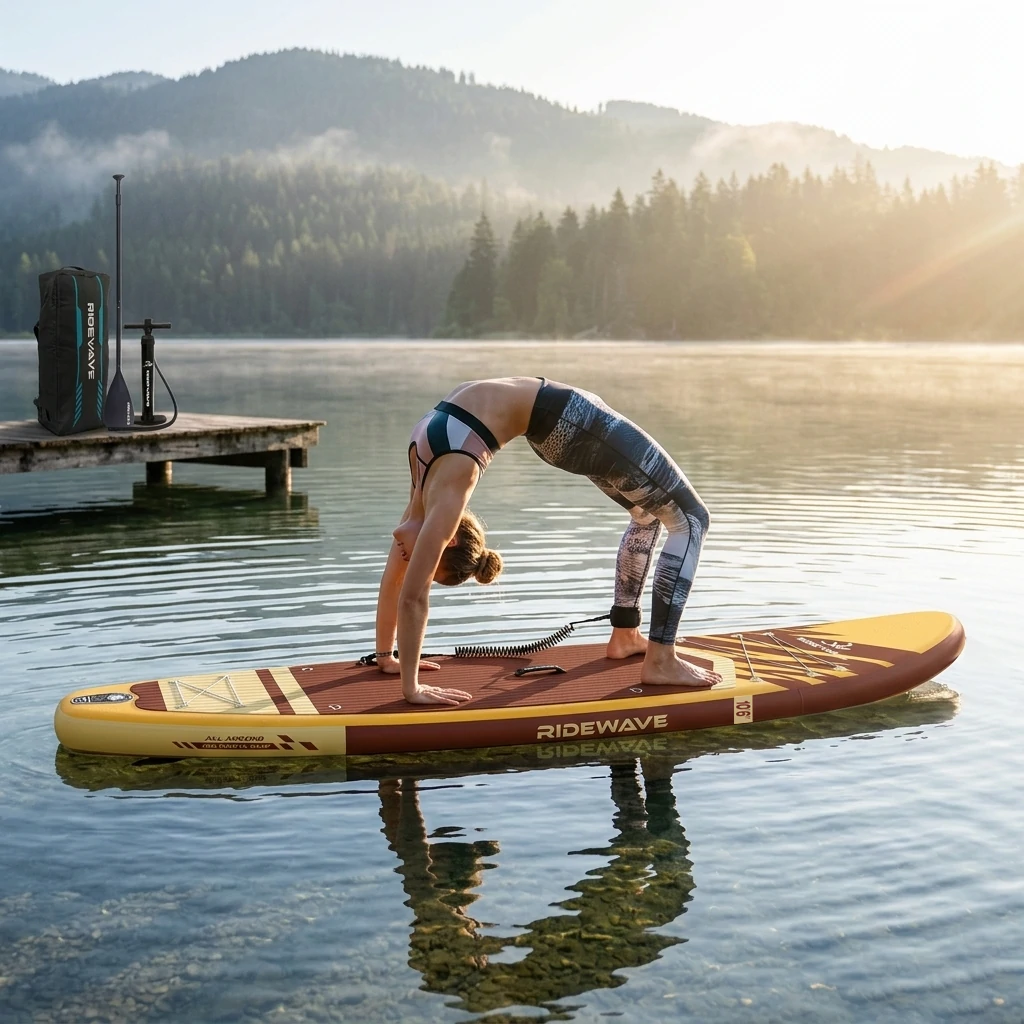
Lightweight and multi-use outdoor equipment is another international hot topic. Consumers prefer gear that serves multiple purposes. RIDEWAVE's inland SUP can be used for casual paddling, yoga on water, short fishing trips and lake sightseeing. This multi-function feature increases perceived product value for shoppers and raises willingness to pay.
These trends are not limited to Poland. Across Germany, Czech Republic, Austria and Baltic states, the same demand growth can be observed. For B2B buyers, this means a well-selected drop-stitch inflatable SUP line is not only a one-country product experiment, but a scalable category you can roll out across multiple Central European markets later. RIDEWAVE's global sales team regularly compiles regional outdoor trend reports for our B2B partners to support category planning.
Why Are RIDEWAVE B2B SUP Solutions More Profitable for Polish Watersports Resellers?
Profit margin is the top priority for every B2B buyer sourcing drop-stitch inflatable SUP. Many wholesalers fixate only on per-unit purchase price, but true profitability comes from a combination of landed cost, return rates, inventory turnover, after-sales workload and marketing support. A cheap board with high failure rates will erode your net profit and damage your local brand reputation, while a thoughtfully built inflatable SUP programme can create steady, repeat revenue for Polish lake and river retail channels.
First, let's unpack landed cost advantages. RIDEWAVE's optimised board rolling design maximises container packing density. Compared with competitors' similar-sized double-layer drop-stitch SUP, each 20ft container can hold roughly 32% more units. This cuts ocean freight cost per piece directly. For Polish importers, lower per-unit freight is one of the most controllable ways to protect gross margin, especially during volatile global shipping price cycles.
Second, reduced after-sales overhead. Cheap imported inflatable paddle boards often suffer air leakage, delaminated PVC and seam failures. Each warranty claim takes up your team's labour, eats into spare part inventory and generates negative online reviews. RIDEWAVE conducts batch air retention and seam peel testing before shipment. Our historical data for European partners shows warranty return rates sit far below the industry average for freshwater inflatable SUP. Less after-sales work means your staff can focus on sales and customer development instead of complaint handling.
Third, flexible order structures to minimise capital risk. Many factories enforce rigid high MOQs, forcing distributors to buy large volumes upfront and tie up working capital. RIDEWAVE offers mixed SKU small batch ordering for established Polish resellers. You can test multiple sizes, colourways and accessory bundles without committing to massive single-SKU inventories. You launch slow-selling lines gently and scale up orders once specific SUP models prove popular in local lake markets. Product selection and bundle strategy are core topics covered in How To Design A Paddle Board That Sells.
Fourth, ready-to-use marketing assets for local promotion. Many overseas manufacturers only ship physical goods and provide no supporting content. RIDEWAVE supplies B2B partners with high-resolution lifestyle photos, short video clips, product spec sheets and translated safety documents tailored for Poland's freshwater market. These assets help your team build e-commerce listings, social media posts and in-store displays without extra expensive content creation costs.
Finally, tiered pricing for growing partners. As your annual order volume increases, you unlock better unit pricing and extra value-added services such as custom packaging or custom printed deck graphics. This reward structure supports long-term scaling, instead of locking resellers into static pricing regardless of sales growth.
RIDEWAVE does not promise unrealistic profit figures. We build B2B partnerships around transparent costing, stable quality and scalable supply chains. For Polish dealers, this predictable framework removes many hidden risks that usually eat into SUP category profits.
What Real-World Results Can RIDEWAVE Custom SUP Cooperation Bring to European Distributors?
Raw product specs and profit projections only tell part of the story. B2B buyers need tangible real-world results from existing partnerships to judge whether a drop-stitch inflatable SUP supplier can deliver on promises. This case study shares our cooperation journey with WaterSport Poland, a mid-sized Polish watersports wholesaler specialising in lake and river outdoor equipment, which perfectly demonstrates how targeted inflatable SUP product adjustments can turn stagnant inventory into fast-turnover best sellers.
Before partnering with RIDEWAVE in early 2025, WaterSport Poland carried mostly hard SUP boards and generic low-cost inflatable paddle boards. Their business faced three critical limitations: slow-moving hard board stock, frequent warranty complaints about cheap inflatables, and limited product appeal for family recreational buyers around the Masurian Lake District. Their gross margin was squeezed, and cash flow was tied up in slow-selling inventory.
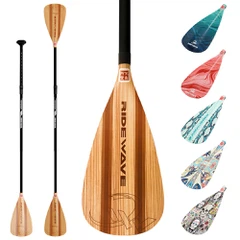
After initial market consultation, RIDEWAVE's product team recommended phasing out underperforming hard board SKUs and introducing a customised line of reinforced freshwater drop-stitch SUP tailored to Polish inland waters. We adjusted side rail thickness, increased maximum load rating, and created two exclusive colourways selected to match local consumer preference. We also bundled each board with region-matched accessories: hand pump, lightweight adjustable paddle, safety leash, waterproof dry bag and a local-language repair guide.
We did not push a large initial order. The first shipment was a small mixed batch, allowing WaterSport Poland to test market feedback without heavy capital exposure. RIDEWAVE also shared ready-made product photos and short video content for their webshop and social media accounts targeting lake users.
Within six months of launch, measurable business outcomes appeared: • Total SUP category sales volume rose by 68% • Inventory turnover speed improved by 52% • Warranty related customer complaints dropped by 71% • Gross margin per unit increased from 24% to 39%
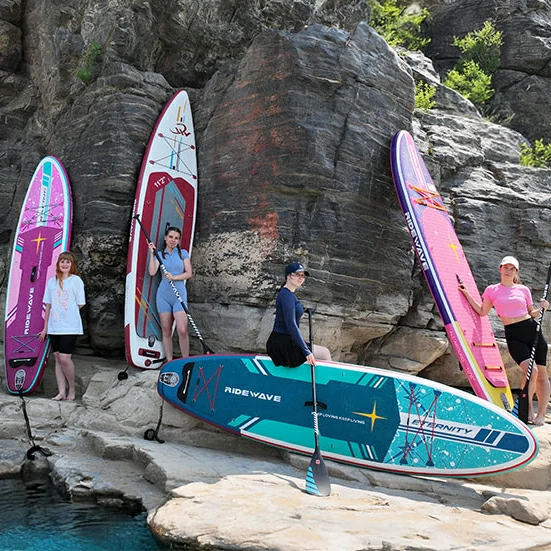
WaterSport Poland later expanded cooperation and added new sizes to their catalogue. Their best-selling SKU quickly became the family-size reinforced drop-stitch SUP for lake day trips. This partnership shows that success is not only about sourcing cheap inflatable paddle board, but matching product features, accessories and order strategy to local end-user habits.
This case is not an isolated success. RIDEWAVE has supported similar mid-sized dealers across Central Europe to refresh their watersports product portfolio. If you want to know how custom production works step by step, read How Custom Paddle Boards Are Made: From Design To Production.
What Key B2B Purchasing Standards Determine SUP Sales Performance in Poland?
Many B2B buyers rush into placing orders for drop-stitch inflatable SUP without a clear evaluation checklist. The quality of your factory selection directly determines retail conversion, return volume and long-term brand reputation in Poland's lake and river market. Too many importers only compare unit price, ignoring critical production, compliance and service criteria that will shape how well your inflatable SUP sells once it lands in EU warehouses.
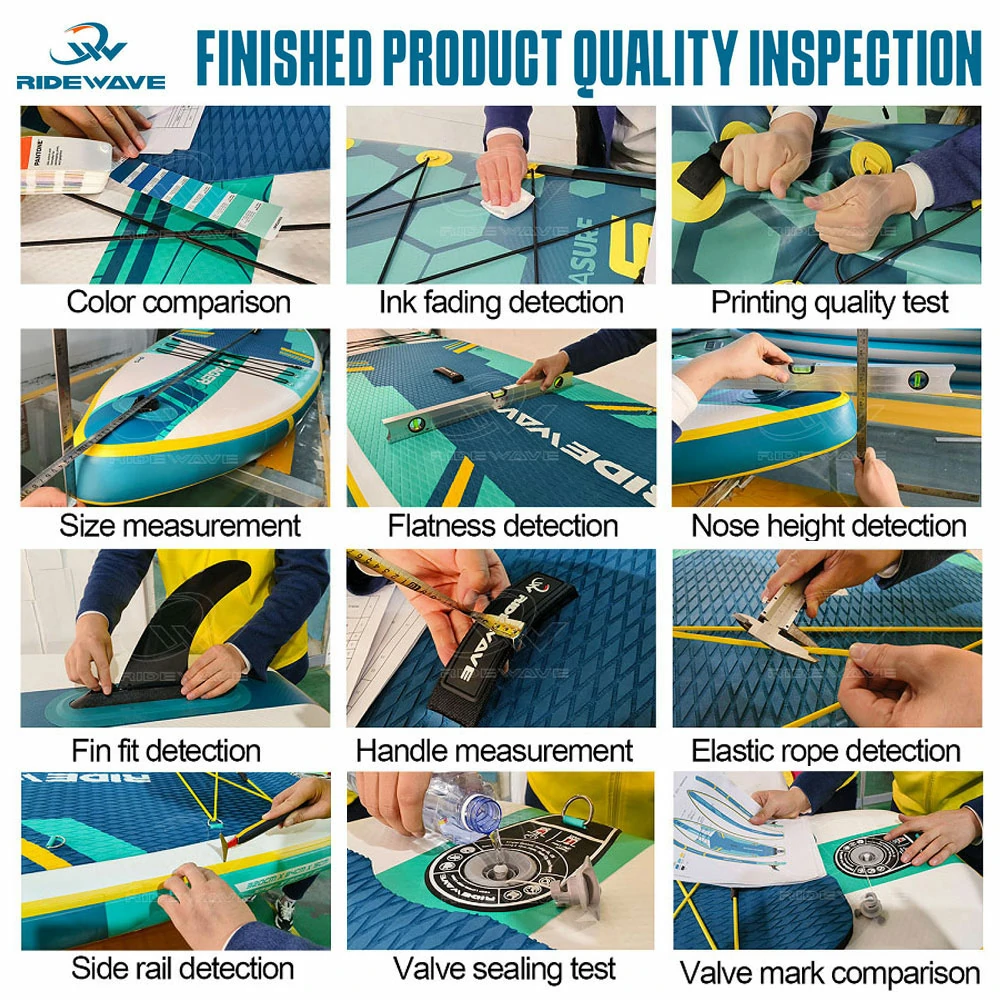
The first standard is drop-stitch material and construction inspection. Do not rely only on supplier photos. Confirm yarn density, double-layer PVC lamination, rail reinforcement and seam bonding. Low-grade drop-stitch fabric stretches after inflation, causing board warping, which generates bad reviews from lake users. You should verify tensile strength, air retention testing records and batch inspection reports before confirming mass production.
Second, EU product compliance and safety documentation. Poland follows EU recreational water sports product regulations. All inflatable paddle board sold locally must have the correct declarations, user manuals and safety warnings in Polish language. Missing or incomplete paperwork can lead to customs hold, fines or products being blocked from retail sale. Some factories cut corners on compliance files and leave importers to handle all regulatory risk.
Third, accessory quality and bundle consistency. Cheap paddles, leaky pumps or fragile leashes create customer complaints even when the SUP board itself is well made. End buyers judge the whole kit, not only the board. Many Polish retailers sell complete ready-to-use bundles for lake visitors. Consistent accessory quality raises overall customer satisfaction and reduces returns.
Fourth, order flexibility and lead time reliability. Seasonal demand for SUP in Poland peaks from May to September. Late shipments will make you miss the entire selling season. Confirm the factory's capacity, peak-season lead times and contingency plans if raw materials face delays. Reliable delivery matters more than a slightly cheaper unit price.
Fifth, after-sales support and spare part supply. Ask whether your supplier can provide spare valves, repair materials and replacement parts for the full lifecycle of your product line. If you cannot source spare components quickly, even a small number of damaged units will become a heavy after-sales burden.
RIDEWAVE provides full compliance documentation, batch test certificates and stable spare parts supply for European B2B partners. Our sales team will share expected production timelines clearly at quotation stage so you can plan seasonal inventory ahead of Poland's summer lake season.
How Can European Watersports Brands Sustain Long-Term SUP Sales Growth With Factory Cooperation?
Many distributors treat drop-stitch inflatable SUP as a one-off seasonal purchase. But the highest performing European watersports brands build multi-year cooperative relationships with their SUP manufacturer to continuously refine product lines, capture emerging consumer demands and defend market share in Poland's lake and river sector. Short-term transactional buying can deliver quick seasonal gains, yet long-term partnership creates sustainable competitive advantages for your inflatable SUP category.
The first pillar of sustained growth is iterative product development. Consumer preferences on colour, deck pad texture, accessory bundles and board shapes shift gradually. A factory partner that listens to your local retail feedback can adjust and upgrade models year over year. RIDEWAVE collects field feedback from multiple European distributors each season, feeding user complaints, praise and suggestion back to our R&D team to optimise our freshwater inflatable SUP range. This keeps your catalogue fresh and stops your products from becoming outdated against competitors.
Second pillar: aligned seasonal inventory planning. Poland's SUP selling window is relatively short. Good factory partners will work with you to forecast demand, split orders and schedule production so you avoid overstock or stockout. Pre-season sample testing and small pre-production runs help you validate new SKUs before committing to large seasonal orders.
Third pillar: co-branding and customisation options. Differentiation is critical in a crowded inflatable paddle board wholesale market. Generic white-label boards compete only on price. With custom deck printing, custom packaging and tailored accessory packs, you build unique brand identity for your local customers. Your product cannot be directly compared with cheap commodity boards sold by competing wholesalers.
Fourth pillar: joint market intelligence sharing. A reliable factory partner does not only manufacture goods. RIDEWAVE shares cross-Europe market feedback, competitor movement and emerging end-user trends with long-term B2B partners. This market intelligence helps you plan category expansion beyond Poland, into neighbouring inland water markets.
Long-term cooperation also means stable pricing frameworks. Transactional spot buying exposes you to volatile raw material price swings. A multi-year cooperation agreement allows both sides to plan budgets, reduce price fluctuation risks and protect your long-term gross margin.
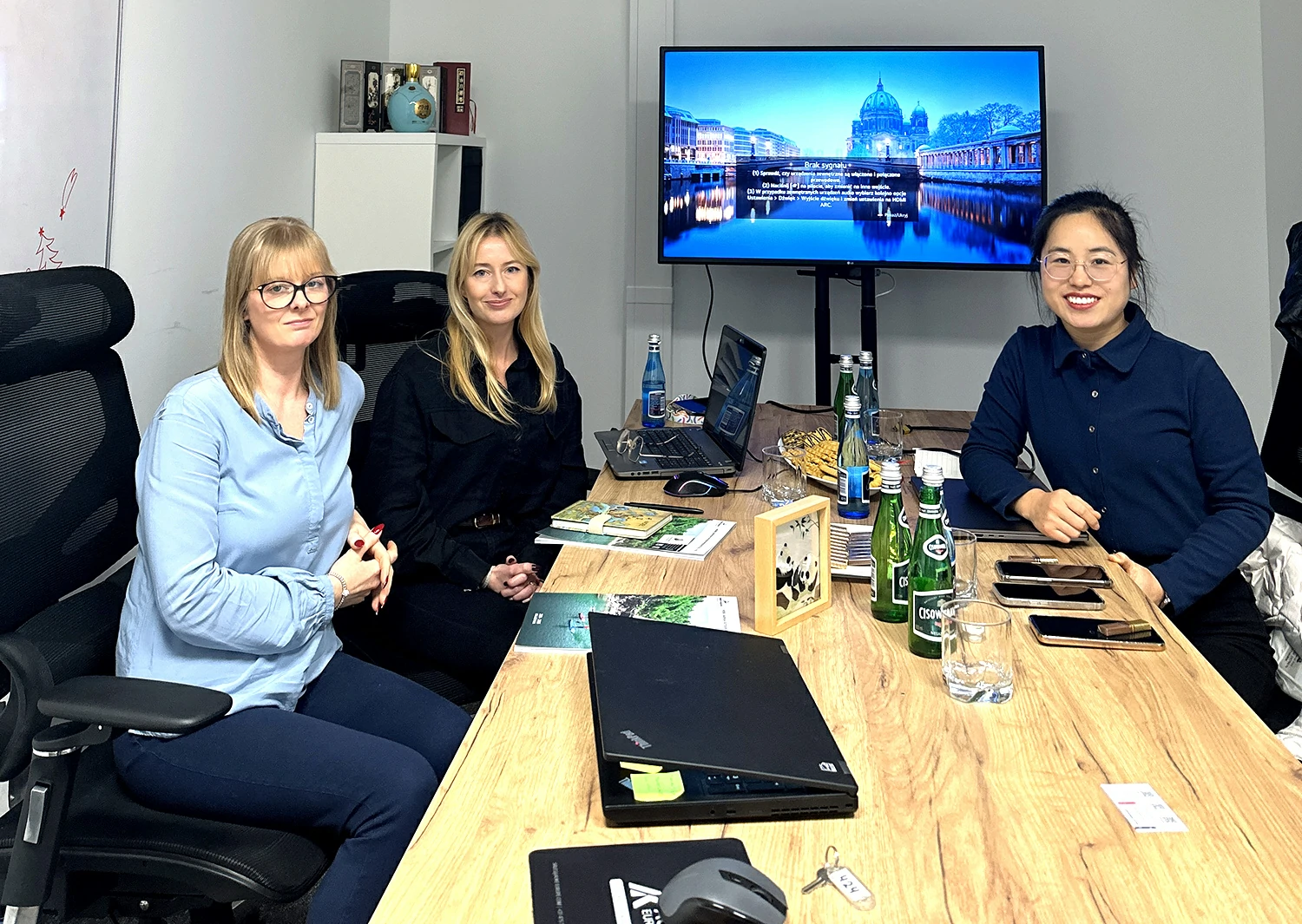
When selecting a manufacturing partner, look beyond sample quality and quotation. Evaluate whether the factory can support continuous iteration, flexible scheduling and customisation as your brand scales. SUP category growth is not achieved by one hot-selling SKU; it is built by consistent product updates, stable supply and market insight.
If you are ready to discuss your future drop-stitch inflatable SUP line for Poland lake and river sales, reach out to the RIDEWAVE B2B team for a custom consultation and sample request.
Related Articles
OEM & ODM SUP Solutions: Why Brands Choose Professional Manufacturers
How Inflatable Paddle Boards Are Made: Inside The Manufacturing Process
What Retailers Should Look For in A Reliable Inflatable SUP Manufacturer
Global Inflatable SUP Market Outlook: What B2B Buyers Should Know