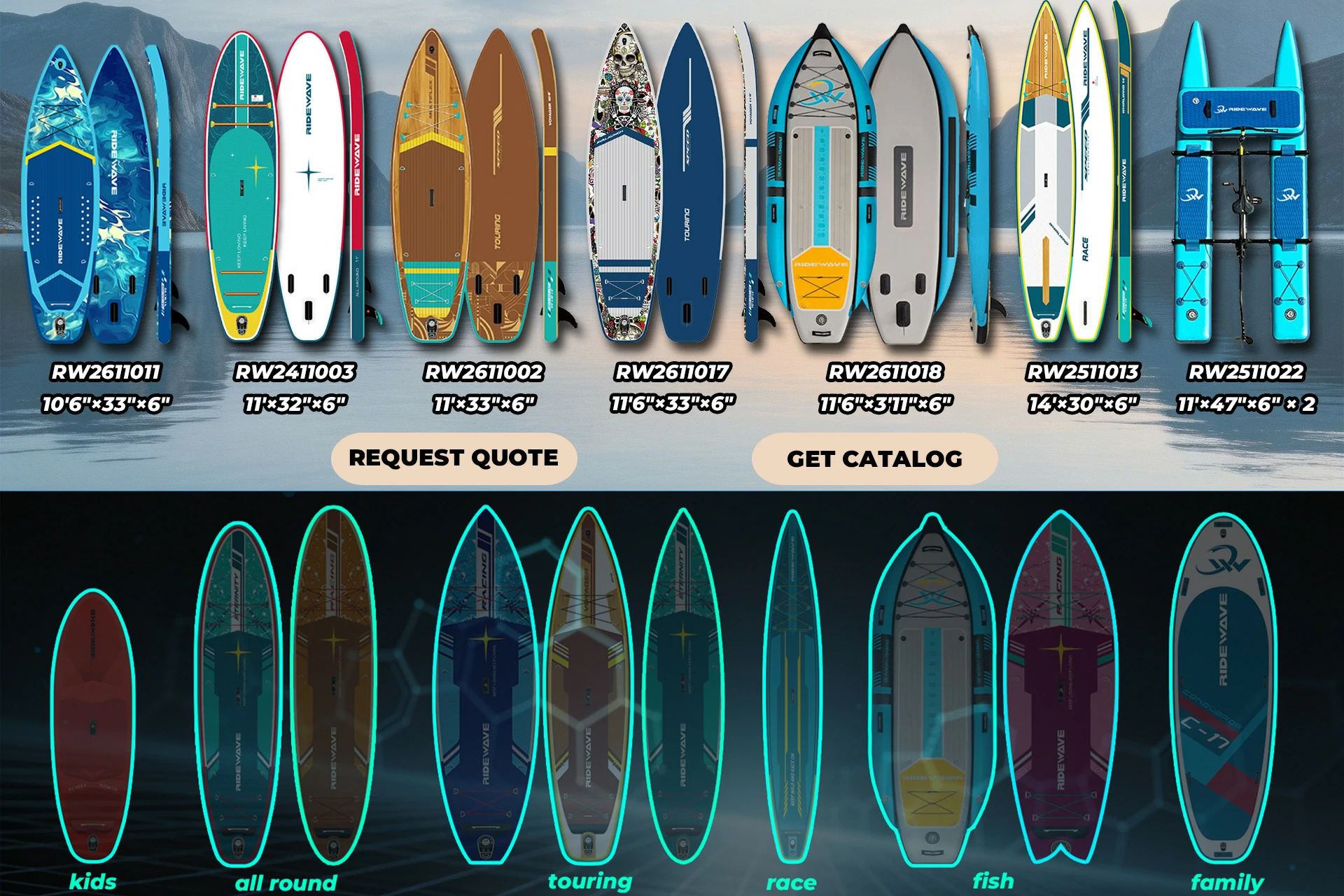

1. Why Low MOQ Paddle Boards Matter for Small Brands in 2026
In the past, launching a paddle board brand required large upfront investment and significant inventory risk. Traditional paddle board manufacturers often required large minimum order quantities, sometimes 300 to 500 Paddle Boards per model, which made it difficult for smaller brands to enter the market.
Today, the situation is changing. The global outdoor recreation market is evolving rapidly, and more small brands are exploring opportunities in inflatable paddle boards. E-commerce growth, lifestyle branding, and the rising popularity of water sports have lowered the barriers to entry. As a result, Low MOQ Paddle Boards are becoming an important solution for entrepreneurs, retailers, and niche outdoor brands.
Instead of committing to large orders, small brands can now test products with smaller batches, validate demand, and refine their branding before scaling production. This approach reduces financial risk while allowing brands to build market presence faster.
Many successful outdoor brands actually started this way-launching with a few well-designed inflatable Paddle Boards, gathering customer feedback, and gradually expanding their product line.
For distributors and wholesalers, low MOQ manufacturing also means greater flexibility. They can introduce new Paddle Board models, test seasonal products, or develop private-label collections without overstocking inventory.
However, choosing the right manufacturing partner is essential. Not every factory offering low MOQ can deliver the quality, reliability, and customization support that growing brands need. That is why experienced manufacturers such as Ridewave are becoming valuable partners for small and mid-size outdoor brands worldwide.
When low MOQ flexibility is combined with professional manufacturing standards, small brands can compete with larger companies while maintaining efficient supply chains.
In short, Low MOQ Paddle Boards are no longer just a convenience-they are a strategic advantage for modern outdoor brands.
2. Global Demand for Inflatable Paddle Boards Is Still Growing
Over the last decade, inflatable paddle boards have transformed the water sports industry. Compared with traditional hard boards, inflatable models are easier to transport, easier to store, and more accessible to beginners. These advantages have significantly expanded the global customer base.
Today, inflatable Paddle Boards account for a large share of the SUP market, especially in regions where outdoor recreation is growing quickly.
Major growth markets include:
• North America
• Europe
• Australia
• Japan
• Canada
In these regions, paddle boarding is no longer considered a niche sport. It has become a mainstream recreational activity supported by tourism, fitness communities, and outdoor lifestyle brands.
Several global trends are continuing to drive demand for Paddle Boards.
• Outdoor recreation after the pandemic has surged, as more people look for safe and healthy activities.
• Social media has increased the visibility of paddle boarding, inspiring new users to try the sport.
• Travel and adventure tourism are expanding water sports activities in lakes, coastal areas, and island destinations.
Because of these trends, retailers and distributors are actively expanding their inflatable Paddle Board product lines.
However, the market is also becoming more competitive. Buyers now pay closer attention to product quality, durability, and design differentiation.
For example, modern consumers increasingly expect:
• High-density drop-stitch cores for rigidity
• Double-layer or fusion PVC construction for durability
• Professional accessories packages including paddles, pumps, and backpacks
Manufacturers that can combine high product quality with flexible MOQ are therefore becoming more attractive to distributors.
This is where experienced factories like Ridewave stand out. By focusing on efficient production processes and international export experience, they are able to support both large distributors and emerging brands in multiple markets.
As global demand continues to expand, the ability to launch new Paddle Board products quickly and efficiently will be a key competitive advantage for many outdoor brands.
3. What "Low MOQ Paddle Boards" Really Means for Buyers
When suppliers promote Low MOQ Paddle Boards, buyers often wonder what that actually means in practical terms.
In the paddle board industry, MOQ varies significantly depending on the manufacturer's production scale, technology, and supply chain management.
Typical MOQ levels look like this:
• Large OEM factories: 300–500 Paddle Boards per design
• Mid-size factories: 150–300 Paddle Boards per model
• Flexible manufacturers: 50–100 Paddle Boards
For small brands, the difference is significant. A lower MOQ allows companies to launch products with much lower financial risk.
But buyers should also understand why factories set MOQ requirements in the first place.
Manufacturing inflatable Paddle Boards involves several cost factors:
• Raw material purchasing
• Production line setup
• Labor allocation
• Quality inspection processes
When order quantities are too small, these costs increase significantly for manufacturers. That is why not every factory can realistically support low MOQ production while maintaining stable quality.
Professional factories solve this challenge through efficient production planning and standardized components.
For example, experienced manufacturers such as Ridewave optimize their production by:
• using shared material sourcing systems
• integrating multiple small orders into production cycles
• standardizing accessories and packaging components
This approach allows them to provide competitive pricing even with smaller order quantities.
For distributors and private-label brands, this flexibility offers several benefits.
• Test new designs before committing to large orders
• Launch seasonal products more easily
• Reduce inventory pressure
• Enter new markets faster
In other words, Low MOQ Paddle Boards help brands stay agile in a rapidly evolving outdoor market.
4. How to Evaluate the Quality of Inflatable Paddle Boards Before Ordering
For distributors and new brands, product quality is often the biggest concern when sourcing Paddle Boards from manufacturers. A visually attractive board is not enough; long-term durability, structural rigidity, and safety standards are equally important.
Before placing a bulk order of Low MOQ Paddle Boards, buyers should evaluate several key aspects of construction and manufacturing quality.

Core Materials and Drop-Stitch Technology
The core of most inflatable Paddle Boards is built using drop-stitch fabric, a material that connects the top and bottom layers of the board with thousands of polyester threads.
Higher-density drop-stitch cores provide several benefits:
• Better rigidity when inflated
• Improved load capacity
• More stable paddling performance
For retailers and distributors, boards with stronger cores generally lead to fewer warranty claims and better customer satisfaction.
PVC Layer Construction
Another critical factor is the outer PVC layer used in inflatable Paddle Boards.
Common constructions include:
• Single-layer PVC – lighter but less durable
• Double-layer PVC – stronger and more durable
• Fusion technology – heat-laminated layers for reduced weight and improved strength
High-quality Paddle Board manufacturers typically use double-layer or fusion construction, which offers better durability without significantly increasing weight.
Rail Reinforcement
The rail, or the edge of the paddle board, is one of the most stressed areas during use. Professional manufacturing often includes reinforced rail layers to improve structural integrity.
Key advantages include:
• Better air pressure retention
• Improved impact resistance
• Longer product lifespan


Pressure Testing and Quality Control
Professional Paddle Board manufacturers follow strict inspection procedures before shipping products.
Typical testing processes include:
• Inflation pressure testing
• Air leak inspection
• Glue bonding inspection
• Visual surface quality checks
Factories with mature quality control systems can maintain consistent product performance even when producing Low MOQ Paddle Boards.
Why Quality Matters for Distributors
For B2B buyers, quality is not only about product performance. It also affects brand reputation and long-term profitability.
Reliable inflatable Paddle Boards help distributors:
• Reduce product returns
• Build customer trust
• Maintain stable retail partnerships
5. How to Choose the Right Low MOQ Paddle Board Manufacturer
Finding a reliable partner among many Paddle Board manufacturers can be challenging, especially for first-time buyers.
While price is important, professional buyers usually evaluate suppliers based on several strategic factors

Manufacturing Experience
Experience often reflects a factory's ability to maintain stable product quality and production efficiency.
Buyers should consider:
• Years of experience in inflatable Paddle Boards
• Specialized production lines
• Export history
Factories that focus specifically on SUP production often deliver more consistent product quality.
Customization Capability
For small brands, product differentiation is essential.
A capable manufacturer should support customization options such as:
• Logo printing
• Board graphic design
• Packaging design
• Accessory kits
These services allow brands to build unique product identities without building their own manufacturing facilities.


Production Capacity and Flexibility
Reliable Paddle Board manufacturers must balance two capabilities:
• Large production capacity for future growth
• Flexible order quantities for smaller initial orders
Factories that support Low MOQ Paddle Boards while maintaining scalable production capacity are often ideal partners for growing brands.

Communication and Export Support
International trade requires more than manufacturing ability. Clear communication and professional export experience are equally important.
Buyers should evaluate whether the supplier can provide:
• Efficient communication in English
• Complete export documentation
• Reliable logistics coordination
Manufacturers with strong international experience typically help buyers reduce supply chain risks.

Factory Verification and Transparency
Before committing to a long-term partnership, distributors often request:
• Factory videos
• Production photos
• Third-party inspections
Transparent manufacturers are usually more trustworthy.
6. Ridewave: A Flexible Manufacturing Partner for Growing Paddle Board Brands
For many emerging outdoor brands, choosing the right production partner can determine whether a new product line succeeds or fails. Among modern Paddle Board manufacturers, Ridewave has built a reputation for supporting small and medium-sized brands with flexible manufacturing solutions.
Manufacturing Focus on Inflatable Paddle Boards
Ridewave focuses specifically on inflatable Paddle Boards, allowing the company to refine production processes and quality control systems dedicated to SUP products.
This specialization helps ensure:
• consistent manufacturing standards
• efficient production scheduling
• stable material sourcing
For distributors and private-label brands, this focus translates into reliable product performance and predictable supply chains.
01
Manufacturing Focus on Inflatable Paddle Boards
Ridewave focuses specifically on inflatable Paddle Boards, allowing the company to refine production processes and quality control systems dedicated to SUP products.
This specialization helps ensure:
• consistent manufacturing standards
• efficient production scheduling
• stable material sourcing
For distributors and private-label brands, this focus translates into reliable product performance and predictable supply chains.
02
Customization Support for Private Label Brands
Many buyers working with Ridewave develop custom paddle board collections.
Common customization options include:
• logo printing on boards and paddles
• custom color combinations
• branded packaging
• accessory kits
These services help brands create distinct product identities while maintaining efficient production costs.
03
Global Market Experience
Ridewave works with distributors and brands across multiple regions.
Major markets include:
• Europe
• North America
• Australia
• emerging outdoor markets
Experience with international buyers allows the company to understand global safety standards, export requirements, and product expectations.
04
A Manufacturing Partner for Long-Term Growth
For small brands entering the SUP market, the goal is not just launching a product but building a sustainable business.
Manufacturers that combine quality production, flexible MOQ policies, and customization support can become valuable long-term partners.
This is why many growing brands prefer working with experienced factories such as Ridewave when expanding their inflatable Paddle Boards product lines.
7. Other Paddle Board Manufacturers Offering Low MOQ Options
While many suppliers in the industry require large production quantities, several Paddle Board manufacturers are gradually offering more flexible order structures. This trend is largely driven by the increasing number of small outdoor brands and e-commerce retailers entering the inflatable Paddle Boards market.
For distributors and private-label buyers, comparing multiple suppliers helps ensure better product positioning and supply chain stability.
Below are several well-known brands and manufacturers active in the global SUP industry.
Aqua Marina
Aqua Marina is one of the most recognized brands in the inflatable SUP industry. The company offers a wide range of inflatable Paddle Boards, including all-around boards, touring boards, and specialized models for yoga or fishing.
Key characteristics include:
• wide global distribution network
• competitive pricing in the mid-range market
• diverse product lineup
However, many buyers note that MOQ levels for private-label cooperation can still be relatively high compared with smaller manufacturers.
Red Paddle Co
Red Paddle Co is known for producing high-end inflatable Paddle Boards with advanced construction technologies. The brand has built a strong reputation in the premium SUP segment.
Key strengths include:
• high-quality materials
• innovative board designs
• strong brand recognition
Because the company focuses primarily on its own branded products, OEM or private-label cooperation opportunities are more limited.
Aztron
Aztron has become popular in the global water sports market thanks to its modern design style and lifestyle-focused branding.
Key characteristics include:
• stylish graphics and branding
• mid-range product positioning
• broad range of SUP models
Aztron products are widely distributed in Europe and Asia.
Why Flexible Manufacturers Are Becoming More Important
For emerging brands and distributors, working with flexible Paddle Board manufacturers is often the most practical approach.
Manufacturers capable of offering Low MOQ Paddle Boards allow buyers to:
• test new designs with lower risk
• expand product lines gradually
• respond faster to market trends
Companies like Ridewave have gained attention in this area by combining flexible production volumes with professional manufacturing standards.
This balance is increasingly important for small brands that want to build competitive inflatable Paddle Boards collections without large inventory investments.
8. OEM vs ODM Paddle Boards: Which Option Is Better for Small Brands
When launching a new product line, many buyers ask an important question:
Should we develop our own design, or choose an existing model from a manufacturer?
Understanding the difference between OEM and ODM Paddle Boards can help brands make more efficient decisions.

OEM Paddle Boards
OEM stands for Original Equipment Manufacturing.
In this model, the buyer provides:
• board design specifications
• graphic artwork
• brand identity elements
The manufacturer then produces the inflatable Paddle Boards according to those specifications.
Advantages include:
• complete brand control
• unique product design
• stronger brand differentiation
However, OEM projects usually require higher development costs and longer timelines.
ODM Paddle Boards
ODM stands for Original Design Manufacturing.
In this model, the manufacturer already has a developed board design. Buyers can customize certain elements such as:
• logo placement
• color schemes
• packaging design
This approach allows brands to launch products much faster and with lower development costs.

Which Model Is Better for New Brands
For most small brands entering the market, a hybrid strategy often works best.
Many buyers start with ODM inflatable Paddle Boards and then gradually develop custom OEM models once the brand gains market traction.
Experienced manufacturers such as Ridewave often support both approaches, helping brands move from small batch ODM production to fully customized OEM product lines.
This flexibility allows brands to scale their product strategy without changing suppliers.
.
9. Cost Breakdown of Launching a Paddle Board Brand
Launching a new Paddle Board brand requires careful financial planning. While manufacturing costs are a major component, several other expenses also influence the overall investment.
Understanding these costs helps distributors and entrepreneurs develop a sustainable product strategy.
Paddle Board Production Costs
The most direct cost is manufacturing the inflatable Paddle Boards themselves.
Pricing varies depending on factors such as:
• board size and design
• material construction
• accessory packages
Higher-end models with fusion construction and reinforced rails typically have higher production costs but offer improved durability and performance.
Accessories and Packaging
Most Paddle Boards are sold as a complete kit.
Typical accessory packages include:
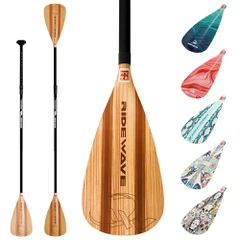
• adjustable paddle
• high-pressure pump
• backpack
• safety leash
• repair kit
Custom packaging and branded accessories can enhance product presentation but also add additional costs.
Logistics and Freight
Shipping costs depend on:
• production location
• order volume
• transportation method
Inflatable boards have an advantage because they can be packed compactly, reducing shipping volume compared with hard boards.
Marketing and Brand Development
Finally, building a successful brand requires investment in marketing activities such as:
• e-commerce store development
• digital advertising
• product photography
• influencer partnerships
Working with experienced Paddle Board manufacturers can help simplify the production stage, allowing brands to focus more on marketing and distribution.
10. Practical Tips for Building a Successful Paddle Board Brand
Entering the inflatable Paddle Boards market can be highly rewarding, but success depends on strategic planning.
Here are several practical recommendations for new brands and distributors.
Start with a Focused Product Line
Instead of launching too many products at once, many successful brands begin with two or three core Paddle Board models.
Common starter categories include:
• all-around boards
• touring boards
• yoga boards
This approach helps brands maintain clear positioning and manageable inventory levels.
Build a Strong Brand Identity
Modern outdoor consumers often connect with lifestyle-driven brands rather than generic products.
Brands should focus on:
• consistent visual design
• clear brand storytelling
• recognizable product aesthetics
Choose a Reliable Manufacturing Partner
Perhaps the most important decision is selecting the right manufacturing partner.
Experienced suppliers such as Ridewave can support brands with:
• flexible Low MOQ Paddle Boards
• stable manufacturing quality
• customization services for private labels
A reliable partner helps ensure consistent product quality while allowing the brand to scale production over time.
Stay Close to Market Trends
Successful brands continuously monitor trends in the paddle board industry, including:
• eco-friendly materials
• innovative board designs
• emerging water sports activities
By staying adaptable and maintaining strong supply chain partnerships, small brands can build long-term success in the growing inflatable Paddle Boards market.