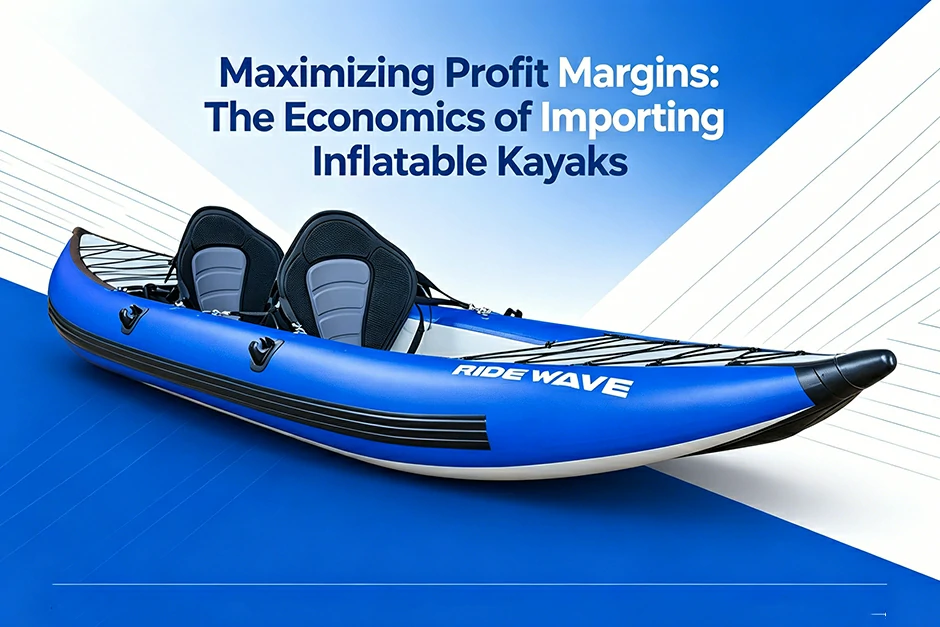

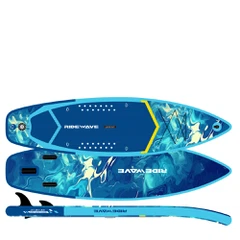
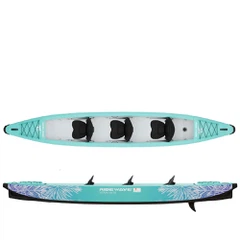

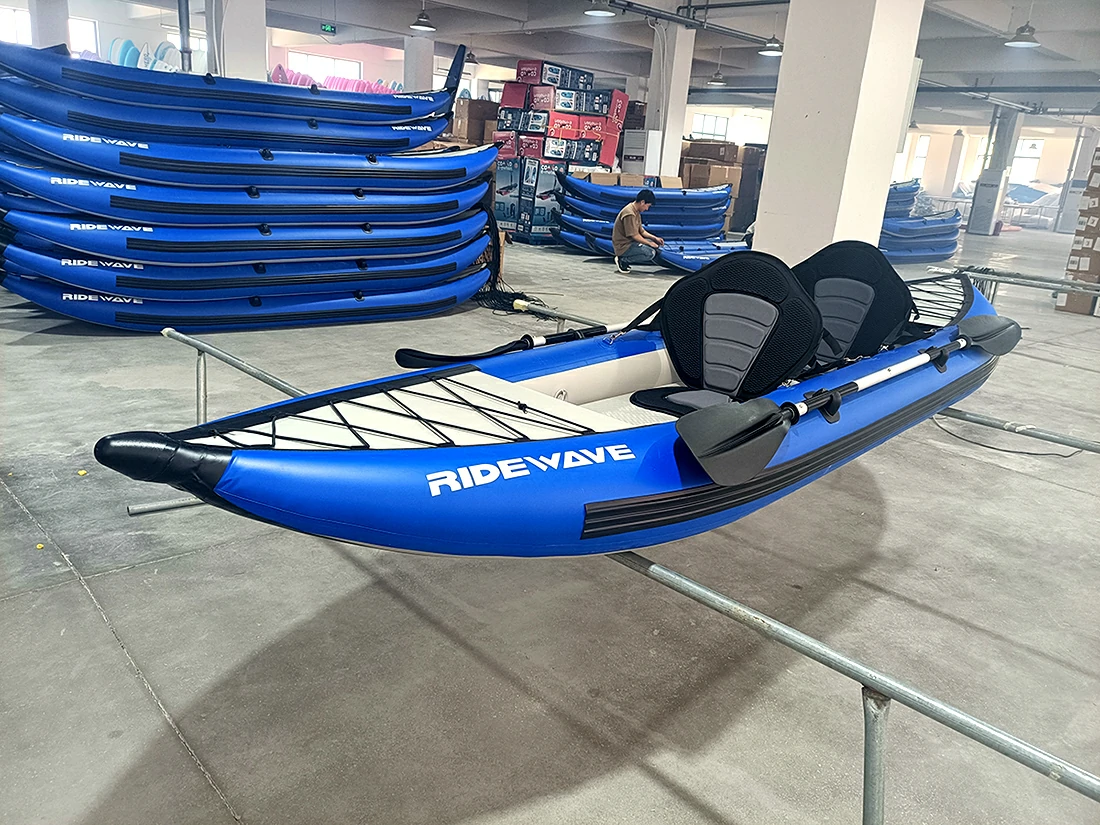
The global water sports market is experiencing a profound structural shift, forcing commercial distributors, bulk wholesalers, and marine outfitters to re-evaluate their entire procurement framework. As geopolitically driven maritime disruptions, fluctuating container freight indices, and strict port compliance regulations continue to challenge supply chain predictability, the ability to secure a stable, asset-protected flow of inventory has transcended basic operations-it is now a primary driver of profitability. For sourcing managers looking to capture high-season demand without drowning in prohibitive logistics overhead, traditional rigid watercraft present severe scaling limitations. This is precisely where capitalizing on high-performance inflatable kayak manufacturing and parallel product line extensions, such as high-pressure inflatable stand-up paddle boards, offers a transformative logistics advantage. By understanding how advanced material engineering directly mitigates transport risks, international B2B buyers can safeguard their profit margins against volatile ocean freight spikes.
Balancing Volatility with Volume:
Succeeding in the modern outdoor recreation market requires balancing immediate product availability with optimized container utilization. Heavy, molded hardshells drive up deadweight and trigger extensive oversized cargo surcharges during final-mile delivery. In contrast, sourcing certified inflatable rescue boats and premium drop-stitch kayaks allows distributors to maximize container volumetric efficiency, fitting up to five times more units per 40ft HQ container.
The Multi-Category Expansion Advantage:
Mature brands are no longer relying on a single product ecosystem. Integrating versatile, multi-layer inflatable paddle boards and specialized motorized inflatable SUPs alongside your core fleet creates a resilient, year-round inventory layout. This strategic cross-merchandising appeals directly to eco-conscious consumers and rental outfits, ensuring your warehouse throughput remains consistent even during transitional quarters.
Strategic Manufacturer Alliances:
Navigating complex international customs frameworks requires more than a standard freight forwarder; it demands a manufacturing partner with embedded supply chain expertise. Aligning your distribution network with an industry-vetted wholesale inflatable kayak factory like RIDEWAVE ensures that production schedules, structural quality control, and maritime documentation are synchronized to eliminate costly demurrage and detention fees at Western ports.
How Can Rigid vs. Inflatable Kayak Logistics Formats Dictate Your B2B Profit Margins?
For global marine product distributors and sports equipment wholesalers, single-unit manufacturing costs only tell half the story. The true test of a product's profitability lies in its volumetric footprint within the global intermodal transport network. Traditional rotomolded rigid watercraft, while durable, are inherently plagued by massive, unalterable physical dimensions. In the maritime shipping sector, where ocean freight rates are deeply tied to container utilization matrices, shipping dead air is the fastest way to erode a distributor's bottom line. When rigid hulls are stuffed into a container, their awkward geometry leaves vast amounts of unutilizable space, forcing buyers to pay premium freight rates for transporting empty air across the ocean. Furthermore, once these rigid vessels land at destination ports, they trigger severe "Oversized Cargo" and "Less-Than-Truckload (LTL)" surcharges from domestic freight carriers like FedEx, UPS, or regional logistics networks, often adding hundreds of dollars in unexpected overhead per unit.
This logistical bottleneck is precisely why commercial brands are rapidly pivoting toward military-grade drop-stitch kayaks and high-pressure inflatable stand-up paddle boards. By utilizing advanced double-wall PVC technology, an inflatable touring kayak engineered by a professional wholesale inflatable kayak factory can be deflated, compressed, and packed into a standard, stackable export carton that occupies a mere fraction of the space required by a hardshell counterpart. This optimization completely alters the profitability equation for B2B buyers. Instead of wrestling with rigid hulls that max out container volume long before reaching weight capacity, distributors can leverage the compact packaging of premium inflatables to drastically lower the per-unit landing cost. Whether you are an established watercraft brand expanding into the inflatable fishing kayak niche or an outdoor retail group introducing high-turnover inflatable paddle boards to your seasonal lineup, transitioning to deflatable formats directly translates into higher net margins and far more competitive retail pricing.

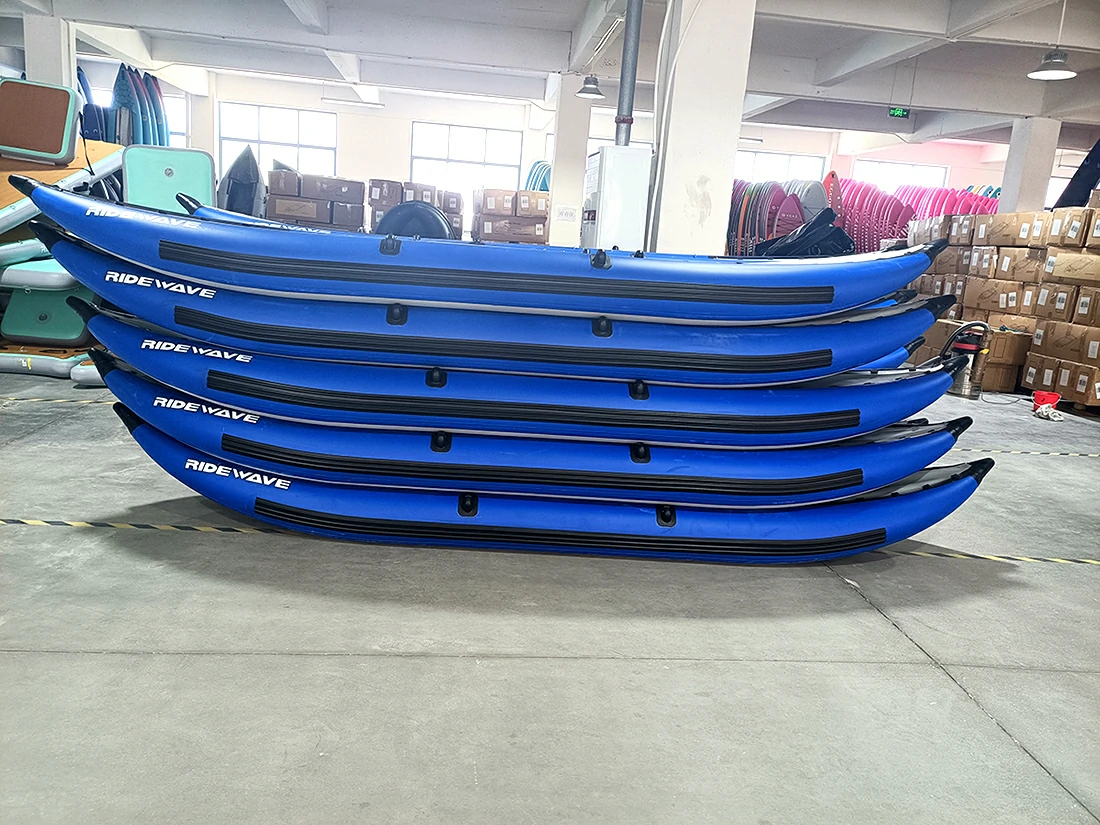
Maximizing Container Volumetric Yield: Standard 40ft HQ containers possess a fixed volume of roughly 76 cubic meters. A standard rigid tandem kayak takes up so much dimensional footprint that a container can rarely accommodate more than 80 to 100 units before becoming completely full. Conversely, the advanced engineering behind RIDEWAVE inflatable models allows distributors to pack between 400 and 500 deflated, retail-ready units into that exact same container space, cutting your transoceanic freight cost per unit by up to 80%.
Eliminating Final-Mile Oversized Surcharges: The financial bleeding for rigid watercraft buyers often intensifies during inland distribution. Western courier networks impose heavy penalties on items exceeding standard length thresholds. High-end inflatable rescue boats and consumer inflatables bypass these premium tier fees completely, shipping via standard regional parcel delivery setups, which simplifies your warehousing logistics and accelerates fulfillment times.
Optimizing Warehouse Floor Space Efficiency: Warehousing overhead per square foot in North America and Europe is at an all-time high. Storing 500 rigid kayaks requires massive vertical racking infrastructure and expansive floor layouts. Storing 500 RIDEWAVE all-around SUP boards or inflatable commercial kayaks requires only a few standard industrial pallets, maximizing your warehouse density and freeing up critical capital for inventory rotation.
| Logistics Performance Metrics | Traditional Rotomolded Rigid Kayak | RIDEWAVE Premium Inflatable Kayak | Multi-Layer Inflatable SUP Board |
| Average Packaging Volume per Unit | ~1.85 m³ (Uncompressed Hull) | ~0.16 m³ (Deflated & Boxed) | ~0.11 m³ (Deflated & Boxed) |
| 40ft HQ Container Capacity (Units) | 80 – 110 Units (Max Volume) | 420 – 480 Units (Optimized) | 650 – 750 Units (High Density) |
| Est. Ocean Freight Cost per Unit | High Premium ($$$) | Ultra-Low / Distributed ($) | Minimal / High Yield ($) |
| Final-Mile Courier Classification | Oversized Freight / LTL Only | Standard Parcel Delivery | Standard Parcel Delivery |
| Domestic Surcharges Triggered | Yes (Length & Handling Fees) | No (Fits Standard Pallets) | No (Fits Standard Pallets) |
| Warehouse Stacking Capability | Low (Requires Specialized Racks) | High (Stackable up to 5 Layers) | High (Stackable up to 6 Layers) |
Which Shipping Mode Offers the Best Balancing Act Between Speed and Cost for Intercontinental Water Sports Cargo?
Selecting the optimal transit corridor for bulk watercraft delivery is never a static, one-size-fits-all operational decision. For commercial distributors and high-volume sports gear retailers, logistics management is an intricate exercise in balancing capital tie-up periods against market responsiveness. Depending on whether an importer is executing an initial pre-season stocking strategy in Q1 or chasing a viral retail trend mid-summer, the choice between Ocean Freight Full Container Load (FCL), Less than Container Load (LCL), Rail Freight, or strategic Multimodal Intermodal pathways will directly determine the agility of their supply chain. In the competitive marine recreation sector, a delay of even two weeks can mean missing the foundational peak of the summer buying season, turning a high-margin investment into dead stock that incurs continuous warehousing overhead. Therefore, identifying a manufacturer that aligns production velocity with advanced multimodal routing is essential for sustaining market velocity.
When importing high-density shipments of a premium inflatable kayak line or top-tier inflatable stand-up paddle boards, ocean freight remains the economic backbone of global trade. However, relying purely on standard maritime timetables during periods of peak port congestion or canal restrictions is a high-risk strategy. Savvy corporate buyers mitigate these variables by segmenting their inventory intake into strategic waves. Initial base stocks are deployed via cost-minimized FCL channels months in advance. As the peak season unfolds, agile brands utilize expedited intermodal solutions-such as sea-rail combinations or deferred air freight for high-value components-to rapidly replenish local fulfillment nodes without incurring the full financial weight of emergency air transport. Partnering with an experienced wholesale inflatable kayak factory that coordinates directly with premium global freight forwarders allows commercial importers to utilize optimized container stuffing patterns, ensuring that every square inch of ocean or rail capacity is structurally sound and financially optimized.
Ocean Freight Full Container Load (FCL) Optimization: For established distributors, FCL is the absolute gold standard for achieving the lowest possible landed cost per unit. By filling an entire 20ft or 40ft HQ container with compressed inflatable fishing kayak stock and high-turnover all-around SUP boards, buyers eliminate the handling risks and mixed-cargo delays inherent in public consolidation hubs.
Less than Container Load (LCL) for Mid-Season Agility: When testing a new geographic market or launching a specialized product extension, such as a specialized inflatable rescue boats series, committing to a full container may overextend purchasing budgets. Strategic LCL shipments allow brands to maintain lean inventory levels, provided the manufacturer utilizes heavy-duty, moisture-sealed export packaging to protect the high-pressure PVC drop-stitch materials from neighboring cargo contamination.
The Intermodal Rail and Sea-Air Alternative: For European and inland North American distribution networks, modern rail corridors and sea-air transshipment hubs offer a viable middle ground. When maritime bottlenecks around major chokepoints lengthen ocean transit times by 20+ days, transitioning mid-season reorders of touring inflatable SUPs to expedited intermodal lanes ensures your retail dealer network remains fully stocked when consumer demand peaks.
What Hidden Tariffs and Customs Compliance Rules Must North American and European Importers Prepare For?
Navigating the labyrinth of international customs entry procedures is often the most legally sensitive phase of commercial watercraft procurement. For high-volume importers across North America, the European Union, and Oceania, customs compliance is not a mere administrative formality; it is a critical regulatory gatekeeper that can immediately make or break a product line's financial viability. Misclassifying commercial cargo or failing to supply verified product safety certifications at the port of entry does not just result in minor logistical delays. It frequently triggers severe punitive measures, including extended custom seizures, costly terminal storage fees (demurrage), and massive financial penalties issued by enforcement bodies like U.S. Customs and Border Protection (CBP) or European national customs directorates. To build a resilient supply chain, corporate sourcing managers must partner with manufacturers that treat regulatory documentation with the same level of precision as physical product engineering.

A primary pitfall for many B2B buyers lies in the precision of Harmonized System (HS) code assignment. Inflatable watersports equipment-ranging from dual-chamber inflatable kayak designs to high-pressure inflatable stand-up paddle boards-frequently falls under scrutiny regarding whether it should be classified as standard pleasure craft, specialized sports equipment, or inflatable toys. Each variation carries starkly different baseline tariff rates, trade remedies, and anti-dumping duties depending on the country of origin. Furthermore, Western markets enforce strict non-tariff barriers. In Europe, compliance with the CE Marking, Recreational Craft Directive (RCD), and REACH chemical safety testing for PVC materials is non-negotiable for commercial retail placement. In the United States, adherence to the Federal Hazardous Substances Act (FHSA) and California Proposition 65 chemical thresholds is equally critical. Aligning your enterprise with a compliance-vetted wholesale inflatable kayak factory like RIDEWAVE ensures that every commercial invoice, packing list, bill of lading, and certificate of origin is perfectly harmonized to facilitate immediate, friction-free customs clearance.
Strategic HS Code Optimization: Ensuring your freight forwarder utilizes the correct specific classification-such as HS Code 8903.93 for inflatable vessels-is vital for mitigating unexpected tariff exposures. A professional manufacturer assists your customs broker by providing detailed structural blueprints and material specifications for your inflatable fishing kayak or all-around SUP boards shipments, eliminating arbitrary up-classifications by customs inspectors.
Navigating Non-Tariff Material Certifications: Modern consumer defense frameworks in Western markets heavily penalize unauthorized plastics. Importers purchasing high-density inflatable rescue boats or commercial fleets must secure verified lab testing reports proving that all PVC layers, drop-stitch adhesives, and valve polymers are completely free of banned phthalates and heavy metals, safeguarding your brand from costly post-market recalls.
Mitigating High-Season Demurrage Risks: When ports operate at maximum capacity during Q3, a single missing documentation field-such as an unverified manufacturer identification code (MID)-can stall an entire FCL shipment. Utilizing an established supplier with deep experience in shipping touring inflatable SUPs to European and North American distributors minimizes this risk through proactive, pre-filed documentation processing.
How Does Precision Packaging Engineering Protect Premium Inflatable Kayaks from Long-Transit Damage?
The journey across global intermodal maritime routes exposed high-value aquatic inventory to extreme physical and environmental stressors. For commercial marine distributors and action sports brands, transit damage represents a severe operational failure that extends far beyond the immediate financial cost of the ruined product. When a shipment of high-pressure inflatable kayak stocks or premium inflatable stand-up paddle boards arrives at a Western destination warehouse with ruptured exterior packaging, compromised seams, or crushing damage, it triggers a catastrophic domino effect: insurance claim disputes, missed retail launch windows, and strained dealer relationships. Transoceanic transit routinely subjects ocean freight containers to violent hydrodynamic shifts (pitch, roll, and heave) alongside severe internal microclimate fluctuations, where temperatures can spike past 60°C (140°F) in tropical waters, accelerating the degradation of substandard adhesives and polymers. Therefore, heavy-duty structural packaging engineered specifically for long-distance durability is a mandatory requirement for inventory preservation.
To combat these hidden transit vulnerabilities, premium watercraft engineering must extend past the factory production line and directly into the packaging architecture. Cheap, single-wall cardboard and standard plastic shrink-wrapping are wholly inadequate for protecting complex drop-stitch hulls over a 45-day voyage. Leading B2B sourcing entities actively seek a manufacturing partner that integrates industrial-grade defensive packaging protocols. Utilizing custom-molded interior stabilization, heavy-gauge multi-layer corrugated boxing, and specialized internal vacuum barriers guarantees that high-pressure valves, reinforced D-ring patches, and tracking fin boxes remain completely uncompressed and free from frictional wear. By partnering with a specialized wholesale inflatable kayak factory like RIDEWAVE, commercial buyers ensure that their bulk investments-whether high-performance
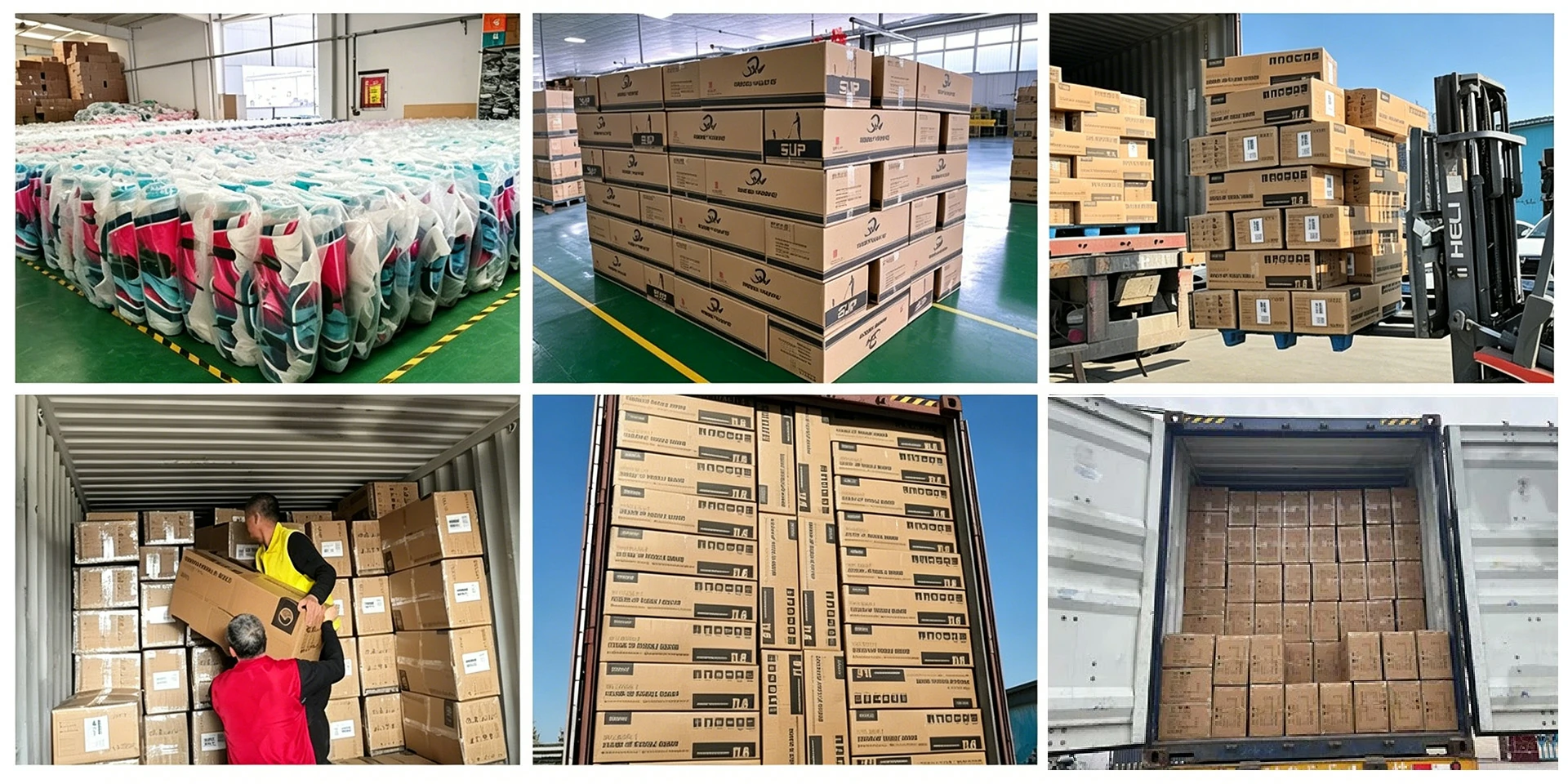
inflatable fishing kayak fleets or high-volume all-around SUP boards-are wrapped in a structural shield that maintains pristine, shelf-ready condition regardless of maritime turbulence.
Defending Against Cross-Compression and Container Crushing: In a tightly packed 40ft HQ container, bottom-tier cargo must withstand immense static downward pressure. Standard packaging collapses under these loads, causing permanent deformation to the internal drop-stitch fibers of an inflatable touring kayak. Advanced packaging relies exclusively on double-wall, 7-layer BC-flute corrugated fiberboard boxes engineered with a minimum edge crush test (ECT) rating of 60 lbs/in, effectively forming a rigid exoskeleton around every compressed hull.
Neutralizing Container Rain and Moisture Degradation: High-humidity ocean transit causes a phenomenon known as "container rain," where condensation continuously drips from the steel ceiling of the container. If moisture penetrates the shipping carton, it weakens the cellulose structure of the paper, leading to box collapse and mold growth on high-end touring inflatable SUPs. Implementing heavy-duty, virgin polyethylene (PE) internal vacuum bags and industrial desiccant packets shields the high-pressure PVC materials from structural and aesthetic moisture damage.
Component Isolation and Point-Pressure Prevention: Inflatable watercraft feature rigid plastic components, including inflation valves, multi-layered fin boxes, and high-tensile structural D-rings. During transit vibration, these rigid parts can rub against the folded PVC hull, creating catastrophic puncture points or deep cosmetic scuffs on commercial inflatable rescue boats. Eliminating this risk requires custom-tailored interior foam blocking and heavy-gauge protective caps that isolate all rigid hardware from the flexible composite materials.
Why Is a Robust Nearshore and Overseas Warehouse Strategy Vital for Mitigating Q3 Peak Season Freight Surges?
The financial health of an outdoor recreation brand or marine equipment distributorship is heavily dictated by seasonal velocity. In the water sports sector, the third quarter (Q3) represents the absolute apex of consumer retail demand, but for supply chain managers, it is simultaneously the most volatile period within the global freight market. Every year, the massive push for holiday inventory triggers a synchronized surge in transoceanic cargo volumes, resulting in severe space constraints, port gridlocks, and aggressive Peak Season Surcharges (PSS) imposed by ocean liners. For a B2B importer relying solely on just-in-time factory fulfillment from Asia, placing a bulk inflatable kayak or premium inflatable stand-up paddle boards production order in May or June often means walking directly into a logistical trap. If a shipment is bumped from a vessel or stalled during port customs inspection, the inventory will inevitably miss the mid-summer sales window, forcing distributors to carry capital-heavy deadstock through the slow winter quarters while absorbing astronomical spot-market freight rates.
To decouple corporate growth from these cyclical logistics crises, mature market leaders are aggressively shifting from reactive sourcing to proactive nearshore and overseas warehouse (OSW) allocation. Moving bulk inventory across the ocean during the low-demand periods of Q1 and early Q2 allows high-volume sports gear wholesalers to bypass shipping premiums completely, ensuring that products are positioned in regional fulfillment centers across North America, Europe, or Australia months before consumer demand spikes. Aligning your distribution pipeline with an enterprise-grade wholesale inflatable kayak factory that coordinates directly with regional multi-node warehouse setups-such as RIDEWAVE and its streamlined commercial logistics networks-empowers B2B buyers to execute localized 48-hour fulfillment. This strategic positioning converts logistics from an unpredictable cost center into a powerful commercial lever, allowing you to seamlessly absorb mid-season reorders for top-selling inflatable fishing kayak lineups or high-turnover all-around SUP boards without exposing your business to the chaos of Q3 maritime freight spikes.
Bypassing Volatile Spot-Market Freight Spikes: Transoceanic container rates during the Q3 peak can easily double or triple compared to off-season benchmarks. By utilizing an early-season FCL deployment strategy to load regional overseas distribution nodes with high-density compressed inflatable touring kayak inventory, buyers lock in predictable, low-season baseline freight costs, preserving substantial net profit margins.
Accelerating Wholesale Dealer Turnaround Times: Modern retail dealers and rental outfitters refuse to wait 45 days for backorder fulfillment in July. Having localized, palletized reserves of premium touring inflatable SUPs and high-demand commercial inflatable rescue boats stored inside regional nearshore facilities enables immediate, localized Less-Than-Truckload (LTL) dispatch, allowing your brand to secure market share while competitors face factory-to-port stockouts.
Optimizing Corporate Cash Flow Fluidity: Committing large amounts of capital to open-ocean cargo that takes 40+ days to arrive severely restricts a distributor's working capital. Transitioning to a localized overseas warehouse model enables smaller, rapid-fire stock pull-downs, drastically reducing inventory holding periods, maximizing stock turn metrics, and freeing up critical liquid capital for localized omni-channel marketing execution.
How Can Water Sports Brands Leverage Sustainability in Supply Chain Logistics to Win Eco-Conscious Consumers?
The consumer demographic driving growth across North American, European, and Australasian water sports markets has instituted a profound cultural mandate: sustainability is no longer an optional marketing gimmick; it is an foundational purchasing criterion. For enterprise-level distributors, global marine brands, and high-volume retail buyers, eco-conscious supply chain integration represents a powerful commercial engine capable of unlocking massive brand premium and ensuring long-term shelf placement. Major Western retail chains and outdoor consumer cooperatives are increasingly auditing their vendor networks based on strict Environmental, Social, and Governance (ESG) compliance metrics. Importers who continue to rely on logistics formats wrapped in heavy non-recyclable single-use plastics or distribution paths that generate excessive transit carbon emissions face an immediate threat of regulatory exclusion or severe consumer backlash. Transitioning to smart, green logistics frameworks is the most direct method to secure a future-proof market foothold.
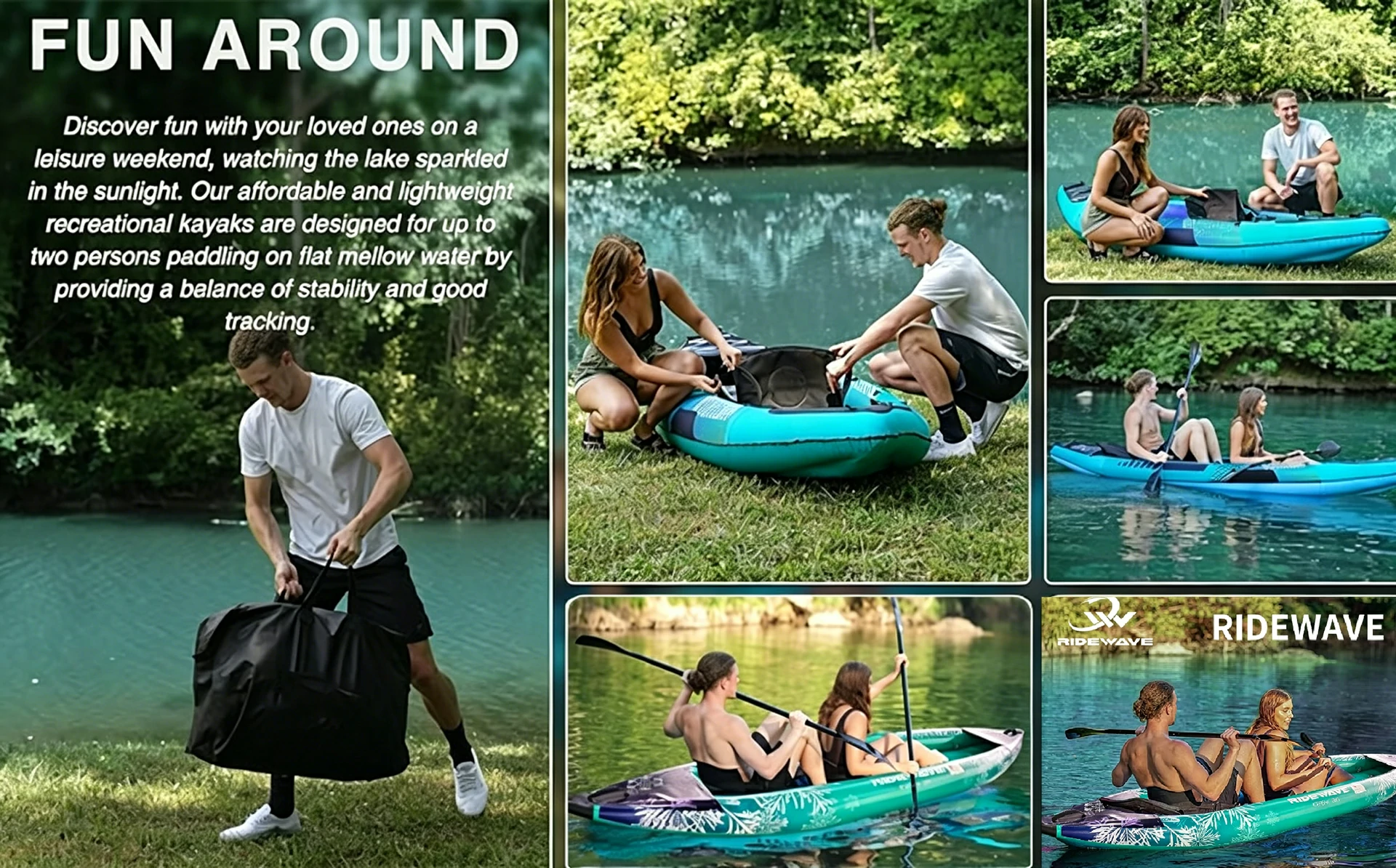
This ecological paradigm shift directly explains why sophisticated commercial sourcing networks are accelerating their transition from rigid watercraft to high-performance inflatable kayak lines and multi-layer inflatable stand-up paddle boards. The core sustainability benefit of an inflatable touring kayak is intrinsically linked to its logistical efficiency. Because a top-tier wholesale inflatable kayak factory can compress a high-pressure drop-stitch hull into an incredibly compact volumetric footprint, the transport-related carbon footprint per unit is effectively slashed by up to 80% compared to shipping a rigid rotomolded kayak. By packing significantly more units into a single transoceanic container, brands achieve massive, verifiable reductions in greenhouse gas emissions per product delivered. Partnering with a progressive manufacturer like RIDEWAVE-which actively optimizes manufacturing workflows, integrates biodegradable structural packing materials, and minimizes plastic waste throughout the assembly phase-allows B2B buyers to market a genuinely green product ecosystem that resonates with eco-conscious consumers and easily clears stringent Western ESG procurement standards.
Verifiable Maritime Carbon Footprint Reduction: Ocean freight logistics efficiency is directly correlated with environmental responsibility. When a 40ft HQ container carries 450 units of highly compressed RIDEWAVE all-around SUP boards or inflatable commercial vessels instead of just 90 rigid hulls, the total fuel combustion and maritime emission profile required to bring each unit to market is drastically minimized, providing a concrete data point for corporate sustainability reporting.
Implementing Zero-Waste Bio-Based Export Packaging: Traditional shipping methodologies utilize massive amounts of non-biodegradable polyethylene stretch wraps and expanded polystyrene (EPS) foam blocks, both of which are heavily taxed or banned in advanced European and North American retail zones. Leading factories replace these hazardous materials with molded pulp corner guards, recycled kraft paper void fillers, and starch-based biodegradable protective coverings, ensuring hassle-free commercial recycling compliance at destination warehouses.
Capturing Premium Market Segments via Eco-Labeling: Discerning consumers in the outdoor recreation sector actively seek out products that carry verifiable eco-friendly credentials. Integrating eco-vetted inflatable fishing kayak models and certified inflatable rescue boats into your portfolio empowers your dealer network to leverage sustainable supply chain storytelling, driving higher customer retention rates and justifying premium retail price points that support healthy wholesale margins.
What Key Terms inside International Freight Contracts Protect B2B Buyers from Volatile Surcharges?
The true test of a resilient procurement framework lies in the structural integrity of its underlying commercial agreements. For commercial marine distributors, international high-volume wholesalers, and enterprise-level sports gear brands, negotiating the unit price of a premium watercraft is only the introductory phase of cost containment. The most critical financial vulnerabilities are frequently buried inside the boilerplate language of international freight contracts and maritime bills of lading. In an era marked by rapid supply chain fluctuations, unexpected geopolitical rerouting, and abrupt capacity contractions, relying on vague logistics agreements is an immediate liability. Importers purchasing mass orders of an advanced inflatable kayak line or high-velocity inflatable stand-up paddle boards must ensure that their manufacturing and freight contracts contain airtight, legally binding mechanisms designed to neutralize arbitrary surcharges and insulate their working capital from volatile market spikes.
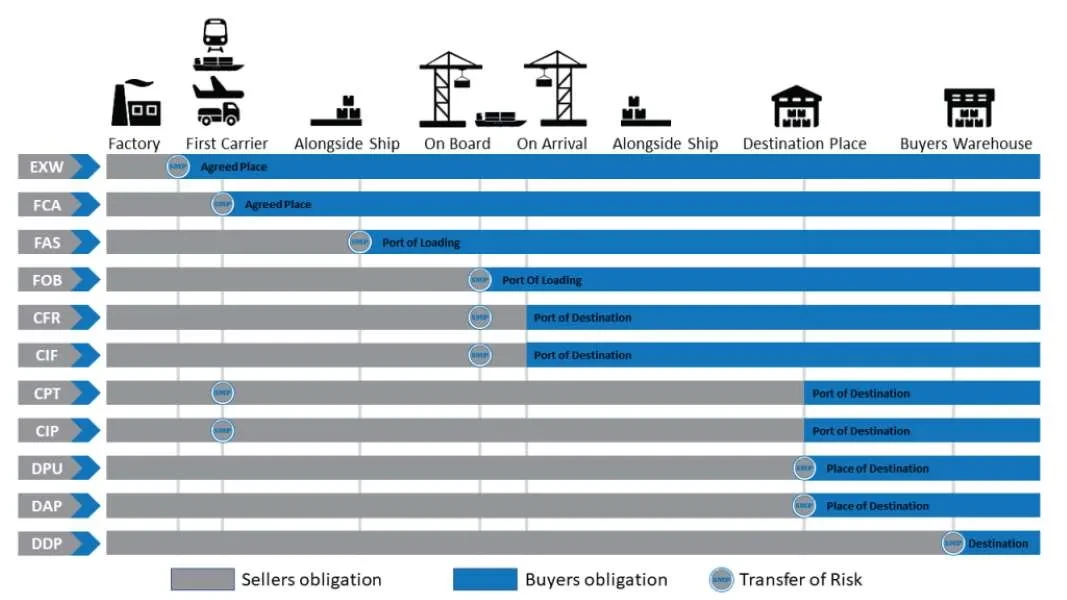
A primary error among commercial purchasing agents is the failure to properly delineate the precise transition of risk, title, and auxiliary financial liability using the correct Incoterms 2020 frameworks. Opting for poorly structured shipping terms frequently exposes B2B buyers to hidden terminal expenses, arbitrary currency adjustments, and aggressive destination handling fees that completely vaporize projected retail margins. To establish an unassailable supply chain, corporate sourcing executives require a manufacturing partner that operates with absolute financial transparency and collaborates to structure defensive trade contracts. Aligning your enterprise with a contractually disciplined wholesale inflatable kayak factory like RIDEWAVE ensures that international agreements are structured to eliminate unexpected operational friction, providing a legally mandated pricing lock that shields your bulk investments-from high-performance inflatable fishing kayak fleets to top-tier all-around SUP boards-from the volatile undercurrents of global shipping.
Mitigating Volatile Carrier Surcharges via Rate Lock Clauses: Global ocean liners frequently introduce sudden, severe budget disruptors, such as Bunker Adjustment Factors (BAF), Currency Adjustment Factors (CAF), and emergency General Rate Increases (GRI). Commercial sourcing contracts must incorporate specific "Rate Stabilization" or fixed-tariff agreements with clear expiration boundaries, preventing freight forwarders or suppliers from arbitrarily shifting maritime macro-costs onto your mid-season inflatable touring kayak arrivals.
Precision Demurrage and Detention Allocation: Port congestion can delay container extraction for days, immediately triggering catastrophic demurrage (port storage) and detention (container equipment retention) penalties. Airtight B2B purchase orders explicitly establish a "Free Time Extension" provision (ideally a minimum of 14 standard calendar days at destination) and clearly define fault boundaries, ensuring that if a delay stems from delayed manufacturer documentation, the financial liability rests solely with the exporter.
Decoupling Sourcing from Localized Destination Fee Traps: Many novice wholesale buyers are enticed by low baseline ocean freight quotes, only to be hit with exorbitant, unverified local handling fees, warehouse segregation surcharges, and documentation release penalties upon port arrival. Ensuring your manufacturing ally outlines a transparent, comprehensive breakdown of fees under clear terms-whether operating via optimized FOB loading or fully integrated DDP networks for specialized inflatable rescue boats-is the ultimate safeguard against final-mile financial predation.
| Negotiated Incoterm | Buyer Risk Transition Point | Buyer Surcharge Exposure | Recommended Contractual Safeguard Clause | RIDEWAVE Operational Strategy |
| EXW (Ex Works) | At the factory shipping bay doors | Extreme (Buyer assumes all origin, maritime, and destination volatility) | Implement independent third-party freight auditing prior to container loading. | Provides certified cargo dimensional sheets to guarantee precise third-party truck sizing. |
| FOB (Free On Board) | Once cargo crosses the vessel's rail at origin | Moderate (Protected from origin spikes; exposed to ocean freight shifts) | Insert a mandatory "Carrier Selection Right" clause to maintain control over maritime freight contract terms. | Coordinates directly with buyer-designated forwarders to execute rapid origin terminal delivery. |
| CIF (Cost, Insurance & Freight) | At the destination port of discharge | High (Highly vulnerable to hidden destination terminal fees and unverified handling markups) | Demand a legally binding, exhaustive itemized manifest of destination terminal charges prior to origin departure. | Utilizes exclusively top-tier, globally vetted shipping lines with fully transparent, public baseline rate structures. |
| DDP (Delivered Duty Paid) | At the buyer's final destination warehouse | Zero (All transport, duty, and delivery risks remain with the manufacturer) | Include a definitive "Guaranteed Delivered Price" clause with zero allowance for post-signature transport escalations. | Manages the complete intermodal pipeline with pre-cleared customs clearance and all-inclusive pricing. |
Final Action Blueprint
Navigating the logistical complexities of largewatercraft distribution demands a sophisticated convergence of product innovation, precise packaging engineering, environmental compliance, and rigorous contractual protection. As the global water sports landscape continues to expand throughout Western commercial markets, the distributors, wholesalers, and major retailers who successfully command their supply chains will inevitably command their local economies. Transitioning your primary inventory matrix from traditional rigid hulls to high-density, high-performance drop-stitch inflatables represents the single most effective operational leverage point to instantly multiply container capacity, eradicate final-mile oversized penalties, and fulfill modern ESG sustainability mandates.
To capture maximum market share without falling victim to transoceanic logistics gridlocks, enterprise sourcing networks must cease treating shipping as an isolated operational variable. By forging a comprehensive strategic alliance with a world-class manufacturing authority like RIDEWAVE, your brand gains more than a premium supplier of elite touring inflatable SUPs and industrial-grade inflatable hulls; you acquire an embedded global logistics support infrastructure dedicated to safeguarding your net profit margins. The blueprint to securing a dominant, future-proof market position requires moving decisively: optimize your container footprints, audit your customs compliance documentation, mandate defensive freight contract language, and position your inventory early within regional nearshore networks.
Related Articles
Inflatable Kayak Safety Checklist: Tips For Every Paddler
Performance Metrics: Why Rigid Performance Matters in Inflatable Kayaks
Comparing 1-Person Vs.2-Person Kayak Vs. 3-Person Kayak Designs For Your Catalog
Safety Standards For Inflatable Kayaks: What Importers Must Know