
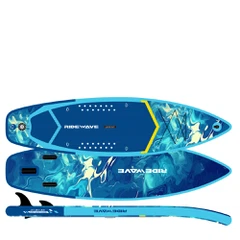
Inflatable paddle boards (iSUPs) have transformed water sports, offering portability, durability, and versatility that traditional hard boards cannot match. Their design allows them to be deflated, rolled up, and transported easily, making them ideal for travel, storage, and spontaneous water adventures. But the craftsmanship behind a high-quality iSUP is far more sophisticated than most people realize. From selecting premium materials to employing advanced construction techniques and conducting rigorous quality testing, each board represents a blend of engineering precision, creative design, and environmental consideration. In this article, we explore in depth how inflatable paddle boards are made, highlighting the materials, manufacturing processes, technological innovations, and sustainability practices that define modern iSUPs.
Understanding the Basics of iSUPs
What Makes Inflatable Paddle Boards Unique
The most fundamental difference between inflatable and hard paddle boards is the core technology that allows an iSUP to be both rigid and portable. At the center of every board is drop-stitch fabric, a material composed of thousands of fine threads connecting two layers of durable PVC or TPU. When inflated, these threads pull tight, creating a strong and rigid structure capable of supporting the weight of a rider while maintaining flexibility for maneuverability. This unique combination of strength and portability is what makes iSUPs popular among beginners seeking stability and experienced paddlers looking for performance.
The iSUP's structure also provides versatility across various water conditions. Unlike rigid boards, inflatable boards can flex slightly under waves, reducing stress on the rider and the board itself. This elasticity contributes to a smoother ride and minimizes the risk of cracks or damage when encountering obstacles in lakes, rivers, or coastal waters. The technological design allows the board to maintain its shape under high air pressure, typically between 12–20 PSI, ensuring optimal performance without sacrificing portability.
The Role of Materials
Materials are the foundation of every high-performance iSUP. High-quality PVC is the most commonly used outer layer, valued for its durability, abrasion resistance, and affordability. In premium boards, TPU (thermoplastic polyurethane) is increasingly used as it offers similar durability with less environmental impact, making it a more eco-conscious choice. For top-of-the-line models, carbon fiber reinforcements are incorporated to increase stiffness while reducing weight, enhancing glide efficiency and responsiveness.
Beyond the outer layers, internal construction often includes deck stringers and internal beams that provide additional rigidity. These elements improve performance during long-distance paddling and support heavier riders without compromising the board's integrity. Even small details, such as the type of thread used in drop-stitch fabric, can influence the board's resilience, air retention, and longevity.
The Manufacturing Process
Precision Cutting and Shaping
Manufacturing begins with precision cutting of the drop-stitch core. Accuracy is paramount because even minor deviations can negatively impact balance, glide, and stability. Modern factories utilize CNC machines, laser cutters, or die-cut templates to achieve consistent shapes and dimensions for every board. This stage sets the foundation for all subsequent manufacturing steps, as errors here cannot be corrected later without significant effort or material waste.
Layering, Bonding, and Printing
After cutting, the board enters the layering and bonding stage, where the drop-stitch core is combined with outer layers of PVC or TPU. Depending on the construction method, manufacturers may use heat bonding, lamination, or fusion techniques to create a seamless surface. Fusion bonding has become particularly popular because it eliminates the need for adhesives, reducing weight and improving durability.
During this stage, custom graphics and logos are printed onto the board's surface. High-resolution digital printing ensures that designs are vibrant, durable, and resistant to fading, even after prolonged exposure to sunlight and water. Aesthetic appeal is essential not just for marketing, but also for providing customers with a personalized experience. Premium boards may feature additional layers for UV protection, enhancing the board's longevity under harsh outdoor conditions.
Valve Installation and Rail Reinforcements
Next, manufacturers install inflation valves, which are critical for maintaining air pressure and preventing leaks. Proper valve installation involves precise positioning, sealing, and testing under pressure. Rail reinforcements are also added at this stage, strengthening the edges of the board to resist impacts from docks, rocks, or other obstacles. These reinforcements often consist of extra layers of PVC or TPU and may include integrated rub rails to further enhance durability.

Construction Methods and Structural Enhancements
Different Types of Construction
Inflatable paddle boards can be constructed in several ways, each affecting performance, durability, and cost:
- Single Layer Construction: This method uses a single layer of PVC over the drop-stitch core. It is lightweight and cost-effective, ideal for casual paddlers, but generally less rigid and durable than more advanced designs.
- Double Layer Construction: Two layers of PVC or TPU are bonded over the core, providing improved stiffness and resistance to punctures. This is common in mid-range boards designed for more frequent or challenging use.
- Fusion Construction: A modern technique where two layers are fused together during manufacturing, reducing weight while increasing strength and rigidity. Fusion boards are often favored by high-performance paddlers.
- Woven Fusion Construction: An advanced form of fusion construction that incorporates a woven fabric layer, providing superior stiffness, strength, and stability, especially for touring or racing boards.
Design Innovations
High-end boards often feature internal stringers, deck beams, or carbon fiber reinforcement. These elements improve load distribution, minimize flex during paddling, and enhance speed and maneuverability. Design innovations also include strategically placed bungee storage areas, handle grips, and attachment points for accessories such as action cameras, water bottles, or safety gear. Manufacturers constantly refine these features to meet evolving user needs while maintaining performance standards.

Ensuring Safety and Performance
After assembly, each iSUP undergoes rigorous quality testing. Boards are inflated to maximum operating pressure to test for leaks, structural integrity, and air retention. Visual inspections detect manufacturing defects, while flexibility and impact tests ensure the board can withstand real-world conditions. High-end brands often subject boards to additional load-bearing and stress testing to verify performance under extreme conditions.
Consistency and Standardization
Large-scale manufacturers follow strict SOPs (Standard Operating Procedures) at every stage-from material sourcing to cutting, bonding, and final inspection. These procedures ensure consistency across batches, meaning every board from the same model meets identical performance and safety standards. Maintaining these high standards is essential for customer satisfaction and brand reputation.
Eco-Friendly Practices and Sustainability
Reducing Environmental Impact
As environmental awareness grows, manufacturers increasingly adopt sustainable practices. This includes using recyclable PVC, low-VOC adhesives, and energy-efficient production processes. Factories also focus on reducing material waste during cutting and bonding, recycling scraps, and minimizing packaging materials to lower their carbon footprint.
Long-Term Durability
Sustainability isn't just about production; it's also about product lifespan. A well-constructed iSUP can last for years, reducing the need for frequent replacements and minimizing environmental impact over time. Brands increasingly market durability as a key eco-friendly feature, encouraging customers to invest in boards that provide long-term value.

The Future of Inflatable Paddle Boards
Emerging Technologies
The iSUP industry continues to evolve through material innovation, automated assembly, and design enhancements. Lightweight composites, fusion techniques, and integrated carbon fiber components are making boards stiffer, lighter, and more responsive. 3D printing and digital fabrication may further improve customization and production efficiency.
Enhancing the User Experience
Modern iSUPs focus not just on performance but also on portability, ergonomics, and personalization. Boards can now be tailored by length, width, thickness, color, graphics, and accessory compatibility, allowing paddlers to create a fully customized experience. These innovations ensure that the next generation of iSUPs will be safer, faster, and more enjoyable for every level of rider.
Conclusion
Inflatable paddle boards are the result of sophisticated engineering, advanced materials, and meticulous craftsmanship. Every stage of production-from selecting premium PVC and drop-stitch fabrics to precision cutting, bonding, printing, valve installation, and quality testing-plays a crucial role in delivering boards that are strong, durable, and highly functional. With continuous innovation in materials, construction methods, and sustainable practices, iSUPs are not only becoming more performance-driven but also more environmentally responsible. Understanding this intricate manufacturing process gives paddlers a deeper appreciation for the craftsmanship and technology that goes into every ride, and highlights the ongoing commitment of brands like Ridewave to deliver high-quality, eco-conscious, and enjoyable paddle boarding experiences.
- OEM & ODM SUP Solutions: Why Brands Choose Professional Manufacturers
- Choosing The Right SUP Shape: All-Around, Touring, Racing, And Beyond
- Material Matters: Drop-Stitch Technology, PVC Layers, And Eco-Friendly Alternatives
- SUP Accessories That Enhance Your Experience On The Water
- The Rise Of Customizable Paddle Boards: Shape, Design, And Brand Identity
- Testing And Quality Control: Ensuring Durability And Performance