
In recent years, the global stand-up paddle board (SUP) market has experienced extraordinary growth. From recreational users seeking adventure on lakes and rivers to professional athletes testing their skills in open waters, inflatable SUPs and rigid paddle boards have become an essential part of water sports culture. With the sport expanding worldwide, more and more brands are looking to enter the market or scale their existing presence. But building a successful SUP product line requires more than just a logo-it takes reliable manufacturing, strong design expertise, and proven quality control. That's why many companies turn to OEM SUP and ODM paddle board solutions offered by professional factories.
In this article, we will take an in-depth look at why brands choose professional SUP manufacturers for their OEM, ODM, and OBM needs, how these partnerships work, and what makes them a crucial part of success in a highly competitive market.
Understanding OEM, ODM, and OBM in the SUP Industry
When discussing paddle board manufacturing, three terms often come up: OEM, ODM, and OBM. Each represents a different type of service, and knowing the difference is critical for brands deciding how to approach their product strategy.
OEM SUP (Original Equipment Manufacturer): In this model, the brand provides specifications-such as shape, size, material, and design-and the factory manufactures the paddle boards based on those requirements. This is perfect for brands that already know their target product but need a reliable SUP factory to bring it to life.
ODM SUP (Original Design Manufacturer): Here, the factory provides the design and development, allowing brands to choose from ready-made concepts or customize them further. For brands that don't have an in-house design team, ODM paddle board solutions are a cost-effective way to expand product lines quickly with professional support.
OBM (Original Brand Manufacturer): This approach means the manufacturer not only designs and produces the boards but also markets them under its own brand or a co-branding arrangement. For smaller retailers or distributors, OBM can provide instant access to high-quality paddle boards without the heavy investment in R&D.
By offering these models, professional paddle board factories give brands flexibility depending on their resources, goals, and market positioning.

The Rising Demand for OEM & ODM SUP Solutions
The global paddle board market is not just growing-it's evolving. Consumers today are looking for customized paddle boards that reflect their lifestyle, preferences, and performance needs. From eco-friendly materials and vibrant graphics to boards optimized for yoga, touring, or racing, the demand for variety is pushing brands to diversify their offerings.
For brands, this creates both opportunity and pressure. Developing and producing multiple product lines in-house is expensive and time-consuming. Partnering with an experienced SUP manufacturer through OEM or ODM services solves this challenge. Factories with advanced production lines can handle large volumes while maintaining consistency and quality. At the same time, they allow brands to scale faster and stay competitive.
Moreover, many retailers and distributors prefer to launch private-label paddle boards that reflect their brand identity without the burden of setting up their own manufacturing infrastructure. This is where OEM paddle board factories step in, offering both flexibility and reliability.
Why Brands Choose Professional SUP Manufacturers
When it comes to building a successful SUP business, working with a professional SUP factory is often the smartest decision. Here's why:
1. Expertise and Experience
Professional manufacturers bring years-even decades-of industry knowledge. They understand material science, hydrodynamic design, and market trends. For example, an experienced OEM SUP factory can suggest the best type of drop-stitch fabric for inflatable boards, or the ideal outline for balancing stability and speed.
2. Advanced Manufacturing Technology
High-quality SUP factories invest in cutting-edge machinery, from precision cutting tools to heat-sealing equipment. This ensures that every inflatable SUP has airtight seams, durable layers of high quality PVC, and consistent shape retention.
3. Customization Capabilities
Today's market thrives on individuality. A strong OEM/ODM manufacturer offers customized paddle boards, including tailored shapes, colors, deck pad patterns, and accessories. This allows brands to differentiate themselves while meeting specific customer demands.
4. Quality Assurance
In the water sports industry, safety and durability are non-negotiable. Professional factories follow strict quality control systems-from raw material inspection to pressure testing and final packaging checks. This guarantees that every paddle board leaving the factory meets international standards.
5. Cost Efficiency and Speed
Building your own manufacturing plant requires huge investment. Partnering with an OEM SUP factory saves costs while still delivering high production capacity. With established supply chains, these factories also ensure faster delivery times, helping brands stay ahead in seasonal markets.

The Value of Customized Paddle Boards
One of the most powerful advantages of working with OEM and ODM paddle board manufacturers is the ability to create customized SUPs. Customization not only improves customer satisfaction but also strengthens brand identity.
A factory that offers customization can:
- Adjust board dimensions for specific riding styles (all-round, touring, racing, yoga).
- Apply unique graphics and colors to reflect a brand's image.
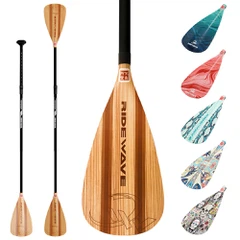
- Provide accessory options like fins, paddles, leashes, and carry bags.
- Experiment with eco-friendly materials for sustainable SUP lines.
By offering these options, brands can build collections that appeal to different market segments. A customized SUP factory becomes more than a supplier-it becomes a strategic partner in product development.
Quality Control: The Foundation of Trust
When brands choose a professional OEM or ODM SUP factory, one of the main deciding factors is quality assurance. In paddle boarding, product failure can compromise safety, which is why brands only trust manufacturers with proven quality control systems.
Typical quality assurance steps include:
- Testing drop-stitch density and PVC layering for durability.
- Pressure testing inflatable SUPs for air retention.
- Verifying accessory compatibility and strength.
- Final inspection of graphics, seams, and packaging.
By maintaining these standards, factories ensure that each board is not just functional but also reliable and safe for end users. This protects the brand's reputation and builds long-term customer loyalty.

Production and Delivery Capabilities
Another key reason brands choose professional factories is production efficiency. A well-established SUP manufacturer has the capacity to handle bulk orders while meeting tight deadlines. This is especially important for B2B clients preparing for seasonal demand spikes.
Professional factories also manage packaging and logistics with care. Boards are typically packed in durable cartons with protective layers, making them safe for long-distance transport. With established shipping partners, factories ensure timely global delivery, helping brands meet market schedules without delays.
Innovation and Market Adaptation
The SUP market is dynamic, with new trends constantly shaping consumer expectations. Leading ODM paddle board manufacturers invest heavily in R&D to stay ahead. They explore:
- Lightweight yet durable materials.
- Sustainable alternatives to PVC.
- Ergonomic accessories and smart packaging.
- Digital printing for eye-catching graphics.
By partnering with innovative manufacturers, brands gain access to cutting-edge designs that keep them competitive in a fast-moving market.
Sustainability: The Future of SUP Manufacturing
Eco-conscious consumers are increasingly looking for sustainable paddle boards. This has pushed manufacturers to adopt greener practices, such as:
- Using recycled or eco-friendly PVC.
- Implementing low-emission production processes.
- Minimizing packaging waste.
- Designing longer-lasting boards to reduce replacement cycles.
Brands that collaborate with eco-friendly OEM SUP factories can align with global sustainability trends, attract environmentally conscious buyers, and build stronger long-term value.
Conclusion
The global SUP industry shows no signs of slowing down. For brands, the challenge is not just entering the market but staying relevant with innovative, durable, and customer-focused products. This is why so many businesses turn to professional OEM and ODM SUP manufacturers
.
By leveraging factory expertise, advanced technology, and customization capabilities, brands can create high-quality paddle boards that stand out in a crowded marketplace. Add to this the benefits of quality control, cost efficiency, fast delivery, and sustainability, and it's clear why OEM and ODM solutions are the backbone of success in the paddle board industry.
Whether you are launching your first product or scaling a global brand, partnering with a professional SUP factory is the key to unlocking growth, reliability, and long-term success.
- How Inflatable Paddle Boards Are Made: Inside The Manufacturing Process
- Choosing The Right SUP Shape: All-Around, Touring, Racing, And Beyond
- Material Matters: Drop-Stitch Technology, PVC Layers, And Eco-Friendly Alternatives
- SUP Accessories That Enhance Your Experience On The Water
- The Rise Of Customizable Paddle Boards: Shape, Design, And Brand Identity
- Testing And Quality Control: Ensuring Durability And Performance