
In the past decade, the global stand-up paddle board (SUP) market has undergone a remarkable transformation. Once considered a niche product for water sports enthusiasts, paddle boards have now become mainstream, embraced by recreational paddlers, athletes, and even families seeking outdoor adventure. As the SUP industry grows, so do the expectations of its customers-especially in developed markets where personalization, quality, and sustainability are highly valued. This evolution has led to a new trend shaping the future of the industry: the rise of the customizable paddle board.
From tailored shapes designed for specific performance needs, to unique graphics and colors that highlight brand identity, and even specialized OEM and ODM solutions for distributors, customization has become the key to success. For both brands and B2B buyers, the ability to offer a product that reflects individuality and stands out in the marketplace is no longer optional-it is essential. In this blog, we will explore the rise of customizable paddle boards, focusing on how shape, design, and brand identity are transforming the SUP landscape, while also discussing how factories and distributors can leverage these trends to gain a competitive edge.
The Demand for Customizable SUP Shapes
One of the most significant ways customization is shaping the SUP industry lies in the design of the board itself. Different paddling experiences require different board shapes and dimensions, and customers are becoming increasingly aware of how these details affect performance. For example, an all-around SUP is perfect for casual users, families, and beginners because of its balance and stability. On the other hand, a touring paddle board is designed with a sleeker shape and longer body, offering better tracking and speed for long-distance adventures. Racing boards push this even further with ultra-narrow profiles that maximize efficiency for professional competitions.
The customizable paddle board trend allows distributors and brands to offer tailored shapes that directly match their target customer base. Imagine a retailer specializing in yoga and wellness-custom flat, wide, and ultra-stable SUPs would meet the unique demands of their audience. Meanwhile, an outdoor adventure company might focus on durable inflatable touring boards that combine portability with endurance. By aligning board shapes with niche markets, companies can strengthen their brand positioning while giving consumers exactly what they are looking for.
Customization at the shape level is also a powerful differentiator in B2B markets. Distributors no longer need to rely solely on generic boards; instead, they can collaborate with factories through OEM and ODM partnerships to create models that reflect their market strategy. This not only increases customer satisfaction but also enhances long-term brand loyalty, as paddlers often return to the same brand once they find a board shape that fits their lifestyle perfectly.
Design and Aesthetic Identity: More Than Just Looks
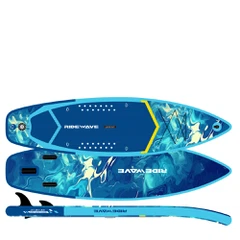
While shape and performance are critical, design has become equally important in the rise of customizable paddle boards. For many buyers, especially in developed countries, a SUP is not just equipment-it is also a reflection of personal taste and style. This is why custom graphics, colors, and deck pad patterns are now central to the customization trend. A paddle board that looks distinctive instantly appeals to consumers who want to stand out on the water, whether they are paddling on a lake, at the beach, or posting on social media.
Custom design is not only about individual expression; it is also a key element of brand identity. Companies investing in unique design elements can distinguish themselves in a crowded marketplace. From minimalist, eco-conscious designs that appeal to environmentally aware buyers, to bold, colorful patterns that resonate with younger adventure-seekers, visuals have become a language through which brands communicate their values.
Moreover, advancements in printing and material technology make customization more cost-effective than ever. Digital printing techniques allow factories to create high-quality, durable graphics directly on PVC layers without compromising performance. This means distributors and brands can develop entire collections with unique identities, rather than sticking to plain or generic models. For B2B clients, this flexibility opens opportunities for private-label products that strengthen their positioning while delivering real value to their customers.

Brand Identity Through Customization
The connection between customization and brand identity cannot be overstated. In today's competitive SUP market, brands that offer personalization options often stand out from those selling standardized products. By aligning board design with the identity of a brand, companies create stronger recognition and loyalty among their customers. For instance, a brand focused on sustainability may highlight eco-friendly SUP construction, showcasing boards made from recycled PVC or biodegradable alternatives with earthy colors and natural patterns. Meanwhile, a brand that appeals to athletes may design high-performance boards with sleek lines and bold, professional designs that emphasize speed and competition.
For B2B distributors, investing in customizable SUPs is not just about offering variety-it's about creating a portfolio of products that directly support their brand narrative. OEM and ODM manufacturing partnerships make this possible by enabling distributors to control everything from board shape to materials, colors, and packaging. By ensuring every detail aligns with the brand's core message, distributors can attract loyal customer bases who associate their brand with quality, trust, and innovation.
This deeper integration of customization and brand identity also reflects broader consumer trends in developed markets. Buyers today are less interested in generic mass-produced items and more focused on authentic experiences and personalized products. Paddle boards are no exception. By choosing customizable options, brands can elevate their product lines, ensuring they meet the expectations of modern customers while maintaining a competitive edge in a fast-evolving market.

The OEM & ODM Advantage in Custom Paddle Board Production
Behind the rise of customizable paddle boards is the growth of OEM (Original Equipment Manufacturing) and ODM (Original Design Manufacturing) services. For B2B buyers, these partnerships provide the flexibility to design unique products without the burden of building their own factories. Instead, they can collaborate with experienced manufacturers who specialize in SUP production, leveraging their expertise while ensuring product quality and scalability.
Through OEM services, brands can specify their own shapes, materials, and colors, while relying on factories to produce the boards. ODM services go even further by providing ready-to-market designs that can be customized with branding and finishing touches. This combination allows distributors to respond quickly to market trends and consumer demands, while reducing costs and lead times.
Factories with strong OEM and ODM capabilities also bring additional advantages such as quality assurance, certifications (CE, SGS, BSCI, amfori), and sustainable production practices. For B2B clients in developed countries, these elements are essential for building trust and meeting regulatory requirements. By working with established factories that prioritize both performance and compliance, distributors can confidently expand their product lines without sacrificing their reputation.
How Customization Improves User Experience
While customization is critical for branding and distribution, it also directly impacts the end-user experience. A paddler who finds a SUP tailored to their body weight, paddling style, and design preference is far more likely to enjoy the activity and become a repeat customer. Boards that are designed with thoughtful customization-such as wider decks for stability, lightweight materials for portability, or reinforced construction for durability-ultimately provide a better experience on the water.
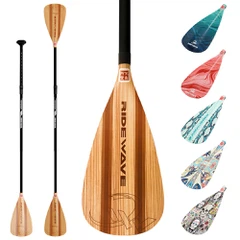
Accessories are another area where customization enhances performance. Custom paddle sets, fins, leashes, and carrying straps give paddlers the flexibility to adapt their board to different environments, whether they are exploring calm lakes, tackling ocean waves, or embarking on multi-day tours. By offering customized accessories alongside paddle boards, brands can build a complete ecosystem that enhances both functionality and enjoyment.
This user-centered approach not only boosts customer satisfaction but also fuels brand growth. Happy paddlers become brand ambassadors, sharing their experiences online and through word-of-mouth. In a digital-driven market where consumer reviews and social media presence carry immense influence, offering customized paddle boards designed for maximum enjoyment is one of the most effective strategies for long-term success.
Conclusion: The Future Belongs to Customizable Paddle Boards
The rise of customizable paddle boards is more than just a passing trend-it is a fundamental shift in the SUP industry. Driven by consumer demand for personalization, brand identity, and enhanced performance, customization is now at the heart of both product development and B2B distribution strategies. From shapes tailored for different activities, to unique designs that reflect brand values, and OEM/ODM partnerships that make innovation accessible, customization is reshaping how paddle boards are designed, produced, and experienced.
For distributors and brands, embracing customization is not just an opportunity-it is a necessity. In a competitive market where differentiation is key, those who leverage customizable SUP solutions will be the ones who capture consumer attention, build loyalty, and thrive in the years to come.
- How Inflatable Paddle Boards Are Made: Inside The Manufacturing Process
- OEM & ODM SUP Solutions: Why Brands Choose Professional Manufacturers
- Choosing The Right SUP Shape: All-Around, Touring, Racing, And Beyond
- Material Matters: Drop-Stitch Technology, PVC Layers, And Eco-Friendly Alternatives
- SUP Accessories That Enhance Your Experience On The Water
- Testing And Quality Control: Ensuring Durability And Performance