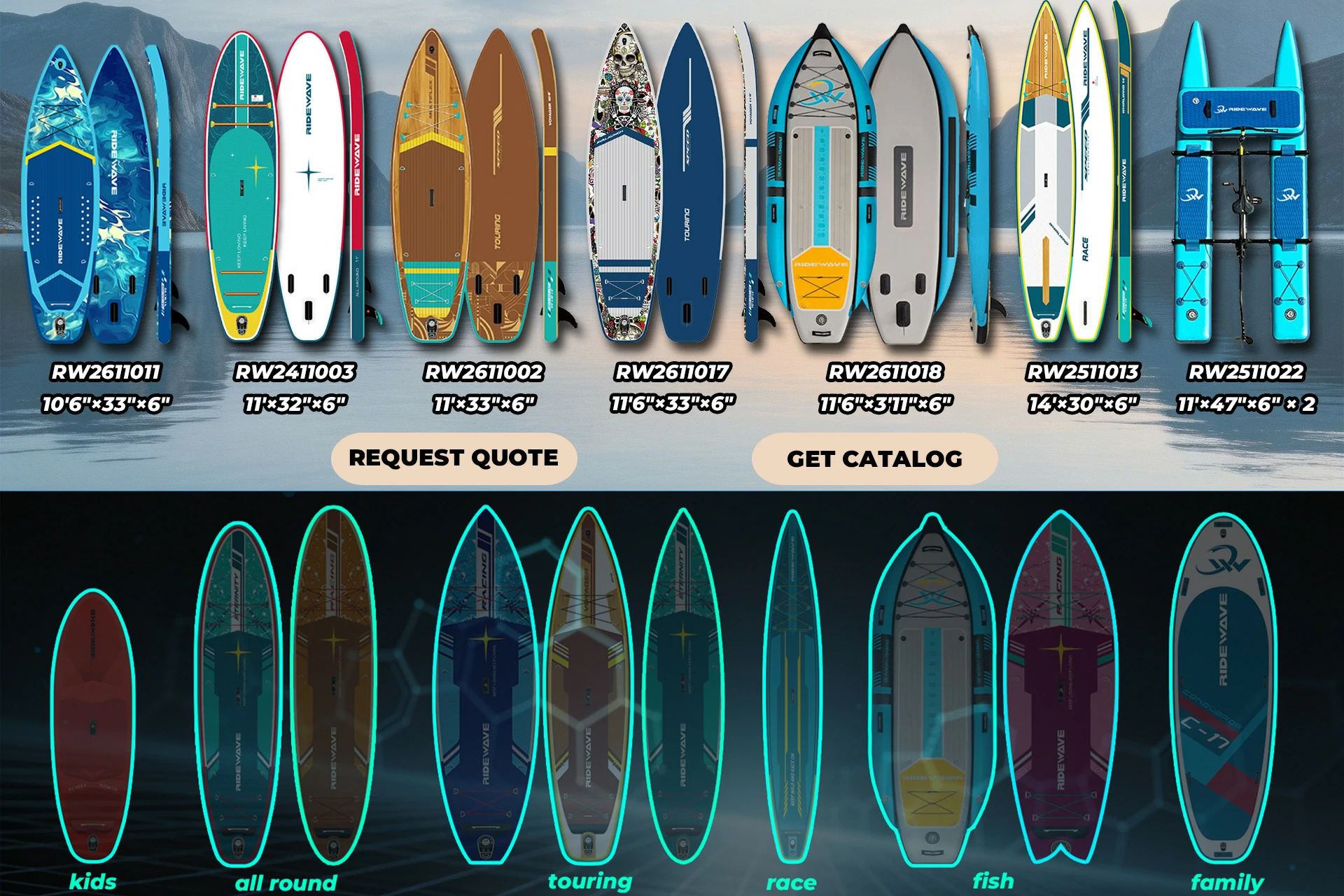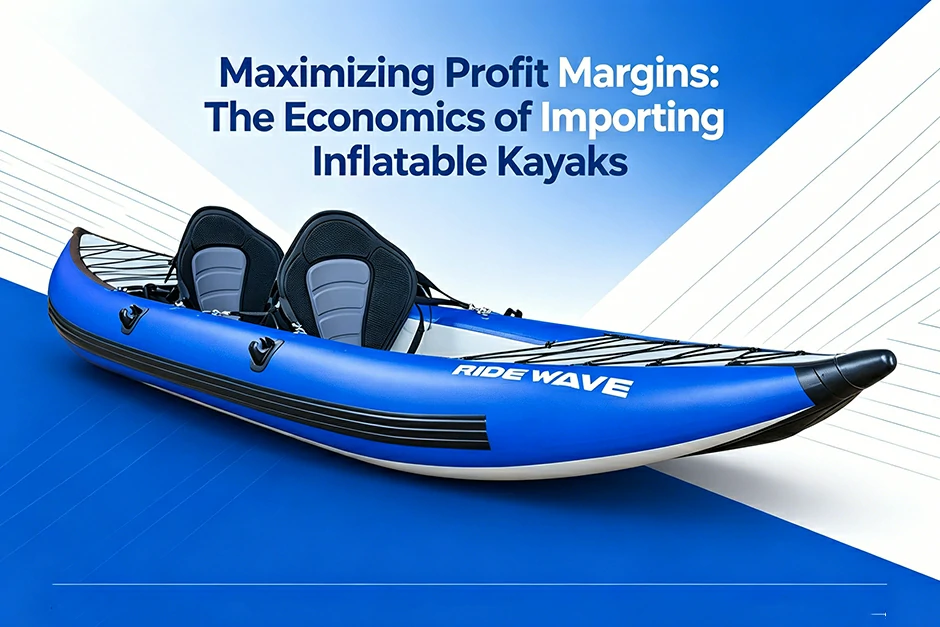

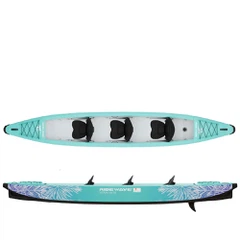

The global surge in consumer acquisition of portable watercraft has completely inverted the traditional marine retail paradigm, positioning inflatable fishing SUPs and high-performance hybrid vessels as the fastest-growing investment channels in outdoor sports distribution. For international B2B buyers-including volume distributors, mass-market sporting goods wholesalers, and private label brand owners-this massive shift stems from a major change in consumer demographics: high urbanization rates severely restrict storage space for rigid hull watercraft, while the expanding angling community demands premium, multi-functional gear that packs down into a standard vehicle trunk. Consequently, commercial procurement professionals are shifting their capital away from slow-moving traditional hardboards toward flexible, high-margin wholesale inflatable watercraft to maximize seasonal inventory turnover and secure consistent bottom-line growth.

How Does the Convergence of Kayak Utility and SUP Portability Drive Wholesale Market Value?
The modern outdoor consumer no longer views paddleboarding and kayaking as mutually exclusive activities, which has triggered an unprecedented surge in demand for hybrid platforms that combine the standing visibility of a paddleboard with the rugged utility of a fishing SUP. Savvy marine distributors are leveraging this cross-demographic trend because these high-end, dual-purpose platforms command an exceptional retail price point and drive highly profitable upsell opportunities for technical accessories like rod holders, coolers, and localized propulsion setups. Adding commercial-grade hybrid inflatables to your portfolio allows your enterprise to simultaneously capture market share from traditional open-water SUP enthusiasts and recreational paddleboarders looking to upgrade to highly specialized hobby configurations.
Why Do Global Shipping Realities Force Distributors to Rethink Rigid Kayak Hull Logistics?
Massive shifts in global supply chain reliability and skyrocketing regional warehouse overhead costs have made the overland and ocean transportation of traditional, bulky rotomolded hard-shell boats a persistent operational bottleneck for medium-to-large retail enterprises. This specific operational challenge explains exactly why big-box retailers are prioritizing inflatable SUP inventory and high-density drop-stitch SUP stocks for their upcoming purchasing cycles. Inflatable watercraft drastically optimize your container utilization rates during transit, enabling your logistics team to fit up to three to four times more high-value units into a single 40HQ container compared to rigid hulls, which substantially slashes your per-unit landed costs and shields your business from fluctuating freight markets.


What Makes Specialized Inflatable SUP and Fishing Platforms Exceptionally Recession-Proof?
While generalized, low-cost recreational sporting goods often suffer from intense price wars and high price elasticity across major consumer e-commerce channels, the specialized angling and heavy-duty inflatable fishing SUP segment remains incredibly resilient against broader economic fluctuations. Dedicated anglers are historically recognized as high-value, highly focused consumers who consistently prioritize investments in durable, technical equipment that enhances their catch rates and wilderness accessibility. Aligning your procurement strategy with an established manufacturing powerhouse like RIDEWAVE allows your brand to tap into this reliable consumer segment, offering premium structural engineering that instantly separates your commercial product catalog from cheap, single-layer novelty products.
What Technical Specifications Differentiate Commercial-Grade Inflatable Fishing SUPs From Cheap Consumer Alternatives?
In the commercial aquatics supply chain, discerning the structural integrity of bulk inventory goes far beyond superficial aesthetics or localized price variations. For commercial distributors, procurement mistakes in technical textile choices directly translate to costly freight overheads, brand erosion, and elevated regional product liability claims. Evaluating an inflatable fishing SUP or a multi-layered hybrid fishing kayak requires an analytical look at the internal core architecture, manufacturing tolerances, and inflation pressure metrics that define field performance and long-term shelf resilience.
Why Does Advanced Drop-Stitch Filament Density Dictate the Wholesale Value of a Hybrid Kayak Platform?
The foundational stiffness of any premium inflatable hull is entirely dependent on the internal drop-stitch architecture connecting the top and bottom PVC layers. While entry-level consumer models utilize low-density linear stitching (often falling below 9,000 polyester filaments per square meter), commercial-grade multi-functional kayak platforms require a minimum of 14,000 filaments per square meter arranged in a cross-woven matrix. This extreme density allows the craft to support heavy specialized angling equipment, deep-cycle marine batteries, and standing operators without structural bowing or center hull deflection, providing a rigid-hull user experience that significantly increases end-consumer satisfaction and product market value.


How Do Laminated MSL Fusion Technologies Eliminate Delamination Risks in Commercial Kayak Distribution?
Traditional multi-layer construction relying on manual glue application adds unnecessary dead weight to the hull while introducing major manufacturing vulnerabilities, as uneven adhesive coats can easily delaminate under high summer temperatures or extended UV exposure. To safeguard bulk distribution channels, engineering teams utilize advanced MSL (Monocoque Structural Laminate) Fusion technology, wherein a reinforced structural machine-lamination process bonds the heavy-duty PVC directly to the drop-stitch core textile. Utilizing these automated MSL processes across specialized kayak configurations results in a 20% to 25% weight reduction paired with a massive increase in torsional stiffness, giving distributors a distinct marketing advantage over competitors stocking heavy, obsolete glued inventory.
What Structural Reinforcements Must a Heavy-Duty Angling Kayak Feature to Support Specialized Gear Loads?
To command a premium price point in the global outdoor market, an inflatable angling platform must feature integrated, reinforced utility regions that standard recreational boards lack. Wholesale buyers must verify the presence of multi-layered rail bands (side walls) to protect against rocky shorelines, alongside standardized mechanical mount matrices that are fully compatible with industry-leading aftermarket rod holders, fish finders, and anchor locks. A properly reinforced multi-functional kayak or fishing SUP acts as a scalable equipment ecosystem, encouraging the end consumer to purchase high-margin accessory add-ons directly from your retail network.

How Can Distributors Mitigate Product Quality Risks and Lower Return Rates (RMA) When Sourcing Globally?
For volume importers and established brand owners, managing the Return Merchandise Authorization (RMA) rate is the single most critical factor in preserving net profit margins during high-season distribution. Sourcing blindly from non-certified overseas trading companies frequently exposes businesses to systemic manufacturing flaws that may pass initial container inspections but fail catastrophically after a few weeks of customer deployment. Implementing rigorous, factory-level quality assurance protocols at the source is the only reliable methodology for safeguarding your brand reputation in the global arena.
Why Are Extended Factory Inflation Hold Tests Crucial for Bulk Kayak Shipments?
A standard pressure-check conducted during mid-production packaging is insufficient to detect microscopic seam imperfections or slow valve leaks that manifest under thermal expansion. Industrial-grade manufacturing setups require a strict 48-hour deep-water immersion and extreme-inflation pressure hold protocol before any batch loading occurs. This comprehensive testing ensures that every single unit delivered to your regional distribution centers can maintain its optimal pressure rating under intense field utilization, dropping downstream customer returns to fractions of a percent.
How Does Partnering with an ISO-Certified Manufacturer Prevent Compliance Failures in the Kayak Market?
Navigating the strict import regulations of regions like North America and the European Union requires comprehensive technical compliance, including strict adherence to material safety standards. Partnering directly with an ISO-certified production facility ensures that all raw materials comply with international regulations, eliminating the risk of customs seizures, costly compliance fines, or emergency product recalls that could permanently damage your commercial trading footprint.

RIDEWAVE Quality Assurance Case Study / RIDEWAVE :A major European outdoor distribution group catering to specialized marine retail outlets was facing a crippling 7.3% consumer return rate due to seam failures from their previous private-label supplier. By transferring their production lines to RIDEWAVE, our engineering team implemented a standardized, automated MSL fusion workflow paired with our mandatory 48-hour high-pressure deep-water quality verification protocol. Over the next fiscal cycle, the distributor's regional product return rate plummeted to an unprecedented 0.2%, saving the enterprise over $45,000 in localized replacement freight costs and significantly strengthening their retail dealer network's trust.
In an increasingly competitive global marketplace, distributing generic, off-the-shelf products inevitably leads to aggressive retail price compression and diminished brand equity. For premium outdoor sport networks and specialized private labels, true market differentiation is achieved through tailored product engineering. Investing in flexible, manufacturer-backed OEM and ODM customization workflows for your inflatable fishing SUP and multi-functional fishing kayak lines allows your company to solve real consumer problems while commanding unparalleled market exclusivity.

How Do Integrated Accessory Base Systems Elevate a Hybrid Kayak Ecosystem's Retail Value?
The modern angler expects their watercraft to serve as a fully adaptable electronic and mechanical command center. Rather than forcing end-users to apply messy, unreliable aftermarket glues that degrade fabric integrity, commercial buyers should demand factory-integrated, reinforced multi-point mounting bases. Specifying heavy-duty hull structures compatible with premium rod holders, fish finders, camera extensions, and GPS anchors transforms a basic inflatable kayak platform into an elite, high-value sport ecosystem, which encourages retail accounts to purchase highly profitable secondary accessories directly from your distributed catalog.
Why Do Ergonomic Seating Integrations and High-Capacity Gear D-Rings Boost Re-Order Rates for Wholesale Kayak Batches?
On-water endurance is a primary buying criteria for the high-spending angling demographic, meaning that premium comfort directly influences consumer loyalty and brand reviews. High-performing wholesale inflatable watercraft must bypass basic flimsy foam cushions in favor of multi-positional, aircraft-grade aluminum frame seats or heavy-duty drop-stitch chairs with reinforced structural anchor straps. Integrating these advanced seating configurations alongside heavy-duty stainless steel cargo D-ring grids ensures that your specialized hybrid kayak stock delivers the luxury stability needed for all-day excursions, drastically increasing seasonal consumer re-order rates for your dealer network.


What Role Does Proprietary Hull Esthetics and Customized EVA Decking Play in Defeating Competitors in the Kayak Space?
Visual presence on the retail showroom floor or digital storefront is the initial driver of consumer conversion. Utilizing specialized manufacturing partnerships like RIDEWAVE grants your brand access to advanced multi-color UV-resistant printing and precision CNC-routed EVA deck traction pads featuring custom logos, integrated fish-measurement rulers, and unique anti-fatigue textures. These proprietary cosmetic and functional enhancements ensure your private-label kayak inventory stands out instantly from generic factory clearouts, establishing a premium brand identity that successfully commands higher retail margins.
What Are the Logistics and Bulk Ordering Strategies That Protect Wholesalers' Profit Margins?
In international trade, a superior product can still lose profitability if burdened by inefficient logistics, high freight deadweight, or poor container packing configurations. Because shipping traditional rotomolded plastic hulls involves moving massive amounts of empty ambient air, transport costs often eat up entire retail profits. Shifting procurement focus toward high-density inflatable marine options provides bulk buyers with a highly effective tool for optimizing logistics and expanding net profit margins.
How Does Container Volume Optimization Double the Financial Yield of an Inflatable Kayak Shipment?
The mathematical reality of freight logistics is where inflatable technology delivers its greatest commercial advantage to global distributors. A standard ocean freight container that can only accommodate a handful of nested rigid plastic hulls can comfortably swallow hundreds of completely deflated, vacuum-sealed drop-stitch hull systems. By packing up to three to four times more high-value wholesale inflatable kayak units into a single 40HQ container, your supply chain team slashes the per-unit ocean freight cost to a fraction of traditional methods, instantly insulating your business from fluctuating shipping rates.
Why Do Lower Regional Warehousing and Freight Costs Streamline Drop-Ship Watercraft Workflows?
The economic benefits of stocking flexible, high-density inflatables extend far beyond the ocean terminal into your localized regional distribution networks. Deflated multi-functional kayak units require minimal pallet footprints within regional fulfillment centers, drastically lowering your monthly warehousing overhead costs. Furthermore, because these premium commercial systems fold neatly into a single shippable box, your logistics team can utilize standard, non-oversized courier networks for domestic delivery, eliminating the expensive, specialized freight shipping fees that hamper traditional hard-shell boat shipping.
How Should Sporting Goods Distributors Position Inflatable Fishing SUPs and Kayaks in Their Seasonal Marketing?
Maximizing wholesale product velocity requires a strategic paradigm shift from traditional B2B sales to active B2B2C enablement. Global distributors succeed not just by pushing inventory into retail channels, but by providing seasonal marketing blueprints that help retail dealers accelerate sell-through rates. Positioning a hybrid inflatable fishing SUP or a multi-functional fishing kayak effectively requires targeted marketing strategies that appeal directly to high-spending outdoor demographics during critical peak buying seasons.
How Can Retailers Target the High-Growth Overlap Between Cross-Country Kayak Tourers and Avid Anglers?
The most lucrative demographic for this product line lies at the structural intersection of traditional paddle sports and competitive recreational angling. Marketing materials distributed to your retail accounts should bypass generic leisure messaging and focus directly on how a specialized hybrid kayak platform unlocks inaccessible pristine waters that traditional heavy motorboats or rigid hulls cannot reach. Providing your dealer network with high-definition digital assets showing specialized angling platforms navigating shallow rivers or remote mountain lakes will instantly attract affluent anglers eager to invest in highly portable, destination-expanding gear.
Why Does Highlighting Dual-Purpose Family Adaptability Maximize Seasonal Kayak Inventory Velocity?
To ensure consistent sales volume outside the core fishing community, distributors must position these platforms as highly versatile family assets. A premium commercial-grade fishing kayak built with an expanded beam and a high-load displacement rating can easily transition from a serious solitary angling platform at dawn to a multi-passenger recreational vessel for family weekend excursions. Highlighting this dual-purpose utility in your wholesale catalog lowers consumer purchase hesitation, giving your retail store accounts a powerful value proposition that drives high inventory turnover throughout the entire spring and summer sales cycles.
How Can Partnering with an ISO-Certified Factory Like RIDEWAVE Future-Proof Your Outdoor Brand?
The international marine and paddle sports market has entered an era defined by stricter import controls, fluctuating supply chain reliability, and rapid product design cycles. Navigating this landscape by relying on middleman trading firms introduces major vulnerabilities regarding product consistency, margin erosion, and regulatory non-compliance. Establishing a direct, long-term manufacturing partnership with an industry-leading, ISO-certified production powerhouse like RIDEWAVE is the most secure operational strategy for future-proofing your business and dominating your regional market.
Why Do Strict International Regulatory Standards Demand Factory-Direct Compliance in the Kayak Industry?
Importing inflatable watercraft into strictly regulated markets like North America, Europe, and Australia requires strict compliance with international safety protocols and environmental mandates, such as CE and REACH. Sourcing factory-direct from an ISO-certified infrastructure ensures that every batch of specialized kayak stock undergoes documented quality management and contains zero hazardous chemical compounds. This institutional transparency protects your distribution business from devastating customs seizures, regulatory fines, and legal liability, providing your enterprise with absolute operational peace of mind.
How Does Access to Continuous Factory R&D Insulation Protect Wholesalers from Market Oversaturation?
The fastest way for an outdoor brand to lose its competitive edge is by offering obsolete hull designs that are vulnerable to aggressive retail price wars. Partnering directly with RIDEWAVE's advanced engineering team ensures your company remains ahead of the product lifecycle curve with continuous access to cutting-edge material technologies and proprietary hull designs. From carbon-fiber-reinforced rail matrices to advanced multi-chamber integrated kayak hull configurations, direct manufacturing integration transforms your supply chain from a standard operational cost into a dynamic engine for long-term brand equity and sustainable net profit growth.
Related Articles