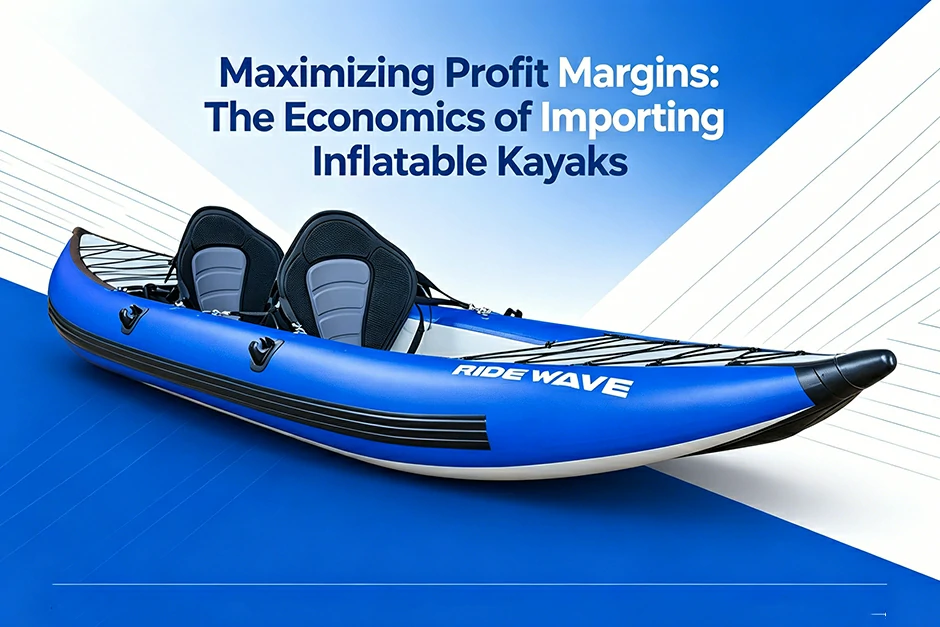



Navigating the volatile macroeconomic distribution patterns of the global outdoor recreation sector requires a deliberate shift toward flexible, low-overhead product portfolios. For multi-channel sports equipment distributors, volume wholesalers, and mass-market retail buying cooperatives, traditional watercraft procurement presents a persistent capital hazard: high seasonal demand spikes paired with excessive off-season storage costs. When capital is locked in high-cube, rigid inventory during freezing winter quarters, net margins compress rapidly under the weight of escalating warehousing overhead and stagnant stock rotation.
Integrating a sophisticated, commercial-grade inflatable platform into your seasonal supply matrix systematically resolves this operational imbalance. By transitioning a percentage of corporate procurement toward advanced drop-stitch vessels, commercial brands can match seasonal demand curves perfectly without expanding their physical warehouse footprints. This strategic blueprint evaluates the financial, logistical, and structural methodologies required to incorporate high-velocity watercraft into your annual sales infrastructure, protecting your cash flow from seasonal supply disruptions.
Why Should Outdoor Gear Distributors Include Inflatable Kayaks to Smooth Out Seasonal Cash Flow Troughs?
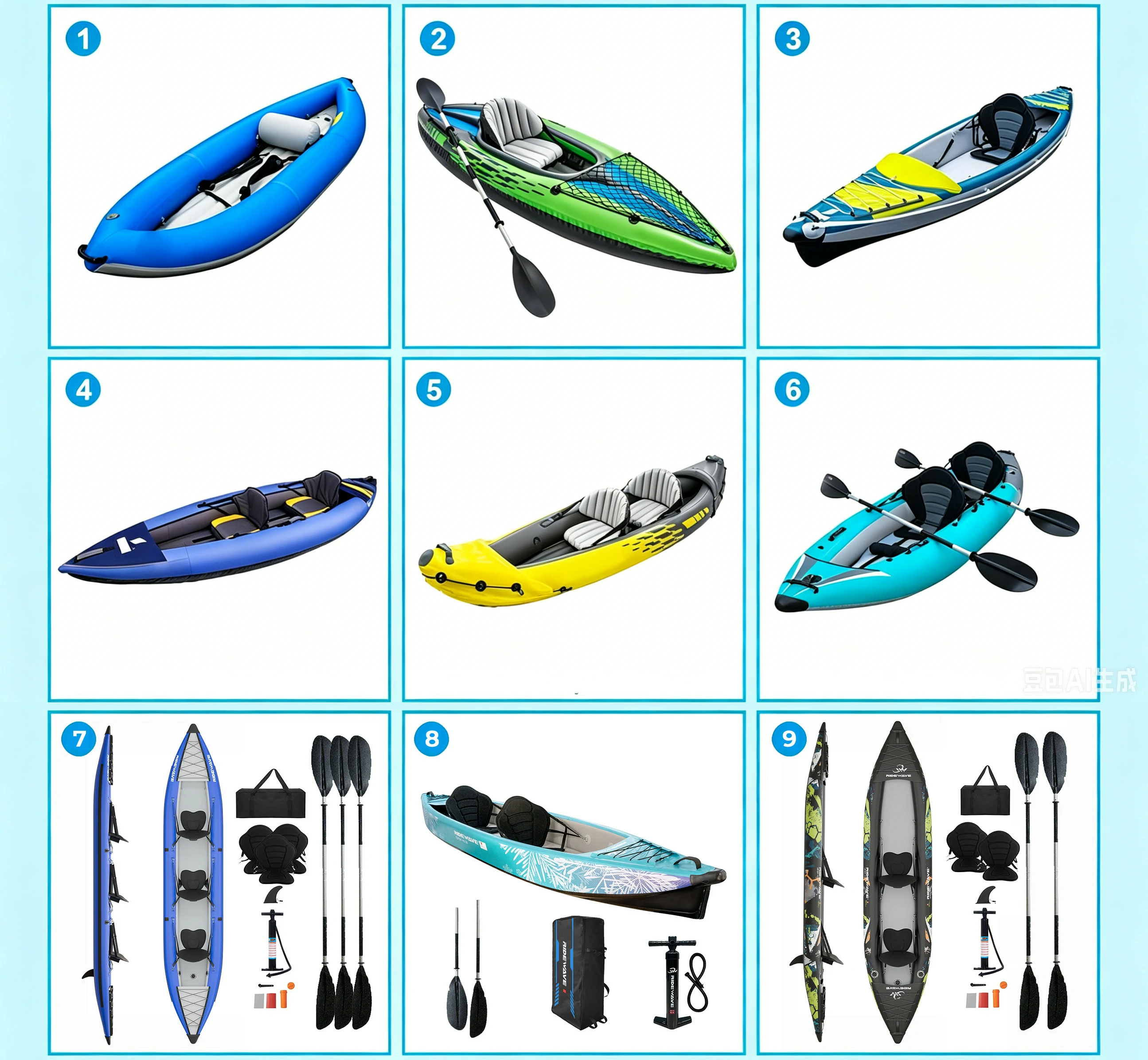
Smoothing out seasonal cash flow troughs requires adding high-velocity, flexible inventory profiles that expand rapidly during high-demand spring quarters without locking valuable capital in expensive off-season warehouse dead-space. Integrating a commercial wholesale inflatable kayak tier allows corporate procurement teams to balance capital rotation because it shifts products rapidly from storage to retail counters, maintaining positive cash flow during changing weather conditions. Traditional rigid plastic hulls force distributors to pay massive logistics upfront charges months before the actual retail season begins, heavily binding available cash lines when corporate liquidity is needed most.
Minimized Upfront Freight Allocation: Shipping collapsible drop-stitch units dramatically scales down ocean freight costs per unit, allowing procurement managers to allocate capital to active marketing rather than empty shipping volume.
Rapid Retail Market Rotation: The compact out-of-the-box presentation of a commercial inflatable kayak accelerates in-store sales velocities, ensuring that capital invested in factory purchase orders turns over within weeks rather than stagnating over full seasons.
Dynamic Peak-Season Balancing: Rather than over-ordering rigid hulls based on volatile spring predictions, distributors can utilize flexible factory replenishment channels to scale inventory up or down in real-time.
By working directly with an established, compliance-verified supplier like RIDEWAVE, commercial distributors gain access to scalable production lines that protect their financial agility. Our engineering systems ensure that every wholesale inflatable kayak batch delivers consistent commercial performance, allowing your brand to focus capital on localized distribution expansion rather than costly cargo adjustments. This predictable operational model turns inventory management from an ongoing cost into a reliable driver of high seasonal profit margins.
How Do Compact Staging Portfolios Reduce Off-Season Warehouse Overhead for Watersports Wholesalers?
Reducing off-season warehouse overhead requires transitioning your physical inventory structure from high-cube, rigid hulls to highly compressible, space-optimized packaging configurations. Storing a high-performance touring inflatable kayak collection during winter slow-downs requires less than 20% of the cubic square-footage demanded by traditional polyethylene hulls, allowing distributors to protect their bottom-line margins from escalating warehouse rental rates. Commercial storage facilities calculate costs based on occupied cubic footage; therefore, warehousing rigid watercraft during frozen freezing seasons quickly destroys the profitability achieved during summer sales peaks.
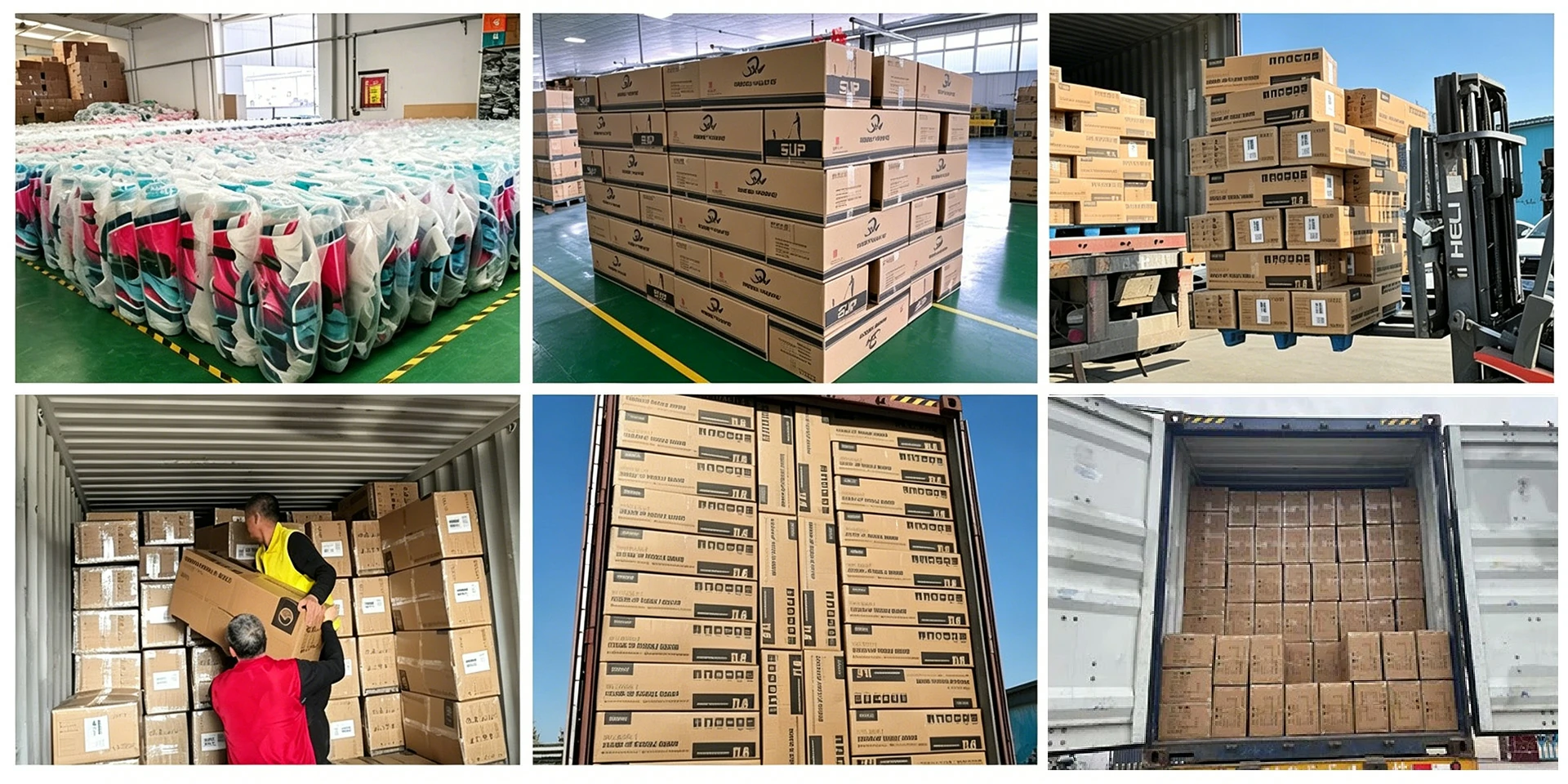
As international warehousing fees continue to rise, analyzing space-to-margin efficiency reveals exactly Why Big-Box Retailers are Prioritizing Inflatable Kayak Inventory to insulate their operational footprints from winter margin compression. When a multi-passenger vessel can be collapsed into a heavy-duty nylon travel pack, the cost of holding that inventory over winter drops significantly. This structural space efficiency allows wholesale procurement operations to maintain a diverse product assortment year-round, without facing high financial penalties during seasonal retail declines.
Optimized Cube-Utilization Factors: Wholesalers can store up to 16 premium touring inflatable kayak units within the exact physical square footage required by a single rigid tandem tracking boat.
Drastic Reduction in Transport Damages: Rigid plastic hulls are highly susceptible to scraping, deformation, and structural bending when stacked in long-term cold storage. Factory-sealed inflatable units remain secure within protected, double-walled corrugated shipping materials.
Adaptive Cross-Docking Opportunities: The standardized carton dimensions of advanced inflatable platforms fit perfectly onto international shipping pallets, allowing for direct transfer from seaport containers to regional retail delivery trucks without manual handling.
Choosing RIDEWAVE as your primary supply line guarantees that your touring inflatable kayak inventory arrives optimized for immediate commercial warehouse allocation. Our factory utilizes high-density, automated packaging machinery that produces tightly compressed, consistently sized boxes equipped with clear tracking barcodes. This rigorous manufacturing approach allows your logistics teams to streamline inbound processing, maximize rack density, and protect your distribution network from unexpected off-season overhead costs.
When Is the Optimal Pre-Season Procurement Window to Guarantee On-Time Spring Product Launches?

Structuring the 180-Day Supply Timeline Against Global Shipping Peak Fluctuations
Securing on-time spring product launches requires aligning your production purchase orders with a structured, 180-day pre-season lead time that factors in ocean transport delays, customs clearance windows, and localized logistics staging. Placing factory orders for an advanced whitewater inflatable kayak lineup during the late autumn quarter allows distributors to beat the early-spring ocean shipping rush and protect their retail networks from stock-outs. Sourcing directors who delay fleet procurement until mid-winter frequently encounter severe manufacturing bottlenecks and inflated container shipping spot rates driven by post-holiday shipping congestions.
To achieve precise market synchronization across North America and Europe, large-scale distributors map their procurement logistics onto strict micro-milestone calendars. A high-yielding wholesale inflatable kayak deployment requires a manufacturing partner capable of keeping an exact production schedule even during peak year-end global material constraints. Securing factory capacity early guarantees that physical product arrives at regional cross-docking points weeks before the local outdoor recreation season begins.
September to November (The Strategic Lock Window): Finalizing private-label color schemes, custom technical logos, and base polymer specifications to secure dedicated factory assembly lanes.
December to January (The Precision Extrusion Gate): Initiating automated high-frequency welding blocks and running strict 48-hour pressure monitoring procedures on all core air chambers.
February to March (The Maritime Transit Phase): Shipping optimized containers before early-spring shipping line rate adjustments, ensures stable landed delivery costs.
RIDEWAVE removes procurement schedule uncertainty by offering worldwide partners clear, automated timeline updates. Because our factory production grids feature advanced automated linear welding systems and integrated raw fabric stockpiles, we absorb late-season raw material delays easily. Contracting your seasonal whitewater inflatable kayak and high-velocity touring inventory to RIDEWAVE ensures that your distribution networks operate on reliable, verified delivery dates, completely eliminating the risk of lost retail sales during peak consumer buying seasons.
How Can Retailers Structure Promotional Calendars to Clear Late-Season Watercraft Inventory Safely?
Defending Net Margins via Value-Added Accessory Bundle Architectures
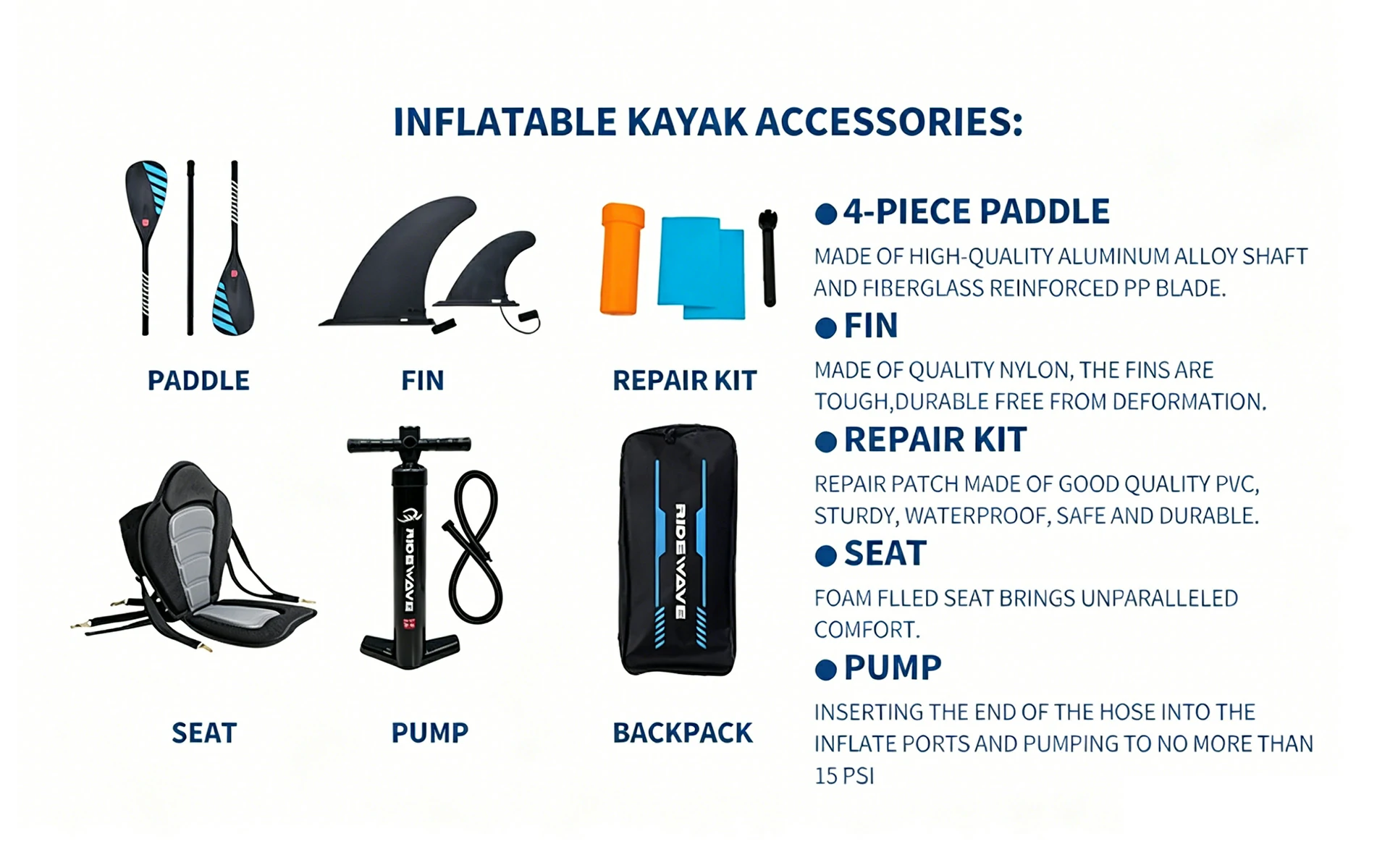
Clearing late-season watercraft inventory safely relies on designing value-driven promotional calendars that package high-margin exploration assets into bundle packages rather than executing heavy price-cutting strategies that damage brand authority. Marketing a premium heavy-duty inflatable kayak alongside essential accessories like high-pressure pumps and carbon paddles allows distributors to capture late-summer outdoor buyers while protecting their average unit margins. Drastic across-the-board store discounting trains consumer demographics to expect cheap prices, destroying the long-term price integrity of your primary sports equipment lines.
By structuring promotional actions around high-value accessories, business-to-business operators convert inventory clearance into an opportunity to upsell premium attachments. For instance, creating an exclusive exploration package around an inflatable fishing kayak allows distributors to package rod holders, dry storage cases, and premium ergonomic seats directly with the vessel hull. This approach clears physical warehouse space before autumn storage bills arrive, while maintaining a healthy bottom-line revenue profile.
Integrated Multi-Asset Tier Bundling: Packing a luxury carbon fiber paddle and dual-stage electric pump with a premium heavy-duty inflatable kayak to justify healthy mid-summer retail prices.
Targeted Corporate Rental Liquidations: Transferring remaining late-season stocks directly to eco-tourism camps and regional rental fleets at controlled wholesale prices rather than dumping them into retail channels.
Strategic Extended Holiday Gift Marketing: Pitching compact, easy-to-ship inflatable hulls during late-summer holiday sales campaigns as high-value outdoor gifts that require zero storage space.
Distributors expanding their market presence with a premium 2-person inflatable kayak series can design these promotional bundles easily because RIDEWAVE provides full private-label accessory integration services. We source, brand, and pack high-pressure dual-action manual pumps, advanced fiberglass tracking fins, and custom travel storage gear directly into your branded packaging boxes at our production facility. Partnering with RIDEWAVE allows your business to market a complete water sports solution that attracts late-season buyers, increases transaction values, and clears out winter warehouse stock safely.
How a Major North American Distributor Doubled Seasonal Turnover Using RIDEWAVE's Rapid Replenishment System?
Mitigating Peak-Summer Stock-Out Risks Through Agile Mid-Season Inventory Injections
Doubling peak-season inventory turnover requires an agile manufacturing partnership capable of implementing rolling mid-season inventory injections in response to rapid shifts in consumer demand. This case study details how RIDEWAVE's automated assembly lines and scalable material reserves helped a major North American sporting goods importer secure an emergency 300-unit mid-summer delivery in under 3 weeks. Relying on rigid, unyielding single-order seasonal supply contracts frequently leaves regional distribution networks unable to react to unexpected mid-season sales surges caused by prolonged hot summer quarters.
Our North American distribution partner faced a massive stock-out crisis when an early heatwave tripled regional demand for water exploration gear. Traditional manufacturers quoted a rigid 65-day factory preparation lead time, which would have entirely missed the lucrative high-summer sales window. By contacting RIDEWAVE's priority emergency fulfillment team, the importer integrated a high-performance 2-person inflatable kayak series into their logistics network within a fraction of standard production timelines.
48-Hour Rapid Fabric Allocation: RIDEWAVE utilized its pre-stocked inventory of military-grade 1000D reinforced PVC and high-density drop-stitch cores to bypass early material extrusion phases.
Automated Continuous Welding Deployment: Shifting production to our advanced automated thermal welding grids allowed for continuous 24-hour assembly without sacrificing structural seam integrity.
Pre-vetted Express Logistics Staging: Cooperating with global air-cargo and priority ocean-express networks ensured the entire customized fleet cleared export customs without a single day of port delay.
What Key Metrics Must Buying Cooperatives Assess When Selecting an Inflatable Manufacturing Partner for Private Labels?
Auditing Technical Drop-Stitch Calibration, Tensile Strength, and Marine Compliance Standards
Evaluating an industrial manufacturing partner for seasonal private-label deployment requires assessing production scalability, automated technical calibration protocols, and verifiable raw material tracking systems. Relying on simple unit-price quotes without auditing a supplier's peak-season manufacturing capacity leaves distribution networks vulnerable to delayed ocean shipments and poor quality during high-volume periods. For procurement syndicates looking to introduce a premium inflatable fishing kayak or rugged whitewater tier, engineering metrics must take precedence over low-cost baseline bids.
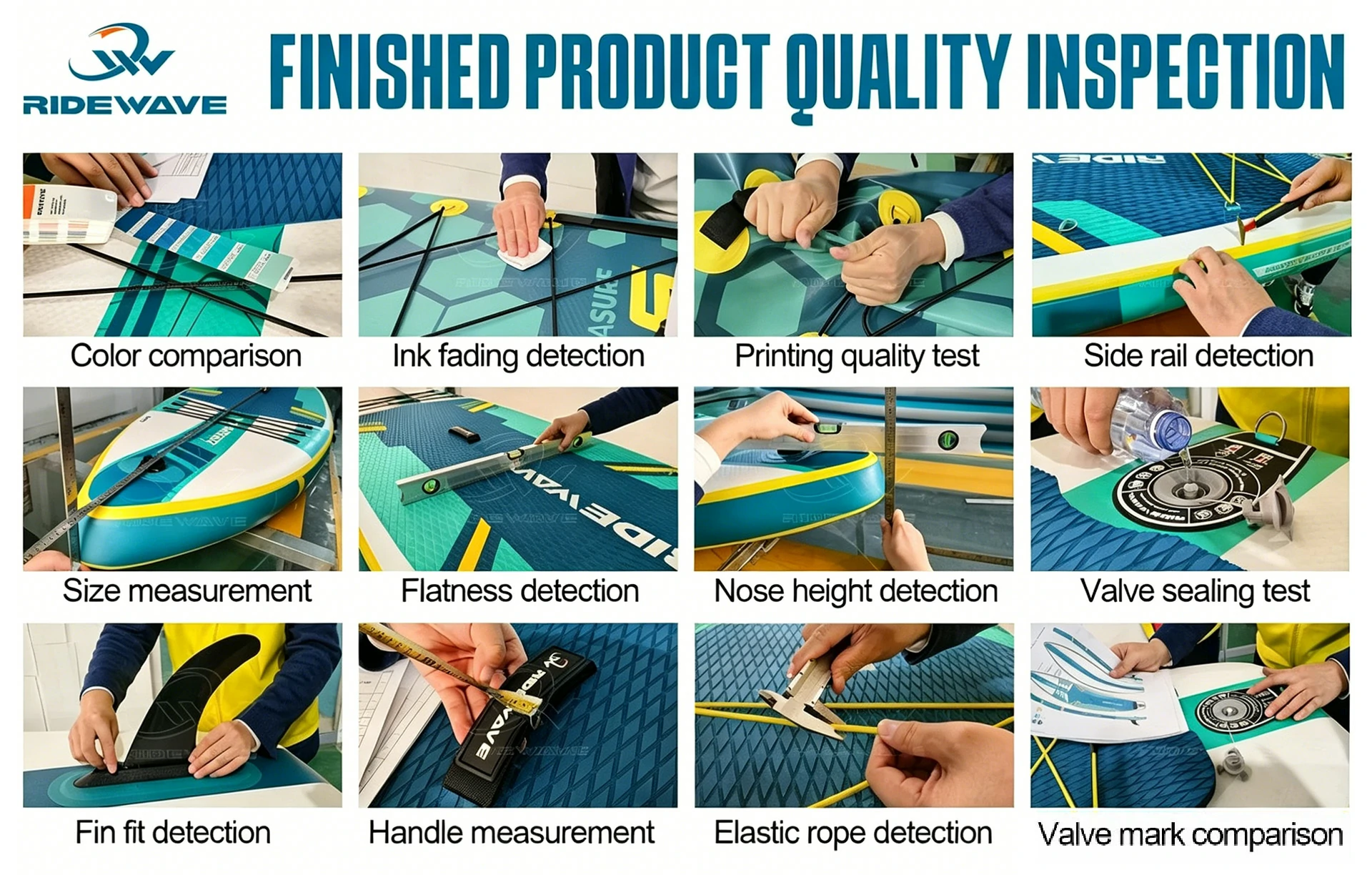
A world-class manufacturing platform must exhibit absolute consistency across high-pressure material construction. When reviewing a prospective factory's technical portfolio for an advanced wholesale inflatable kayak program, procurement officers must mandate rigorous material fatigue stress verification. Seam technology represents the primary point of failure under high-temperature solar exposure, making manual gluing obsolete compared to modern automated molecular fusion techniques.
Drop-Stitch Thread Density Verification: High-caliber exploration hulls require a minimum internal density of 14,000 polyester drop-stitch needles per square meter to support high inflation limits up to 15 PSI without floor warping.
Advanced Seam Fusion Automation: High-frequency, mechanized thermal welding ensures uniform heat distribution along critical tracking seams, eliminating the human-error risks associated with traditional manual adhesives.
Rigorous Multi-Axis Pressure Inspections: All high-performance inflatable fishing kayak batches must pass a non-negotiable 48-hour deep-water inflation test to guarantee zero pressure loss before moving into final international packaging tracks.
RIDEWAVE sets the global standard for private-label watercraft engineering by welcoming transparent, third-party industrial audits of our facilities. Every single wholesale inflatable kayak platform leaving our automated assembly tracks carries fully traceable European CE and international safety compliance markings. Partnering with RIDEWAVE gives buying cooperatives, global sports equipment brands, and volume wholesalers the elite technical backing required to dominate mature Western retail channels with absolute confidence.
Related Articles
Inflatable Kayak Drop-shipping: A Low-Risk Entry For Online Sellers
Maximizing Profit Margins: The Economics Of Importing Inflatable Kayaks
Selecting The Best Inflatable Kayak Supplier For E-commerce Success
Why Private Label Inflatable Kayaks Are The Future Of Your Brand