

Why Is the Global SUP Fishing Kayak Market Becoming a Multi-Billion Dollar Goldmine for Outdoor Retailers?

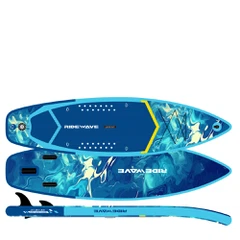
The explosive convergence of recreational angling and paddle sports has transformed the global inflatable stand-up paddleboard (SUP) industry, positioning specialized angling paddleboards as an indispensable category for high-volume distributors and sports equipment wholesalers. In 2026, the global fishing equipment market has scaled past $16 billion, while the specialized inflatable fishing SUP segment is expanding at a remarkable CAGR of 7.2%, outstripping traditional hard-shell alternatives. This massive commercial momentum is driven by a profound shift in consumer demographics across North America, Europe, and Australia, where outdoor enthusiasts demand premium watercraft that eliminate traditional logistics barriers. For corporate procurement networks, stocking utility-focused fishing paddleboards resolves a critical retail pain point: it satisfies the soaring lifestyle trend of eco-tourism and micro-adventures while capturing significantly higher gross margins per square meter of shelf space compared to saturated, low-tier recreational variants. By integrating military-grade drop-stitch fishing platforms, agile marine brands can capture the lucrative influx of high-spending millennial anglers who prioritize mobility, storage efficiency, and multi-functional performance without compromising structural rigidity.
How Do Evolving International Outdoor Recreation Trends Reshape Seasonal Kayak Procurement Strategy?

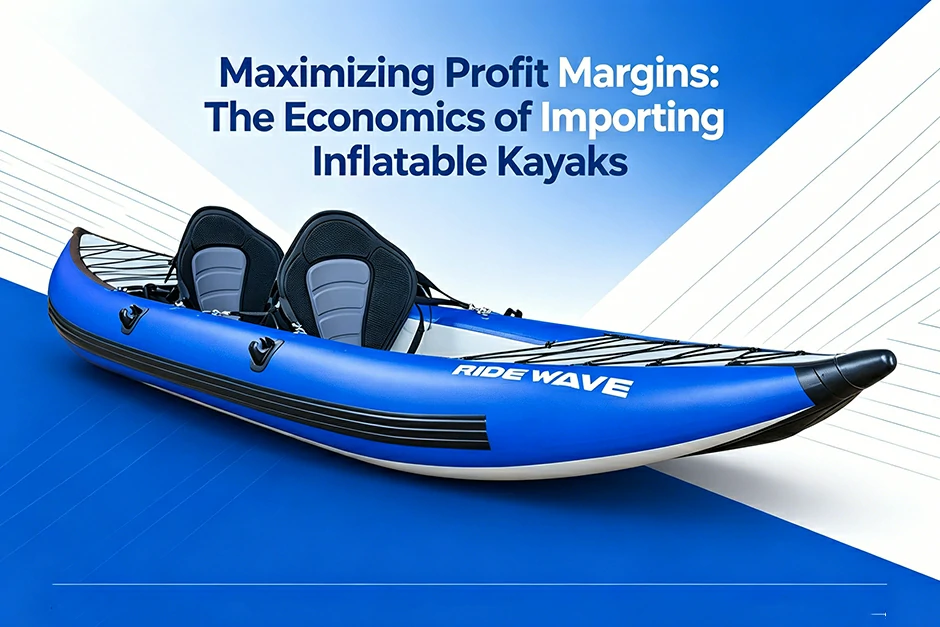
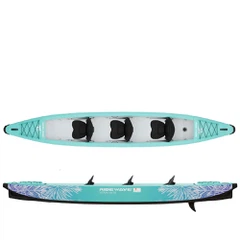
Navigating the volatile cash-flow curves of seasonal sports retail requires a proactive portfolio diversification that aligns with shifting international urbanization patterns. Modern consumer demographics in major Western metropolises have fundamentally outgrown legacy fiberglass hulls due to compact apartment living and the mainstream adoption of electric vehicles, which rarely support heavy-duty roof rack systems. For a regional retail chain or a cross-border inflatable kayak supplier, this spatial compression explains why big-box retailers are prioritizing inflatable kayak inventory alongside extra-wide, heavy-duty fishing platforms. Rather than binding valuable corporate capital in rigid hull shapes months before the spring quarter begins, high-volume distributors are leveraging collapsible, vacuum-sealed multi-passenger vessels to maximize localized warehouse asset utilization. This macro-logistical migration has elevated specialized platforms-such as the hybrid tracking kayak paddleboard lines manufactured by industry leaders like RIDEWAVE-into essential cross-seasonal inventory balancers. These advanced drop-stitch platforms allow commercial brands to offer the extreme weight capacities and accessory configurations of an angling kayak while maintaining the fluid shipping and rapid store-level rotation of a traditional flat-pack wholesale product.
What Technical Standards Define Commercial-Grade Inflatable Fishing Paddle Boards From Cheap Retail Novelties?
In the international marine supply chain, distinguishing between a premium inflatable stand-up paddleboard (SUP) and a low-tier consumer toy is the baseline for preventing catastrophic structural failures and protecting corporate brand equity. For multi-channel sporting goods networks, a single bulk procurement mistake based purely on low pricing can lead to localized product liability claims and high logistical overheads. Verifying the internal textile architecture and chemical manufacturing tolerances of an angling paddleboard is crucial to securing an inventory that maintains its structural rigidity under harsh field conditions.
Why Does High-Density Cross-Woven Drop-Stitch Engineering Dictate the Stability of a Rigid Kayak Alternative?
The primary engineering bottleneck for any heavy-duty fishing paddle board is maintaining a perfectly flat, non-deflecting platform under heavy, concentrated gear loads. While entry-level leisure brands utilize sparse, linear knitted drop-stitch alignments that buckle at 12 PSI, commercial-grade platforms require a premium cross-woven matrix containing a minimum of 14,000 polyester filaments per square meter. This high-density core configuration allows the hull to be safely pressurized to 15–18 PSI, delivering a structural rigidness that mimics a molded fiberglass kayak hull, which ensures a safe, non-flexing standing platform for professional anglers casting heavy tackle or mounting small electric outboards.


How Do Automated MSL Fusion Systems Eliminate Delamination Risks Across Wholesale Kayak Product Batches?
Traditional multi-layer PVC manufacturing processes relying on manual liquid adhesive application add unpredictable weight variances to bulk shipments while creating structural vulnerabilities under prolonged UV exposure. To secure high-volume distribution pipelines, advanced engineering processes employ Monocoque Structural Laminate (MSL) Fusion, where a reinforced PVC skin is machine-laminated directly to the core drop-stitch fabric using a specialized thermo-bonding system. Utilizing these automated MSL workflows across specialized hybrid kayak stocks reduces overall hull weight by up to 25% while vastly enhancing torsional stiffness, providing brand managers with a highly marketable product line that completely eliminates seam split claims and bubbling issues common with hand-glued variants.
| Manufacturing Metrics | Inferior Consumer Grade | RIDEWAVE Commercial Standard / RIDEWAVE | B2B Operational Advantage |
| Material Bonding | Manual Liquid Glue Layering | Automated Thermal MSL Fusion | Eliminates seam separation and blistering under summer heat. |
| Stitch Matrix Density | < 9,000 linear filaments / m² | ≥ 14,000 cross-woven filaments / m² | Eliminates middle hull sagging under heavy fishing coolers. |
| Utility Customization | Basic glued D-rings only | Factory-Integrated Mechanical Mounts | Supports premium rod holders and finders; drives accessory upsells. |
How Can Global Wholesalers Reduce Return Rates (RMA) Through Factory-Source Quality Control?
Managing the Return Merchandise Authorization (RMA) percentage is the single most critical factor in safeguarding an importer's bottom-line net profit during the high-stakes summer sales quarter. Partnering with secondary trading companies that overlook comprehensive stress-testing frequently results in batch cargo defects that can bankrupt regional dealer networks. Implementing verifiable, factory-level quality assurance protocols directly at the assembly floor is the only reliable method for cementing consumer trust.

Why Are Extended Deep-Water High-Pressure Leakage Assessments Mandatory for Bulk Kayak Batches?
A rapid pressure-check performed immediately after production is mathematically insufficient to uncover microscopic structural anomalies or sluggish valve leaks that manifest under temperature fluctuations. Industrial-grade manufacturing frameworks require a mandatory 48-hour continuous extreme-inflation and deep-water submersion protocol before final packaging approval is granted. This rigorous assessment guarantees that every single unit arriving at a wholesaler's centralized distribution hub is fully airtight, dropping regional warranty claim rates to negligible fractions.
How Does Sourcing From an ISO-Certified Supplier Shield Kayak Brands From Compliance Failures?
Distributing watercraft into heavily scrutinized economic zones such as North America, the EU, and Australia requires complete compliance with strict chemical and material safety mandates. Aligning your sourcing framework with a fully accredited, ISO-certified production infrastructure ensures that all raw polymer blends comply with international standards like CE and REACH, effectively insulating your importing firm from costly customs delays, severe compliance fines, or public recall mandates.


RIDEWAVE Quality Assurance Case Study
A prominent North American outdoor retail distributor catering to specialized wilderness outfitters was suffering from a devastating 8.5% structural return rate due to seam failures from an unverified private-label supplier. By transferring their supply chain to RIDEWAVE, our quality control division implemented an automated MSL fusion setup coupled with our signature 48-hour deep-water pressure-hold matrix. Over the subsequent fiscal cycle, the distributor's regional product return rate dropped to an unprecedented 0.15%, saving the client over $50,000 in seasonal replacement freight overheads and substantially strengthening their retail dealer network's market confidence.
In an increasingly uniform global marketplace, distributing generic, catalog-standard inventory inevitably forces retailers into aggressive price compression and diminished brand authority. For established premium outdoor labels and sports equipment buying groups, long-term profitability relies entirely on proprietary design differentiation. Implementing advanced, factory-backed OEM/ODM modifications across your inflatable stand-up paddleboard (SUP) and multi-functional fishing kayak assortments allows your enterprise to deliver unique user solutions while commanding unparalleled market exclusivity.
How Do Integrated Technical Mount Ecosystems Elevate a Fishing Kayak Platform's Showroom Conversion?
The modern angling enthusiast views their watercraft as a highly specialized marine electronics and tool deployment center. Rather than forcing end-users to apply messy aftermarket adhesives that degrade polymer coatings over time, procurement managers must specify factory-molded mechanical mount matrices. Engineering specialized hull zones with pre-installed heavy-duty receiver blocks transforms a standard inflatable kayak platform into an elite sport ecosystem capable of supporting modular fish finders, GPS tracking devices, and specialized rod setups, driving highly profitable auxiliary accessory attachment rates for your network.
Why Do Ergonomic High-Back Frame Seats Boost Re-Order Rates for Wholesale Kayak Batches?
On-water endurance is a primary buying criteria for the professional angling demographic, meaning that premium comfort directly influences consumer loyalty and downstream brand reviews. High-performing wholesale inflatable watercraft must bypass basic flimsy foam pads in favor of multi-positional, aircraft-grade aluminum frame seats or rigid high-back drop-stitch structures featuring reinforced web anchor straps. Integrating these advanced seating configurations ensures your hybrid kayak stock delivers the orthopedic stability needed for all-day casting excursions, substantially increasing seasonal consumer re-order rates for your regional retail dealers.

What Role Does CNC-Routed Custom EVA Decking Play in Overcoming Competitors in the Kayak Marketplace?
Immediate visual distinction on the retail showroom floor or digital commerce storefront is the initial trigger for consumer conversion. Leveraging specialized manufacturer relationships like RIDEWAVE grants your brand access to advanced multi-color UV-resistant printing and precision CNC-routed EVA deck traction pads featuring custom brand logos, integrated fish-measurement rulers, and unique anti-fatigue textures. These proprietary cosmetic and functional enhancements ensure your private-label kayak inventory stands out instantly from generic factory clearouts, establishing a premium brand identity that successfully commands higher retail margins.

What Logistics and Container Consolidation Strategies Protect Wholesalers' Financial Bottom Lines?
In international trade, a superior product can still lose profitability if burdened by inefficient logistics, high freight deadweight, or poor container packing configurations. Because shipping traditional rotomolded plastic hulls involves moving massive amounts of empty ambient air, transport costs often eat up entire retail profits. Shifting procurement focus toward high-density inflatable marine options provides bulk buyers with a highly effective tool for optimizing logistics and expanding net profit margins.
How Does Container Packing Geometry Double the Financial Yield of an Inflatable Kayak Shipment?
The mathematical reality of freight logistics is where inflatable technology delivers its greatest commercial advantage to global distributors. A standard ocean freight container that can only accommodate a handful of nested rigid plastic hulls can comfortably swallow hundreds of completely deflated, vacuum-sealed drop-stitch hull systems. By packing up to three to four times more high-value wholesale inflatable kayak units into a single 40HQ container, your supply chain team slashes the per-unit ocean freight cost to a fraction of traditional methods, instantly insulating your business from fluctuating shipping rates.
Why Do Reduced Fixed Warehousing Footprints Accelerate Dropship Kayak Delivery Fulfillment?
The operational cost benefits of stocking flexible, high-density inflatables extend far beyond the ocean terminal into your localized regional distribution networks. Deflated multi-functional kayak units require minimal pallet footprints within regional fulfillment centers, drastically lowering your monthly warehousing overhead costs and improving inventory density. Furthermore, because these premium commercial systems fold neatly into a single shippable box, your logistics team can utilize standard, non-oversized courier networks for domestic delivery, eliminating the expensive, specialized freight shipping fees that hamper traditional hard-shell boat shipping.
How Should Sporting Goods Distributors Position Inflatable Fishing SUPs and Kayaks in Their Seasonal Marketing?
Maximizing wholesale product velocity requires a strategic paradigm shift from traditional B2B sales to active B2B2C channel enablement. Global distributors succeed not just by pushing inventory into retail pipelines, but by providing seasonal marketing blueprints that help retail dealers accelerate sell-through rates. Positioning a hybrid inflatable stand-up paddleboard (SUP) or a multi-functional fishing kayak effectively requires targeted marketing strategies that appeal directly to high-spending outdoor demographics during critical peak buying seasons.
How Can Retailers Target the High-Growth Overlap Between Cross-Country Kayak Tourers and Avid Anglers?
The most lucrative demographic for this product line lies at the structural intersection of traditional paddle sports and competitive recreational angling. Marketing materials distributed to your retail accounts should bypass generic leisure messaging and focus directly on how a specialized hybrid kayak platform unlocks inaccessible pristine waters that traditional heavy motorboats or rigid hulls cannot reach. Providing your dealer network with high-definition digital assets showing specialized angling platforms navigating shallow rivers or remote mountain lakes will instantly attract affluent anglers eager to invest in highly portable, destination-expanding gear.
Why Does Highlighting Dual-Purpose Family Adaptability Maximize Seasonal Kayak Inventory Velocity?
To ensure consistent sales volume outside the core fishing community, distributors must position these platforms as highly versatile family assets. A premium commercial-grade fishing kayak built with an expanded beam and a high-load displacement rating can easily transition from a serious solitary angling platform at dawn to a multi-passenger recreational vessel for family weekend excursions. Highlighting this dual-purpose utility in your wholesale catalog lowers consumer purchase hesitation, giving your retail store accounts a powerful value proposition that drives high inventory turnover throughout the entire spring and summer sales cycles.
How Can Partnering with an ISO-Certified Factory Like RIDEWAVE Future-Proof Your Outdoor Brand?
The international marine and paddle sports market has entered an era defined by stricter import controls, fluctuating supply chain reliability, and rapid product design cycles. Navigating this landscape by relying on middleman trading firms introduces major vulnerabilities regarding product consistency, margin erosion, and regulatory non-compliance. Establishing a direct, long-term manufacturing partnership with an industry-leading, ISO-certified production powerhouse like RIDEWAVE is the most secure operational strategy for future-proofing your business and dominating your regional market.
Why Do Strict International Regulatory Standards Demand Factory-Direct Compliance in the Kayak Industry?
Importing inflatable watercraft into strictly regulated markets like North America, Europe, and Australia requires strict compliance with international safety protocols and environmental mandates, such as CE and REACH. Sourcing factory-direct from an ISO-certified infrastructure ensures that every batch of specialized kayak stock undergoes documented quality management and contains zero hazardous chemical compounds. This institutional transparency protects your distribution business from devastating customs seizures, regulatory fines, and legal liability, providing your enterprise with absolute operational peace of mind.
How Does Access to Continuous Factory R&D Insulation Protect Wholesalers from Market Oversaturation?
The fastest way for an outdoor brand to lose its competitive edge is by offering obsolete hull designs that are vulnerable to aggressive retail price wars. Partnering directly with RIDEWAVE's advanced engineering team ensures your company remains ahead of the product lifecycle curve with continuous access to cutting-edge material technologies and proprietary hull designs. From carbon-fiber-reinforced rail matrices to advanced multi-chamber integrated kayak hull configurations, direct manufacturing integration transforms your supply chain from a standard operational cost into a dynamic engine for long-term brand equity and sustainable net profit growth.
Related Articles
2026 Global SUP Industry Report: Top Designs And Supply Chain Trends For High-Volume Distributors
The 2026 Global SUP Market Outlook: How Tourism And Events Are Scaling B2B Growth
The 2026 Global SUP Market Whitepaper: Inflatable Vs. Hardboard Analysis For Distributors
The 2026 Global SUP Market Outlook: How Savvy Distributors Are Navigating The Value-Driven Era