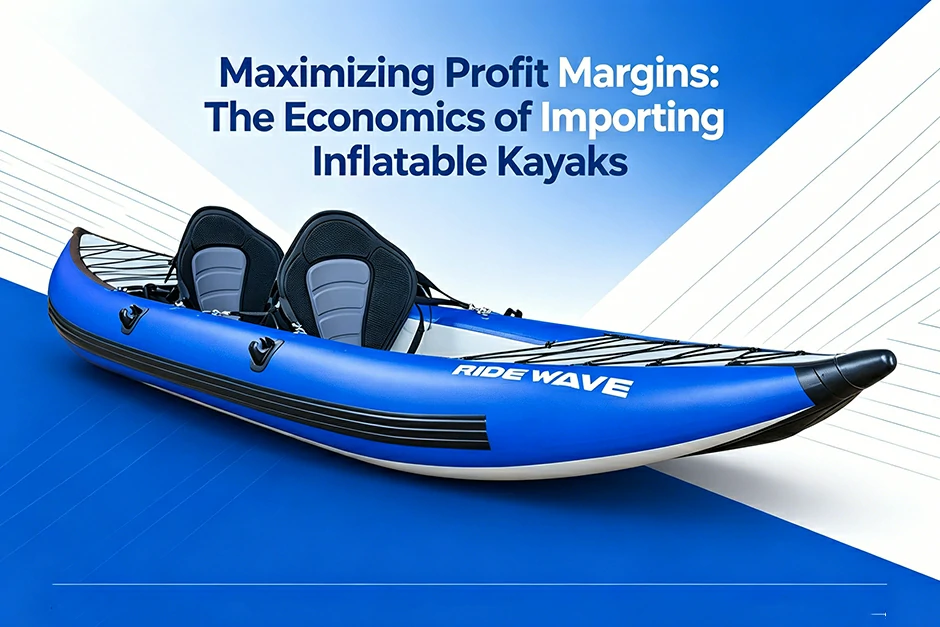


The global watersports landscape is undergoing a systemic transition driven by environmental regulation and changing consumer metrics. As commercial outfitters, bulk distributors, and multi-channel retailers restructure their purchasing cycles, the alignment between product design and local ecological mandates has become a primary driver of commercial success. Sustainable tourism is no longer a corporate social responsibility talking point; it is a strict operational reality reshaping the procurement of commercial watercraft. For international sourcing managers looking to diversify their high-margin portfolios, understanding these shifting macro trends is the key to locking in multi-season retail profitability and maintaining seamless market access across North America, Europe, and Oceania.
Why Is Sustainable Tourism Accelerating the Shift from Hard-Shell to Inflatable Kayaks in Commercial Fleets?
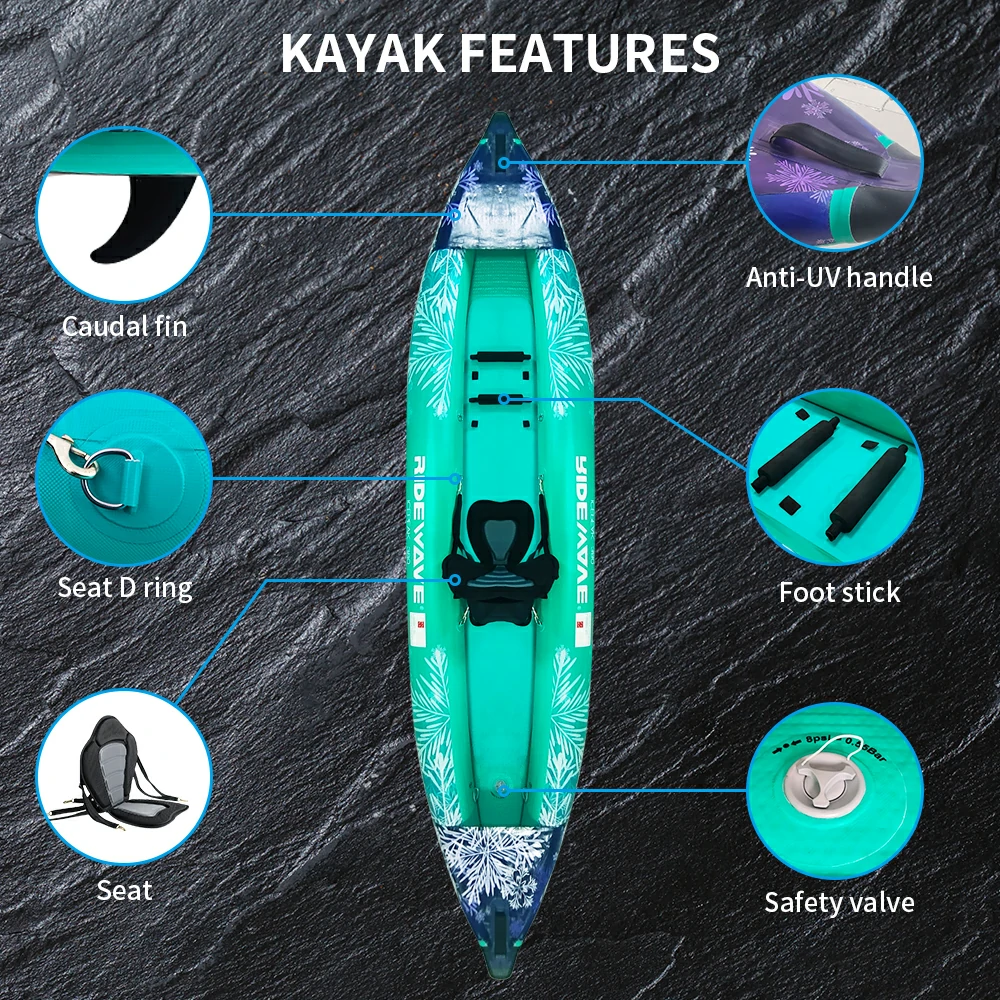
Ecosystem Protection Directives Driving the Commercial Inflatable Kayak Pivot
Sustainable tourism directly demands minimized shoreline erosion and zero chemical leaching at mass launch points, factors that heavily penalize heavy rigid watercraft fleets. Conventional high-density polyethylene (HDPE) vessels require continuous dragging across delicate riparian zones, accelerated riverbanks, and fragile wetland habitats, causing measurable physical degradation to local flora and fauna. Furthermore, the massive logistical footprint required to haul dozens of rigid hulls via heavy diesel combustion trucks to remote eco-resorts conflicts directly with the strict net-zero mandates enforced by modern national park authorities.
Zero Drag-Damage Compliance: Low-weight composite hulls prevent bank erosion during high-volume customer launches.
Reduced Kinetic Impact: Flexible polymer hulls yield upon impact with submerged river structures, protecting sensitive aquatic habitats.
Decentralized Access Flexibility: Deflated systems enable operators to utilize low-impact pedestrian trails rather than heavy vehicular concrete launch ramps.
To satisfy these tightening land-management guidelines while protecting corporate net profit margins from escalating transport overhead, commercial rental operators are actively retiring outdated rigid assets. Sourcing a advanced touring inflatable kayak pipeline allows rental businesses to bypass these regulatory bottlenecks entirely. Premier options engineered with high-density materials eliminate the need for heavy, habitat-disrupting infrastructure, ensuring commercial fleet buyers remain compliant with local clean-water initiatives while offering end-users an authentic, low-impact outdoor experience.
Commercial Fleet Longevity Metrics for Sustainable Inflatable Kayak Deployment
From a strict financial perspective, fleet turnover ratios directly dictate the long-term viability of an outdoor sports rental network. Sourcing professionals frequently worry that moving away from hard-shell assets toward a heavy-duty inflatable kayak will result in high puncture rates and accelerated replacement costs. This concern is valid when dealing with entry-level retail-grade single-layer PVC products, but it completely disappears when evaluating specialized commercial-tier manufacturing platforms.
Multi-Chamber Safety Redundancy: Isolated interior bladders ensure absolute flotation integrity even in the rare event of an outer skin compromise.
Abrasion-Resistant Rub-Strakes: Reinforced perimeter bumper tracks deflect high-velocity river friction and sharp shale gravel.
UV-Stabilized Outer Coatings: Marine-grade polymer treatments stop premature material yellowing, cracking, and structural delamination.
By introducing advanced manufacturing protocols into this segment, RIDEWAVE has successfully bridged the gap between ecological preservation and extreme product durability. Utilizing precision-engineered raw materials that offer unmatched puncture resistance, these specialized hulls withstand continuous operational abuse from inexperienced retail renters. Integrating a commercial inflatable kayak fleet that matches the lifespan of rigid alternatives while cutting storage overhead by over 70% allows global distributors to deliver an incredibly high-yield product portfolio to their commercial networks.

What Stringent Global Environmental Standards and Waterway Regulations Must Distributors Navigate in 2026?

Border Compliance Strategies for the Modern Inflatable Kayak Manufacturer
Global distribution channels are now bound by strict eco-regulations, such as European REACH, RoHS directives, and anti-invasive species protocols in North American national parks. Importing standard, uncertified watercraft introduces catastrophic border freeze and legal liability risks for the importing entity. In highly scrutinized markets like Germany, France, and the Pacific Northwest of the United States, environmental agencies have established rigorous chemical thresholds governing the heavy metals and chemical softeners used during polymer compounding.
REACH SVHC Compliance: Mandatory tracking of Substances of Very High Concern to eliminate volatile carcinogens from recreational gear.
Phthalate-Free Mandates: Strict legal bans on traditional low-cost plasticizers within the European economic zone.
Biochemical Surface Inertness: Ensuring the outer skin does not trap micro-algae or invasive aquatic larvae during cross-watershed transit.
To shield your distribution business from costly border delays, retrospective customs penalties, and cargo seizures, your procurement pipeline must prioritize verifiable material history. A premier inflatable fishing kayak or touring platform must carry fully independent laboratory validation before arriving at the port of entry. Partnering with a compliance-conscious entity like RIDEWAVE guarantees that every batch of raw PVC material undergoes comprehensive testing for chemical safety. Our manufacturing lines exclusively deploy advanced, stable eco-plasticizers, ensuring your premium 2-person inflatable kayak shipments pass international port audits smoothly and secure unhindered access to top-tier consumer retail networks.
Mitigating Ecotourism Risk via Documented Material Compliance
In addition to chemical composition rules, modern waterway management frameworks increasingly focus on product life expectancy as a key factor in environmental sustainability. Cheap, uncertified watercraft that fail after a single season create massive volumes of non-recyclable plastic waste, directly threatening landfill capacities in highly regulated jurisdictions. Consequently, corporate procurement departments and major outdoor buying cooperatives are actively updating their vendor qualification matrixes to penalize short-lived products.
1000D Matrix Reinforcement: Utilizing heavy-duty base fabrics that resist high-pressure tension without warping or tearing over years of use.
High-Frequency Linear Welding: Replacing toxic chemical adhesives with precision thermal fusion to eliminate structural seam breakdowns.
Verified Lifecycle Performance: Documenting laboratory simulated wear cycles to guarantee a multi-year service life under harsh outdoor conditions.
When importing a premium whitewater inflatable kayak or a fleet of eco-tourism vessels, wholesalers must treat certified product longevity as a core compliance filter. Distributors who base their purchasing decisions purely on initial factory-direct costs expose their enterprise to long-term legal claims and brand erosion. Aligning your procurement strategy with certified production standards protects your business from these operational risks, allows your sales team to win lucrative corporate accounts, and ensures your inventory meets the strict environmental standards demanded by today's eco-conscious consumers.

How Does the Compact Packaging of Inflatable Kayaks Directly Lower the Carbon Footprint of International Logistics?
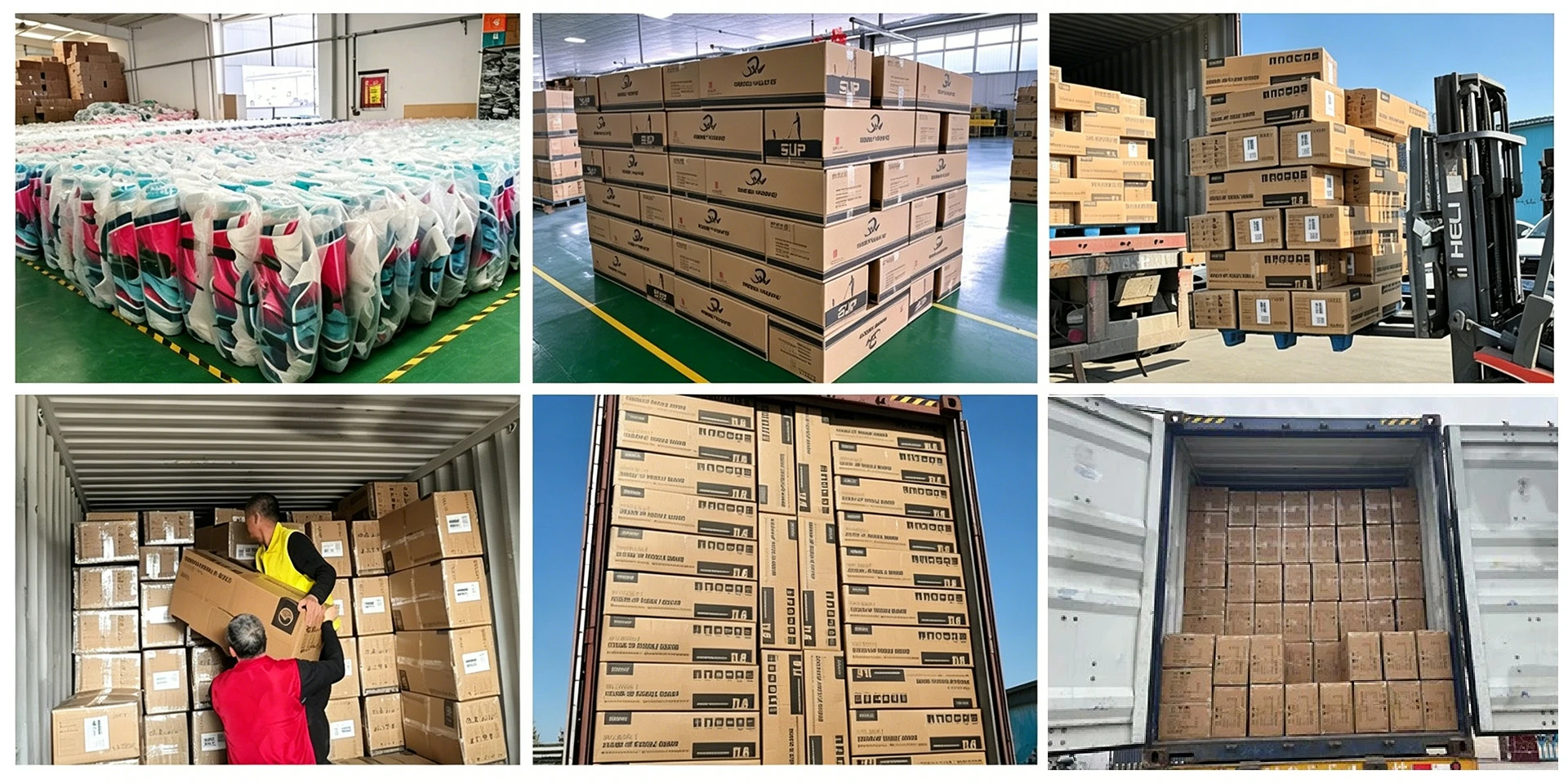
Volumetric Efficiency Scaling as a Core B2B Sustainability Metric
Volumetric shipping efficiency is the single most critical driver in reducing scopes 1 and 3 transportation emissions for modern outdoor sports distributors. When evaluating a commercial inflatable kayak factory partnership, procurement teams often overlook how packing dimensions influence long-term corporate environmental compliance. Shipping fully rigid polyethylene watercraft involves transporting vast amounts of empty interior air across oceanic trade corridors, leading to highly inflated carbon output per unit delivered. High-density foldable watercraft allow companies to compress their supply chain carbon output while shielding net profit margins from skyrocketing ocean freight spot rates.
Optimized Container Stacking: Eliminating structural dead-space inside intermodal containers to maximize freight density.
Reduced Last-Mile Handling: Compact cargo envelopes allow standard regional delivery vehicles to transport high-volume wholesale shipments without requiring specialized heavy trailers.
Warehouse Emission Reduction: Minimizing physical square-footage requirements directly cuts the continuous HVAC and operational power draw of domestic distribution hubs.
Pallet Optimization Strategies to Reduce Cross-Border Landed Costs
To systematically drive down greenhouse gas emissions while reinforcing supply chain resilience, top-tier international manufacturers design their commercial packaging patterns using advanced spatial algorithms. By utilizing heavy-duty, customized compression storage bags with strict dimensional tolerances, premium suppliers ensure that every single touring inflatable kayak kit takes up the minimum possible cubic space during transit.
Hydraulic Fabric De-Aired Folding: Utilizing industrialized vacuum and press fixtures to compress drop-stitch hulls without damaging internal vinyl composite matrixes.
Eco-Friendly Recycled Fiberboard Boxes: Shifting away from petroleum-based styrofoam packaging to high-strength, biodegradable structural corrugated cardboard.
Unified Palletization Formats: Ensuring box footprints match standardized European and North American pallet dimensions perfectly to eliminate shipping overhang.
As premium distributors restructure their warehouses to meet these eco-efficiencies, the volume-to-margin ratio explains Why Big-Box Retailers are Prioritizing Inflatable Kayak Inventory to offset conventional high-overhead retail spaces. Leading supply ecosystems like RIDEWAVE empower distributors to pack more than double the volume of field-ready inventory into a single shipping container compared to traditional rigid alternatives. This major packaging breakthrough slashes your per-unit freight overhead, provides your retail clients with highly stackable, retail-ready cartons, and delivers a highly measurable reduction in international logistical carbon profiles.

What Technical Material Innovations Protect Inflatable Kayaks Against Ecotourism's Demanding Outdoor Abuse?

High-Density Material Matrix Engineering Eliminating Product Lifecycle Waste
True sustainable durability relies on extending the product lifecycle, which directly requires military-grade drop-stitch fibers and high-density, multi-layered fusion technology. In the ecotourism sector, watercraft are subjected to a brutal, high-frequency operational rotation by varying user demographics, making raw material resilience the ultimate dividing line between capital profitability and operational loss. Watercraft engineered with high-density matrices resist high-velocity white-water collision and intense UV degradation, eliminating early landfill waste.
14,000 Filaments Per Square Meter: Premium interior vertical drop-stitch anchor configurations that prevent structural hull warping under maximum thermal expansion.
Cross-Woven Fabric Scrims: Advanced structural base layers that resist multidirectional diagonal tearing forces from underwater river obstructions.
Dual-Layer Polyurethane Shell Elements: High-grade outer coatings that completely shield the underlying fabric core from petrochemical spills and saltwater degradation.
Wholesale buyers looking to distribute a high-performance inflatable fishing kayak or multi-passenger exploration asset must verify the exact density metrics of the supplier's internal drop-stitch core. Lower-tier manufacturers save on raw material costs by lowering thread counts to fewer than 9,000 filaments per square meter, leading to flexible, low-pressure hulls that bend under load and fail prematurely. Investing in a premium 2-person inflatable kayak collection built on high-density materials guarantees that your retail clients receive inventory that can survive hundreds of heavy-use commercial rental cycles, establishing deep brand trust in your local market.
Advancements in Thermal Fusion Technology for Seamless Air Retention
Beyond the core fabric matrix, the mechanical construction of structural rail seams defines the real-world lifespan of any professional inflatable vessel. Traditional manufacturing workflows heavily depend on manual solvent-based chemical cold gluing. These glues decompose over time when exposed to continuous moisture, intense midday heat, and ozone, causing slow seam delamination and sending damaged equipment to landfills prematurely.
Molecular Bonding Realized: Utilizing high-frequency electronic welding bars to melt multi-layer rail elements together into a single, unified polymer mass.
Elimination of Glue Degradation Risks: Removing unstable chemical adhesives to prevent premature seam failures in hot, humid tropical eco-resorts.
Reinforced Double-Layer Double-Rail Tracks: Adding secondary air-tight sealing bands over the primary fusion zones to ensure maximum structural burst protection.
By transitioning entire production frameworks to automated high-frequency linear welding, RIDEWAVE completely eliminates the weaknesses associated with traditional chemical assembly. This clean, adhesive-free technology creates a seamless bond that is physically stronger than the raw material itself. When sourcing a professional whitewater inflatable kayak array for high-impact commercial use, selecting a manufacturer that uses these advanced welding protocols safeguards your corporate clients from unexpected warranty claims, stabilizes your seasonal supply chain, and supports global corporate environmental goals.

How a Premium European Adventure Outfitter Replaced 200 Hard-Shells with RIDEWAVE Fleets to Meet Net-Zero Targets?

Large-Scale Asset Decarbonization in the Alpine Eco-Tourism Sector
Corporate eco-targets are fully achievable when large-scale rental fleets replace conventional heavy polyethylene assets with high-frequency heat-welded inflatable solutions. This case study breaks down how RIDEWAVE facilitated an eco-fleet overhaul for a major Alpine outfitter, delivering a 45% operational transport emission reduction within 12 months. Based in the highly regulated Austrian Tyrol and Italian Dolomites watersheds, this premium multi-station adventure company faced escalating local government regulatory pressure regarding riparian bank damage and transport vehicle exhaust limits.
The Procurement Challenge: Overcoming strict regional bans on rigid watercraft towing trailers on secondary mountain access roads.
The Asset Inventory Problem: Managing a legacy fleet of 200 heavy, single-piece plastic hulls that required continuous transport and massive outdoor physical storage space.
The Strategic Operational Goal: Transitioning to an environmentally benign, low-impact watercraft platform without lowering client paddling performance or safety margins.
Quantifiable Operational Metrics and Supply Chain ROI Realization
To complete this comprehensive fleet replacement program, the outfitter's engineering committee executed a rigorous multi-brand evaluation loop, testing for structural stiffness, material stability, and inflation valve air retention. Sourcing a specialized touring inflatable kayak custom portfolio from RIDEWAVE provided the outfitter with an immediate solution to their regulatory restrictions.
60% Reduction in Maintenance Downtime: Upgrading to our 1000D high-density fabric layers completely stopped the small leaks and scratches commonly caused by shallow river gravel.
85% Collapse in Physical Storage Footprint: Compressing the deflated hulls into compact, organized storage units freed up prime indoor real estate, cutting warehouse energy overhead.
45% Transportation Carbon Drawdown: Shifting from multi-car heavy trailering to a single, fuel-efficient low-emission transport vehicle maximized daily operating efficiency.
The success of this European fleet upgrade demonstrates the commercial value of integrating high-grade inflatable systems into modern corporate rental frameworks. By equipping your wholesale network with a heavy-duty inflatable kayak series that matches hard-shell performance while delivering massive carbon savings, you provide commercial outfitters with a highly profitable path toward carbon neutrality. Partnering with a proven manufacturer secures long-term fleet contracts and establishes your brand as a leading supplier in the global sustainable tourism economy.
How Can Outdoor Gear Wholesalers Leverage Green Marketing Standards to Prevent Greenwashing Risks?
Bulletproofing B2B Commercial Portfolios Against Regulatory Overlap
B2B buyers must anchor their marketing in empirical factory data, raw material chemical tracing, and international compliance certifications to insulate themselves from greenwashing litigation. Vague "eco-friendly" claims without structural proof are a massive corporate liability in Western consumer markets. In highly litigious trade zones across the United States, Canada, and Australia, consumer protection agencies have severely tightened green marketing guidelines, introducing massive financial penalties for wholesale brands making unverified environmental statements.
Empirical Transparency Over Rhetoric: Shifting away from generic marketing taglines to verified, laboratory-backed performance metrics.
Traceable Raw Polymer Pipelines: Demand full material documentation from your factory to map every production element from inbound pellet to outbound cargo.
Independent Corporate Verification Audit: Ensuring your supply line values are certified by recognized third-party compliance firms rather than internal factory reviews.
To systematically secure your business from compliance liabilities, avoid sourcing from manufacturers that use non-traceable material supply streams. An elite inflatable fishing kayak or white-water fleet must have solid data credentials before entering major corporate retail networks. Industry leaders like RIDEWAVE protect distributors by providing comprehensive material certification portfolios, matching your premium 2-person inflatable kayak shipments with clear, audit-ready data. This strict commitment to transparency allows your distribution business to pass unexpected consumer audits with confidence and secure high-value shelf placements inside premium big-box accounts.
Establishing Long-Term Corporate Authority via Enterprise Compliance
The final step in building a long-term, compliant outdoor distribution network involves setting up an immutable digital chain of custody for your product inventory. Sourcing a advanced whitewater inflatable kayak lineup requires complete integration with modern enterprise resource planning (ERP) tracking solutions to ensure long-term accountability.
Permanent Hull Tracking Identifiers: Laser-etching immutable serial arrays onto the composite skin to trace production history indefinitely.
Instant Component Traceability Maps: Enabling instant data retrieval to pinpoint the exact automated thermal fusion parameters utilized during rail assembly.
Certified Environmental Benchmarking Logs: Providing corporate purchasing systems with clear, quantifiable metrics regarding industrial waste reduction and resource efficiency.
Wholesalers who build their corporate identities on transparent, verified compliance logs insulate themselves from shifting global trade disputes and market disruptions. Selecting a top-tier inflatable kayak factory that values empirical accountability helps your sales teams secure premium private-label (ODM/OEM) market share and builds long-term authority within competitive local networks. By treating compliance as a strategic corporate asset rather than an ongoing operational overhead cost, progressive brands protect their investments and ensure consistent, long-term retail success.
Future-Proofing Your Portfolio with a Top-Tier Eco-Manufacturer
Capitalizing on the Sustainable Water Sports Horizon
The structural shift within the global watercraft market is clear: environmental legislation and eco-tourism operational parameters are systematically replacing traditional procurement metrics. Wholesale distributors, multi-channel brands, and mass-market retailers can no longer rely on uncertified, high-carbon product lines without risking severe border frictions, legal greenwashing challenges, and localized distribution bans. Selecting an elite inflatable kayak factory that proactively aligning its material science and production methodologies with global ESG mandates is the most secure mechanism to shield your business capital.
Mitigate Regulatory Friction: Securing an unbroken pipeline of compliance-ready inventory designed to clear strict Western custom assays seamlessly.
Capture Premium Demographics: Delivering high-yielding product lines that satisfy both the extreme durability requirements of rental networks and the ecological ideals of modern consumer paddlers.
Maximize Supply Logistics: Utilizing advanced industrial spatial compression methods to protect net profit margins against macroeconomic shipping inflation.
Initiate Your Deep-Dive Technical Verification Today
Securing an exclusive commercial private-label (ODM/OEM) or distribution partnership with RIDEWAVE means more than just importing standard containers-it means transforming your watercraft portfolio into a highly compliant, legally sound, and carbon-optimized supply vehicle. We encourage global sourcing directors to look past generic sales pitches and move directly into factual empirical reviews.
Request our comprehensive 2026 Raw Material Eco-Compliance Dossier.
Coordinate a direct video consultation with our chief engineering and welding specialists.
Acquire an advance production-grade sample to run your own local field stress diagnostics.
Related Articles