
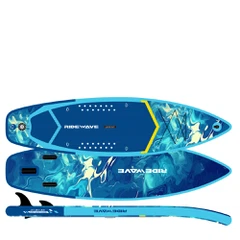

Chilean wholesalers can source inflatable SUPs for local market success by partnering with reliable Asia‑based manufacturers, mapping Chile's import compliance rules, picking high‑demand stand‑up paddle board models for Pacific coastal and inland water use, and locking in cost‑effective ocean freight ahead of the Southern Hemisphere summer peak. Many local sports resellers make avoidable mistakes: they only compare unit prices, overlook pre‑sales marketing assets, or miss critical lead‑time windows for seasonal stock turnover. Successful Chilean B2B buyers balance iSUP product performance, import tax planning, supplier after‑sales support, and local consumer preference to build sustainable profit margins, rather than chasing the lowest possible wholesale price. As outdoor water‑sport participation keeps rising across South America, inflatable paddle board wholesale represents a high‑potential expansion category for existing sporting goods distributors, brand owners and new‑entry water‑sport merchants.
Why Is The Chilean Inflatable SUP Market Booming In 2026 For B2B Wholesalers?
Chile's inflatable SUP wholesale market keeps expanding in 2026, driven by multiple overlapping macro‑trends across South America. First, growing middle‑class spending on affordable outdoor recreation pushes steady demand for inflatable stand‑up paddle board kits. Unlike hard fiberglass boards, iSUP units are compact after deflation, which suits Chilean retail stores with limited warehouse and shelf space.

Coastal cities from Arica down to Punta Arenas, plus inland lakes around Santiago, create year‑round usable water environments for casual paddling, yoga‑SUP and light touring. Tourism operators, beach rental shops and physical sporting‑goods retailers all need consistent stock of wholesale inflatable paddle boards to meet rising consumer requests. Global outdoor industry reports show South America's inflatable water‑sport segment maintains stable year‑over‑year growth, and Chile remains one of the fastest‑growing national markets within this region.
Another key driver is the Southern Hemisphere seasonal cycle. When North America and Europe enter cold winter months, Chile moves into spring‑summer, which is the highest‑selling window for SUP inventory. Wholesalers who properly plan import lead‑times can capture strong seasonal revenue, while buyers who delay sourcing will face container shortages, higher spot freight rates and empty shelves during peak selling months.
Not all local merchants understand this timing dynamic. Some Chilean wholesalers still rely on local importers and middlemen, which squeezes gross profit heavily. Direct factory sourcing gives B2B operators room to set competitive retail prices while keeping healthy margins, which explains why more Chilean sporting‑goods businesses are starting to source bulk inflatable SUPs directly from overseas manufacturers.
·Retail rental businesses need durable, heavy‑duty iSUP that can handle repeated commercial use
·Independent sport‑goods shops prefer mixed‑size SUP bundles to cover beginner‑focused mainstream sales
·Online resellers require complete marketing assets for product listings and pre‑sales campaigns
·Local brand holders look for OEM / ODM support to launch private‑label inflatable paddle board lines
What Are The Core Consumption Characteristics Of Chile's Local SUP End Users?
Before ordering large volumes of bulk inflatable SUPs, Chilean wholesalers need to map real‑world end‑user behaviour, because consumer preferences in Chile differ significantly from North American, European or Australian markets. Choosing wrong SUP specifications will lead to slow‑moving inventory and locked‑up working capital, one of the biggest risks for B2B paddle‑board resellers.
Most Chilean buyers purchasing inflatable paddle board are recreational beginners or casual family users. They prioritize three product traits: good stability for Pacific coastal small‑wave conditions, simple‑to‑operate complete accessory kits, and reasonable price points. High‑performance racing SUPs represent only a tiny niche segment, so over‑stocking race‑oriented models seldom delivers strong turnover for general wholesalers.
Chile's strong UV radiation is another non‑negotiable factor. Boards sold locally must adopt UV‑resistant lamination materials. Without UV‑stable treatment, iSUP surfaces fade rapidly under strong sunshine, and PVC layers degrade faster, raising return rates and negative customer feedback for wholesalers.
End‑user groups across Chile break down into four clear segments for inflatable SUP purchasing:
Family recreational users: They favour wide‑body all‑around SUP kits, targeting weekend lake and bay outings. Weight capacity should support adults plus occasional children. Complete package including paddle, hand pump, backpack and leash is mandatory for local retail sales.
Coastal casual paddlers: These consumers mainly play on near‑shore Pacific waters. They need reinforced side rails to handle minor bumping against rocks. Pure lightweight touring boards are less popular here.
SUP yoga enthusiasts: Stable, extra‑wide inflatable SUP with large flat deck areas. This is a fast‑growing blue‑niche category for Chilean fitness studios and resellers.
Tourism & rental operators: They require heavy‑duty drop‑stitch construction, thick PVC layers, and easy spare‑part access. Rental‑grade iSUP faces far more frequent inflation‑deflation cycles and rough handling than private‑use boards.
Wholesalers should not copy best‑selling item lists from European online stores. Local consumer habits, water‑environment conditions and sunlight intensity must shape your final wholesale inflatable SUP product mix. RIDEWAVE's sales team frequently reminds South‑American partners to adjust item selection according to local end‑user profiles, based on field feedback accumulated from multiple Latin‑American distribution projects.

What Import Rules, Tariffs And Logistics Policies Do Chilean SUP Wholesalers Need To Comply With?
Successful inflatable SUP importing for Chile depends heavily on understanding official customs rules, tariff calculation, required documents and container logistics arrangements. Many first‑time Chilean B2B buyers focus only on product unit price, yet unexpected import‑related costs can erase most of your planned gross margin for wholesale inflatable paddle board orders.
For inflatable water‑sport goods including iSUP, Chile applies a base customs tariff rate of 6 % calculated on CIF value (Cost, Insurance, Freight), plus 19 % standard VAT over the total CIF‑plus‑duty amount. Importers must prepare complete documentation before cargo arrives at Chilean ports: commercial invoice, packing list, bill of lading, tax ID information of local importer, and certificate of origin if applicable. Goods arriving without full paperwork will trigger customs clearance delays, port storage fees and even cargo hold‑ups.
Important notes for Chilean wholesalers sourcing bulk inflatable SUPs:
Confirm correct HS code classification ahead of production. Mis‑declared HS codes create customs penalties. Most inflatable SUP paddle board shipments use HS code 39269090 for inflatable PVC articles. Always double‑check with your local customs broker before finalizing shipping documents.
Chile does not enforce complicated mandatory product certification for recreational inflatable SUP, but CE test reports are still strongly recommended. Local retailers and tourism rental buyers frequently request safety‑related test documentation for resale and insurance purposes.
De‑minimis value exemption only applies for small‑value consumer parcels. All commercial wholesale SUP consignments from overseas manufacturers are subject to full duty and VAT assessment, regardless of order size.
Below table compares core import‑related conditions for Chile and Argentina, two key South‑American markets for inflatable SUP B2B buyers. It helps Chilean wholesalers reference real‑world data from neighbouring markets, including the Argentina 1200‑unit order case we will cover later.
| Item | Chile | Argentina |
|---|---|---|
| Base import tariff for inflatable SUP | 6 % on CIF value | Varies based on official trade policy |
| Standard VAT | 19 % | Country‑specific VAT regulation |
| Mandatory core documents | Invoice, packing list, B/L, importer tax ID | Invoice, packing list, B/L, import registration files |
| Common destination port | San Antonio, Valparaíso | Buenos Aires |
| Popular loading port from China | Qingdao / Ningbo | Qingdao |
Ocean transit time from Qingdao to main Chilean ports normally runs 38‑48 days. Chilean SUP wholesalers must build this transit window plus customs clearance buffer into their production lead‑time planning. If you aim for stock arrival before September‑October spring selling season in Chile, you need to confirm factory production well in advance.
RIDEWAVE routinely provides full sets of shipping‑ready documents for South‑American B2B clients. Our team will cross‑verify invoice descriptions, commodity coding and packing details together with distributors, to reduce customs‑declaration risks for inflatable SUP bulk shipments. Even so, every importer still needs to work with a trusted local customs broker, because final compliance responsibility sits with the Chilean importing business.
Why Are Chinese Factory‑Sourced Inflatable SUPs Dominating South American B2B Markets In 2026?
Chilean and broader South‑American inflatable SUP wholesalers have steadily shifted away from European middlemen and regional importers toward direct‑from‑China manufacturing over recent years. This shift is not driven by price alone. It comes from improved production consistency, flexible order structures, complete accessory matching, and better readiness for Southern‑Hemisphere seasonal demand cycles. Many local buyers still hold outdated assumptions that all Chinese‑made iSUP products are low‑grade. In reality, multiple factory tiers exist, and B2B buyers need to distinguish budget‑level mass goods from stable‑quality commercial‑grade inflatable stand‑up paddle board output.
European‑manufactured wholesale inflatable SUP options remain available for South‑American dealers, yet they carry three obvious drawbacks for Chile‑focused resellers. First, higher factory unit costs compress gross profit margins for mass‑market retail, which occupies most of Chile's SUP sales volume. Second, European factories often prioritize Northern‑Hemisphere delivery timelines. Their production schedules revolve around spring‑summer for Europe and North America, which means they cannot prioritize stock preparation for South‑America's reversed summer selling window. Third, minimum‑order volumes from EU producers are frequently inflexible, making product‑mix testing risky for mid‑sized Chilean sporting‑goods merchants.

Well‑qualified Chinese inflatable water‑sport factories solve these pain‑points for Latin‑American B2B partners:
Flexible MOQ schemes: Allow wholesalers to test mixed inflatable SUP model assortments before committing to large container loads
Complete one‑stop accessory kits: Paddles, hand pumps, backpacks, safety leashes, repair kits can be packed together according to local retail requirements
Season‑aware production scheduling: Factories experienced with Latin‑American markets reserve production slots specifically for Southern‑Hemisphere summer pre‑shipment
Document support: Commercial invoices, packing lists, test reports and origin‑related files can be prepared to satisfy Chilean customs inspection requirements
Growing capability for OEM and private‑label inflatable paddle board projects for local Chilean brand operators
It is worth emphasizing that "China‑sourced" does not automatically equal good quality. Poor supplier selection brings defective drop‑stitch fabrics, weak heat‑weld seams, inconsistent printing, and missing safety accessories. These defects will trigger high return rates, damage retail‑store reputations and erode long‑term business for Chilean SUP wholesalers. Working with factories that already possess proven South‑American distribution experience greatly reduces trial‑and‑error costs. RIDEWAVE, as a manufacturer serving Latin‑American distributors for years, has observed that first‑time direct‑import buyers achieve far better outcomes when they select suppliers familiar with Chile, Argentina and nearby market requirements, rather than choosing random low‑cost vendors.
Key advantages for Chilean B2B buyers choosing experienced Chinese inflatable SUP manufacturers:
✅ Commercial‑grade drop‑stitch and thick‑UV‑resistant PVC material options
✅ Ability to adjust accessory configurations to fit local retail habits
✅ Production slots aligned with Southern‑Hemisphere peak selling seasons
✅ Readily‑available test documentation for retail and rental customer requests
✅ Marketing material support for pre‑sales activities
How To Choose A Reliable Inflatable SUP Manufacturer For Long‑Term Chile Market Cooperation?
Every Chilean inflatable SUP wholesaler hopes to lock in a stable long‑term manufacturing partner, yet separating trustworthy factories from trading companies or small workshops remains a major challenge. Unit price should never sit as your primary screening metric. Many painful B2B sourcing failures originate from signing orders only based on lowest quoted price, without verifying real production capacity, quality control procedures, after‑sales policies and Latin‑America‑oriented service capabilities.
When you evaluate potential iSUP suppliers for the Chilean market, you need to examine five practical dimensions instead of reading self‑written company brochures:
Real production & quality control capacity Ask for workshop video clips, finished‑goods random‑check records, and batch test reports for inflatable stand‑up paddle board. Genuine manufacturers hold complete in‑house welding, printing, inspection workflows. Pure trading firms outsource all production, which creates unstable quality and uncontrollable lead‑time risks.
Past cooperation cases within Latin‑America Prior project experience with Chile, Argentina, Peru or Brazil is extremely valuable. Factories that understand Southern‑Hemisphere seasonal rhythms, UV‑resistant material requirements and South‑America customs‑document habits will shorten your learning curve significantly.
MOQ flexibility and product‑mix support Can this supplier support mixed‑model container loading for wholesale inflatable paddle board? For Chilean merchants testing new categories, rigid single‑model high‑MOQ rules raise inventory pressure substantially.
Clear after‑sales terms for bulk orders Clarify defective‑goods replacement policy, spare‑parts supply channel, and complaint‑handling workflow before placing PO. Inflatable SUP items can suffer small‑rate production defects. A responsible factory defines how claims get processed, rather than avoiding after‑sales conversations.
B2B marketing asset provision High‑resolution product photos, editable catalogues, specification sheets and detail‑shot libraries are essential for Chilean wholesalers running pre‑sales and online listings. Not all inflatable SUP factories deliver these marketing resources for B2B partners.

Many Chilean buyers make the mistake: they request samples, approve sample quality, and then assume mass‑produced goods will match sample standards. In fact, sample consistency versus mass‑batch consistency is the real test for an inflatable paddle board manufacturer. You should confirm batch‑sampling QC rules with your future supplier.
RIDEWAVE recommends prospective Chilean partners to complete multi‑step verification: review Latin‑American reference cases, request batch QC records, test mixed‑model small trial orders before scaling up to full container shipments. This structured approach lowers long‑term supply‑chain risk for SUP wholesalers entering or expanding within Chile's water‑sport market.
How Does RIDEWAVE Help South American Distributors Reduce Procurement And Operational Risks?
Selecting a qualified manufacturer is only half of the supply‑chain puzzle for Chilean inflatable SUP wholesalers. Even with good‑quality hardware, distributors still face inventory risks, marketing preparation gaps, customs‑declaration confusion and tight seasonal lead‑time pressure. A manufacturer's extra support services can meaningfully lower overall operational risk for local resellers.
As an inflatable SUP manufacturer with multi‑year Latin‑American cooperation experience, RIDEWAVE does not limit our service scope to only manufacturing physical paddle‑board goods. We build supporting workflows tailored for South‑American B2B distributors, addressing common pain‑points that many generic factories ignore. These support items are designed around real‑world profit‑driven needs of wholesalers, not simple marketing slogans.
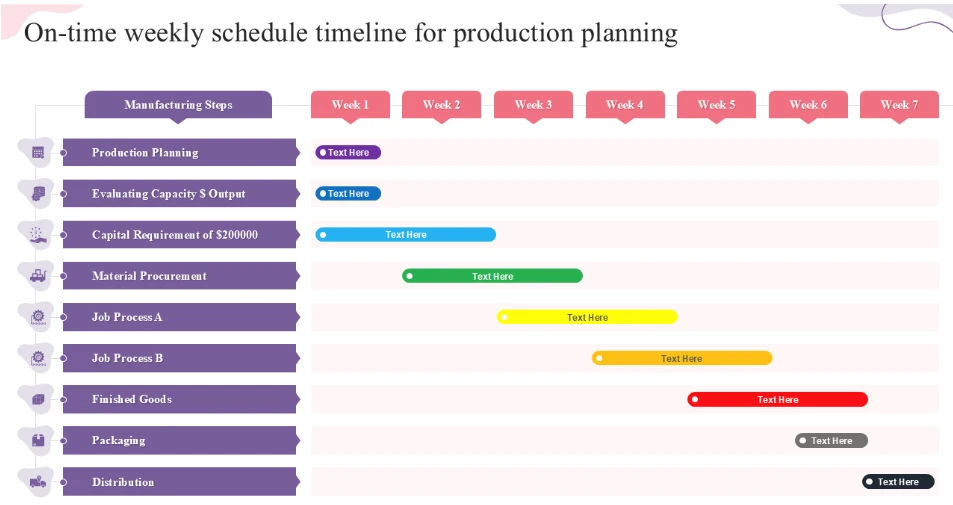
Below outlines practical support we provide for Latin‑America partners:
Season‑aligned production reservation: We reserve production capacity ahead of Southern‑Hemisphere spring‑summer, helping distributors avoid factory queue congestion when SUP demand spikes.
Pre‑prepared marketing asset packages: Complete product catalogues, studio‑shot main images, detail pictures, specification datasheets. These files can be directly adapted for local e‑commerce platforms, social‑media promotion and offline retail pre‑sales campaigns.
Pre‑shipment QC for each bulk consignment: Third‑party or in‑house random inspection before container loading, to catch abnormal products before goods depart from Qingdao port.
Full customs‑ready document set: Commercial invoice, packing list, test report copies, which distributors can share with local Chilean customs brokers directly. We double‑check commodity descriptions and HS‑code references together with clients.
Flexible mixed‑SKU container loading: Distributors can combine multiple popular inflatable stand‑up paddle board models within one 20GP /40HQ container, without forcing full‑container single‑model ordering. This reduces overstock risk for Chilean merchants testing local market feedback.
Responsive spare‑part supply: Replacement paddles, hand pumps, repair accessories can be shipped together with main wholesale inflatable paddle board cargo or sent via small parcels for after‑market requirements.
We would stress that RIDEWAVE cannot eliminate every importing risk for Chilean partners. Local customs policy adjustments, ocean‑freight market volatility, local retail competition remain outside factory control. Our role is to minimise risks within manufacturing‑side scope. Final local compliance, retail pricing and sales execution still belong to each Chilean wholesaler's own business decisions.
This set of service frameworks has already proven effective among our Latin‑American partners. One representative real‑world bulk‑order case from Argentina illustrates how these combined resources work in actual B2B practice.
What Is The Real B2B SUP Procurement Success Case In South America (2026 Argentina Bulk Order)?
In January 2026, one of our long‑term Argentina‑based distributors placed a substantial bulk order for inflatable SUPs. This client operates sporting‑goods distribution covering physical retail stores and beach‑rental networks across multiple Argentine provinces. Facing the approaching Southern‑Hemisphere summer demand surge, the distributor decided to expand their iSUP category and turned to RIDEWAVE as their manufacturing partner.
For this order, the customer purchased 1200 pieces of RIDEWAVE‑brand inflatable SUPs, selecting five proven high‑demand models suited for coastal recreation, family paddling and beach‑rental scenarios. Instead of selecting niche high‑performance boards, they focused on all‑around stable inflatable stand‑up paddle board variants, which matched mainstream local consumer purchasing power.
Logistics planning formed a core part of this project. The whole consignment was loaded in Qingdao port in China. Ocean freight was arranged to achieve competitive unit‑transport cost. Low per‑unit shipping expense was critical, because ocean‑transport cost represents a noticeable share of total landed cost for wholesale inflatable paddle board goods, and higher freight would directly compress reseller profit margins.
Before finished goods even left the factory, RIDEWAVE delivered the complete B2B marketing asset package to this Argentina partner: printable product catalogues, full sets of studio‑shot main images, detailed close‑up photos, specification sheets and feature descriptions. Using these ready‑made resources, the distributor launched pre‑sales campaigns across offline retail channels and local social‑media platforms, without waiting for physical containers to arrive at Buenos Aires port.
By the time sea cargo reached destination, the Argentine distributor had already pre‑sold 800 sets out of 1200 total inflatable SUP units. Heavy pre‑sales absorption greatly reduced inventory capital pressure. Currently, this distributor is actively communicating with our sales team to negotiate follow‑up replenishment orders, to satisfy ongoing market demand as Argentina's summer season continues.
This Argentina case delivers several actionable take‑aways for Chilean SUP wholesalers:
Prioritize proven mainstream all‑around models rather than niche‑oriented SKUs when launching new bulk‑stock programs.
Pre‑sales supported by factory‑supplied high‑quality marketing assets can move large inventory volumes before containers arrive.
Plan production and ocean‑shipping schedules well ahead of Southern‑Hemisphere summer peak; do not wait until hot weather arrives to begin sourcing.
Calculating total landed cost (product + freight + tax) is far more important than only comparing ex‑factory unit price.
Chile shares many consumer and seasonal similarities with Argentina. The operational logic demonstrated inside this 2026 Argentina order can be referenced directly by Chilean wholesalers building their own inflatable SUP wholesale business.
How To Compare Inflatable SUP Suppliers' Product Quality, MOQ And After‑Sales Service For Chile Market?
Once Chilean inflatable SUP wholesalers collect quotations from multiple potential suppliers, side‑by‑side comparison becomes necessary. Many B2B buyers only arrange quotation sheets comparing unit price. This narrow view ignores quality gaps, MOQ restrictions, after‑sales obligations and value‑added B2B support, which will create unexpected losses later on. A structured comparison table helps decision‑making more objective.
The table below outlines key comparison dimensions for iSUP suppliers targeting Chile market. It contrasts general low‑cost trading companies, average mid‑tier factories, and experienced Latin‑America‑oriented manufacturers such as RIDEWAVE. All dimensions matter for wholesalers planning long‑term wholesale inflatable paddle board operations inside Chile.
| Comparison Dimension | Low‑cost trading company | Ordinary mid‑tier factory | Latin‑America‑experienced manufacturer (RIDEWAVE as reference) |
|---|---|---|---|
| Drop‑stitch & PVC material | Mixed‑grade material, unstable UV resistance | Standard commercial‑grade PVC, optional UV enhancement | Thick commercial drop‑stitch, standard UV‑resistant PVC for South‑America market |
| MOQ requirement | Flexible, but quality not guaranteed | High fixed MOQ per single model | Support mixed‑model container loading, reasonable trial‑order MOQ |
| B2B marketing assets | Almost no professional material support | Basic product pictures only | Full catalog, studio photos, detail shots, spec sheets for pre‑sales |
| After‑sales responsibility | Shift blame to original factory, vague policy | Limited defect replacement quota | Clear bulk‑order defect handling process, spare‑part supply channel |
| Customs‑ready documents | Simple invoice & packing list only | Basic documents, limited cross‑check | Complete document set, double‑check HS code & commodity description for South‑America |
| Latin‑America market experience | None | Rare limited projects | Multiple completed distributor projects across Argentina, Chile, Peru etc. |
Price remains part of your evaluation, yet it should never occupy the whole weight. A slightly higher ex‑factory price for inflatable stand‑up paddle board can translate into far lower after‑sales cost, fewer customer complaints, faster inventory turnover and higher long‑term gross profit for Chilean wholesalers.
When you compare suppliers, watch for several common red flags:
Quotation is extraordinarily far below market average, without clear material specification description
Refuse to provide batch QC records or real Latin‑American client references
Avoid written after‑sales commitments, only give verbal promises on defect handling
Cannot provide complete marketing files for your local pre‑sales and listing work
Chilean SUP wholesalers should combine table comparison, sample evaluation, reference case verification, and small trial‑order testing before committing capital to large‑volume container‑level purchases.
What SUP Product Specifications Are Most Suitable For Chile's Coastal And Inland Water Scenarios?
Selecting correct inflatable SUP specifications is one of the highest‑impact decisions for Chilean wholesalers. Poorly matched board dimensions, material grades and accessory bundles create slow‑moving stock that locks up capital, even if you partner with a high‑quality manufacturer. Chile mixes rough Pacific shorelines, sheltered inland lakes, high ultraviolet sunlight and diverse user groups, so one‑size‑fits‑all inflatable stand‑up paddle board inventory will never maximize your retail turnover.
For Chile's market, you should split your wholesale inflatable paddle board assortment into three core product lines: all‑around recreational boards for mass retail, reinforced rental‑grade iSUPs for tourism operators, and compact SUP‑yoga boards for fitness studios. High‑speed racing boards and ultra‑long touring models only occupy tiny niche demand and should account for a very small share of your total order volume.
Key physical parameters to prioritize for Chile local conditions:
Width: 32‑34 inches for mainstream all‑around inflatable SUP. Extra‑wide 34‑36‑inch models work well for SUP yoga and family use. Narrow boards below 31 inches deliver less stability for choppy near‑shore Pacific waters and sell slowly in general retail channels.
Thickness: 6 inches remains the industry standard. 8‑inch‑thick boards bring better weight capacity yet raise container volume per unit, pushing up ocean freight cost for bulk inflatable SUPs. Balance load capacity against landed cost for your target customer group.
Material grade: UV‑resistant PVC lamination is non‑negotiable under Chile's strong sun. Rental‑oriented stock requires double‑layer side rails to resist rock bumps and repeated abrasion. Standard single‑layer UV‑stable material meets requirements for private‑end‑user retail sales.
Full accessory package: Every retail‑ready iSUP must include adjustable aluminum paddle, high‑pressure hand pump, travel backpack, safety ankle leash and repair kit. Local Chilean consumers strongly prefer complete kits; bare‑board‑only orders see far weaker retail performance.
The following reference table summarizes recommended configurations for major Chilean usage scenarios. Wholesalers can reference this sheet when drafting product mix for new inflatable paddle board container orders.
| Usage Scenario | Recommended Width | Thickness | Material Focus | Target Customer | Market Share Suggestion In Order |
|---|---|---|---|---|---|
| Family & coastal recreation | 32‑34 in | 6 in | UV‑resistant standard PVC | Sport shops, online resellers | 60 % |
| Beach rental & tourism operation | 33‑35 in | 6‑8 in | Reinforced side rail, thick drop‑stitch | Tour operators, beach business | 25 % |
| SUP yoga & fitness activities | 34‑36 in | 6 in | Flat non‑slip deck pad | Fitness studios, wellness retailers | 10 % |
| Niche long‑distance touring / racing | < 31 in | 6‑8 in | Light‑weight high‑tension fabric | Hobby specialist stores | 5 % |
When reviewing the Argentina 1200‑unit case we covered earlier, the distributor allocated most volume to the family‑recreation and rental categories, which exactly matches this product‑mix logic. RIDEWAVE's B2B sales team regularly shares this scenario‑based specification reference with Chilean prospects to avoid over‑ordering niche low‑turnover SKUs.
Remember that local water conditions beat overseas best‑seller charts. Do not copy product lists from European or North‑American web stores blindly. What sells well in calm European lakes may under‑perform on Chile's Pacific coast with small waves and intense solar radiation.
How To Cut Ocean Freight Costs For Bulk Inflatable SUP Shipments From China To Chile?
Ocean freight represents a very large share of total landed cost for bulk inflatable SUPs. For Chilean wholesalers, uncontrolled shipping expenses can erase most gross profit even when you obtain a favorable factory unit price. Knowing how to optimise sea‑shipping arrangements from Chinese loading ports to Chile helps you improve profit margins without forcing you to compromise on inflatable stand‑up paddle board product quality.

Inflatable paddle boards occupy significant container space after packing. Volume‑based freight calculation makes wholesale inflatable paddle board orders highly sensitive to container space utilisation. Here are practical, proven tactics for Chilean B2B buyers:
Plan order timing away from global freight peak seasons. Freight rates typically surge in Q3‑Q4 for Asian‑South America trade lanes. To serve Chile's September‑November spring sales window, confirm production and booking between January‑June. Book container space early to avoid spot‑rate spikes.
Optimise container loading density. Work with your manufacturer to maximise carton packing efficiency. Compress deflated inflatable SUP packages reasonably within material‑safe limits. Higher carton quantity per container lowers unit shipping cost dramatically. RIDEWAVE's packing team optimises carton layout for Latin‑American orders to raise container fill ratio.
Choose correct loading port. Qingdao and Ningbo offer stable, competitive rates toward Chilean main ports San Antonio and Valparaíso. Compare quotations from both ports before confirming your shipping schedule.
Select suitable container type. 40‑HQ containers deliver far better unit‑volume cost efficiency than 20‑GP for large‑volume iSUP orders. For small trial orders, 20‑GP or LCL less‑than‑container‑load can work, yet LCL always carries much higher per‑unit freight and higher risk of cargo damage. Avoid LCL for large seasonal stock replenishment.
Align production lead‑time with vessel schedule. Rushing last‑minute vessel bookings will attract premium urgent surcharges. Stable long‑term cooperation with your manufacturer allows you to lock in vessel space ahead of demand increases.
Wholesalers must also calculate hidden logistics‑related costs: port handling fees at destination, customs broker service fees, inland trucking from Chilean seaport to your warehouse. Many first‑time importers only compare main‑ocean freight and ignore these secondary charges, leading to inaccurate total landed‑cost projections.
The Argentina distributor case we discussed previously achieved low per‑unit transport expense partly by optimising container fill‑rate and locking vessel space well before summer demand heated up. Cost‑effective shipping does not mean picking the cheapest random carrier; reliability of transit schedule matters, because delayed containers will make you miss Chile's short spring‑summer selling window for inflatable SUP.
How Can Chilean Wholesalers Use Pre‑Sales Marketing To Boost SUP Sales Before Summer Peak?
One major lesson drawn from the 2026 Argentina inflatable SUP bulk‑order case is the power of well‑executed pre‑sales. Many Chilean wholesalers follow old‑school logic: wait until physical inventory arrives at local warehouse, then start selling. This approach wastes valuable pre‑peak‑season time and increases capital pressure, because you pay for goods and ocean freight long before generating revenue. Pre‑sales lets you convert demand while cargo is still on the ocean, reducing inventory risk for wholesale inflatable paddle board stock.
To run effective pre‑sales for Chile's market, you need high‑quality marketing assets, clear time planning, and realistic promotion expectations. Factory‑provided studio photos, detail‑shot galleries, printable catalogues and specification datasheets become your core pre‑sales resources. Without these ready‑made files, you cannot quickly launch online listings, social‑media content or offline retailer brochures.
Practical pre‑sales workflow steps for Chilean SUP wholesalers:
Lock product selection and confirm manufacturing schedule 4‑6 months before Chile spring peak. Request full marketing asset packages from your inflatable stand‑up paddle board manufacturer immediately after order confirmation. Do not wait until goods are finished.
Release pre‑sales materials to your B2B retail clients (sport shops, rental operators, fitness studios) 2‑3 months before estimated container arrival. Share product photos, specs, estimated arrival date and special pre‑order wholesale terms.
Deploy local‑language social‑media content targeting Chile end‑users. Focus on coastal recreation, family weekend outings and SUP‑yoga scenarios. Direct consumer enquiries flow toward your retail partner network. As a wholesaler, you do not need to compete directly against retailers for end‑user sales.
Track pre‑order volume continuously. If certain inflatable SUP models collect far stronger pre‑order interest, communicate early with your manufacturer to evaluate additional replenishment capacity. If some SKUs attract minimal interest, adjust future order mix accordingly.
Common pre‑sales mistakes Chilean B2B operators should avoid:
Starting pre‑sales without confirmed vessel arrival dates, promising unrealistic delivery timelines to downstream partners
Using low‑resolution mobile‑phone photos instead of professional studio marketing materials
Running pre‑sales only for end‑users and ignoring your B2B retail dealer network, which forms your core customer base
Pre‑sales will not eliminate all inventory risk. Market demand can shift unexpectedly. Yet when combined with factory‑supplied marketing assets, pre‑sales substantially improve capital turnover for Chilean inflatable paddle board wholesalers, just as demonstrated in the Argentina distributor example.

What Customization Options Can Help Chilean Distributors Differentiate Local SUP Competition?
Generic off‑the‑shelf inflatable SUP models face fierce price competition inside Chile's importing market. More Chilean distributors are exploring OEM and ODM customisation to build unique selling points, protect profit margins and construct their own local brand influence. Customisation does not always mean huge minimum‑order thresholds. There are multiple tiered customisation choices for wholesale inflatable paddle board projects, ranging from low‑risk minor adjustments to full private‑label development.

Different levels of customisation for Chilean B2B distributors:
Graphic & print customisation (low MOQ entry point): Modify surface printing, deck‑pad colour, add local‑market‑oriented artwork or distributor‑owned brand logo onto standard existing inflatable stand‑up paddle board moulds. This option carries relatively low MOQ and short lead‑time. It is suitable for merchants testing private‑label appeal for the first time.
Accessory bundle customisation: Swap paddle types, upgrade backpack quality, adjust repair‑kit contents, or add extra safety accessories according to Chile local retail habits. No change to board body itself, flexible for mixed‑container orders.
Dimension & shape modification (higher MOQ): Adjust board width, length, rail shape to create board geometry tailored for Chile coastal water features. This requires new mould or cutting tooling, so minimum‑order quantity increases accordingly.
Full‑project ODM development: Complete new‑product design from concept, including material formula optimisation for strong Chile UV exposure. This path fits established local brand holders with clear long‑term market plans and larger order budgets.
Many Chilean wholesalers misunderstand customisation: they assume every custom project requires thousands‑piece MOQ. Graphic printing and accessory‑level tweaks can often be realised at much smaller batch sizes at RIDEWAVE and similar experienced manufacturers. Even so, you must balance customisation benefits against risk. Custom printed inflatable SUP cannot be resold easily to other markets if local Chilean sales under‑perform. Start with print‑level low‑risk customisation before moving to shape‑modified ODM development.
Practical customisation tips for Chile market:
Prioritise UV‑resistant printing ink. Intense Chile sunlight can fade ordinary printing rapidly.
Keep local consumer aesthetic preference in mind; avoid directly copying European graphic styles.
Confirm all custom‑artwork final files and sample approval before mass‑production starts.
How Do Professional SUP Production Processes Improve B2B Resale Profit Margins?
Profit margin for inflatable SUP resellers is not determined solely by negotiated ex‑factory price. Stable production technology, strict quality control and mature manufacturing workflows reduce after‑sales failure rates, lower downstream return complaints, and protect your brand reputation in Chile's competitive sporting‑goods trade. These production‑side factors indirectly lift your net profit for wholesale inflatable paddle board business.
Many Chilean B2B buyers judge product quality only by holding one physical sample. Yet real quality gaps emerge during mass‑batch manufacturing. Key production steps that heavily influence long‑term iSUP performance include drop‑stitch fabric alignment, high‑frequency heat‑weld seam processing, multi‑layer PVC lamination, UV‑resistant printing application and finished‑goods air‑tightness testing.
Poor execution in any of these steps creates predictable commercial headaches for Chilean inflatable stand‑up paddle board wholesalers:
Misaligned drop‑stitch threads → board surface warps after inflation, bad consumer reviews
Weak heat‑weld seams → slow air leakage, high after‑sales return rate
Low‑grade PVC without UV stabiliser → colour fading and material degradation under Chile sunshine
Skipped air‑leakage batch testing → defective units mixed inside container cargo
Professional manufacturers follow standardised repeated workflows. At RIDEWAVE, every completed inflatable SUP goes through multi‑stage inspection: visual appearance check, 24‑hour air‑holding pressure test, accessory completeness verification before carton packing. Batch‑sampling third‑party inspection can also be arranged upon B2B client request.
Improved production quality does not mean you must accept extremely high unit prices. It means distinguishing manufacturers who implement consistent mass‑production QC, versus vendors who only deliver perfect‑quality hand‑made samples. When defective‑item ratios stay low, you spend far less time handling customer complaints, warranty replacements and reverse‑logistics costs. All of these savings directly flow into your bottom‑line profit for Chile market SUP wholesale.
If you want to dive deeper into manufacturing technical details, you can read our dedicated article covering full production workflows.

What Key Questions Should Chilean B2B Buyers Ask Before Placing Factory SUP Orders?
Even after you complete market research, product specification planning and supplier shortlisting, Chilean inflatable SUP wholesalers still need to ask targeted, written questions before issuing formal purchase orders. Verbal promises carry almost no protection for cross‑border B2B trade. Critical terms must be clarified in written communication, to avoid misunderstanding around wholesale inflatable paddle board quality, lead‑time, after‑sales and logistics.
Many sourcing disputes between Chilean importers and overseas factories arise simply because important points were never explicitly discussed before order confirmation. You need to cover material standards, batch‑testing rules, MOQ boundaries, production lead‑time definition, defect‑handling policy, marketing‑asset delivery timeline, customs‑document scope and custom‑artwork sample approval process.
We have assembled a checklist of core questions for B2B inflatable paddle‑board procurement. This checklist helps Chilean wholesalers avoid common blind spots when negotiating with potential inflatable stand‑up paddle board manufacturers. Every point should receive clear written replies before you pay deposit.
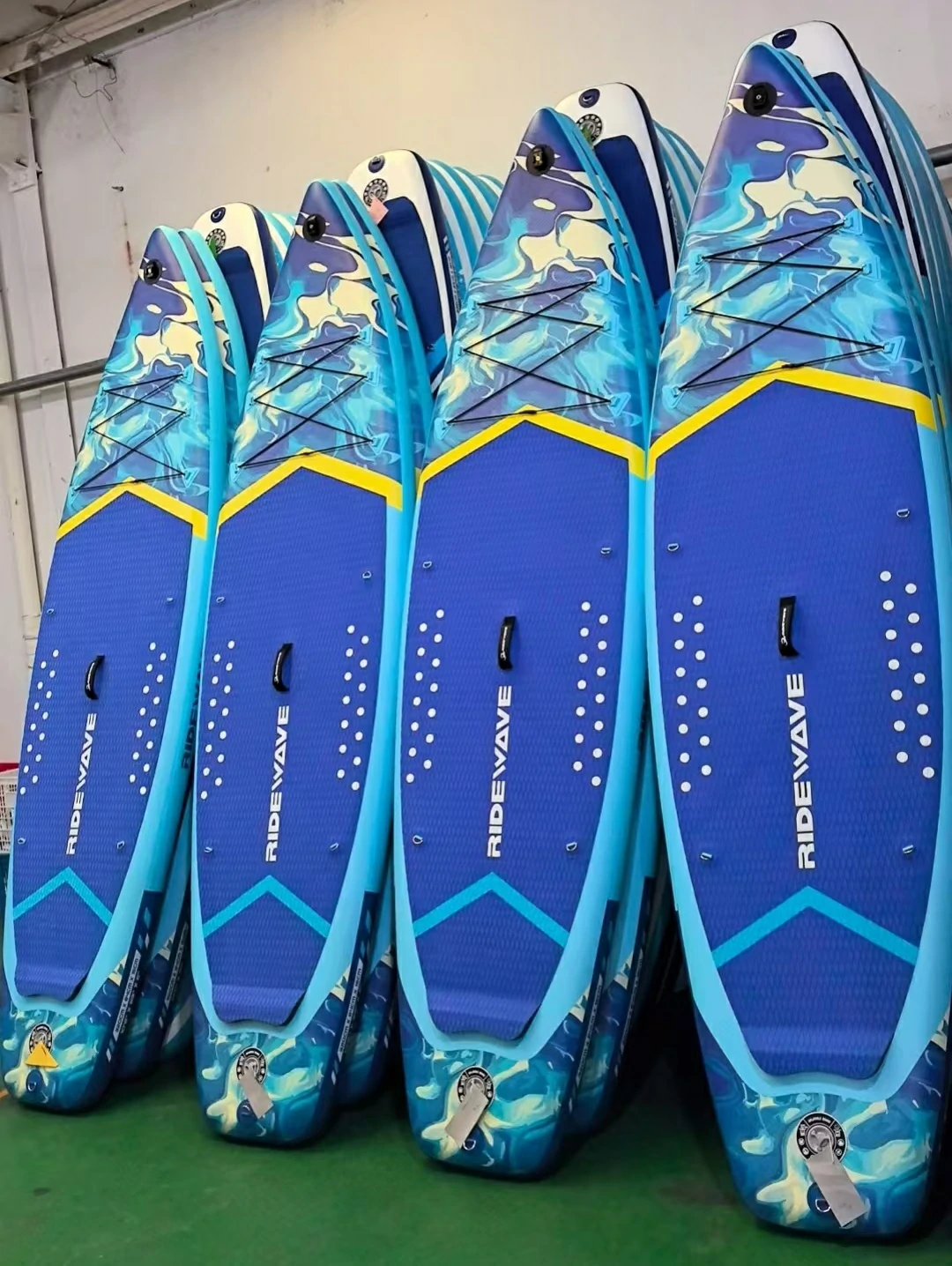
Core questions for Chilean B2B buyers before placing SUP factory order:
What exact PVC and drop‑stitch material grade will be applied for this batch? Are these materials UV‑stabilised for high‑sunlight Chile conditions?
What QC tests will be performed on mass‑production goods? Will 24‑hour air‑tightness pressure test be implemented for every unit or only random sampling?
What is the exact production lead‑time definition? Does lead‑time start from deposit receipt or artwork sample confirmation? What happens in case of production delay?
What is the written policy for manufacturing‑defective products? What percentage defect rate is considered within normal tolerance? How will replacement or compensation be arranged?
When will B2B marketing assets (catalogue, studio photos, spec sheets) be delivered relative to production progress?
Which shipping‑ready documents will the factory supply? Will HS‑code and commodity description be double‑checked for Chile customs requirements?
Under mixed‑model container loading, are there hidden extra fees? What is the minimum order quantity per individual SKU inside mixed container?
For custom‑print orders: How many rounds of artwork revision are included? When must sample confirmation be completed before mass‑production launch?
Working through these questions does not guarantee zero risk, yet it drastically reduces miscommunication risk for Chilean inflatable SUP bulk orders. You can read our full‑length post expanding on these procurement topics.
What 2026 Global Water Sports Trends Will Drive Chilean SUP Long‑Term Sales Growth?
Short‑term seasonal selling cycles dominate most Chilean inflatable SUP wholesalers' thinking. However, understanding wider 2026‑2027 global water‑sport trends allows you to adjust long‑term product portfolios, capture emerging demand ahead of competitors and sustain steady growth for your wholesale inflatable paddle board business beyond single summer peaks. Several major trends are transferring into South‑American markets, including Chile.
Shift toward multi‑functional all‑rounder inflatable stand‑up paddle board. Consumers increasingly favour boards capable of casual paddling, SUP yoga and short touring combined. Single‑purpose highly‑specialised boards lose share in mass retail channels. This reinforces why all‑around models should occupy the largest proportion inside your Chile‑bound container orders.
Growing demand for complete one‑stop kit packages. End‑users want to open cartons and start paddling immediately. Separate‑sold paddles or accessories become less popular for mainstream retail. Wholesalers should prioritise full‑kit product configurations.
Higher market awareness about material durability and UV‑resistance. As more Chilean consumers gain real‑world usage experience, they learn to distinguish fast‑fading cheap boards from long‑lasting UV‑protected iSUP. Retail buyers actively ask suppliers about material specifications. Wholesalers who stock quality‑verified goods will gain better long‑term reputation.
Convergence of outdoor fitness and water recreation. SUP yoga, SUP fitness and family water activities keep expanding beyond core water‑sport enthusiasts. Fitness studios and wellness retailers represent new distribution channels for inflatable SUP, not only traditional sport‑goods shops and beach rental points.
Stable growth of private‑label among Latin‑American distributors. More local Chilean businesses want to build their own brand identity instead of purely reselling imported overseas brands. OEM‑ODM customisation becomes a strategic tool for medium‑sized wholesalers to increase profit barriers.
These global trends do not mean you need to completely overhaul your product line overnight. Observe trend signals, test small volumes of emerging‑category SKUs, and gradually adjust your inflatable paddle board assortment. The Argentina 1200‑unit order reflected many of these trends: heavy focus on multi‑purpose all‑around kits, prepared for both private retail and beach‑rental channels.
How Can Chilean Wholesalers Build Stable Long‑Term SUP Supply Chains For Market Expansion?
Sourcing inflatable SUP is not a one‑time transaction for Chilean wholesalers targeting long‑term market expansion. Short‑term spot buying may bring occasional low unit prices, yet volatile supply chains create inventory shortages, unpredictable quality swings and missed seasonal selling windows. Constructing stable, collaborative long‑term supply‑chain relationships with qualified inflatable stand‑up paddle board manufacturers supports sustained business growth inside Chile's water‑sport market.
Building robust long‑term supply chains combines several actionable principles for Chilean wholesale inflatable paddle board operators:
Move beyond pure price‑driven supplier evaluation. Assess total value including QC stability, Latin‑America market know‑how, marketing‑asset support, after‑sales response speed and customs‑document assistance. Unit price is only one component of overall cooperation value.
Share your Chile market data and sales feedback openly with your manufacturer. Tell your partner which iSUP models sell fast, which specifications under‑perform, downstream retailer feedback and seasonal sales rhythm. Factories with clear local‑market insight can better reserve production capacity and suggest optimised product‑mix for your future orders. RIDEWAVE actively collects such feedback from Chile and Latin‑American distributors to refine product recommendations.
Adopt reasonable ordering rhythm, avoid extreme last‑minute rush orders. Plan production and shipping 4‑6 months ahead of Chile spring‑summer peak. Stable forecast‑based ordering helps your manufacturer reserve dedicated production slots, which protects you against capacity crunches during global water‑sport order surges.
Combine small trial testing with scaled‑up bulk orders. Validate new SKUs via mixed small‑batch consignments before committing large capital. Even successful product lines require periodic sample re‑checking, to confirm mass‑production quality remains consistent.
Keep multi‑supplier awareness without spreading cooperation too thin. You may maintain one primary core manufacturer (like RIDEWAVE for Latin‑America‑oriented inflatable SUP) plus one secondary backup supplier, to mitigate risks of factory capacity constraints or unexpected disruptions. Avoid managing too many vendors simultaneously, which dilutes negotiation leverage and feedback efficiency.
Maintain professional local compliance capacity. Work persistently with reliable Chile‑based customs brokers, logistics partners and downstream retail networks. Factory‑side support cannot replace local‑market operational capabilities.

Final take‑away for Chilean B2B wholesalers: successful inflatable paddle board sourcing balances thorough market research, careful supplier vetting, smart product‑mix design, cost‑controlled logistics, pre‑sales operation and long‑term supply‑chain collaboration. The Argentina 2026 bulk‑order example demonstrates that these elements work together to unlock strong seasonal sales performance for South‑American distributors.
As Chile's water‑sport consumer base keeps growing, wholesalers who build systematic sourcing frameworks will capture the largest share of expanding market opportunities. If you are a Chile‑based distributor, sporting‑goods merchant or brand owner looking to expand into inflatable SUP categories, reach out to the RIDEWAVE B2B team for tailored market‑oriented wholesale consultation.
Related Articles
How Can Custom OEM‑ODM Inflatable Paddle Boards Support Retail Brands?
The Ultimate Guide To SUP Paddle Board Manufacturers in 2026
|
Quality Control Checklist For SUP Manufacturers |