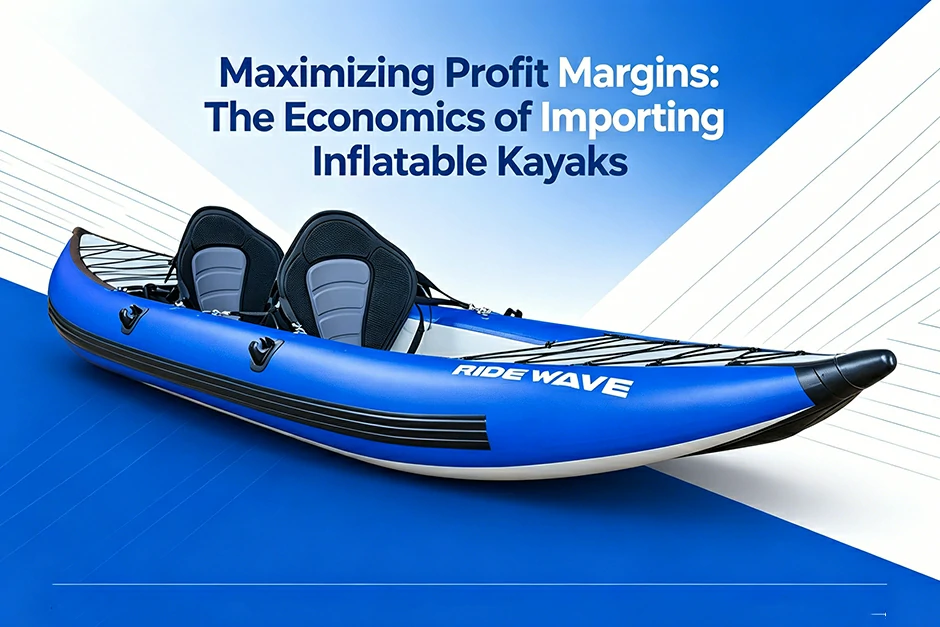


If you are a SUP wholesaler, distributor, or sports‑goods reseller exploring the Chilean market, sourcing reliable inflatable SUP inventory is far more than comparing unit prices. Chile's expanding water‑sports consumer base, reversed summer‑winter seasonal cycle, and local import rules force B2B buyers to evaluate manufacturing capacity, ocean freight feasibility, pre‑sales marketing support, and product adaptability for local end‑users at the same time. Many Latin‑American dealers have learned from real‑world setbacks: cheap inflatable stand‑up paddle board shipments can lead to high return rates, delayed seasonal sales windows, and damaged retail reputation. This practical guide walks you through market background, supplier screening criteria, supply‑chain tricks, and real‑world B2B case references, helping you pick qualified partners when expanding your iSUP wholesale business in Chile and broader South America.
Why Is Chile Becoming A High‑Growth Inflatable SUP Wholesale Market In 2026?
Chile turns into a promising destination for inflatable SUP wholesale largely because of its long Pacific coastline, rising outdoor recreation spending, and reversed seasonal demand compared with Northern‑Hemisphere suppliers. Local consumers keep increasing spending on lake, river and coastal paddle activities, while iSUP products win over hard paddle boards for retailers thanks to compact storage after deflation and lower logistics pressure for import and warehousing.

Multiple regional market signals support this growth trend for SUP distributor partners: ‑ Chile has thousands of kilometres of accessible shorelines plus inland lakes, creating broad end‑user demand for all‑around, recreational inflatable stand‑up paddle board models. ‑ The Southern‑Hemisphere summer runs from November to March. Wholesalers that arrange bulk shipments from Asian factories between July and October can fully catch the peak retail selling window. Poor timing will make finished goods arrive after hot‑season traffic fades. ‑ Local retail channels cover outdoor specialty shops, tourism rental operators, online marketplaces and resort gift shops. Different channels require differentiated SUP bulk order product mixes. ‑ Compared with several saturated North‑American and European markets, Chile's inflatable SUP segment still counts as a blue‑field area for importers, without extreme brand monopolization.
Not every overseas factory fully understands these South‑American seasonal rhythms. Some manufacturers only serve North‑American schedules and miss the critical order‑planning timeline for Chilean clients. At RIDEWAVE, we have worked with multiple Latin‑American partners to map production and shipping schedules around southern‑hemisphere summer cycles, which is one small example of how manufacturing knowledge beyond pure product output influences B2B project outcomes.
What Key Pain Points Do Global SUP Distributors Face In Chile & South American Markets?
The biggest hurdles for SUP distributors bringing inflatable SUP inventory into Chile and South America are not only product quality, but also seasonal timing risk, import logistics complexity, insufficient marketing assets and inconsistent after‑sales support from overseas factories. Many first‑time iSUP importers focus purely on unit price, only to run into avoidable operational losses after placing SUP bulk order.
Common real‑world pain points for Latin America‑focused B2B buyers break down into four clear groups:
‑ Seasonal timing mismatch: Southern‑hemisphere summer sales window is fixed November‑March. Delayed production, port congestion or slow ocean freight can make inflatable stand‑up paddle board cargo arrive post‑peak, leaving wholesalers with overstock that must be stored for another full year.
‑ Import & logistics uncertainty: Chile has specific customs documentation requirements for water‑sport goods. Incorrect certification paperwork will trigger customs hold, extra storage fees or cargo return. Container space fluctuation and rising local inland delivery cost also eat into profit margins for iSUP wholesale.
‑ Lack of ready‑to‑use marketing resources: Plenty of Asian factories only deliver physical goods. They do not supply high‑resolution product photos, detailed spec sheets, editable catalogues or marketing copy. Distributors then spend weeks shooting and editing materials before they can launch pre‑sales for retail channels.
‑ Unstable product consistency across large batches: Low‑cost suppliers may cut corners on drop‑stitch inflatable SUP raw materials. Batch‑to‑batch differences in air‑holding performance, weld quality and board weight lead to higher retail complaint rates and return requests.
A small number of experienced manufacturers including RIDEWAVE have built standardized workflows to mitigate these very pain points for Latin‑American partners. We coordinate production lead‑time forecasting, pre‑check required import documents and prepare complete marketing asset packages in advance, yet these value‑added services are far from universal across the whole industry. Most generic SUP factories still treat South‑American orders exactly the same as European or North‑American orders, without local‑market adjustment.
How To Choose A Reliable Inflatable SUP Manufacturer For Long‑Term Chile Wholesale Cooperation?
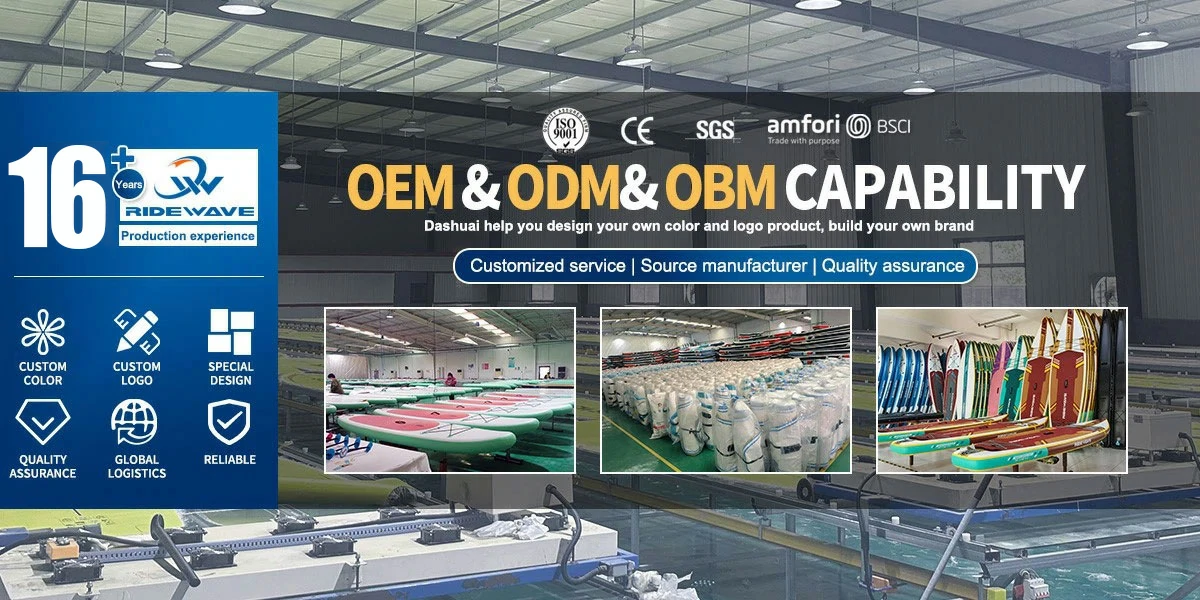
Choosing a dependable inflatable SUP manufacturer for long‑term Chile wholesale cooperation is not based on the lowest unit price. Qualified suppliers need to prove production capacity, South‑America‑oriented order experience, document support capability, batch‑consistent quality and willingness to deliver auxiliary B2B services for your iSUP wholesale project.

B2B importers can evaluate potential suppliers against these practical dimensions:
‑ Verified large‑volume production capacity: Confirm real monthly output for inflatable stand‑up paddle board, factory audit reports and peak‑season delivery track records. Some trading companies pretend to be direct manufacturers and cannot guarantee lead‑time when order volume spikes for southern‑hemisphere summer.
‑ Proven South‑America order track record: Ask suppliers for reference cases from Chile, Argentina or nearby Latin‑American markets. Factories familiar with local customs rules, seasonal stock rhythm and end‑user preference will reduce your trial‑and‑error cost significantly.
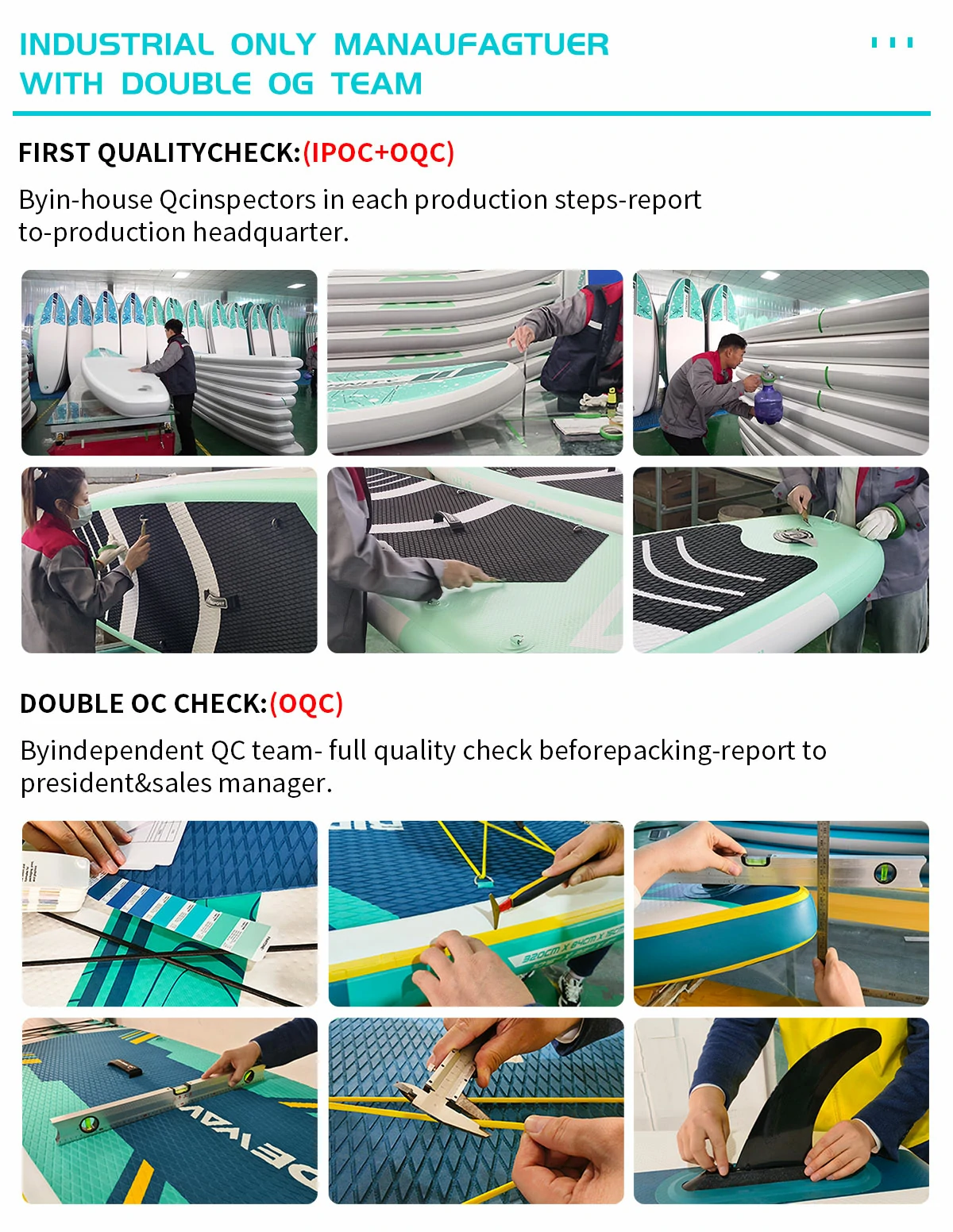
‑ Complete quality control system for drop‑stitch inflatable SUP: Request batch testing standards, air‑leak inspection procedures and raw‑material sourcing records. Stable welding, durable outer PVC layer and reliable air‑holding performance directly lower your after‑sales pressure at retail side.
‑ Full‑set document support: The supplier should be able to prepare commercial invoice, packing list, test reports and other files matching Chile customs requirements. Avoid partners who cannot adjust certification documents for South‑American import rules.
‑ Attitude toward secondary B2B services: Check whether they can provide product catalogues, studio‑shot image packs, spec datasheets and flexible MOQ options for new market trial. These auxiliary outputs greatly speed‑up your market launch in Chile.
Many Chile‑bound wholesalers skip multi‑dimension verification and only compare quotations. This shortcut frequently creates expensive setbacks later. At RIDEWAVE, we receive numerous consultation requests from Latin‑American importers every year. We always encourage prospects to cross‑check factory qualifications, review real‑world case references and clarify all service terms before confirming formal SUP bulk order.
What Core Advantages Make RIDEWAVE Stand Out Among Global SUP Suppliers?
Superior inflatable SUP manufacturing does not only rely on hardware equipment. For B2B wholesalers targeting Chile and South America, the real differentiator lies in market‑oriented services, consistent batch quality, Latin‑America‑tuned order planning and practical dealer support, rather than flashy marketing slogans. Many factories can produce physical inflatable stand‑up paddle board units, yet few fully understand the special requirements of southern‑hemisphere iSUP wholesale.

When B2B buyers compare multiple SUP manufacturer options, they may observe these practical differences that set RIDEWAVE apart from average competitors:
‑ South‑hemisphere‑focused production scheduling: We reserve dedicated production slots for South‑American seasonal orders every year. Our team maps out lead‑time reminders for Chile, Argentina and nearby markets months ahead of November‑March summer peak, helping distributors lock production capacity before global order surges.
‑ Strict batch‑to‑batch quality control for drop‑stitch boards: Every batch of drop‑stitch inflatable SUP goes through air‑holding aging tests, welding seam inspection and weight deviation checks before shipment. We avoid raw‑material downgrades during peak‑season rush, which is a common risk point across the whole SUP industry.
‑ Ready‑made marketing asset packages for B2B partners: Alongside finished goods, we deliver complete usable resources including editable product catalogues, studio high‑resolution photos, detail close‑ups, spec sheets and basic product descriptions. These files allow SUP distributors to launch pre‑sales without waiting for in‑house shooting cycles.
‑ Flexible documentation support for Chile customs: Our documentation team adjusts commercial invoices, packing lists and test reports to match local import requirements. We double‑check file formats in advance to reduce risks of customs detention for your SUP bulk order.
‑ Balanced MOQ for market trial and large‑volume scaling: We support mixed‑model trial containers for dealers testing the Chile market, alongside full container loads for mature partners scaling up sales. Dealers do not need to commit excessive capital on a single SUP model when exploring new territory.
It is worth noting that RIDEWAVE is not the only qualified supplier in this industry. We never claim to fit every buyer's situation. Some importers may prioritize ultra‑low unit prices and accept higher operational risks. Our value targets B2B partners who want stable quality, predictable supply chains and hands‑on support while expanding South‑American water‑sports business.
How Did RIDEWAVE Help An Argentine Distributor Achieve Mass Pre‑Sales Success In 2026?
Real B2B results for inflatable SUP wholesale speak louder than theoretical supplier introductions. This real‑world case shares how one Latin‑American partner leveraged factory resources, seasonal planning and pre‑sales strategy to capture South‑American summer demand.
In January 2026, an established Argentine SUP distributor placed a SUP bulk order of 1200 units with RIDEWAVE. The customer selected five proven hot‑selling inflatable stand‑up paddle board styles covering all‑around recreational models, beginner‑friendly boards and lightweight travel‑oriented drop‑stitch inflatable SUP.
The whole project moved forward following this workflow: ‑ After order confirmation, our B2B support team delivered a complete marketing asset package: printable product catalogues, full sets of studio‑shot main images, lifestyle shots and close‑up detail pictures for every single SUP SKU. All materials were ready before goods finished production. ‑ Cargo was consolidated and shipped via ocean freight from Qingdao, China. Careful container loading planning helped the distributor keep per‑unit ocean‑transport costs under control, a critical factor for profit margins in South‑American markets. ‑ While goods were still in transit across the ocean, the local dealer launched pre‑sales campaigns across online marketplaces and physical retail partner channels. Relying on the factory‑supplied visual assets, they did not need to wait for physical stock arrival to start conversion. ‑ Before containers even arrived at Argentine port, the distributor had already pre‑sold 800 sets out of the total 1200‑unit order. Right now, this partner is negotiating a follow‑up replenishment order with RIDEWAVE, aiming to secure extra inventory ahead of the fast‑approaching Southern‑Hemisphere summer peak.
This case is not an exceptional miracle. It demonstrates a repeatable formula for iSUP wholesale in Latin America: pick stable product models, lock production early, obtain ready‑to‑use marketing materials and run pre‑sales during ocean transit. Many Chile‑focused wholesalers can copy this exact playbook for their own market expansion. Chile shares similar consumer profiles and southern‑hemisphere seasonal rhythm with Argentina.
What Product Types Of Inflatable SUPs Are Best‑Selling For Chilean & South American Summer Markets?
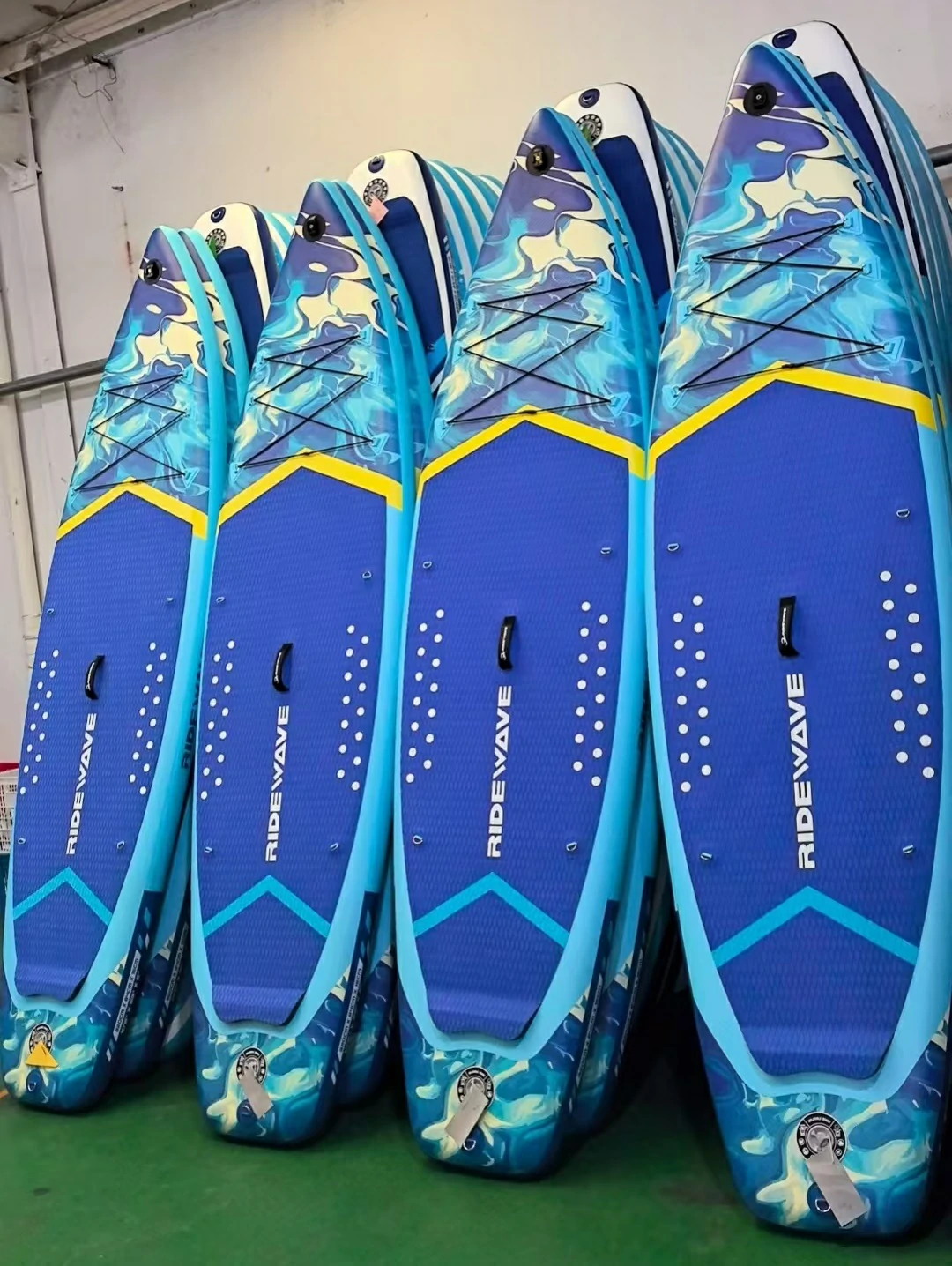
For SUP distributors entering Chile, not all inflatable SUP designs deliver equal retail performance. Recreational, beginner‑friendly and multi‑purpose inflatable stand‑up paddle board variants generate the largest turnover across Chile's lakes, rivers and coastal spots, while high‑performance racing or specialized touring boards occupy smaller market share. Wholesalers building their iSUP wholesale portfolio need to match product selection to local end‑user habits, rental‑shop requirements and retail price sensitivity.
Many importers make the mistake of copying European‑oriented product mixes directly for Chile. European buyers lean toward narrow touring or performance shapes, yet most Chilean consumers look for stable, wide drop‑stitch inflatable SUP suitable for family use, casual weekend trips and first‑time paddlers. Rental operators, one major sales channel, prioritize boards that resist rough handling and fit diverse rider weights.
For SUP distributors entering Chile, not all inflatable SUP designs deliver equal retail performance. Recreational, beginner‑friendly and multi‑purpose inflatable stand‑up paddle board variants generate the largest turnover across Chile's lakes, rivers and coastal spots, while high‑performance racing or specialized touring boards occupy smaller market share. Wholesalers building their iSUP wholesale portfolio need to match product selection to local end‑user habits, rental‑shop requirements and retail price sensitivity.
Many importers make the mistake of copying European‑oriented product mixes directly for Chile. European buyers lean toward narrow touring or performance shapes, yet most Chilean consumers look for stable, wide drop‑stitch inflatable SUP suitable for family use, casual weekend trips and first‑time paddlers. Rental operators, one major sales channel, prioritize boards that resist rough handling and fit diverse rider weights.
| SUP Model Category | Core Target End‑User | Suggested B2B Price Range (FOB Qingdao) | Key Selling Points for Chile Market | Potential Risk for Wholesale |
|---|---|---|---|---|
| All‑Around Recreational Inflatable SUP | Beginners, family users, casual weekend paddlers | $115‑145 | Wide stable deck, high weight capacity, fit lake & calm coastal water, suits rental business | Fierce competition on lowest‑end cheap versions |
| Light‑Weight Travel iSUP | Backpackers, tourist buyers, consumers with limited storage space | $130‑160 | Compact rolled‑up size, easy for retail shelf display, good for online sales | Higher unit cost, not ideal for heavy‑duty rental scenarios |
| Youth / Junior Inflatable SUP | Kids & teenage users, family bundled purchase | $90‑120 | Light body, lower entry price, drives cross‑sell with adult boards | Smaller single‑unit profit margin |
| Fishing Inflatable SUP | Anglers, outdoor hobby groups | $155‑190 | Extra D‑rings, reinforced deck, heavy load capacity | Smaller total market volume, limited retail channels |
| Performance Touring SUP | Experienced intermediate paddlers | $145‑175 | Long water‑cutting shape, long‑distance paddling capability | Narrow target group, slow turnover for general wholesalers |
When building your container mix for Chile, most proven SUP bulk order structures allocate 50‑60% volume to all‑around recreational models, 20‑25% to travel‑style boards, and fill the remaining space with junior and small‑volume specialty options. This ratio has been tested by multiple Latin‑America partners including dealers working with RIDEWAVE. It balances sales velocity and product diversity without tying too much capital into slow‑moving SKUs.
Product colour and graphic choices also matter for South‑American consumers. Bright, vivid colourways consistently outperform muted dark tones for local retail. Before mass production, we often remind B2B partners to take regional aesthetic preference into account, instead of repeating colour schemes popular in Northern‑Europe.
How To Control Ocean Freight & Supply Chain Costs For Chile SUP Bulk Orders?
Even if you select high‑demand inflatable SUP models, poor ocean‑freight planning can erase most profit margins for Chile‑bound iSUP wholesale. Chile sits on South America's west coast; shipping routes, container selection, loading plan and order timing all exert huge influence over landed cost for your inflatable stand‑up paddle board inventory. Many new B2B buyers only calculate unit product cost, ignoring logistics expenses that may account for 15‑25% of total landed cost.
Practical cost‑control tips for SUP ocean shipment toward Chile: ‑ Lock container space early for southern‑hemisphere peak season: July‑October is the outbound peak for all South‑America‑bound water‑sport goods. Spot freight rates jump sharply if you book space only one or two months before November summer. Work with your SUP manufacturer to confirm estimated shipping window at the time of order placement. ‑ Choose suitable container type according to order volume: 20GP for small trial mixed container; 40HQ is the most cost‑effective option for large‑volume drop‑stitch inflatable SUP. Inflatable paddle boards are light‑weight but bulky; 40HQ maximizes loading quantity and cuts per‑unit sea freight expense. ‑ Optimize loading scheme with your factory: Improper stacking causes wasted container volume. Experienced suppliers such as RIDEWAVE simulate loading quantity before production, adjusting inner‑package compression to fit more units inside each container without damaging boards. ‑ Clarify responsibility for local charges in advance: Confirm who covers terminal handling, document fees and possible customs inspection costs. Misunderstanding on charge division often brings unexpected extra expenditure after cargo arrives Chilean port. ‑ Avoid rushed last‑minute orders: Emergency expedited production and urgent shipping will push up both manufacturing and logistics rates. Stick to the southern‑hemisphere lead‑time schedule: place orders 3‑4 months ahead of your target retail launch date.
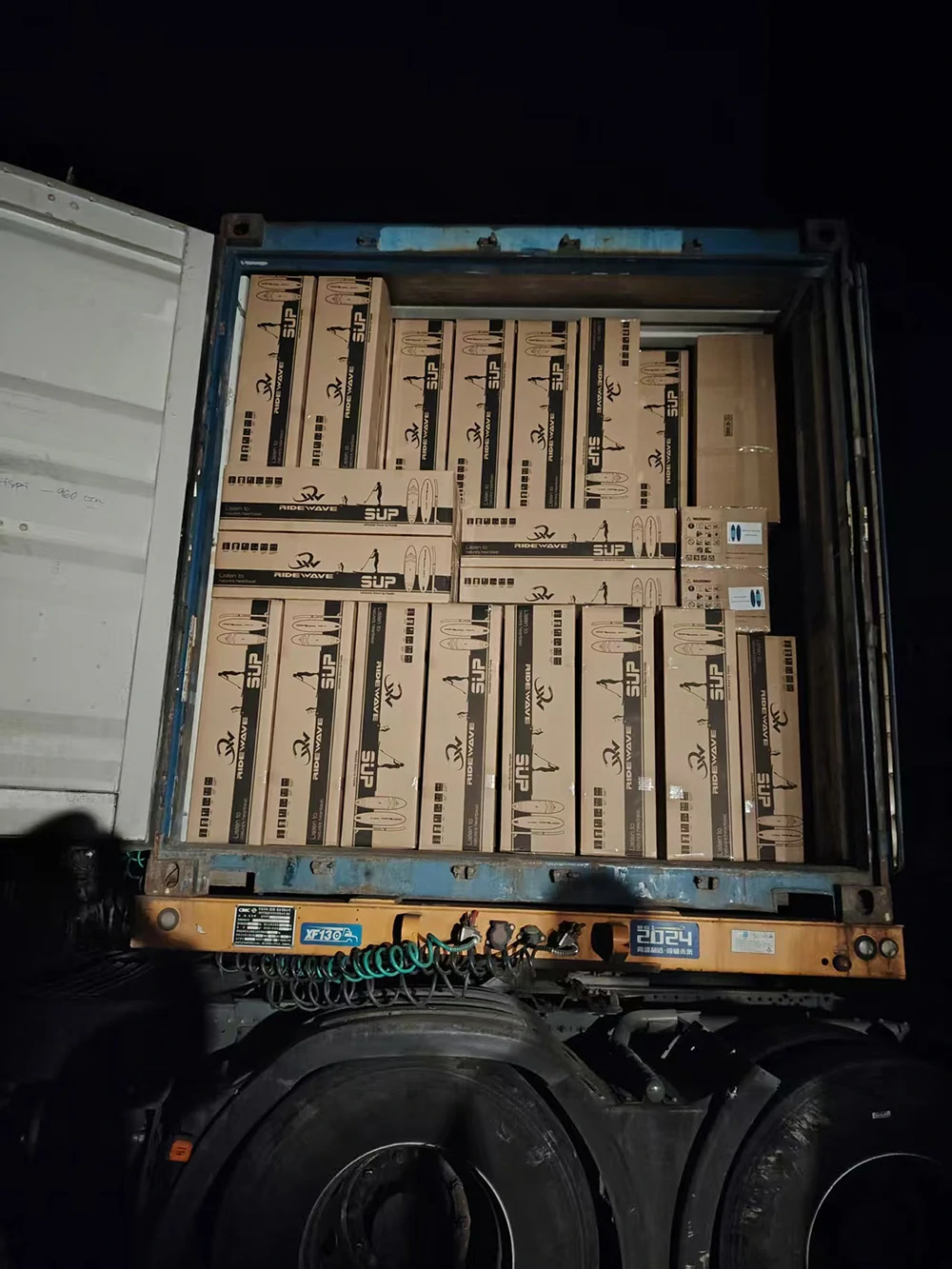
Keep in mind that lowest sea freight rate does not always equal best deal. Some freight forwarders offer attractively low headline rates but add numerous hidden surcharges later. Wholesalers should compare full all‑in cost rather than only the base ocean rate.
What Pre-Sales Marketing Support Can Professional SUP Manufacturers Provide For B2B Dealers?
Simply delivering finished inflatable SUP products is no longer enough to support long-term B2B wholesale growth in Chile and South America. For modern SUP distributors, the biggest bottleneck is not product supply, but fast market launch and efficient retail conversion. Professional inflatable stand-up paddle board manufacturers help dealers cut pre-launch costs and shorten preparation cycles through standardized marketing resource support, which has become a core competitive advantage for iSUP wholesale sellers in oversaturated regional markets.
Most generic SUP factories only provide physical goods and ignore post-order dealer empowerment. This forces wholesalers to spend massive time and money on shooting, editing, typesetting and content creation before they can start selling. In contrast, mature manufacturers like RIDEWAVE build complete B2B marketing support systems tailored for South American seasonal sales logic, helping partners launch pre-sales within 3–5 days after order confirmation.
Standard pre-sales marketing resources we provide for global SUP dealers include:
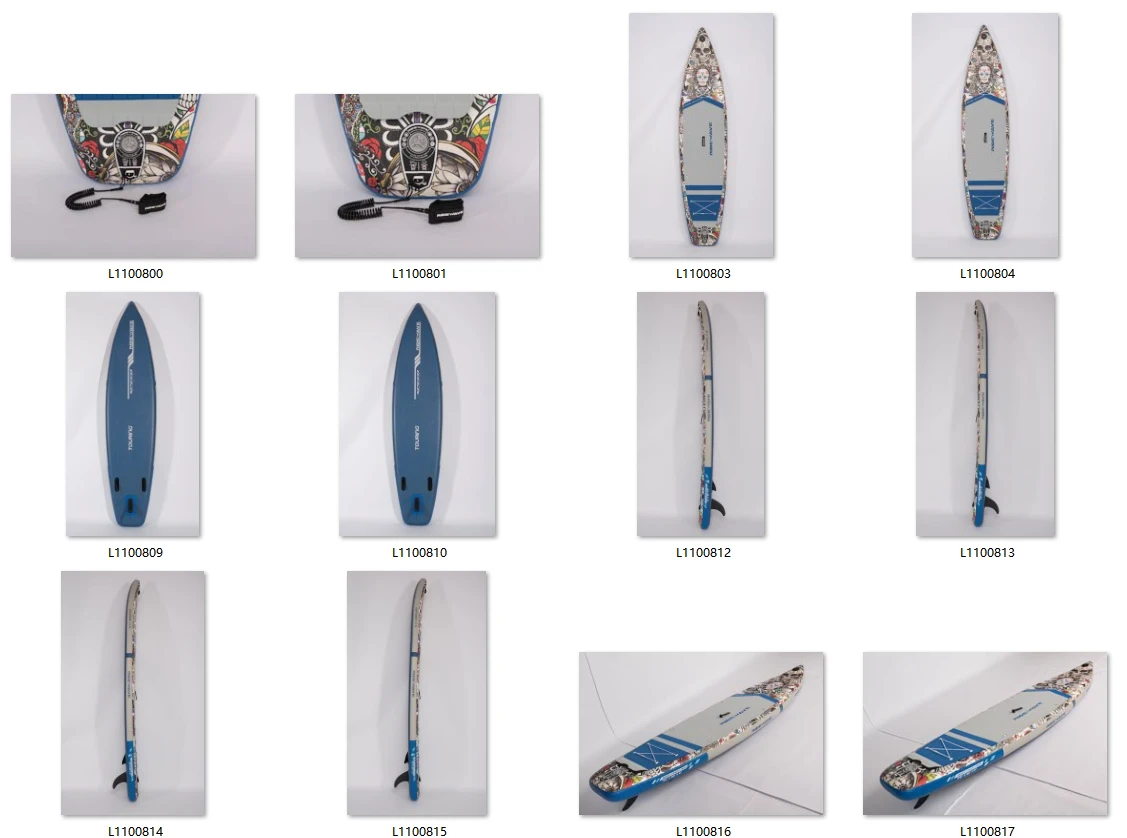
Full SKU studio asset packages: Professional studio-shooting main images, scene lifestyle pictures, detailed close-up shots, texture displays and size dimension diagrams for every drop-stitch inflatable SUP model. All images are high-resolution, watermark-free and suitable for Amazon, local Chile e-commerce platforms, social media and offline store display.
Editable official product catalogs: Printable and digital PDF catalogs with product parameters, feature descriptions, material introductions and packaging lists. Dealers can modify brand information and price tags to fit local wholesale and retail scenarios.
Standard product copy & selling point documents: Polished English product descriptions, core advantage texts and FAQ content, which can be directly adapted to Spanish local language after simple translation.
Seasonal sales strategy guidance: We share South America summer selling rhythms, best-selling SKU combinations, online promotion logic and rental store matching plans accumulated from multiple years of Latin American SUP bulk order service experience.
The value of these marketing materials is fully verified in our 2026 Argentine distributor case. The dealer relied entirely on our factory-provided asset library to launch cross-channel pre-sales, successfully selling 800 sets during ocean transit. For Chilean new entrants without mature content teams, factory-provided marketing support can greatly lower trial-and-error costs and improve initial market conversion efficiency.
How Does Custom SUP Manufacturing Help Dealers Expand Chile Market Share?
Standard off-the-shelf inflatable SUP products face homogeneous competition in Chile's mid-to-low-end market. For SUP distributors who want to build long-term brand barriers and capture high-margin customers, customized inflatable stand-up paddle board manufacturing is the most effective way to differentiate local retail competition and quickly expand market share.
Many Chilean wholesalers misunderstand SUP customization: they think custom orders require huge volumes, long lead times and high risks. In fact, mature iSUP wholesale customization services are highly flexible and fully adapted to South American small-batch trial and large-scale replication logic.
Customizable SUP dimensions that benefit Chile local dealers:
Custom graphic & color matching: Tailor bright, tropical-style color schemes and local cultural pattern designs that fit Chilean consumer aesthetics, different from the dark and minimalist styles popular in Europe and North America. Unique board printing directly improves shelf display competitiveness and consumer click rate.
Brand logo customization: Add dealer's independent brand logo on board body, paddle, backpack and accessory sets. Help B2B buyers build local private brand influence, avoid pure price competition with generic public-model drop-stitch inflatable SUP.
Functional structure optimization: Adjust board width, thickness, weight capacity and D-ring layout according to Chile mainstream family casual water scenarios and coastal wind-wave conditions, creating more localized and user-friendly products.
Packaging customization: Custom color boxes, user manuals and accessory packages to enhance product grade and terminal consumer shopping experience.
At RIDEWAVE, we support flexible customization solutions for Chile market partners, covering small-batch custom trial orders and large-volume mass production. For dealers who lack mature design solutions, our professional design team provides free rendering and scheme optimization, helping customers launch exclusive customized SUP products without extra design costs.

Customization is not only for high-end brand positioning. It is a practical tool for Chile distributors to stabilize retail pricing power, reduce customer churn and continuously expand local market share.
What B2B Order Verification Standards Should Chile SUP Wholesalers Follow?
Most low-quality inflatable SUP after-sales problems and customs risks for Chile wholesale orders stem from incomplete supplier qualification verification and unclear order standards. For B2B importers, establishing a complete set of iSUP wholesale inspection standards is the core premise to stabilize product quality, avoid customs detention and protect long-term profit of inflatable stand-up paddle board business.
Chile-focused SUP wholesalers must follow these key verification standards before confirming formal SUP bulk order:
Factory qualification verification: Check business qualification, production scale, daily output, quality control process and South America order service records. Reject shell companies and pure trading intermediaries without independent production capacity.
Product quality verification: Test the tensile strength of drop-stitch fabric, PVC thickness, welding uniformity and airtightness durability. Qualified drop-stitch inflatable SUP can withstand long-distance ocean transportation and high-frequency outdoor use without air leakage or delamination.
Certification & document verification: Confirm that the product has complete test reports and compliant customs documents suitable for Chile import standards, to avoid customs clearance failure and cargo detention.
Sample comparison verification: Compare pre-production samples with mass-produced goods standards to ensure batch consistency of board shape, color, thickness and accessories, preventing batch downgrade in peak production seasons.
After-sales clause verification: Clarify factory after-sales warranty scope, damage compensation standards and replacement rules for defective products in advance.

As a professional SUP manufacturer serving Latin America for years, RIDEWAVE implements full-process quality inspection for every Chile-bound order and provides complete qualification documents and test reports. We advocate all B2B buyers to strictly implement order verification standards, rather than only focusing on low unit prices.
Rigorous pre-order verification is the most cost-effective way for Chile distributors to reduce operational risks and maintain long-term stable business growth.
Why Seasonal Stock Preparation Is Critical For South American SUP Retail & Rental Business?
Season‑driven consumption shapes almost the whole revenue pattern of inflatable SUP retail and rental business across South America. Many new‑to‑market SUP distributors underestimate the huge influence of southern‑hemisphere seasonal cycles. They place orders on‑demand and end up missing peak‑selling windows, suffering slow inventory turnover and squeezed profit for their inflatable stand‑up paddle board product lines.

South‑American summer runs November through March. During these months, local tourists, family recreation groups and water‑sport rental operators push up market demand for drop‑stitch inflatable SUP sharply. Rental companies scale up their fleets before summer arrival, while retail shops and online stores see their highest monthly sales volume. After March, consumer interest drops quickly, and SUP sales slip into off‑season low‑period.
If your SUP bulk order arrives after November, you lose the most important selling window of the whole year. Goods will sit in local warehouses for many months until next summer, generating warehousing fees, capital occupation and depreciation risks. That is why pre‑season stock preparation cannot be treated as an optional step for iSUP wholesale targeting Chile.
Realistic stock‑preparation timeline reference for Chile market: ‑ January‑April: Research market feedback, test small mixed orders, confirm which SUP models perform well. ‑ May‑June: Lock supplier production capacity, finalize product mix, finish graphic or logo custom work if needed. ‑ July‑October: Complete mass production and ocean shipment from Asia, make sure containers arrive at Chilean port before late‑October. ‑ November‑March: Full‑on retail sales, rental fleet deployment and pre‑sales replenishment planning.
Partners at RIDEWAVE regularly send seasonal timeline reminders to Latin‑American clients. We help dealers map production and shipping schedules according to their local selling calendar. Even with good‑quality products, poor timing can ruin an otherwise profitable SUP wholesale project. Seasonal stock planning applies equally to Chilean retail sellers and rental‑focused wholesalers.
How Can B2B Buyers Avoid Low‑Quality SUP Suppliers In The Latin American Market?
Low‑quality inflatable SUP suppliers are widespread across the global supply chain, and Latin‑American importers are among the most affected B2B groups. Many SUP distributors get attracted by ultra‑low unit prices, only to receive defective inflatable stand‑up paddle board cargo: air leakage, delaminated drop‑stitch fabric, weak welding seams and inconsistent accessory quality. These bad shipments harm retailer reputation, trigger high return rates and destroy profit for your iSUP wholesale business.
There are several obvious warning signs that buyers should watch out for when screening potential suppliers:
‑ Unreasonably low quotations far below the normal market range. If the price is much lower than mainstream FOB cost for drop‑stitch inflatable SUP, raw‑material downgrade is almost certain.
‑ Refusal to provide factory‑visit references, real production photos, or third‑party quality inspection reports. Pure trading companies often hide their real production sources.
‑ Unwilling to produce pre‑production samples before large SUP bulk order. They push customers straight into mass production.
‑ Cannot supply complete customs‑ready documents and test reports required for Chile import.
‑ Over‑promising everything: unlimited custom options, extremely short lead‑time, zero‑defect guarantee, without reasonable condition clauses written into formal contracts.
Practical steps B2B buyers can take to filter risky vendors:
‑ Request real factory audit records and existing Latin‑America client references.
‑ Order pre‑production samples, complete durability and air‑holding tests by yourself or third‑party labs.
‑ Write down quality standards, document requirements and after‑sales liabilities clearly within sales contracts.
‑ Verify whether the supplier understands southern‑hemisphere seasonal shipping requirements. Factories without Latin‑America experience often ignore your critical shipping timeline.
At RIDEWAVE, we encourage all Chile‑oriented B2B buyers to compare multiple suppliers, test samples, and cross‑check credentials before committing to large‑volume orders. Choosing a supplier is not only about unit price; it is about picking a long‑term partner who understands your regional market challenges. Cutting corners on supplier screening almost always costs more money in later stages.
Chile represents a promising blue‑ocean market for inflatable SUP wholesalers, distributors and sports‑goods brand owners. Success in this region does not rely on lucky single deals, but on sensible supplier selection, data‑driven product assortment, strict seasonal stock scheduling, controlled logistics cost and full use of manufacturer‑provided B2B support resources.
As you have seen from the Argentine distributor real‑world case, Latin‑American iSUP wholesale can deliver excellent returns when buyers align product selection, supply‑chain timing and pre‑sales marketing together. When you evaluate potential inflatable stand‑up paddle board partners, avoid fixating only on unit price. Balance factory capacity, Latin‑America market awareness, batch‑to‑batch quality stability, document capability and value‑added dealer services.
Whether you plan small trial mixed containers or large‑volume full container loads for Chile, take time to verify every key detail before confirming your SUP bulk order. If you are exploring South‑American water‑sports business and looking for a knowledgeable SUP manufacturer, you are welcome to reach out to the RIDEWAVE B2B team for further discussion.
Related Articles
OEM Vs ODM: Which Inflatable SUP Model Is Right For Your Brand?
How To Choose A Reliable Inflatable SUP Manufacturer For The European Market
How To Choose The Right Inflatable Stand Paddle Board (isup) Based On Materials And Construction
Material Matters: Drop-Stitch Technology, PVC Layers, And Eco-Friendly Alternatives