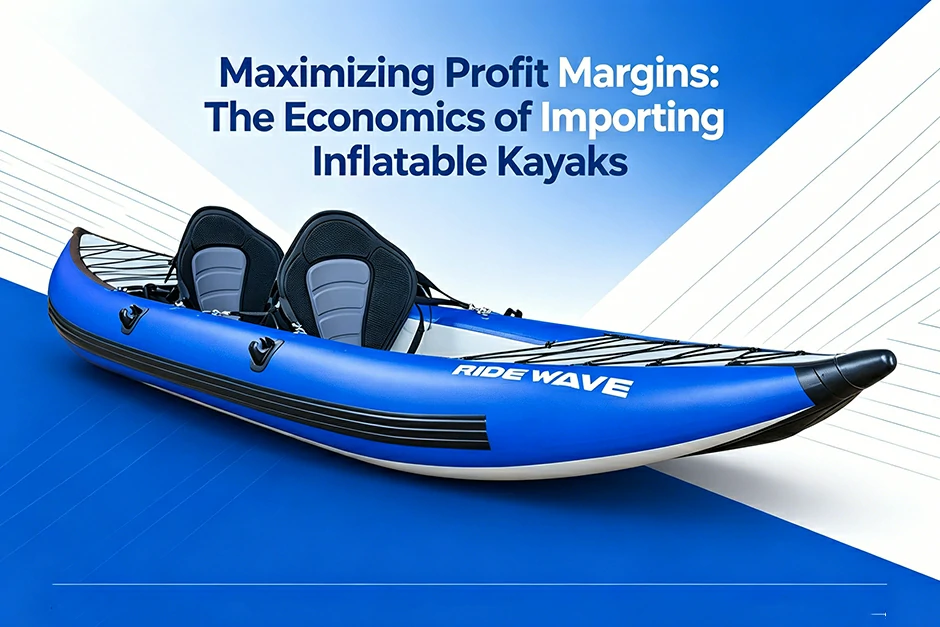

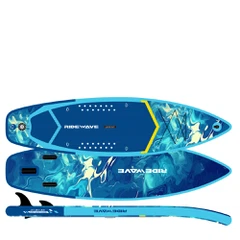

The Australian market has turned into one of the most profitable regions for inflatable SUP bulk buyers across global water‑sports supply chains. Rising demand for affordable outdoor recreation, year‑round coastal and inland water access, and growing consumer preference for portable iSUP over hard‑shell paddle boards combine to create consistent buying momentum for wholesalers, distributors and new‑entry sports retailers. Many B2B operators are expanding their catalogs with wholesale inflatable SUP lines to capture summer seasonal spikes, family‑driven purchases and fitness‑oriented end‑user groups. Even with periodic freight fluctuation, well‑selected stand‑up paddle board inventory can deliver solid turnover for importers who understand local consumer habits.

Australia's unique geographic environment shapes buying behaviour: vast coastline, countless lakes and river systems such as the Murray River push end‑users to prioritise durable, UV‑resistant inflatable SUP units that cope with harsh sunlight and variable water conditions. For B2B buyers, entering or scaling within this market is not simply about ordering cheap stock. Success depends on matching suitable product specifications, reliable factory lead‑times and actionable go‑to‑market support. Many new wholesalers overlook local compliance requirements and end‑user real‑world needs, which leads to high return rates and squeezed profit margins. Working with experienced Asia‑based manufacturers, like RIDEWAVE, helps mitigate those avoidable market risks without forcing buyers into inflexible minimum‑order restrictions.
‑ Domestic outdoor participation statistics show Australian water‑sports consumption keeps climbing, and inflatable SUP remains the fastest‑growing segment within paddle sports hardware.
‑ Seasonal peak cycles: Pre‑summer stock‑up from August to November determines most annual sales performance for local iSUP distributors.
‑ Consumer shift: Shoppers increasingly favour transport‑friendly inflatable SUP rather than bulky hard boards, lowering logistics pressure for retail resellers.
‑ Untapped sub‑segments: family recreational use, SUP yoga, beginner touring and kids‑sized stand‑up paddle board create multiple profitable niches for B2B catalog expansion.
What Key Quality Standards Do Australian Consumers Require For Inflatable SUPs?

End‑user expectations define what inflatable SUP inventory will sell and what will generate costly returns for Australian wholesalers. Australian sunlight delivers strong UV radiation, salt‑water coastal areas accelerate material ageing, and rough river shorelines bring frequent scraping impact. Generic low‑cost iSUP sourced without region‑specific upgrades will quickly suffer fading, delamination, air leakage and surface cracking. B2B buyers must build clear quality checklists before confirming bulk orders, instead of judging goods only by unit price.
Wholesalers should focus on four core evaluation dimensions: UV protective coating performance, drop‑stitch fabric density, multi‑layer PVC construction quality and full accessory durability. Even visually similar wholesale inflatable SUP can have huge gaps in real‑world service life. RIDEWAVE's Australian‑oriented product iterations are built around these local environmental stress points; this does not mean every board is custom‑made, but baseline material specifications are lifted to survive AU harsh outdoor conditions. Skipping these upgrades will bring short‑term lower unit cost, yet trigger higher after‑sales workload, negative reviews and damaged seller reputation for local distributors.
‑ Anti‑UV performance ranks as the top non‑negotiable requirement for Australian‑bound inflatable SUP, far more critical than many European‑targeted stock.
‑ Dense drop‑stitch internal weaving directly determines stiffness; floppy iSUP gets bad feedback on Australian coastal choppy water.
‑ Salt‑resistant fin, leash and paddle hardware cuts down post‑purchase failure in frequent salt‑water scenarios.
‑ Batch consistency inspection avoids inconsistent appearance across large‑volume stand‑up paddle board shipments for retail shelf display.
How Do Australian Wholesalers Filter Reliable iSUP Manufacturers In 2026 Global Supply Chain?
Finding trustworthy manufacturing partners is the biggest bottleneck for new Australian inflatable SUP wholesalers. Plenty of suppliers can produce visually comparable iSUP, yet few maintain stable batch quality, transparent communication, reasonable lead‑times and B2B‑oriented supporting services. Many importers fall into traps: low sample quality mismatch against mass goods, delayed production schedules, limited marketing asset support, or suppliers lacking real export experience for the Australian market. For B2B buyers, supplier screening cannot rely only on Alibaba listing photos or price quotations.
Practical supplier qualification covers multiple angles: real export track‑record for Oceania markets, in‑house quality control workflows, flexibility on MOQ, capacity for pre‑sale marketing assets delivery, and capability to handle possible after‑sales resolution. Some factories only focus on mass output, without understanding Australian end‑user pain points around UV resistance and salt‑water durability. RIDEWAVE has accumulated years of shipment experience serving Australian and Oceania distributors; this background helps avoid repeated trial‑and‑error for first‑time importers.

‑ Verify Oceania market export history before committing large wholesale inflatable SUP orders; ask for reference case records.
‑ Confirm whether the factory completes full‑range in‑house inspection for every stand‑up paddle board batch, instead of third‑party random spot‑check only.
‑ Clarify MOQ flexibility: confirm if suppliers support mixed‑model container loading for Australian seasonal trial inventory.
‑ Ask in advance what marketing materials, product images and catalog resources the factory can deliver for your local pre‑sale campaigns.
‑ Clarify communication rhythm, production lead‑time window and contingency solutions for shipment delays.
What Core Product Features Make iSUPs Sell Fast In Australian Summer Markets?

Summer represents the primary revenue window for most Australian inflatable SUP distributors. Between September and February each year, consumer demand surges across coastal towns, inland holiday destinations and metropolitan outdoor retail channels. Yet not all wholesale inflatable SUP SKUs perform equally well. Many wholesalers import generic boards with popular‑looking shapes, only to discover slow inventory turnover once containers arrive. Fast‑moving iSUP inventory aligns closely with Australian local usage habits, climate conditions and end‑user spending psychology, rather than global best‑sellers copied from other markets.
When planning summer bulk orders, B2B buyers should prioritise practical features instead of decorative surface printing. High‑performing stand‑up paddle board units for Australia share several common traits: robust anti‑UV outer layers, stable width for beginner‑heavy customer groups, practical carrying handles, reinforced D‑ring layout for accessories and cargo, plus corrosion‑resistant hardware for salt‑water environments. RIDEWAVE product teams observe consistent feedback from Oceania partners; fancy graphic designs can catch eyes online, but functional specifications determine repeat purchases and low return rates. Over‑investing in complex custom artwork for first‑trial bulk stock rarely delivers proportional returns for new distributors.
‑ Extra‑wide deck construction ranks among top selling features for Australian inflatable SUP, as most local buyers are casual beginners and family users.
‑ Multi‑point D‑rings support coolers, dry bags and camping gear, matching the local habit of day trips on rivers and bays.
‑ Compact rolled‑up size lowers retail storage pressure and improves last‑mile transport experience for end‑users.
‑ Quick‑release fin systems reduce customer service tickets for retailers dealing with novice iSUP owners.
‑ Weight balance: boards cannot be excessively heavy for car‑top transport, nor overly light at the cost of overall rigidity.
How Do Top Australian Distributors Achieve Pre‑sale Success With Factory Brand Support?
Modern Australian inflatable SUP wholesale business no longer relies purely on waiting for containers to arrive before starting sales. Leading local distributors widely adopt pre‑sale strategies to reduce capital risk, minimise warehouse occupation and test real‑market demand ahead of summer peaks. However, successful pre‑sale of bulk iSUP does not happen by accident. It heavily depends on high‑quality, ready‑to‑use marketing assets and coordinated support provided by your stand‑up paddle board manufacturer. Without professional photos, complete specification documents and scenario‑based content, even promising inventory will struggle to gain pre‑order conversions.
Many overseas factories only focus on physical goods production. They deliver containers but provide zero usable marketing resources, forcing distributors to spend extra time and money on shooting, editing and catalog building. This creates extra financial and time pressure for B2B buyers. One representative real‑world case comes from a RIDEWAVE Australian partner in early 2026.
In January 2026, an Australian local water sports distributor completed a bulk order of 1,200 pieces of RIDEWAVE inflatable SUPs. The buyer selected 5 classic best‑selling models that perfectly fit Australian family outdoor, river touring and coastal surfing scenarios. To control cross‑border operating costs, the customer chose cost‑effective sea freight transportation, shipping all bulk goods from Qingdao, China to major Australian ports. Before the shipment, the RIDEWAVE professional B2B support team provided full set of commercial marketing materials for free, including official product catalogs, studio high‑definition photos, detailed parameter pictures, local scenario rendering images and complete detail pictures of each SUP model. With standardized and high‑quality product materials, the distributor launched pre‑sale activities in advance for the upcoming Australian summer peak season. Up to now, the distributor has successfully pre‑sold 800 units of RIDEWAVE iSUPs, achieving an excellent pre‑sale conversion rate. At present, the Australian partner is actively communicating with the RIDEWAVE team for supplementary orders to cope with the explosive summer market demand and further expand local market share.

This case illustrates a replicable B2B logic: pre‑sale is not marketing magic. It is about combining suitable inflatable SUP product lines, factory‑supplied commercial assets and precise timing aligned with Australian summer consumer expectations. Factories that can supply finished marketing resources help distributors cut third‑party shooting costs and shorten preparation cycles for promotion. It is worth noting that pre‑sale still carries inherent risks; wholesalers need to estimate order volume rationally instead of blindly expanding purchase quantities based purely on optimistic pre‑order data.
‑ Secure complete marketing assets from your inflatable SUP supplier before production begins, do not wait until goods depart the port.
‑ Align your pre‑sale launch window with Australian consumer summer mindset, usually 2‑3 months before hot weather fully arrives.
‑ Keep transparent communication channels open with your manufacturer, so you can adjust bulk order or supplementary order plans according to real‑time pre‑sale data.
‑ Reserve reasonable warehouse buffer capacity for incoming iSUP cargo, even when large volumes are already pre‑sold.
‑ Set clear customer expectation on estimated delivery time for all pre‑order end‑buyers to avoid dispute complaints.
What Is The Most Cost‑effective Sea Freight Solution For China‑Australia iSUP Bulk Shipment?
Freight expense accounts for a large proportion of total landed cost for imported inflatable SUP. Australian wholesalers frequently struggle with volatile ocean freight rates, container space shortages, port congestion and extra local destination charges. Choosing unsuitable shipping modes will eat away most of your wholesale profit margin, even when you obtain favourable unit prices for iSUP at factory side. For bulk stand‑up paddle board shipments from China to Australia, pure cost comparison is not enough. B2B buyers need to balance total cost, transit cycle, cargo safety and seasonal schedule pressure.
Full container load (FCL) from Qingdao represents the primary solution for medium‑to‑large Australian inflatable SUP orders, as shown within our 1200‑unit distributor case. Inflatable paddle boards roll compactly, which optimises container loading efficiency. LCL consolidation works for small trial orders, yet it brings higher per‑unit freight, longer transit times and higher risk of cargo damage. Wholesalers also need to plan shipping schedules around Australian summer sales rhythm. Booking container space too late often results in missing peak retail selling windows. Experienced manufacturers such as RIDEWAVE can share practical shipping scheduling advice, though final logistics decisions remain under the buyer's freight forwarder control.

‑ FCL shipping out of Qingdao is preferred for order volumes above 800 pieces of inflatable SUP, optimising unit freight cost.
‑ LCL is suitable only for small‑batch test stock; watch out for extra handling fees at Australian destination ports.
‑ Lock container booking 6‑8 weeks ahead of your target arrival date to avoid space shortage before Australian summer.
‑ Calculate total landed cost: factory price + sea freight + customs clearance + local delivery, not only ex‑works unit price of iSUP.
‑ Confirm insurance coverage for bulk cargo to cover potential loss during ocean transit.
How To Select Best‑selling iSUP Models For Australian Multi‑scenario Consumption?
Australian end‑users use inflatable SUP across very diverse environments: calm bays, open coastal waters, winding inland rivers, lakes and even shallow tidal zones. A single board design cannot satisfy every scenario. Wholesalers who stack their warehouse with one single SKU will limit overall sales potential. Building a balanced product portfolio is one core competency for successful iSUP distributors. You need to balance all‑round mainstream models, high‑margin niche styles and entry‑level affordable options, matching different consumer groups within Australian paddle‑sport market.
When building SKU lists, B2B buyers should reference real local sales feedback rather than global top seller charts. RIDEWAVE has sorted five proven high‑performance models for the Australian market, corresponding to different user groups and usage scenarios. The table below compares sourcing value, pre‑sale conversion performance and estimated wholesale profit margin for these selections.

‑ All‑round recreational inflatable SUP should occupy your largest inventory proportion; it forms the sales base for Australian B2B stores.
‑Touring‑focused stand‑up paddle board opens high‑value customer segments, perfect for river travel enthusiasts along Murray River system.
‑ SUP yoga boards work well for B2B channel expansion toward fitness studios, outdoor clubs and corporate gift clients.
‑ Kids‑size iSUP drives family bundle sales; parents frequently purchase adult and children sets together.
‑ Surf‑oriented hybrid models help you stand apart from competing wholesalers carrying only generic recreational boards.
| Hot‑Selling Model | Applicable Australian Scenarios | Bulk Sourcing Advantage | Pre‑sale Conversion Advantage | Wholesale Profit Margin |
|---|---|---|---|---|
| All‑round Recreational iSUP | Family leisure, lake & bay casual paddling | Large market demand, zero threshold for end users | High customer acceptance, fast pre‑sale volume | Stable medium‑high profit |
| Touring Long‑distance iSUP | Murray River & reef long‑distance paddling | Exclusive Australian market customization | Target high‑end water sports enthusiasts | High profit & repeat order |
| SUP Yoga & Fitness Board | Urban outdoor fitness, yoga club cooperation | Niche high‑margin track | Easy to develop corporate & retail customers | Super high marginal profit |
| Lightweight Kids iSUP | Family parent‑child outdoor activity | Low unit price, large consumer group | Fast inventory turnover | Large sales volume profit |
| Surf Hybrid iSUP | Coastal wave surfing | Adapt to Australian surfing culture | Strong differentiation in market | Premium brand profit |
What B2B Value‑Added Services Can Inflatable SUP Manufacturers Offer Australian Wholesalers?

Price and product quality are only part of successful inflatable SUP importing. Value‑added support from your manufacturer directly influences how fast your iSUP business scales. Many importers focus exclusively on unit cost comparison and overlook auxiliary resources, leaving them to handle branding, content creation and after‑sales technical work entirely in‑house. For Australian wholesalers operating with limited teams, factory‑provided B2B services cut operating overhead and shorten market launch cycles for new stand‑up paddle board product lines.
Not every supplier delivers the same scope of support. RIDEWAVE structures its B2B services around real pain‑points faced by Oceania partners, rather than offering generic cosmetic perks. Practical value‑adds centre around marketing assets, documentation flexibility, technical guidance and order adaptability. These services do not eliminate all of your workload, yet they remove many repetitive, low‑value tasks that drain time for small‑to‑medium wholesale operators.
‑ Ready‑made commercial marketing assets: studio photos, product videos, editable catalogues and specification sheets for inflatable SUP, ready for web store and social‑media publishing.
‑ Customisable documentation: commercial invoices, packing lists and product manuals that can adapt to Australian import and retail requirements.
‑ Technical after‑sales guidance: fault diagnosis guides, inflation‑maintenance documents you can forward to retail customers purchasing iSUP.
‑ Flexible MOQ and mixed‑container support: test multiple stand‑up paddle board SKUs without committing to large volumes of one single model.
‑ Pre‑order timeline consultation: seasonal production reminders to help wholesalers lock production slots ahead of Australian summer demand surges.
What Common Risks Should Australian Wholesalers Avoid When Sourcing Inflatable SUP?
Sourcing inflatable SUP for the Australian market comes with predictable pitfalls. New wholesalers often learn costly lessons after containers arrive at port. Understanding these typical risks in advance allows you to build checkpoints during supplier negotiation, sample confirmation and order placement, protecting your investment in iSUP inventory. Most sourcing failures are not caused by fraud; they stem from misaligned expectations between buyers and overseas factories regarding local market conditions.
Even reliable manufacturers cannot compensate for incomplete planning from the importer's side. RIDEWAVE regularly sees repeat risks among first‑time Australia‑focused buyers: underestimating UV‑related wear, ignoring landed‑cost calculation, poor timing for production and shipping, insufficient sample verification and neglect of local consumer feedback loops. Being aware of these risk points helps wholesalers avoid locked‑up capital and slow‑moving stand‑up paddle board stock.

‑ Do not judge inflatable SUP quality purely by sample goods; explicitly require pre‑shipment inspection reports before iSUP container departure.
‑ Never calculate profit only based on ex‑factory price; always work out full landed cost including freight, customs, duty and local inland delivery fees.
‑ Avoid ordering purely based on low MOQ promises; confirm whether material specifications stay unchanged for mass‑production batches.
‑ Do not underestimate Australia's harsh sunlight; skipping anti‑UV upgrades creates high return rates for wholesale stand‑up paddle board.
‑ Avoid last‑minute order placement; late production and booking often result in missing the critical summer retail selling window.
‑ Clarify liability scope for cargo damage, production defects and replacement solutions before signing purchasing contracts.
How Can Custom‑Built Inflatable SUP Help Australian Wholesalers Boost Profit Margins?
Once Australian inflatable SUP wholesalers gain stable market feedback, customisation becomes one practical path to lift profit margins and differentiate from competing iSUP resellers. Generic off‑the‑shelf boards are easy for every competitor to source, creating price‑driven market competition that squeezes wholesale income. Customised stand‑up paddle board solutions range from simple surface printing to full specification modification, depending on your order volume and brand strategy.
Many wholesalers misunderstand customisation, believing it equals extremely high MOQ and excessive costs. In reality, custom projects fall into different tiers. Logo printing and graphic customisation represent entry‑level custom work. Higher‑level customisation includes adjusted board dimensions, upgraded material grades and tailored accessory sets. RIDEWAVE supports multiple custom tiers for Oceania customers, balancing custom requirements with realistic order thresholds. Custom work brings higher gross profit potential, yet buyers must weigh design risk, longer lead‑times and pre‑production sample confirmation workload. Customisation works best after you already understand local market preferences, not for blind first‑trial bulk orders.

‑ Entry‑level custom: brand logo printing on ready‑made inflatable SUP, lower MOQ barrier for Australian small‑scale wholesalers.
‑ Mid‑tier custom: custom graphic artwork, colour matching and adjusted accessory kits for your local retail positioning.
‑ Advanced custom: modify board length, width, thickness and fabric grades to optimise performance specifically for Australian water environments.
‑ Always sign‑off pre‑production sample before mass production for any custom iSUP project.
‑ Customised stand‑up paddle board builds your own brand barrier and reduces direct price competition against generic market stock.
How To Build Long‑term Cooperative Relationships Between Australian Wholesalers And iSUP Manufacturers?

Successful inflatable SUP wholesale business does not rely on one‑off large orders. Long‑term stable cooperation between Australian wholesalers and Asian manufacturers creates more value for both sides. When factories understand your local market feedback, seasonal rhythm, customer groups and channel layout, they can give you more reasonable suggestions for iSUP product selection, production scheduling and inventory planning. Short‑term transaction‑only cooperation often causes miscommunication, delayed adjustments and missed market opportunities for stand‑up paddle board importers.
Trust‑based long‑term partnerships require consistent two‑way information exchange. Wholesalers share real‑world sales data, end‑user reviews and market trend observations. Factories provide transparent lead‑time forecasts, early warning for raw‑material fluctuation and proactive product iteration advice adapted for Australia. RIDEWAVE's long‑standing Oceania distributor partnerships are built around this mutual feedback cycle, rather than only completing order execution. Long‑term cooperation does not mean placing unlimited orders; it means honest expectation management for both parties.
‑ Share periodic market feedback with your inflatable SUP manufacturer: best‑selling SKUs, negative customer comments and new local market trends.
‑ Confirm production capacity window several months ahead of Australian summer peak, avoid fighting for limited factory capacity together with global buyers.
‑ Communicate forecast order volume instead of only sending ad‑hoc purchase orders; this helps factories reserve material and manpower for your iSUP projects.
‑ Treat sample testing and quality feedback seriously; constructive real‑world feedback drives better iteration for your future stand‑up paddle board inventory.
‑ Clarify expectation for communication response speed, modification cycle and contingency handling when building long‑term cooperation frameworks.
What Market Outlook And Trends Will Shape Australian Inflatable SUP Business For 2026‑2027?
Looking ahead to 2026‑2027, the Australian inflatable SUP market continues expanding, yet competition also grows fiercer. Wholesalers cannot rely entirely on past successful SKUs. Multiple trends are reshaping purchasing logic for local iSUP retailers and end‑users. Keeping track of these shifts allows B2B buyers to adjust inventory structure ahead of competitors and capture emerging demand for stand‑up paddle board hardware and supporting accessories.
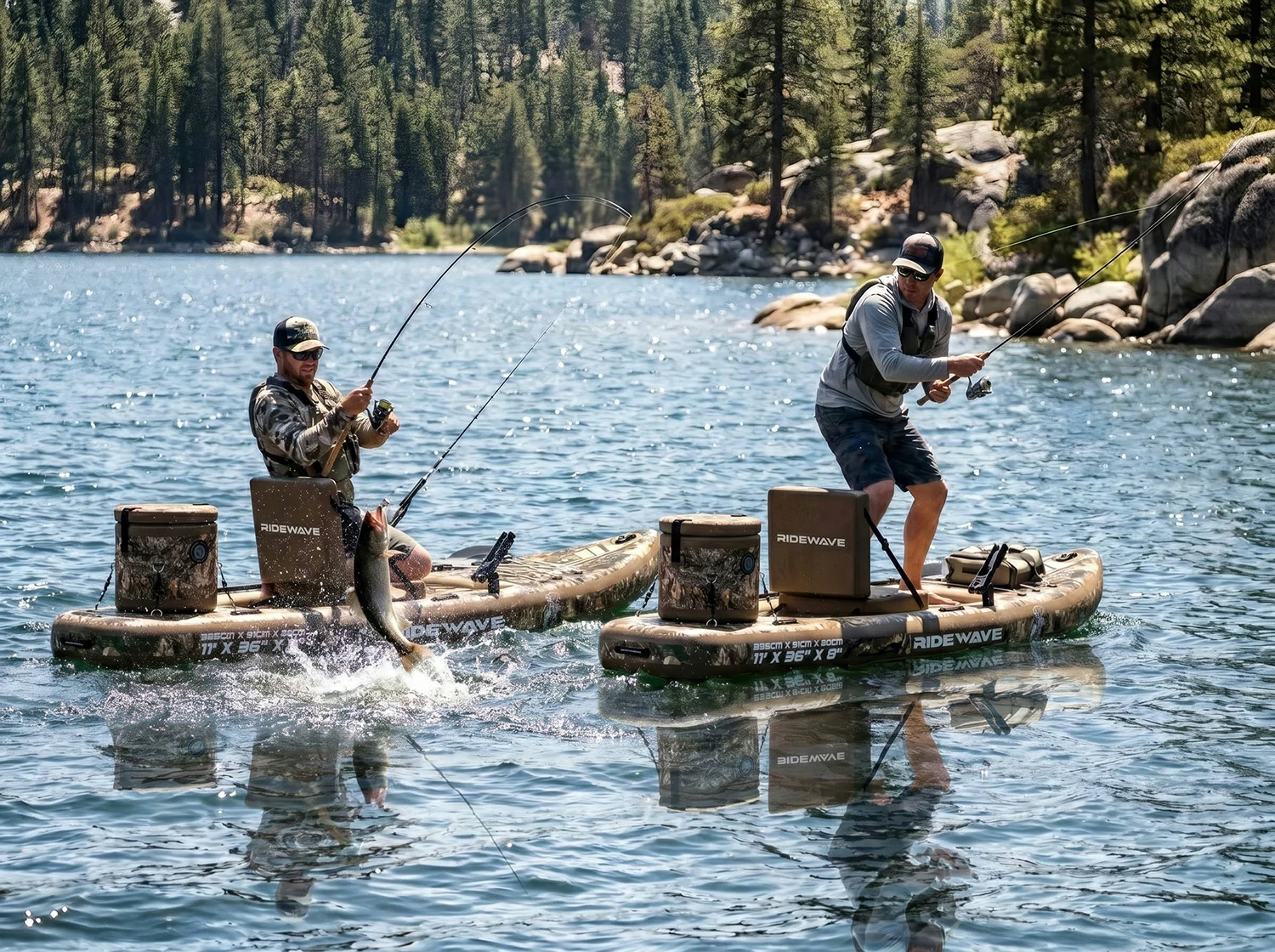
Portability remains the core advantage for inflatable paddle boards over hard boards. Meanwhile consumers pay increasing attention to material safety, environmental‑friendly raw materials, multi‑scene functional accessories and bundled sets. Family‑oriented bundles combining adult plus kids inflatable SUP maintain strong momentum. SUP fishing and lightweight touring segments are also slowly gaining popularity across Australia. At the same time, price competition from low‑end imported stock will continue to squeeze profit margins. Wholesalers who focus on region‑optimised specifications and value‑added service will stand out from low‑price homogenised competition. As an experienced supplier for Oceania, RIDEWAVE continuously tracks these consumption shifts to update product portfolios for wholesale partners.
‑ Bundled sets: adult‑and‑kid inflatable SUP combo packages keep growing popular among Australian family buyers.
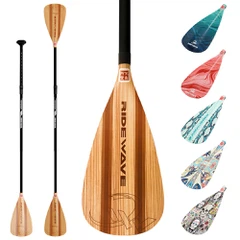
‑ Functional accessories: demand for SUP fishing mounts, dry bags, upgraded paddles and safety gear will rise alongside board sales.
‑ Environment‑conscious purchasing: more end‑users ask about non‑toxic, durable PVC material for iSUP.
‑ Niche segment growth: lightweight touring boards and SUP fishing setups create new profit opportunities for forward‑thinking stand‑up paddle board wholesalers.
‑ Avoid over‑reliance on ultra‑low‑cost generic stock; product performance tailored for Australian climate builds lasting competitive advantage.
Related Articles
Understanding SUP Materials: PVC, Drop-stitch, And EVA
How Ridewave Ensures Fast And Reliable SUP Production
|
Quality Control Checklist For SUP Manufacturers |