
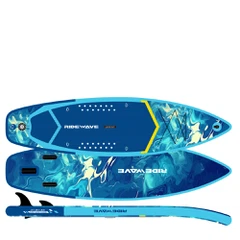
Inflatable paddle boards (iSUPs) have become increasingly popular worldwide, not only for recreational enthusiasts but also for professional athletes and rental businesses. As the market becomes more competitive, printing has emerged as a crucial factor for differentiation. The graphics on a paddle board are more than just decorative-they communicate brand identity, attract buyers, and influence perceived quality.
For B2B buyers and brand owners, understanding iSUP printing is essential. The right printing method ensures durability, maintains color integrity under harsh conditions, and allows for distinctive designs that resonate with end-users. This comprehensive guide will explore five key areas: common printing methods, printing quality factors, selecting the right printing method for your line, EVA deck pad and rail printing, and current design trends.
This article contains:
4. EVA Deck Pad and Rail Printing: Techniques, Differences, and Branding Opportunities
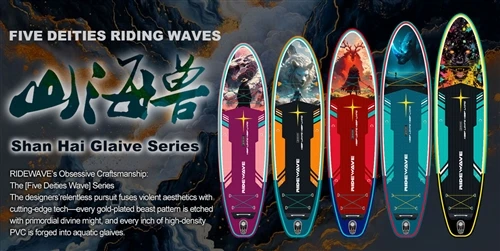
5. iSUP Graphic Design Trends: Minimalist, Pop Art, Natural Textures, and Sporty Styles
1. Common Printing Methods for Inflatable Paddle Boards: Heat Transfer, Screen Printing, Digital Printing, and Water Transfer
Heat Transfer Printing
Heat transfer printing is the most widely used method in iSUP manufacturing. This technique involves applying a pre-printed graphic onto the paddle board surface using high temperature and pressure. It allows for large, complex designs with vibrant colors and sharp details.
Advantages:
Suitable for large-area graphics.
High color fidelity and visual appeal.
Durable when properly applied, resisting peeling or fading.
Considerations:
Requires precise temperature control.
Production time may be longer for complex designs.
Applications: Top surfaces, bottom graphics, rails, and EVA deck pad designs.
Screen Printing
Screen printing is a traditional method where ink is pushed through a mesh stencil onto the board surface. It is ideal for simple, bold graphics, logos, and solid-color designs.
Advantages:
Cost-effective for large orders.
Thick ink layers create high durability.
Consistent results for repeated patterns.
Considerations:
Limited color range.
Not suitable for gradient or highly detailed images.
Applications: Logos, lettering, and small graphic elements.
Digital Printing (UV Printing / Direct-to-Surface Printing)
Digital printing has revolutionized iSUP graphics, especially for premium or limited edition boards. High-resolution images, gradients, and intricate designs are possible.
Advantages:
Photorealistic quality.
Flexibility for small batches or custom designs.
Rapid prototyping for new graphic concepts.
Considerations:
Higher production costs.
Requires surface preparation to ensure adhesion and durability.
Applications: Full-board graphics, side rails, and detailed artwork.
Water Transfer Printing
Water transfer printing, also known as hydrographics, allows for realistic textures such as wood grain or carbon fiber. While less common, it is used for high-end or specialized paddle boards.
Advantages:
Unique 3D visual effects.
Differentiates premium products.
Considerations:
Expensive and labor-intensive.
Longer production cycles, not suitable for mass production.
Applications: Specialty textures, limited edition boards.
2. Key Factors Affecting iSUP Printing Quality: Color Fastness, Durability, UV Resistance, and Weatherproofing
B2B buyers often face issues with printed iSUPs peeling, fading, or discoloring after a few months of outdoor use. Understanding the factors that influence print quality is crucial.
Material Quality
The type of PVC or TPU used in manufacturing affects how well the print adheres. MSL (Monolithic Sandwich Lamination) boards generally allow for smoother graphics and better adhesion compared to single-layer boards.
Color Fastness
A vibrant, long-lasting graphic is essential. Heat, UV exposure, and friction from water activities can cause fading. High-quality inks and proper curing processes mitigate these risks.
Durability and Abrasion Resistance
Paddle boards are subject to constant wear, both from users and storage/transport. Printing layers must resist scratching and peeling. B2B buyers should verify abrasion tests and factory quality standards.
UV and Weather Resistance
Boards exposed to sunlight, saltwater, or pool water require UV-stable inks and coatings. Protective laminates or specialized coatings are often applied to maintain color integrity.
Common Defects:
- Fading under direct sunlight.
- Peeling in high-friction areas.
- Color misalignment due to misapplied stencils.
Understanding these quality parameters helps buyers select suppliers who consistently deliver durable, market-ready boards.
3. Choosing the Right Printing Method for Your iSUP Line: MOQ, Costs, Design Flexibility, and Brand Positioning
Selecting the appropriate printing technique requires balancing multiple factors:
Minimum Order Quantity (MOQ) Considerations
- Heat transfer: Medium to high MOQ for efficiency.
- Screen printing: High MOQ for cost-effectiveness.
- Digital printing: Low MOQ, suitable for custom orders or limited editions.
Cost Implications
- Large-area heat transfer may be costlier upfront but provides premium visual appeal.
- Screen printing reduces costs for simple designs.
- Digital printing is ideal for small batches, customization, or high-value boards.
Design Flexibility
- Digital printing allows rapid changes to artwork without tooling.
- Heat transfer supports intricate patterns but requires precise production setup.
- Screen printing is limited to fewer colors and simpler designs.
Brand Positioning
- High-end brands may opt for digital or specialty water transfer to emphasize exclusivity.
- Mass-market rental boards often favor heat transfer or screen printing for durability and cost efficiency.
Making informed decisions about printing aligns the product with both market expectations and production logistics.
4. EVA Deck Pad and Rail Printing: Techniques, Differences, and Branding Opportunities
EVA deck pads and side rails are essential touchpoints for brand visibility. Printing in these areas requires specific methods:
EVA Deck Pads
- Heat transfer for logos or intricate patterns.
- Screen printing for simple branding or repeating motifs.
- Laser engraving for textured, high-end finishes.
Side Rails (Rails)
- Custom graphics along rails enhance brand recognition.
- Printing on curved surfaces requires precision to avoid misalignment.
- Techniques must ensure durability under friction and water exposure.
Strategically designed EVA pad and rail graphics not only improve aesthetics but also reinforce the brand's premium positioning in the market.
5. iSUP Graphic Design Trends: Minimalist, Pop Art, Natural Textures, and Sporty Styles
Current market trends inform which graphics appeal to buyers and end-users:
Minimalist Designs
- Simple color palettes and geometric shapes.
- Popular for professional and rental boards.
Pop Art and Bold Graphics
- Eye-catching designs for younger demographics.
- High contrast, vibrant colors that stand out in photos.
Natural Textures
- Wood grain, carbon fiber, or stone textures using water transfer or digital printing.
- Appeals to outdoor enthusiasts and premium consumers.
Sporty & Dynamic Styles
- Angled lines, gradient effects, and energetic patterns.
- Creates a sense of motion and performance.
Aligning printing methods with design trends ensures both durability and market appeal. Custom graphics become a key differentiator for brands competing in crowded markets.
Conclusion
Printing is a critical component in inflatable paddle board production. From selecting the right printing method to ensuring high durability and staying on-trend with graphics, B2B buyers and brand owners must consider multiple factors.
By understanding the pros and cons of heat transfer, screen printing, digital printing, and water transfer, as well as the unique challenges of EVA deck pad and rail graphics, brands can make informed decisions that maximize product value. High-quality, visually appealing, and durable graphics not only enhance customer satisfaction but also elevate brand recognition in a competitive iSUP market.
Partnering with experienced manufacturers who understand these printing nuances is essential for creating high-quality, market-ready inflatable paddle boards that stand out for years to come.