
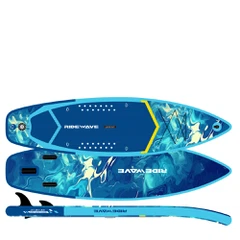


For Italian and pan‑EU B2B wholesale buyers, unignorable drop‑stitch inflatable SUP specifications fall into four core buckets: drop‑stitch core construction, material & pressure performance, compliance & certification, plus manufacturer‑side B2B support. Skipping deep evaluation on these technical details may leave wholesalers facing high return rates, customs hold‑ups and poor retail sell‑through, even when suppliers quote attractive unit prices. While this piece originates from market observations in Italy, these selection criteria work equally for distributors, resellers and product‑expanding watersports merchants across EU, US, Canada and Australia. Many B2B purchasers only compare surface pricing, ignoring how internal board structure shapes long‑term inventory turnover and gross profit. Understanding actionable hardware specs helps B2B operators filter low‑grade imitation inflatable paddle boards before committing to large container orders.
Why Does Drop‑Stitch Core Construction Dictate Wholesale Profitability in 2026 Global SUP Market?
The drop‑stitch inner fabric forms the skeleton of every quality inflatable stand‑up paddle board. For B2B buyers, this is not merely a technical detail for end‑user experience; it directly drives after‑sales cost, customer complaint frequency and repeat retail orders. Cheap knock‑off inflatable SUP cut corners on inner thread density to lower production costs. Boards built with insufficient drop‑stitch threads will bulge unevenly under standard working pressure, deform after several months of storage, and generate negative reviews once sold to end consumers. Bad word‑of‑mouth from retail buyers will hurt a distributor's local market reputation far beyond the loss of a single batch of goods.

Many importers new to the watersports category underestimate how core construction impacts their bottom line. When sourcing inflatable paddle boards for resale, B2B operators need to assess three practical dimensions of drop‑stitch build quality:
Inner thread density: defines board rigidity, flatness and anti‑deformation performance under full inflation
Stitch consistency: avoids local weak points that lead to bulging or air leakage during long‑term usage
Compatibility with multi‑layer PVC lamination: determines how well the inner core bonds with outer board skins
Market data from 2025‑2026 shows mid‑to‑high‑tier recreational drop‑stitch SUP maintains stable resale performance across Southern Europe and Oceania. Budget‑level boards with sparse drop‑stitch fabric often bring short‑term sales volume yet trigger heavy return pressure in peak summer seasons. Not every factory delivers uniform drop‑stitch quality across its whole product line. Even within one manufacturer's catalog, entry‑level and premium models carry obvious gaps in inner core craftsmanship.
RIDEWAVE, as an inflatable water‑sport OEM & wholesale manufacturer, applies tightened drop‑stitch inspection standards for bulk B2B shipments. This practice is not marketing gimmick; it responds to repeated feedback from overseas distributors who suffered losses from poorly structured generic paddle boards. Wholesale clients should request sample dissection reports or cross‑section reference photos before confirming large‑volume orders, rather than relying only on supplier‑provided parameter sheets.
| Item | Low‑cost Generic SUP | Industry Standard B2B Grade | RIDEWAVE B2B Wholesale Grade |
|---|---|---|---|
| Drop‑stitch thread density | Low | Medium | High |
| Max working PSI | 10‑12 PSI | 12‑15 PSI | 15‑17 PSI |
| Main PVC layer | Single‑layer | Double‑layer | Reinforced double‑layer |
| Seam technology | Glued seam | Heat‑welded | Full heat‑welded reinforced seam |
| Suitable business scenario | One‑off promotion | Mid‑tier retail | Wholesale, long‑term distribution |
What PVC & Seam Specifications Help B2B Dealers Cut SUP After‑Sales Returns?
Drop‑stitch inflatable SUP performance does not rely solely on inner thread construction. Outer PVC lamination and seam quality represent two high‑failure points that drive most wholesale returns across Italy, EU and North America. Many B2B buyers focus heavily on drop‑stitch parameters yet overlook outer skin and welding details. Small defects in PVC layers or heat‑weld seams rarely show up during pre‑shipment factory inspection. They tend to appear after end‑users inflate, expose boards to sunlight, salt‑water environments or repeated folding for storage. For distributors, after‑sales returns mean reverse logistics costs, damaged local reputation and wasted inventory capital. Even a low return rate of 3‑5 % can erase most gross profit for inflatable paddle board bulk orders.

When sourcing inflatable stand‑up paddle boards, B2B wholesalers need to evaluate four practical PVC and seam indicators:
PVC thickness & coating formula: resistance against UV degradation, salt‑water corrosion and abrasion during daily water‑sport usage
Multi‑layer composite structure: reduces risk of blistering, delamination between PVC skin and drop‑stitch core
Seam production method: distinguish glue‑bonded joints versus full heat‑welded seams for long‑term durability
Seam reinforcement layout: extra reinforced strips around high‑stress zones such as rail edges, valve openings and fin box mounting areas
Glued seams remain common among low‑cost imported inflatable SUP. Adhesive will gradually fail under high temperature, humidity and coastal salt‑air conditions. Boards with glued seams may pass initial air‑tightness testing, yet develop slow air leaks after 3‑6 months of end‑user usage. Full heat‑weld technology fuses PVC material together without chemical glue. It is widely recognised as the more reliable solution for mid‑high‑end wholesale paddle‑board lines. Still, not all heat‑weld outputs deliver equal quality. Poor machine calibration creates micro‑gaps along weld lines which become hidden failure risks.
RIDEWAVE's B2B product lines adopt full heat‑weld reinforced seams for wholesale‑oriented drop‑stitch SUP. The factory conducts batch air‑holding aging testing for bulk production, simulating real‑world storage and sun‑exposure conditions. This step aims to catch hidden seam weaknesses before goods leave China. It does not completely eliminate all possible product issues, yet it effectively lowers overall after‑sales probability for overseas partners.
B2B buyers should avoid judging PVC quality only by advertised thickness numbers on supplier brochures. Some manufacturers mark exaggerated thickness values on spec sheets. Request physical sample boards, carry out folding tests and check surface anti‑abrasion performance in‑house. Real‑world physical testing delivers far more trustworthy conclusions than printed marketing data.
How To Match Inflatable SUP Dimensions to Regional Demand for Italy, EU, US and AU Markets?
Even with premium drop‑stitch inflatable SUP hardware, wholesale businesses will face slow inventory turnover if selected board dimensions do not fit local consumer habits. SUP dimension is not an aesthetic choice. Length, width and thickness directly influence carrying capacity, stability, handling and end‑user scenarios. What sells well for Italian recreational customers may underperform in Australian coastal markets or North American touring segments. B2B dealers expanding into watersports often copy best‑selling sizes from other suppliers without local market validation. Misaligned dimension selection leads to stagnant stock, tied‑up capital and missed seasonal sales windows.
Key dimension variables for inflatable stand‑up paddle boards cover length, width, thickness and maximum load capacity. Each parameter targets distinct end‑user groups:
Board length: Short boards (9'0''‑10'2'') suit trick‑focused recreational users; medium‑size boards (10'6''‑11'6'') serve all‑round family leisure; longer boards (11'8''‑13'0'') built for touring and long‑distance paddling
Board width: Wider shapes deliver greater initial stability for beginners and family‑oriented buyers; narrower shapes favour experienced paddlers seeking faster glide performance
Board thickness: Thicker construction improves buoyancy and weight capacity, yet adds package volume and raises ocean‑freight cost per unit
Max load rating: Must match real‑world end‑user weight expectations for each target region, avoid over‑rated nominal load data on spec sheets
Southern European markets including Italy show strong demand for balanced all‑round inflatable SUP. Local consumers prioritise beginner‑friendly stability for lake, coastal and river weekend outings. In North America, touring‑oriented longer boards maintain steady wholesale volume. Australian coastal buyers favour compact all‑round sizes convenient for car trunk transport. Freight cost deserves close attention here: thicker and larger drop‑stitch SUP take more container space, increasing per‑unit sea‑shipping expenses. Wholesale buyers need to balance retail selling potential against logistics expenditure when finalising size mix for container orders.

RIDEWAVE's sales records indicate that most long‑term overseas distributors keep 3‑5 core dimension SKUs rather than stocking every available size option. Selecting a focused SKU portfolio helps simplify warehouse management, reduce overstock risk and concentrate marketing resources on high‑velocity models. Distributors still retain space for occasional special‑size runs for niche market segments.
Wholesalers are advised to analyse local retail platform data, local watersport community feedback and competitor catalogues before locking bulk‑order dimension lists. Do not fully rely on factory recommended hot‑sell lists, since factory top‑sellers may not align with your local retail environment.
Which Pressure‑Resistance Performance Metrics Are Non‑Negotiable for B2B Inventory?
Many B2B wholesale buyers of drop‑stitch inflatable SUP focus heavily on outward appearance and retail‑ready aesthetics, yet overlook long‑term pressure‑holding performance for stocked inventory. Unlike small‑batch sample orders, large wholesale containers mean inflatable paddle boards may sit inside distributors' warehouses for months before reaching end‑users. Poor pressure resistance will trigger gradual deformation, permanent board warping and slow air leakage even when products remain unopened in storage. For importers, damaged inventory directly translates to unsellable stock, write‑offs and lost capital that cannot be recovered through after‑sales support alone.
Working pressure metrics are not just marketing figures printed on product boxes. Two core metrics decide real‑world performance for inflatable stand‑up paddle boards: ‑ Maximum recommended working PSI: the safe inflation range for daily consumer usage ‑ Burst pressure threshold: the critical pressure limit where structural damage may occur
It is common to see low‑grade inflatable SUP advertise high PSI ratings on catalogues, while physical samples cannot sustain the labelled pressure without bulging or wrinkling. This mismatch happens because manufacturers quote theoretical lab values instead of real‑world batch‑production outcomes. Distributors who rely purely on printed spec sheets will face unpleasant surprises once goods land in their warehouse.
Several secondary factors also shape real‑world pressure stability of drop‑stitch SUP: ‑ Temperature tolerance: board performance shifts under high‑temperature warehouse storage, summer container sea‑freight conditions ‑ Drop‑stitch thread uniformity: uneven stitching creates local weak spots that bulge under full pressure ‑ Valve assembly quality: cheap plastic valves become another frequent source of hidden slow air leaks

RIDEWAVE runs batch‑level pressure cycling tests for B2B wholesale production. Each production lot undergoes multi‑hour static pressure retention testing under simulated high‑temperature environments, replicating container transit and long‑term warehouse storage scenarios. This quality‑control step is built for inventory risk reduction, not for marketing promotion. Even with strict factory testing, wholesalers should schedule random pressure spot‑checks upon cargo arrival at their local warehouse, before moving goods into retail circulation.
Buyers should also educate their retail sales channels about correct inflation guidance. End‑users frequently over‑inflate inflatable paddle boards under hot sunlight. Clear printed PSI instructions included inside each package lower misuse‑driven complaints and reduce unnecessary return requests for wholesale partners.
What EU‑AU‑US Safety & Environmental Certifications Prevent Cross‑Border Customs Delays?
For B2B importers sourcing drop‑stitch inflatable SUP, good product performance means nothing if shipments get held or rejected at customs. Increasingly strict environmental and safety compliance rules across Italy, broader EU, Australia and North America create hidden risks for watersports wholesalers. Many new‑category buyers underestimate customs compliance requirements. They assume general factory test reports are sufficient, only to face cargo detention, extra fines or product return orders once containers arrive at destination ports. Delays at port destroy seasonal sales windows, especially for summer‑focused inflatable stand‑up paddle boards.
Core compliance requirements differ slightly by territory, and B2B dealers need to sort out mandatory versus voluntary certification documents: ‑ EU market (including Italy): REACH regulation for restricted chemical substances within PVC materials; chemical substance declarations for inflatable watersports goods ‑ Australian market: import compliance requirements for consumer goods, mandatory product safety documentation for recreational water equipment ‑ US & Canada: consumer product safety standards, chemical heavy‑metal limit requirements for inflatable recreational articles
Common compliance mistakes made by wholesale buyers: ‑ Accepting expired test reports that no longer satisfy current import rules ‑ Mixing test samples with mass‑production goods; lab reports based on custom sample cannot automatically represent full‑container batch products ‑ Ignoring updated regulation revisions. 2026 updates to REACH candidate list add new restricted substances relevant to PVC inflatable products. Outdated documentation will trigger customs hold‑ups.

RIDEWAVE maintains continuously‑updated test documentation covering major target markets. The factory refreshes lab reports according to latest revision of EU REACH, Australian consumer goods rules and North‑American safety standards. For every B2B bulk order, the sales team provides matching batch‑relevant certification copies for customs declaration. This document support removes part of the paperwork burden for overseas distributors. Even with factory‑supplied files, buyers still need to double‑check local import agent requirements before vessel departure. Some customs authorities demand supplementary local‑language declarations beyond factory‑issued lab documents.
Certification is not a one‑time checkbox task. B2B purchasers should make clear certification update requirements within purchase terms, to ensure suppliers keep documents aligned with evolving regional import legislation.
How Can Accessory Kit Configurations Improve B2B Distributor Gross Margin?
Many drop‑stitch inflatable SUP B2B buyers fixate only on board unit price, treating accessory kits as secondary add‑ons. Yet well‑thought‑out accessory packaging directly shapes retail price positioning, end‑user satisfaction and overall gross margin for inflatable stand‑up paddle boards. Generic low‑grade accessories drag down product perceived value, trigger extra consumer complaints and hurt resale profits, even if the SUP board itself is well‑manufactured. For wholesalers, accessories are not trivial free gifts; they represent a practical lever to differentiate your catalog from low‑priced competing imports.
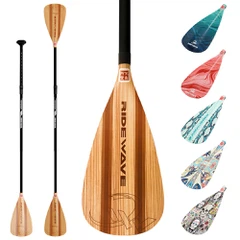
When evaluating accessory packages for inflatable SUP bulk orders, B2B operators should assess five core practical dimensions: ‑ Paddle material: aluminum, fiberglass or carbon‑fiber construction, weight tolerance and durability for mass retail ‑ Hand pump performance: double‑action high‑volume pumps versus basic single‑action pumps, real inflation efficiency for end‑users ‑ Safety components: leash, repair kit, waterproof phone bag and other safety‑related items required for regional market expectations ‑ Carrying backpack: load‑bearing capacity, fabric thickness, compartment layout for board storage and retail display ‑ Custom‑pack flexibility: whether the manufacturer supports mixed accessory selections to match different‑tier product lines
Budget‑oriented suppliers often cut costs by fitting cheap brittle paddles, flimsy hand pumps and thin non‑reinforced backpacks. The main board may pass quality inspection, but defective accessory parts drive a large share of total retail‑level complaints. End‑users frequently return full SUP sets simply because a paddle breaks or a pump fails. From a wholesale business standpoint, returns triggered by low‑quality accessories eat into profits and damage brand reputation, even when the drop‑stitch SUP core remains fault‑free.

RIDEWAVE structures three tiered accessory bundles for B2B wholesale orders, aligned with entry‑level, mid‑range and premium board lines. Distributors may pick standard bundles or swap individual components to match local retail positioning. This modular setup avoids forcing partners to pay for unnecessary high‑end accessories that their market does not require. It also prevents being locked into low‑grade accessory packages that harm retail feedback. Wholesalers still hold the option to source separate aftermarket accessories locally if regional consumer preferences call for special gear.
Smart B2B buyers avoid judging accessory value purely by factory unit cost. They calculate total set‑level profit margin and local market perceived value. A slightly higher complete‑set cost can support a much higher retail selling price, delivering better net profit compared to cheap complete kits with thin profit margins.
What RIDEWAVE Customization Options Fit Global Brand Distributors' Product‑Expansion Plans?
Many watersports merchants and brand owners step into the drop‑stitch inflatable SUP market hoping to launch differentiated private‑label goods. Generic off‑the‑shelf inventory brings fierce price competition across EU, US and Australian markets. Proper OEM and ODM customization helps B2B buyers build unique product lines, protect their retail margins and escape commodity‑style price wars. However, many first‑time custom‑order buyers underestimate real‑world custom‑order thresholds, lead‑time risks and technical limitations of inflatable stand‑up paddle boards. Blindly pursuing overly complex designs will trigger extended production delays or unsatisfactory finished goods.
Global brand distributors planning product expansion should evaluate four practical customization dimensions before placing custom SUP orders: ‑ Graphic & logo customisation: full‑board printing, private brand logo placement, custom‑designed artworks for board surface ‑ Hardware modification: fin box type, valve position, carrying handle layout and other physical‑part adjustments ‑ Dimension tweaks: fine‑tuning length, width and thickness based on target‑market consumer profiles ‑ Packaging customisation: custom colour boxes, user manuals, accessory bag printing for private‑label branding
Customisation does not always mean full‑scale ODM new‑mould development. A large share of B2B customers achieve good market results via semi‑custom solutions: modifying artwork and packaging based on existing mature inflatable SUP board blanks. This approach keeps MOQ and production lead‑time under control. It is a low‑risk way for new‑entry distributors to test local market response before investing in fully‑new board moulds.
RIDEWAVE offers both semi‑custom and full ODM development services for B2B watersports partners. For semi‑custom projects, buyers utilise existing mature drop‑stitch board structures, only adjusting prints and packaging. This keeps minimum‑order quantities reasonable for growing distributors. For full ODM projects, the engineering team works alongside brand clients to refine dimension, hardware and structural details. The factory also reminds buyers of realistic constraints: certain radical dimension adjustments will change board hydrodynamics and rigidity, requiring pre‑production sample validation before mass manufacturing.


It is critical for B2B buyers to clarify sample confirmation workflows. All custom graphics and hardware adjustments must be verified on physical pre‑production samples. Sign‑off on digital render‑only files cannot fully guarantee finished‑product performance and visual output.
How Did RIDEWAVE's January 2026 Australia Bulk Order Demonstrate Successful Drop‑Stitch SUP Wholesale Practice?
Technical specifications, certification documents and customisation options only deliver real commercial value when they translate into tangible sales for B2B partners. Theoretical spec sheets cannot fully reflect real‑world wholesale workflows. One representative real‑world case from early 2026 illustrates how aligned product specs, pre‑sale marketing assets and reliable supply‑chain execution combine to drive revenue for distributors sourcing drop‑stitch inflatable SUP.
In January 2026, one long‑term Australian watersports distributor placed a bulk order for 1200 units of inflatable stand‑up paddle boards. The distributor selected 5 proven hot‑selling inflatable SUP models from the RIDEWAVE catalog. This partner was preparing for Australia's fast‑approaching summer watersports peak season, when consumer demand for recreational paddle boards surges across coastal regions.
nstead of only manufacturing and shipping physical goods, RIDEWAVE delivered complete pre‑sale marketing assets before cargo production wrapped up. These deliverables included organised product catalogs, studio‑shot high‑resolution photos, main product visuals, detailed close‑up shots and lifestyle scene pictures for each of the 5 selected SKUs. Ready‑to‑use visual assets removed heavy content creation burdens for the Australian buyer. The distributor did not need to arrange local photoshoots, and could immediately launch pre‑sale campaigns across their e‑commerce channels and retail partner networks.
Goods were consolidated and shipped via sea freight out of Qingdao, China. Sea freight kept per‑unit logistics costs under control, a critical factor for maintaining healthy wholesale gross margins on large‑volume drop‑stitch SUP shipments. By the time the container arrived at Australian port, the distributor had already pre‑sold 800 sets out of the total 1200‑unit order. High pre‑sale conversion proved that the selected board specifications matched local consumer preferences perfectly. With summer demand still building, the Australian distributor opened active communication with RIDEWAVE discussing follow‑up replenishment orders to avoid stock‑out risks for their retail channels.
This case is not an isolated marketing success story. It highlights three actionable lessons for every B2B buyer sourcing inflatable water‑sport equipment: ‑ Select field‑proven core SKUs rather than chasing untested new designs for seasonal peak‑time stock preparation ‑ Prioritise manufacturers that supply complete marketing assets, not only finished physical goods ‑ Plan sea‑freight lead‑times well ahead of regional high‑demand seasons, to capture pre‑sale revenue opportunities

It is worth noting that favourable sales results came from multiple cooperating factors, not product hardware alone. Local market operation, distributor's channel resources and accurate seasonal demand forecasting also played essential roles. RIDEWAVE's contribution focused on stable build quality, matched product specifications and timely delivery of marketing resources. No factory can guarantee fixed sales volumes for wholesale clients.
How Do B2B Buyers Tell Real Drop‑Stitch SUP Apart From Low‑Cost Counterfeit Versions?
As global demand for drop‑stitch inflatable SUP keeps growing, counterfeit‑style low‑imitation products flood the B2B wholesale market. Many suppliers label ordinary inflatable boards as "drop‑stitch SUP" in catalogues and quotations, yet their internal construction fails to meet genuine drop‑stitch standards. For uninformed inflatable stand‑up paddle boards buyers, it is easy to place large‑volume orders for fake drop‑stitch goods. These counterfeit‑grade boards look similar on surface inspection, but deliver poor rigidity, frequent deformation and high after‑sales pressure once sold to end‑users.
B2B wholesale buyers can adopt 4 practical checking methods to separate real inflatable SUP with authentic drop‑stitch construction from inferior imitations: ‑ Request cross‑section sample photos: Ask suppliers to provide real cutting sample pictures to observe inner thread weaving density ‑ Complete physical inflation test: Inflate sample boards up to advertised working PSI, watch for uneven bulging, surface wrinkling ‑ Long‑term static pressure test: Keep samples inflated for 24‑48 hours, observe deformation degree and air retention performance ‑ Compare comprehensive parameters, not only unit price: Thread density, seam technology, PVC material and pressure resistance should all be taken into account, rather than only focusing on per‑piece price
Some unethical suppliers will send qualified real drop‑stitch samples for customer verification, while producing inferior imitation goods for mass‑production shipments. Sample‑versus‑mass‑product inconsistency is one of the biggest hidden risks for SUP wholesale business. Spot inspection is strongly recommended when goods are finished at factory premises, before container loading.

RIDEWAVE recommends overseas partners arrange third‑party factory inspection for large‑value orders, or send their own representatives to conduct on‑site random sampling. Independent inspection helps eliminate sample‑batch deviation risks. Many new‑category B2B buyers skip factory inspection steps to save cost, which may lead to huge economic losses later.
Buyers should also raise targeted questions with suppliers during early communication phases. Clear written confirmation about drop‑stitch thread standards, seam craft and testing standards will help you filter unreliable vendors at an early stage.
What Core Support Should B2B SUP Manufacturers Deliver Beyond Physical Products?
When sourcing drop‑stitch inflatable SUP, many B2B buyers focus their negotiation entirely on product hardware and unit price. However, finished boards represent only one segment of long‑term wholesale cooperation. Comprehensive backend support from the manufacturer directly shapes how smoothly your inflatable stand‑up paddle boards business runs after cargo departs the factory. Poor post‑order support can turn decent‑quality inflatable SUP inventory into a business headache, even when board hardware meets specifications.

Competent inflatable water‑sport manufacturers should provide six categories of practical support for wholesale partners: ‑ Updated compliance documentation: batch‑matching test reports, certification renewals aligned with changing regional import laws ‑ Ready‑made marketing assets: product photos, specification sheets, product descriptions, short‑form video clips for e‑commerce and social‑media promotion ‑ Clear technical guidance: inflation tutorials, storage guidance, common fault troubleshooting documents for downstream retail channels and end‑users ‑ Order‑progress transparency: real‑time production updates, production‑finish notices, loading photos and shipping schedule notifications ‑ Reasonable after‑sales mechanism: clear defect‑product confirmation rules, fair compensation solutions for confirmed mass‑production defects ‑ Product iteration information: advance notice of material upgrades, discontinued‑SKU alerts, preview of upcoming new‑model releases
Many factories only deliver goods, offering zero supplementary resources. Distributors then spend extra internal manpower creating pictures, writing product copy and sorting out compliance paperwork. This hidden operating cost eats into wholesale profit margins, even with low per‑unit board pricing.
RIDEWAVE builds these supporting services into standard B2B wholesale workflows. Certification documents are matched to each production batch. Standard‑range SKUs come with complete image libraries, datasheets and ready‑to‑use product descriptions. The team shares production snapshots during manufacturing and sends loading records once container packing completes. The brand also supplies downloadable technical guidance files for distributors to pass on to their retail partners.
It is important to manage expectations: manufacturer support cannot resolve local market sales difficulties, nor can it cover damage caused by improper end‑user operation, local transportation or improper storage. Wholesale clients should clarify support scope within purchase contracts, avoiding later‑stage misunderstandings.
Build Your Drop‑Stitch Inflatable SUP Wholesale Sourcing Strategy
Entering the drop‑stitch inflatable SUP wholesale market brings considerable commercial opportunities for watersports distributors, brand owners and category‑expanding merchants across Italy, EU, US and Australia. Nevertheless, profitable inflatable stand‑up paddle boards sourcing cannot rely solely on low purchase prices. Successful wholesale operations require balanced evaluation of core hardware specs, raw‑material quality, seam craftsmanship, regional compliance, accessory configuration, customisation feasibility, factory service capacity and real‑case market feedback.
B2B buyers can keep these core takeaways in mind when building their sourcing strategy:
‑ Do not judge inflatable SUP quality only by outward appearance or quoted PSI figures. Verify drop‑stitch fabric, PVC lamination and seam durability through physical samples and real‑world testing
‑ Align board dimensions and SKU mix with local consumer habits and ocean‑freight cost constraints, avoid blind over‑stocking of untested models
‑ Prioritise region‑matched, batch‑relevant compliance documents to prevent customs detention and missed seasonal selling windows
‑ Treat accessory kits as a profit‑driving product module instead of free throw‑away gifts; tiered configurations help you shape differentiated retail positioning
‑ Distinguish semi‑custom and full ODM development paths, select appropriate custom solutions according to your own MOQ budget and market‑testing goals
‑ Request tangible post‑order support beyond finished goods: certification updates, marketing assets, order transparency and clear after‑sales rules
‑ For high‑value bulk orders, arrange sample cross‑checking and on‑site or third‑party inspection to prevent inconsistency between samples and mass‑produced goods
No single supplier can satisfy every market requirement perfectly. As you compare different factories, weigh technical performance, pricing structure and supporting services comprehensively, rather than making decisions based purely on unit cost.RIDEWAVE focuses on stable‑quality drop‑stitch SUP bulk wholesale and OEM/ODM customisation for global B2B partners. We encourage prospective buyers to request samples, run hands‑on tests and carry out full‑scope evaluation before committing to large‑volume container orders.
Related Articles
Quality Control Checklist For SUP Manufacturers
Top Inflatable SUP Factories For Private Label Brands
Exhibitions And Trade Shows For SUP Manufacturers
How To Choose The Right SUP Supplier: A Guide For Distributors in 2026