

1 Inflatable Kayak – Your Portable Ticket to Water Adventures
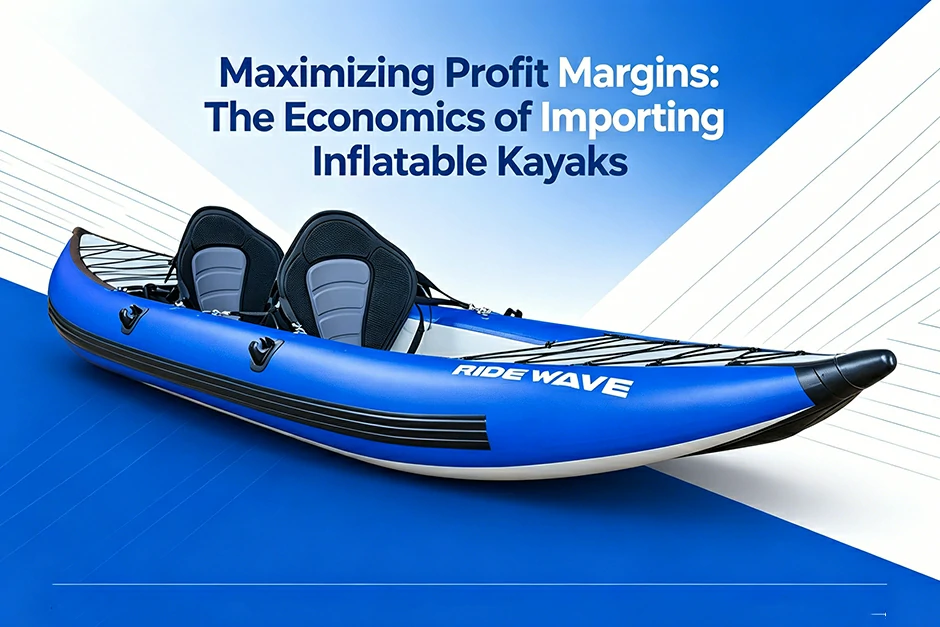
The allure of gliding across calm lakes, meandering down gentle rivers, or exploring hidden coastal coves is undeniable-and the inflatable kayak has emerged as the game-changing watercraft that makes these adventures accessible to everyone, from first-time paddlers to seasoned outdoor enthusiasts. Once dismissed as flimsy "pool toys," modern inflatable kayaks have evolved dramatically, blending durability, stability, and unmatched portability to redefine how we experience the water.
Gone are the days of struggling to transport bulky hardshell kayaks or worrying about limited storage space. An inflatable kayak, when deflated, folds down to a compact size that fits easily into a backpack, car trunk, or even a closet-making it perfect for urban dwellers, travelers, and anyone who values flexibility. Whether you're planning a spontaneous weekend getaway, a family outing by the lake, or a remote backcountry paddle to a hidden alpine lake, an inflatable kayak lets you chase water adventures without the hassle of traditional kayaks.
What truly sets the modern inflatable kayak apart is its impressive performance and durability. Crafted with advanced materials like multi-layer reinforced PVC and drop-stitch technology, today's inflatable kayaks are tough enough to withstand scrapes, minor impacts, and even unexpected encounters with rocks or debris-dispelling the myth that they're fragile or low-performance. They offer exceptional stability, thanks to their wide hull designs and low center of gravity, making them ideal for beginners who want to build confidence on the water without the fear of tipping over.
At its core, the inflatable kayak is more than just a watercraft-it's a gateway to freedom. It eliminates the barriers of entry to kayaking, letting you focus on what matters most: the serenity of the water, the beauty of nature, and the joy of paddling. Whether you're seeking a peaceful solo escape, a fun-filled family activity, or a new way to explore the great outdoors, the inflatable kayak adapts to your needs, making every water adventure effortless and memorable.
In this blog series, we'll dive deep into everything you need to know about inflatable kayaks-from choosing the right model for your adventures to mastering assembly, maintenance, and paddling. Let's embark on this journey together and unlock the full potential of your next water adventure with the versatile, portable inflatable kayak.
2.Inflatable Kayak Material & Structure: Core Factors Deciding Durability & Performance
2.1 Basic Vinyl Material of Entry-Level Inflatable Kayak
When shopping for an inflatable kayak, the first factor you need to judge is the raw material. Entry-level inflatable kayak mainly adopts single-layer vinyl material, which features thin thickness and simple production process. This kind of kayak owns soft hull after full inflation, and it is easy to deform under external force.
Due to limited material strength, single-layer vinyl inflatable kayak cannot resist sharp branches, river stones and underwater hard objects. It is only suitable for short-time casual use on calm shallow water areas. For long-term outdoor use and complex water environment exploration, this type of inflatable kayak is far from meeting daily demands.
2.2 Mid-range Double-layer Structure of Inflatable Kayak
Mid-range inflatable kayak is the most mainstream choice for outdoor water sports lovers, which adopts classic inner PVC air-tight liner plus outer wear-resistant fabric double-layer composite structure.
The inner PVC liner is responsible for locking air tightly to ensure excellent air tightness of the whole inflatable kayak, effectively avoiding slow air leakage in daily use. The outer reinforced fabric layer can greatly improve the scratch resistance, puncture resistance and friction resistance of the kayak hull. This mature double-layer structure balances lightweight carrying performance and outdoor practical performance perfectly.
Most family leisure inflatable kayak and daily touring inflatable kayak launched by Ridewave adopt this stable double-layer structure design, which fits most users' daily water entertainment needs perfectly.
2.3 High-strength Multi-layer Reinforced Inflatable Kayak Material
For users who love long-distance paddling and wild water exploration, high-performance multi-layer reinforced inflatable kayak is the ideal choice. This kind of inflatable kayak uses 3 to 5 layers of thickened reinforced PVC raw materials, and adds anti-ultraviolet protective coating on the surface.
Thickened multi-layer material greatly enhances the overall impact resistance and anti-aging ability of the inflatable kayak. It can adapt to outdoor long-time sun exposure, river rapid impact and complex underwater terrain navigation. Even in harsh outdoor environments, the hull will not be easily aged, hardened or damaged.
High-standard material configuration makes high-end inflatable kayak close to hard shell kayak in water performance, while retaining the core portable advantage of inflatable kayak.
2.4 Independent Air Chamber Design for Inflatable Kayak
Safe structural design is the core guarantee for using inflatable kayak safely on the water. Regular qualified inflatable kayak is equipped with multiple independent air chambers, instead of one whole connected air chamber.
An excellent inflatable kayak is divided into separate air chambers at the left and right buoy tubes, ship bottom, bow and stern respectively. All air chambers are isolated from each other and inflated independently.
In case of accidental collision and local damage leading to air leakage of single air chamber during paddling on the water, other intact independent air chambers can still maintain sufficient buoyancy and stable balance of the whole inflatable kayak. It can effectively avoid sudden capsizing and sinking risks, leaving enough safe response time for paddlers to return to the shore smoothly.
2.5 Drop Stitch Craft for High-performance Inflatable Kayak
Drop stitch craft is the core advanced manufacturing technology applied to high-end inflatable kayak hull and ship bottom. A large number of high-strength nylon yarns are evenly arranged inside the air chamber, connecting the upper and lower layers of the kayak material closely.
After high-pressure inflation, the dense inner yarns can limit the free expansion of the inflatable kayak, so that the ship bottom and the main hull form a flat and hard supporting structure. The drop stitch inflatable kayak owns more solid hull, smaller navigation resistance and straighter straight-line tracking performance on the water.
Compared with ordinary inflatable kayak, inflatable kayak with drop stitch craft is more labor-saving in long-distance paddling, better in stability and stronger in load-bearing capacity, which is very suitable for long-distance outdoor touring and equipment carrying travel use.
2.6 Core Accessory Structure of Practical Inflatable Kayak
Practical and solid matching accessories also affect the overall using experience of inflatable kayak, mainly including air valve, adjustable foot pedal and comfortable kayak seat.
First of all, high-quality inflatable kayak is equipped with professional high-pressure air valve, which features good sealing performance, smooth inflation and deflation, and is not easy to loose and leak air in long-term use.
Secondly, the adjustable non-slip foot pedal can fit paddlers of different heights, fix the sitting posture stably, and help paddlers transmit paddling power better.
Finally, the thickened fixed kayak seat adopts ergonomic design, which can relieve waist pressure effectively. It will not slide randomly during long-time sitting and paddling, greatly improving the comfort of whole-day water activities.
3. Inflatable Kayak Design & On-water Performance: Shape Determines Paddling Experience
3.1 Hull Bottom Shape of Inflatable Kayak Affects Overall Performance
The bottom shape is one of the most decisive designs for an inflatable kayak, which directly changes its stability, paddling resistance and flexible steering ability on different waters. The mainstream designs are flat hull and V-shaped hull, each with exclusive usage advantages.
Flat bottom inflatable kayak owns an ultra-wide and flat base structure. It provides outstanding primary stability when staying static or moving at low speed on water. Beginners, elders and kids can get on and sit steadily without feeling shaking. This kind of kayak greatly lowers the entry threshold of water sports and is widely applied in leisure inflatable kayak and family double inflatable kayak.
V-shaped bottom inflatable kayak is designed with pointed bow and inclined bottom surface. It has excellent wave-cutting ability and reduces forward water resistance obviously. It can keep straight forward smoothly during long-distance paddling and performs better on flowing rivers and slightly wavy open water. Most touring inflatable kayaks adopt this classic design.
3.2 Width Design of Inflatable Kayak Balances Stability and Speed
The overall width of an inflatable kayak forms a clear balance relation between water stability and forward paddling efficiency, and users can choose reasonably according to their actual usage habits.
Wide-body inflatable kayak usually reaches over 90cm in width. Its gravity center is lower and the contact area with water surface is larger. It can keep stable even when paddlers adjust sitting posture or move body slightly. It is the best choice for fishing inflatable kayak and parent-child entertainment kayak. The only shortcoming is relatively larger water resistance, which leads to slower paddling speed.
Narrow-body inflatable kayak is mostly designed below 85cm in width. It cuts water more smoothly with smaller resistance, so paddlers can gain faster sailing speed and save physical strength during long-distance travel. Although its static stability is slightly weaker, it owns stronger secondary stability when tilting, which is suitable for experienced paddlers to explore wild waters.
3.3 Length Layout of Inflatable Kayak Decides Flexibility and Paddling Efficiency
Different length layouts of inflatable kayak divide its applicable scenes clearly, covering short-distance casual play and long-distance outdoor touring demands.
Short-size inflatable kayak is generally within 3.6 meters in total length. It features light weight, flexible turning and small turning radius. It can freely shuttle among shallow water areas, aquatic plants and dense river barriers. It is easy to carry, inflate and store, perfectly matching daily short-time water leisure demands.
Long-size inflatable kayak is designed over 3.6 meters long, represented by most double-person inflatable kayak and touring inflatable kayak. Longer waterline enables the kayak to obtain stronger forward inertia. Each paddle can push the kayak to slide farther, effectively saving paddling physical strength. It keeps straight course well and is not easy to drift away affected by water flow and wind direction.
3.4 Rocker Arc Design of Inflatable Kayak Adapts Different Water Conditions
The bow and stern rocker arc is a hidden key design of a professional inflatable kayak, which greatly affects its wave-crossing ability and daily sailing smoothness.
Inflatable kayak with high rocker design has obviously upturned bow and stern. When sailing on rapid rivers and wavy waters, the upturned hull can effectively avoid bow diving into water, smoothly cross small waves and underwater reef barriers. It owns outstanding obstacle-crossing performance, which is suitable for wild stream exploration.
Inflatable kayak with low rocker keeps bow and stern nearly flat with the hull. It fits closely with the water surface during sailing, owns smaller overall resistance and more stable straight-line paddling state. It focuses on smooth and labor-saving experience, and is more suitable for calm lakes, reservoirs and flat slow-flow water areas.
Most of the leisure and family inflatable kayaks launched by Ridewave adopt medium rocker arc design, which balances wave passing ability and labor-saving paddling performance, realizing multi-scene universal use.
3.5 Multi-Chine Hull Design Optimizes Comprehensive On-water Performance
Modern upgraded inflatable kayak gradually adopts multi-chine hull design, which makes up for the single performance defect of traditional flat and V-shaped hull, and realizes the perfect integration of stability, steering and sailing speed.
Multiple raised rib lines are arranged on both sides of the kayak hull. When the hull is in static state, the wide plane maintains high stability for daily leisure use. When paddlers tilt the kayak slightly to turn or adapt to water waves, the side rib lines can enhance secondary stability, effectively prevent side overturning risks, and greatly improve the safety factor of complex water navigation.
This optimized multi-chine design not only retains the portable advantage of inflatable kayak, but also brings close-to-professional hard-shell kayak comprehensive paddling experience, which is favored by middle and senior outdoor water sports lovers.
3.6 Low-center Cockpit Design of Inflatable Kayak Improves Riding Safety
Ergonomic cockpit layout is an important part of excellent inflatable kayak design, among which low-center cockpit is the most practical humanized design for family and beginner users.
The low-positioned cockpit lowers the overall sitting center of gravity of paddlers. Compared with high-position cockpit, it can greatly reduce the overall gravity center of the whole kayak body, effectively restrain hull shaking, and reduce the risk of accidental capsizing during paddling.
Meanwhile, the spacious inner space of the cockpit ensures comfortable riding space for single or double paddlers. The reasonable space layout will not restrict limb movement, and matches adjustable seats and foot pedals perfectly, bringing long-time comfortable sitting experience for all-day outdoor water activities.
4. Main Types of Inflatable Kayaks: Choose Precisely According to Usage Scenarios
4.1 Touring Inflatable Kayak for Long-distance Water Exploration
Touring inflatable kayak is professionally designed for long-distance paddling, outdoor camping trips and open water traveling. It focuses on high paddling efficiency, excellent straight-line tracking performance and strong load-bearing capacity.
This kind of inflatable kayak is generally designed with long and narrow hull structure and shallow V-shaped bow. It creates less water resistance during forward movement and can maintain stable sailing speed even against gentle wind and slow water flow. Equipped with reserved mounting points and large storage space, it can carry camping supplies, dry bags and daily outdoor necessities easily.
Touring inflatable kayak performs perfectly on wide lakes, long rivers and calm coastal waters. It is the ideal water gear for outdoor enthusiasts who love cross-region water exploration and all-day long-distance paddling.
4.2 All-round Adventure Inflatable Kayak for Multi-scene Use
Adventure inflatable kayak belongs to balanced versatile style, which takes both stability and paddling flexibility into consideration. It can adapt to most common natural water environments and is the most popular mainstream inflatable kayak among family users and casual paddlers.
Adventure inflatable kayak adopts moderate length and width size, matching classic medium rocker hull design. It keeps stable enough for beginners to control easily, and also has flexible steering performance to pass through shallow shoals and scattered water obstacles smoothly.
Most double-person inflatable kayaks launched by Ridewave are positioned as adventure style. They can meet daily family parent-child entertainment, weekend leisure paddling and short-distance stream exploration needs, realizing one kayak for multiple purposes.
4.3 Recreational Inflatable Kayak for Beginner Leisure Entertainment
Recreational inflatable kayak is specially tailored for water sports beginners and casual users, with core advantages of ultra-high stability, easy operation and easy carrying and storage.
This type of inflatable kayak features short overall length and super wide flat hull. The center of gravity is low enough to keep stable standing and sitting state on calm water. Paddlers do not need professional paddling skills, and they can master basic control methods in a short time.
Lightweight body design makes recreational inflatable kayak easy to carry and inflate quickly. It is widely used in scenic lake areas, suburban reservoirs and quiet shallow water zones, suitable for daily relaxation, parent-child water fun and temporary vacation water experience.
4.4 Fishing Inflatable Kayak Designed for Angling Lovers
Fishing inflatable kayak is a professional functional inflatable kayak optimized and upgraded according to outdoor angling demands, focusing on standing stability and fishing practical configuration.
In order to ensure safe fishing on the water, fishing inflatable kayak uses ultra-wide hull and low-gravity integrated design. Even if anglers stand up to cast fishing rods or adjust fishing positions freely, the hull will not shake violently, greatly improving the comfort and safety of long-time fishing.
Reserved fishing bracket bases, multi-functional storage grooves and fixed anchor positions are pre-installed on the kayak body. It can place fishing rods, bait boxes, fish detectors and other fishing supplies in order, fully meeting all operational needs of wild shore fishing and open water drifting fishing.
4.5 Whitewater Inflatable Kayak for Rapid Stream Challenge
Whitewater inflatable kayak is a professional extreme water sports equipment, specially developed for rapid streams, turbulent currents and wave-intensive complex water areas.
It is made of thickened high-strength wear-resistant materials, equipped with full drop-stitch structure and multiple reinforced independent air chambers. The whole hull is firm and impact-resistant, which can resist the collision of underwater rocks and turbulent water impact effectively.
Short and compact hull plus high rocker bow and stern design enables whitewater inflatable kayak to turn sharply flexibly and cross rapids and surging waves smoothly. It is only suitable for professional senior paddlers with rich water control experience, and not recommended for beginners and leisure users.
4.6 Double Person Inflatable Kayak for Family & Partner Outing
Double person inflatable kayak is the most popular group-use style, perfectly matching family travel, couple water outing and friend companion paddling demands.
Standard double person inflatable kayak has reasonable dual cockpit layout, with enough sitting space and independent adjustable foot pedals and comfortable seats for two paddlers. The overall hull increases the width appropriately to ensure dual-person riding stability without affecting normal forward paddling speed.
Ridewave classic double blow-up inflatable kayak has complete safety configuration and sufficient load-bearing design. It can be used in leisure lakes, gentle rivers and other safe water areas, creating relaxed and happy group water activity experience for users.
5. Core Inflatable Kayak Buying Guide: Avoid Pitfalls & Match Your Needs Accurately
5.1 Confirm Your Actual Paddling Needs Before Buying an Inflatable Kayak
Before you decide to purchase an inflatable kayak, the most essential step is to sort out your real demands clearly. All selection standards should be based on your daily using environment, paddling distance and using frequency.
First, confirm your main paddling water area. Calm lakes, reservoirs and suburban shallow waters are friendly to most styles of inflatable kayaks. If you often paddle on flowing rivers or coastal waters with small waves, you need to pick rigid and wave-resistant inflatable kayaks. For complex rapid waters, only professional-level inflatable kayaks can meet the safety requirements.
Second, define your usual paddling travel distance. Short-distance casual paddling within a short range focuses on portability and easy operation. Medium and long-distance continuous paddling requires the inflatable kayak to own excellent straight-line performance and labor-saving sailing design.
Third, make clear how often you will use the inflatable kayak. Occasional seasonal use does not need ultra-high standard configuration, while fixed weekly outdoor water activities require durable and wear-resistant kayak structure to ensure long-term stable use.
5.2 Grade Selection Rules for Inflatable Kayak by Practical Purpose
According to different usage purposes, inflatable kayaks can be divided into different grades, so users can avoid blind consumption and pick the most cost-effective inflatable kayak.
Entry-level inflatable kayaks are oriented to novice experience and temporary vacation entertainment. They satisfy basic water fun demands, with simple structure and lightweight body. They are suitable for users who only need occasional water experience and have no long-term outdoor sports plans.
Mid-range inflatable kayaks are the mainstream choice for most family users and leisure paddlers. They balance material quality, structural safety and daily practical functions perfectly. Whether it is parent-child entertainment, weekend outdoor relaxation or short-distance stream exploration, mid-range inflatable kayaks can fully cope with all scenarios. Most classic styles of Ridewave inflatable kayaks belong to this practical grade.
High-grade professional inflatable kayaks are tailored for long-distance touring, wild water exploration and high-frequency outdoor sports enthusiasts. They adopt top-level materials and mature integrated craftsmanship, with stronger impact resistance, better sailing performance and longer service life, meeting the high-standard use demands of senior paddlers.
5.3 Key Parameter Selection Standards for Qualified Inflatable Kayaks
When comparing different styles of inflatable kayak, you must focus on core practical parameters, which directly determine the safety and practicability of the whole kayak.
First is the overall size matching. Single person inflatable kayak needs to fit personal body shape and paddling habits. Double person inflatable kayak must reserve enough inner space to avoid crowded riding experience, and ensure there is room for placing personal belongings.
Second is the reasonable load-bearing standard. Users must refer to the official marked load-bearing range of the inflatable kayak. The total weight of paddlers plus outdoor supplies shall never exceed the maximum load-bearing limit. Overloading will cause hull deformation, reduced stability and potential safety hazards on the water.
Third is the whole body weight of the inflatable kayak. Too heavy kayak will bring great trouble to daily carrying and transportation. Too light products usually cut corners on materials, leading to insufficient durability. Choose inflatable kayak with moderate weight that you can carry easily alone.
Fourth is standard inflation pressure. Qualified inflatable kayaks have clear standard inflation pressure data. Keep the air pressure within the specified range during use, neither insufficient inflation nor over-inflation, so as to maintain the best hull state.
5.4 How to Judge Inflatable Kayak Brand Quality & After-sales Service
Excellent brand strength and complete after-sales service are important guarantees for long-term use of inflatable kayak, which cannot be ignored in the selection process.
Reliable professional water sports brands focus on product material inspection and production details. Their inflatable kayaks have neat wiring, tight bonding seams, smooth air valves and complete standard accessories, with stable overall workmanship.
Formal regular brands will provide complete product qualification certificates and detailed English user manuals, marking clear using specifications, maintenance tips and safety precautions, which is convenient for overseas users and outdoor enthusiasts to use correctly.
In terms of after-sales service, high-quality brands support long-term accessory supply, including original replacement seats, foot pedals, air valves and kayak paddles. Meanwhile, they are equipped with professional use guidance and daily maintenance tutorials, solving all using problems for users in time.
Stay away from unknown miscellaneous inflatable kayak products with vague parameters, rough workmanship and no perfect after-sales guarantee. Such products have hidden dangers in safety, and it is difficult to maintain and repair once damaged.
5.5 Reasonable Matching Rules for Inflatable Kayak Standard & Upgraded Accessories
A complete set of accessories can greatly enrich the using experience of an inflatable kayak. Users need to distinguish standard necessary accessories and practical upgraded accessories, and match them reasonably according to personal demands.
Standard equipped accessories are essential for basic paddling, including professional split kayak paddles, fixed comfortable seats, adjustable non-slip foot pedals, manual high-pressure inflating pump, portable storage backpack and dedicated repair kits. Complete standard accessories can meet all daily basic paddling needs without repeated additional purchase.
Practical upgraded accessories are optional configurations to improve comfort and convenience. Electric inflating pump can save physical strength and shorten inflating time greatly. Detachable tail fin optimizes straight-line sailing effect of the inflatable kayak. Professional life vest, waterproof dry bag and fixed storage bracket are also practical upgrades for outdoor long-distance paddling.
Functional special accessories such as fishing brackets and floating anchors are only recommended for angling dedicated inflatable kayak users, and there is no need for ordinary leisure paddlers to buy them blindly.
6. Inflatable Kayak Assembly & Storage: Practical Skills for Maximum Portability
6.1 Preparatory Work Before Inflatable Kayak Assembly
Before starting to set up your inflatable kayak, sufficient preparation work can greatly improve assembly efficiency and avoid unnecessary damage to the kayak hull.
First of all, choose a proper assembly site. It is recommended to pick flat, clean and soft ground such as lawn, sand beach and rubber ground. Keep away from sharp stones, dry branches, broken glass and other hard sharp objects, so as to prevent accidental scratching and puncturing the kayak surface during unfolding and inflation. Avoid direct high-temperature sunlight exposure for a long time before assembly, which will accelerate material aging of the inflatable kayak.
Secondly, check and sort out all supporting accessories. Take out the whole inflatable kayak body and all matched parts from the storage bag, check whether the hull has obvious scratches, cracks and air leakage marks, and confirm that paddles, seats, foot pedals, inflating tools and repair kits are all complete and intact.
Finally, select suitable inflating tools according to actual needs. Traditional hand air pumps come as standard for most inflatable kayaks, which are portable and free from power restrictions. For users who pursue higher efficiency, portable electric air pumps are ideal choices to save physical strength and finish inflation faster.
6.2 Standard Step-by-step Assembly Process for Inflatable Kayak
Mastering the standard assembly steps allows you to set up your inflatable kayak skillfully within a short time, which is suitable for all Ridewave single and double inflatable kayak models.
Step one, fully unfold the inflatable kayak. Lay the deflated kayak flat on the prepared ground, straighten out all folded parts naturally, make the hull keep in the original design shape without twisting and distortion, and open all air valve covers in advance.
Step two, inflate air chambers in correct order. Follow the principle of inflating from bottom to top, inflate the bottom air chamber first, then the left and right buoy tubes, and finally the bow and stern air chambers. Inflate each air chamber separately and seal the valve tightly after reaching the standard air pressure. Do not fill one single chamber to full at one time to prevent hull deformation.
Step three, install functional accessories. After the whole inflatable kayak is fully inflated and shaped, install fixed seats to the reserved buckle positions, adjust the front and rear positions to get comfortable sitting posture. Then clip adjustable foot pedals firmly, and install the detachable tail fin at the bottom of the stern according to actual paddling demands.
6.3 Scientific Inflation Skills for Inflatable Kayak to Keep Optimal State
Reasonable inflation skills are key to prolonging the service life of an inflatable kayak, and accurate air pressure control is the core point that every paddler must master.
First, strictly control the standard air pressure. Do not over-inflate or under-inflate the inflatable kayak. Excessive air pressure will cause excessive tension on the hull material, easily lead to cracking of bonding seams and air chamber damage. Insufficient air pressure will make the hull too soft, reduce sailing stability and increase paddling resistance greatly. Always keep air pressure within the official recommended range.
Second, adopt segmented inflation method. For large-size double-person inflatable kayak, finish inflation in two to three times. Fill each air chamber to seventy percent air volume for the first time to make the hull fully stretch naturally, then supplement air to reach the standard pressure, which can effectively avoid material stress concentration.
Third, daily air leakage inspection after inflation. After finishing all inflation work, press every position of the inflatable kayak gently by hand to check the elasticity and firmness. Smear soapy water around air valves and seams regularly. If continuous bubbles appear, it means there is air leakage, and timely maintenance is required before going on the water.
6.4 Post-use Cleaning & Drying Treatment of Inflatable Kayak
Standard cleaning and drying after each water use is an essential step to maintain an inflatable kayak, especially after sailing in sea water and muddy river water.
Carry out overall cleaning work first after landing. If you use the inflatable kayak in sea water, you must flush the whole hull repeatedly with fresh water to wash away residual salt stains, which can prevent salt corrosion from damaging the kayak material and metal accessories. For fresh water use, simply rinse off surface silt, water plants and dirt with clean water.
Then wipe away accumulated water on the inner and outer surfaces of the inflatable kayak with soft dry cloth, focus on cleaning the gaps of air valves, seat buckles and stitching positions where water is easy to store.
Finally, place the cleaned inflatable kayak in a cool and ventilated place for natural air drying. It is strictly forbidden to dry it under strong sunlight or use high-temperature equipment for baking. Complete drying can effectively avoid mold growth, peculiar smell and internal mildew damage during sealed storage.
6.5 Standard Deflation & Storage Methods for Inflatable Kayak
Correct deflation and storage methods can make the inflatable kayak occupy the smallest space and keep the hull intact for a long time, which fully reflects the portable advantage of inflatable kayak.
Firstly, complete thorough deflation work. Open all air valve switches completely to discharge internal air naturally. Push and squeeze the kayak body slowly from bow to stern to squeeze out residual air inside each air chamber. Users can also use electric pumps to reverse extract air to make the hull completely flat.
Secondly, adopt reasonable folding and rolling storage ways. Rolling storage is more recommended than random folding, which can reduce permanent folds on the hull. Align the left and right sides of the deflated inflatable kayak first, then roll tightly from the bow towards the stern uniformly, fix the rolled kayak with binding straps.
Thirdly, classified storage of accessories. Remove all detachable seats, foot pedals, tail fins and split paddles separately, wipe them dry and place them in the independent interlayer of the storage bag, avoiding hard accessories scratching the soft kayak hull.
At last, put the whole rolled inflatable kayak into the matched portable storage bag, zip it up tightly and place it in dry indoor space for daily storage.
6.6 Common Assembly & Storage Troubleshooting for Inflatable Kayak
In daily use, users often encounter various small problems during assembling and storing inflatable kayak, here are simple and effective solutions.
The first common problem is slow air inflation and difficult air sealing. This situation is mostly caused by loose air valve installation or blocked valve inner core. Users can take out the air valve for cleaning, reset and tighten it, and replace the sealing gasket in time if it is aging.
The second problem is that accessories cannot be installed in place smoothly. Check whether the reserved fixed bayonets are deformed or blocked by sundries, adjust the angle of seats and foot pedals slightly, and install them gently without violent pulling and prying to prevent parts damage.
The third problem is oversized volume that cannot be put into the storage bag. The main reason is incomplete deflation and loose rolling. Re-open all air valves to exhaust residual air, roll the inflatable kayak more tightly and arrange the accessories reasonably to save internal space of the storage bag.
The fourth problem is peculiar smell and mildew after long-term storage. It is caused by incomplete drying before storage. Take out the kayak and place it in a ventilated place for dehumidification, clean the mildewed position with mild cleaning agent, and ensure full drying before next storage.
7. Inflatable Kayak Practical Operation & Safety Rules: Core Guarantee for On-water Experience
7.1 Pre-departure Full Safety Inspection for Inflatable Kayak
Before pushing your inflatable kayak into water, complete a comprehensive safety check to eliminate all hidden dangers in advance.
First, double-check the air pressure of every independent air chamber. Make sure all chambers reach the standard inflation degree, without insufficient air or over-inflation. Press the hull surface evenly to confirm the overall hardness is consistent.
Second, inspect all installed accessories. Firmly check the fixation of kayak seats, adjustable foot pedals and tail fins, ensure they will not loose or shift during paddling. Test the flexibility of split paddles to guarantee smooth use.
Third, check personal safety supplies. Prepare qualified life jackets for every rider, prepare whistle, waterproof mobile phone bag and simple first-aid supplies. Never go on the water without complete safety equipment.
Fourth, confirm the on-water environment. Learn about real-time weather, wind force and water flow condition in advance. Avoid going out in thunderstorm, strong wind and sudden temperature change weather.
7.2 Standard Boarding & Sitting Posture Rules for Inflatable Kayak
Correct boarding method and sitting posture can keep the inflatable kayak stable and prevent capsizing effectively.
When getting on the kayak, place the hull steadily on shallow calm water first. Stand beside the kayak, hold both sides of the buoy tubes firmly, step into the cockpit slowly with one foot, then sit down gently and put the other foot inside steadily. Do not jump or stamp on the kayak board violently.
During paddling, keep upright sitting posture naturally, lean slightly forward properly, place feet steadily on adjustable foot pedals, and keep legs relaxed. Do not stand up casually, lean sideways drastically or gather all weight on one side of the kayak.
For double person inflatable kayak, two riders need to keep balanced sitting positions, avoid leaning to the same side at the same time, so as to maintain the left-right balance of the whole kayak hull.
7.3 Basic Paddling Operation Skills for Inflatable Kayak
Master simple basic paddling skills to easily control the sailing direction and speed of your inflatable kayak.
Forward paddling is the most common operation. Hold the kayak paddle stably with both hands, insert the blade into water from the front side of the hull, push the paddle backward steadily on the left and right sides alternately, and keep the force uniform to make the kayak move forward straightly.
To adjust sailing direction, slow down slightly first. Use single-side paddling to realize steering. Paddle continuously on the right side to turn left, and paddle on the left side to turn right. Short-distance repeated paddling can complete flexible small-range direction adjustment.
When needing to decelerate or stop sailing, insert both paddles into water reversely to form water resistance, and slow down steadily until the inflatable kayak stops completely.
7.4 On-water Risk Avoidance & Route Planning for Inflatable Kayak
Reasonable route planning and risk avoidance awareness are essential for safe paddling of inflatable kayak.
Try to choose familiar shallow water and open slow-flow water areas as daily paddling routes. Stay away from hidden underwater reefs, dense water plants, water vortex areas and rapid water flow convergence zones. Do not easily sail to unfamiliar deep water areas.
Control reasonable paddling range and time, do not blindly pursue long-distance cross-water exploration. Arrange the return route in advance, and reserve sufficient time to return before sunset.
When encountering sudden strong wind, water wave and water flow surge on the water, stop moving forward immediately, adjust the kayak bow facing the wind and waves slowly, paddle steadily towards the nearest shore for landing.
7.5 Emergency Response Measures for Common Accidents of Inflatable Kayak
Learn emergency disposal methods to calmly deal with unexpected accidents when using inflatable kayak.
If the hull is accidentally scratched and leaks air on shallow water, paddle to the shore at the fastest speed immediately after finding air leakage, carry out simple repair after landing, and do not continue to sail with damaged kayak.
Once accidental capsizing occurs, keep calm, do not panic and struggle randomly. Hold the kayak hull firmly to rely on its buoyancy to keep floating, adjust your posture steadily, and climb back to the kayak cockpit slowly or wait for rescue.
When encountering personnel physical discomfort, sudden cramp and other situations on the water, stop paddling immediately, grasp the kayak steadily to rest, and head for the shore as soon as possible.
It is strictly forbidden to leave the inflatable kayak and swim freely in unknown waters, which will greatly increase the risk of drowning.
7.6 Daily On-water Civilized Paddling & Environmental Protection Rules
While enjoying the fun of inflatable kayak, all paddlers need to abide by civilized paddling norms and protect the natural water environment.
Do not carry any easily polluting garbage when going on the water. All food packaging, drinking water bottles and personal waste must be taken back to the shore for centralized classification treatment, and never throw garbage into rivers, lakes and sea water at will.
Keep a safe distance from wild water birds, aquatic organisms and natural wetland habitats, do not chase, disturb or approach wild creatures arbitrarily, and maintain the original ecological balance of water areas.
Respect local water area management regulations, do not enter closed fishing waters, private breeding waters and restricted navigation areas without permission, and jointly maintain good on-water paddling order.
8. Inflatable Kayak Maintenance & Care: Key to Extend Service Life
8.1 Daily Routine Maintenance for Inflatable Kayak Hull
Long-term regular maintenance can effectively slow down material aging and keep your inflatable kayak in good condition all year round.
After every water activity, make sure to clean off all stains, silt, algae and greasy dirt on the kayak surface in time. Use soft sponge and mild neutral cleaning liquid for cleaning. Never use strong acid, strong alkali, corrosive detergent or hard brush to scrub the hull, which will scratch the surface protective layer and damage the kayak material structure.
Usually place the inflatable kayak in dry and ventilated places. Avoid long-term extrusion, heavy pressure and sharp object friction. Do not place heavy goods on the deflated kayak body at will, so as to prevent permanent deformation and hard creases.
8.2 Sun Protection & High Temperature Protection for Inflatable Kayak
Anti-ultraviolet and high temperature resistance is one of the most important maintenance items for outdoor used inflatable kayak.
The PVC and reinforced fabric materials of inflatable kayaks are easy to age, harden and become brittle under long-term direct sunlight. Prolonged sun exposure will cause the hull surface to fade, lose elasticity, and even lead to air leakage and cracking in severe cases.
During outdoor use, try to avoid parking the fully inflated inflatable kayak under strong sun for a long time. When resting on the shore, cover the kayak with sunshade cloth. After use, do not place the hot kayak directly in closed high-temperature car trunk. Cool it down naturally first, then fold and store it. In hot summer season, shorten the direct exposure time in the sun as much as possible.
8.3 Seasonal Storage Maintenance of Inflatable Kayak
Scientific seasonal storage maintenance can protect the inflatable kayak well during long-term idle period such as winter and rainy season.
Before long-term storage, conduct thorough overall cleaning and full drying treatment again to ensure there is no residual moisture inside and outside the hull, no hidden dirt and mildew spots. This step can completely avoid mildew, odor and internal corrosion during sealed storage.
Do not store the inflatable kayak in a fully inflated state for a long time. It is recommended to release most of the air, reserve a small amount of air to keep the hull slightly fluffy, and then roll it up for storage. This method can effectively prevent the material from being in a tense state for a long time and slow down aging speed.
Choose cool, dry, dark indoor storage environment, stay away from heating equipment, stove, humid basement and outdoor open-air environment.
8.4 Regular Inspection & Maintenance of Inflatable Kayak Air Valves
Air valves are the core air sealing parts of inflatable kayak, and regular inspection and maintenance can effectively avoid air leakage failure.
Check all air valves regularly to see whether the valve core is loose, whether the sealing rubber ring is aging, deformed or missing. Once the sealing ring loses elasticity, replace it in time to ensure good air tightness.
Keep the inside of air valves clean frequently, clear away sand, sundries and aquatic dirt accumulated in the valve mouth, prevent foreign matters from affecting the tight closing of the valve core, and avoid slow air leakage caused by untight sealing.
Do not twist, pull or hit the air valve violently in daily use, so as to prevent the air valve from loosening and falling off from the hull connection position.
8.5 Simple Repair Skills for Common Damage of Inflatable Kayak
Master simple self-repair methods to solve minor damage problems of inflatable kayak in daily use.
For small scratches, tiny cracks and slight air leakage on smooth hull parts, use the matched professional repair glue and repair patch in the accessory kit. First polish and clean the damaged position, keep it dry and oil-free, evenly apply special repair glue, paste the repair patch tightly, press it flat and stand still for enough curing time before using again.
For damaged splicing seams of the kayak, choose targeted waterproof adhesive for reinforcement bonding, avoid using ordinary glue which is poor in water resistance and easy to fall off.
If there is large-area rupture, deep puncture and serious deformation damage that cannot be repaired manually, stop using it immediately and contact official after-sales personnel for professional maintenance or replacement.
8.6 Accessory Daily Maintenance & Replacement Tips
In addition to the main hull, matched accessories also need regular maintenance to ensure the overall use experience of the inflatable kayak.
Detachable kayak seats, foot pedals and fixing buckles shall be wiped clean after use, check whether the nylon binding band is worn, loose or broken regularly, and replace the worn binding parts in time to avoid falling off during paddling.
Split kayak paddles should avoid heavy drop and impact. Keep the connecting interface clean and smooth, regularly apply a small amount of lubricant to ensure flexible assembly and disassembly. Store paddles separately to prevent extrusion deformation.
Portable inflating pumps need to clean the air inlet and outlet regularly, remove internal dust and sundries, and check the air pipe for aging and air leakage, so as to guarantee stable inflating efficiency for long-term use.
9. FAQ: Full Answers to Common Questions for New Paddlers
9.1 Is an inflatable kayak easy to capsize for beginners?
Generally speaking, regular inflatable kayak with wide hull design owns excellent primary stability on calm water. It is much harder to tip over than slim hard-shell kayak.
As long as paddlers keep standard sitting posture, do not stand up casually or lean body drastically, beginners can easily control it safely. Only when sailing in fierce rapids and big waves will there be slight capsizing risks. Choosing leisure style inflatable kayak is the safest option for new users.
9.2 Will inflatable kayak leak air slowly in long-term use?
All inflatable kayaks will have tiny natural slow air leakage after long-time use, which belongs to normal physical phenomenon, not product quality problem.
Temperature change will also affect internal air pressure. The air inside the kayak expands when temperature rises, and contracts when temperature drops, leading to slight pressure drop. Users only need to check air pressure properly before each use and refill air appropriately.
If you notice obvious rapid air leakage, it means there is damage or loose air valve sealing, you need to find out the leakage point and repair it in time.
9.3 Can inflatable kayak be used in seawater?
Qualified multi-layer reinforced inflatable kayak supports normal use in seawater.
But after sailing in seawater, you must rinse the whole hull thoroughly with fresh water immediately. Salt composition will corrode the kayak surface material, stitching lines and metal accessories for a long time. Timely cleaning can effectively extend the service life.
It is not recommended to use entry-level thin single-layer inflatable kayak in seawater for a long time, which is poor in corrosion resistance.
9.4 How long does it take to fully inflate an inflatable kayak?
The inflation time of inflatable kayak depends on its size and inflating tools.
Using matched manual air pump, it takes about 5 to 8 minutes for single-person inflatable kayak, and 8 to 12 minutes for double-person inflatable kayak to reach standard air pressure.
If you use portable electric inflator pump, the time can be shortened greatly, only 2 to 5 minutes can complete full inflation, which is more labor-saving and efficient for outdoor travel.
9.5 Can children ride inflatable kayak alone?
It is strictly forbidden for young kids to take inflatable kayak alone on the water.
Children under 12 years old must be accompanied by adults throughout the whole process, and wear professional children life jackets firmly. It is better to arrange children to sit in the middle safe position of double-person inflatable kayak.
Adults need to control the whole paddling route and speed, never let children operate the kayak alone to avoid safety accidents.
9.6 What is the maximum service life of an inflatable kayak?
With correct use, regular cleaning and scientific maintenance, high-quality inflatable kayak can be normally used for 5 to 8 years.
If often used in complex waters without daily maintenance, exposed to sun and rain for a long time, the material will age rapidly, and the service life will be shortened to 2 to 3 years.
Timely repair minor damage and avoid over-inflation and heavy extrusion, which are the key to prolong the service life of inflatable kayak.
9.7 Is it necessary to install a tail fin for inflatable kayak?
Installing detachable tail fin is not compulsory for inflatable kayak.
When paddling on short-distance calm lake surface, you can choose not to install it, and the kayak can sail normally. When carrying out long-distance straight-line paddling or sailing against wind, installing tail fin can effectively optimize straight-line tracking performance, reduce side drift and save paddling strength.
Users can freely install or remove it according to actual paddling demands.
9.8 Can inflatable kayak be placed in the car trunk at will?
After complete deflation and neat rolling, the inflatable kayak is small in size and light in weight, which is easy to put into car trunk, SUV trunk and even large backpack.
But do not place it together with sharp hard tools to prevent piercing the hull. In hot summer, do not leave the folded kayak in closed high-temperature trunk for a long time, which will accelerate material aging.
Pick the Right Inflatable Kayak & Start Your Water Exploration Journey
Choosing a suitable inflatable kayak is the first step to unlock endless fun on the water. From premium raw materials and scientific hull structure, to diversified functional types, practical assembly skills and standardized safe operation, every detail determines your overall paddling experience.
For beginner leisure users, prioritize stable wide-body recreational inflatable kayaks that are easy to control and friendly for entry-level practice. For family group outings, spacious double-person inflatable kayaks are ideal to enjoy happy time together. If you are an experienced outdoor enthusiast who loves long-distance touring and wild water adventure, you can choose multi-layer reinforced touring inflatable kayaks with drop-stitch craft for stronger performance and better durability.
No matter which style you finally select, always stick to correct using methods, follow on-water safety regulations, and stick to daily cleaning and regular maintenance. Proper care will keep your inflatable kayak in perfect condition and greatly extend its service life.
Lightweight, portable and flexible, modern inflatable kayaks break the limits of traditional water sports equipment. You can carry it to quiet lakes, gentle rivers and coastal shallow waters freely at any time. Put aside daily trivial troubles, feel the breeze on the water, enjoy the beauty of nature, and set out to start your relaxing and wonderful water exploration journey with your ideal inflatable kayak.
Related Articles
What Is A Touring Inflatable SUP? Key Features & Who It's For
Margin Maximization: How Retailers Boost Profits By 30% With Strategic SUP Accessory Bundles
From Blueprint To Container: How RideWave Launches Your Private Label SUP Line in 90 Days
MSL Fusion Vs. Single Layer: Critical ISUP Construction Differences Every Distributor Must Know
2026 Global Inflatable SUP Sourcing Guide: How Brands And Wholesalers Choose Top-Tier Suppliers