
The Evolution of ISUP Engineering: Why Construction Defines Your Brand's Success in 2026
In the rapidly maturing global water sports market, the distinction between a "retail-grade toy" and a "professional-grade vessel" is determined long before the board touches the water. For international SUP distributors, wholesalers, and sporting goods brand owners across North America, Europe, and Oceania, understanding the core architecture of an inflatable stand-up paddle board (SUP) is no longer a technical luxury-it is a commercial necessity.
Construction is the silent ambassador of your brand. As the industry pivots towards high-performance longevity and sustainable manufacturing, the debate between MSL Fusion and Single Layer construction has reached a critical tipping point. In this comprehensive technical analysis, we explore why the structural integrity of your SUP inventory directly correlates with your bottom-line profitability and customer retention rates. At Ridewave, we believe that transparency in manufacturing is the foundation of global B2B partnerships.
Navigating the Global Demand for High-Integrity SUP Solutions
The 2026 market landscape is defined by a more educated consumer base. Today's paddlers are moving away from disposable, low-quality gear in favor of equipment that offers rigidity, weight efficiency, and environmental resilience. For a SUP business looking to expand its portfolio, the choice of construction technology dictates the frequency of warranty claims and the strength of your market reputation.
Whether you are an established outdoor brand or a specialized distributor looking for a high-capacity manufacturing partner, this guide will dissect the mechanical differences that set Ridewave's MSL Fusion SUPs apart from the high-volume, single-layer alternatives prevalent in the budget sector.
Structural Breakdown: What Lies Beneath the Surface?
To the untrained eye, most inflatable SUP products look identical on the water. However, for a high-volume distributor, the real value-and the risk-lies within the internal architecture. The structural integrity of an inflatable SUP is defined by two primary components: the Drop-Stitch core and the PVC skin lamination.
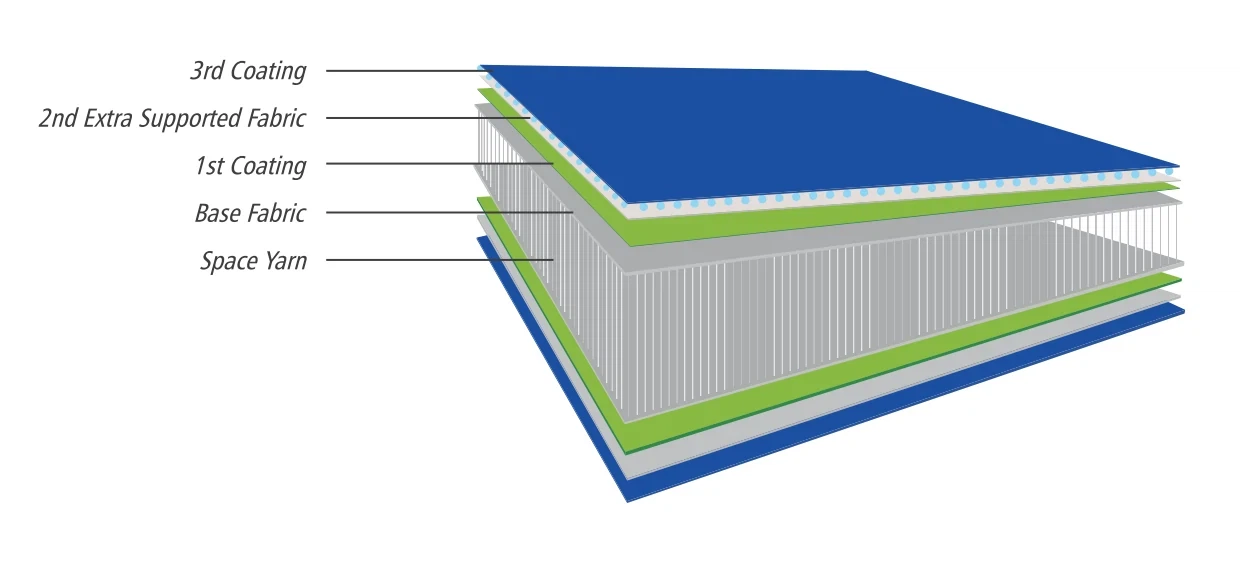
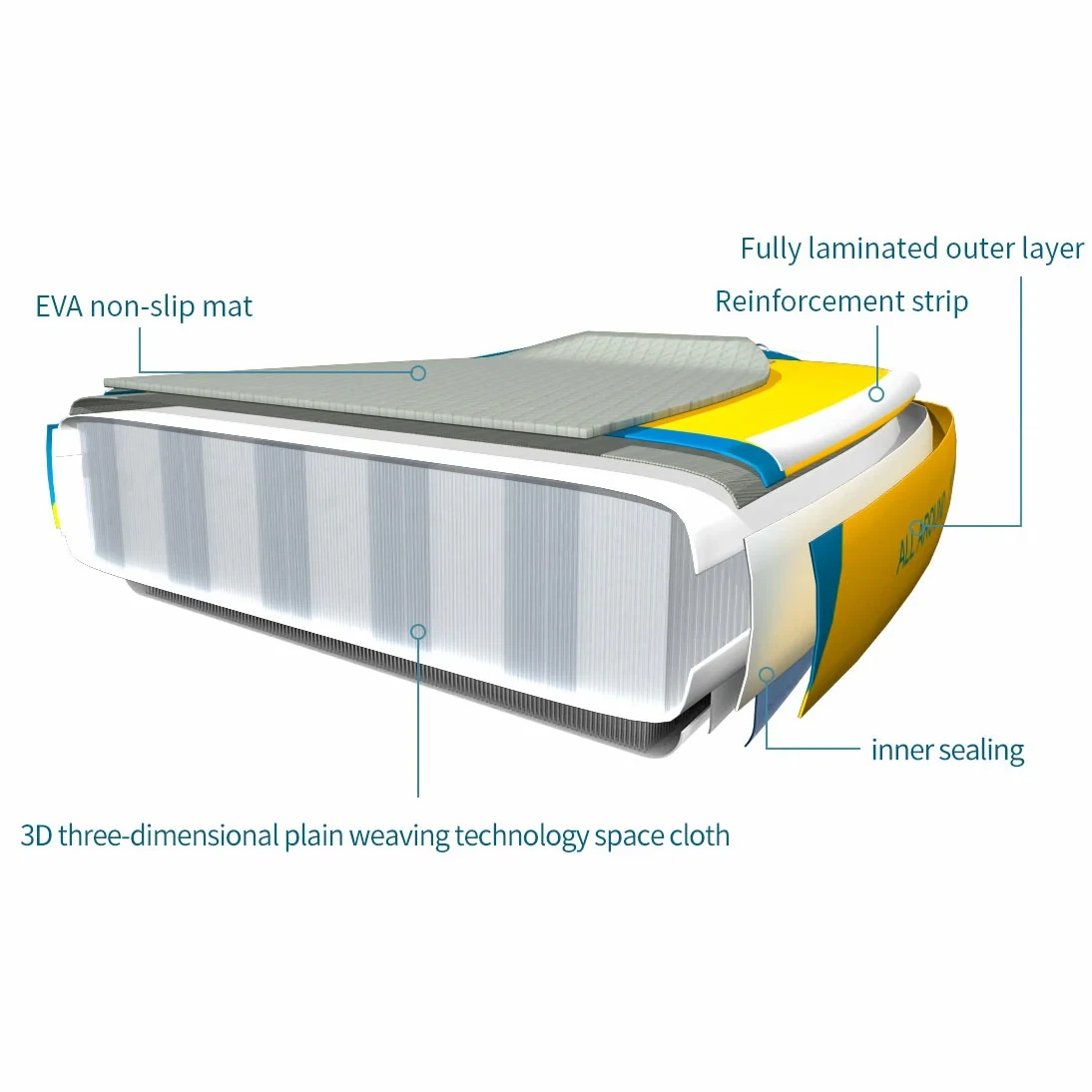
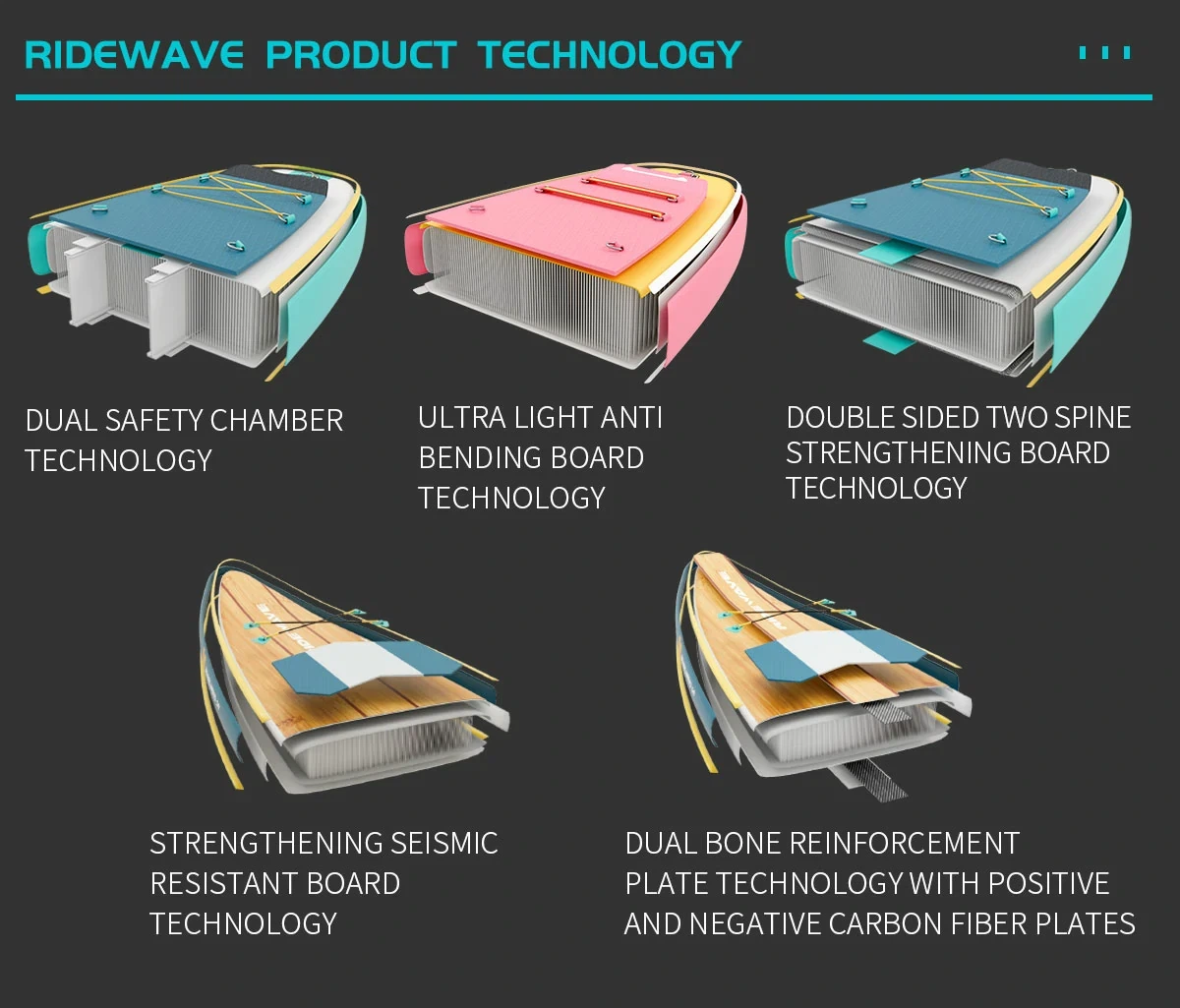
The Drop-Stitch Core: The Skeleton of the SUP. At the heart of every Ridewave board are thousands of polyester threads connecting the top and bottom layers of PVC. When inflated to high pressure (15-20 PSI), these threads lock into a vertical position, providing the board with its flat, rigid shape. The density of these threads (the number of stitches per square inch) is the first major differentiator. A low-density core results in "oil-canning" (flexing under the paddler's weight), whereas Ridewave's high-density core ensures a rock-solid platform that mimics the performance of a hard board.
The Outer Shell: Protective Layers and Bonding Techniques
Beyond the core, the way the outer PVC is attached determines the board's weight, aesthetics, and resistance to environmental stress. In the SUP industry, we categorize these methods into Single Layer, Double Layer (Glued), and MSL Fusion.
-
The Base Layer: A specialized fabric layer that acts as the foundation for the PVC coating.
-
The Rail Tape: The most vulnerable part of any SUP. This is where the top and bottom skins are joined. Professional-grade boards utilize double-rail construction to prevent air leakage and withstand impact against docks or rocks.
-
The Coating: This provides UV protection and airtightness. In premium SUP manufacturing, the quality of this coating affects the vibrant color retention and the board's "skin" tension over time.
For global brand owners, specifying the internal thread count and the rail reinforcement is crucial for reducing the "Defective Rate" in large shipments.
MSL Fusion Technology: The Ridewave Standard
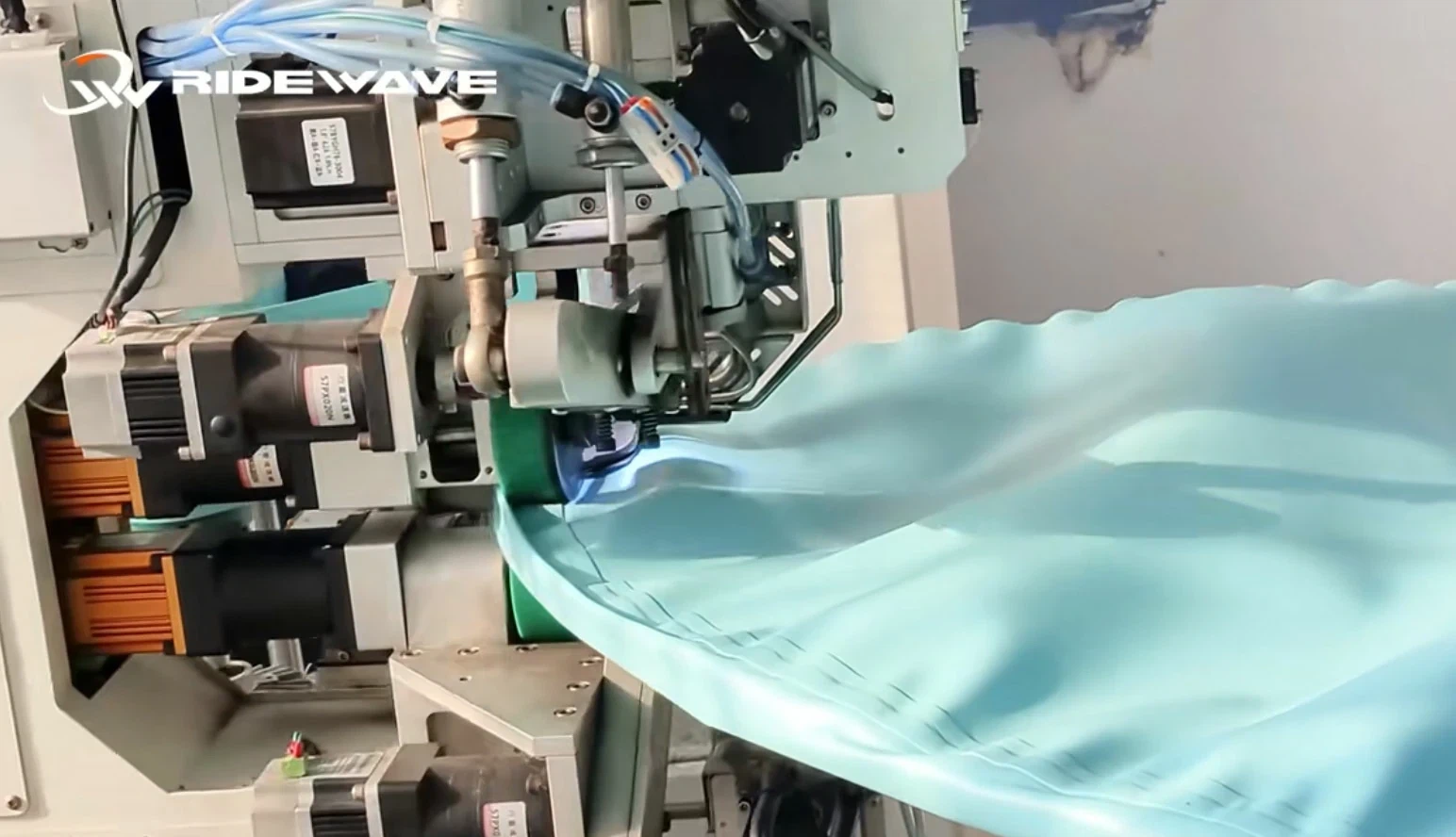
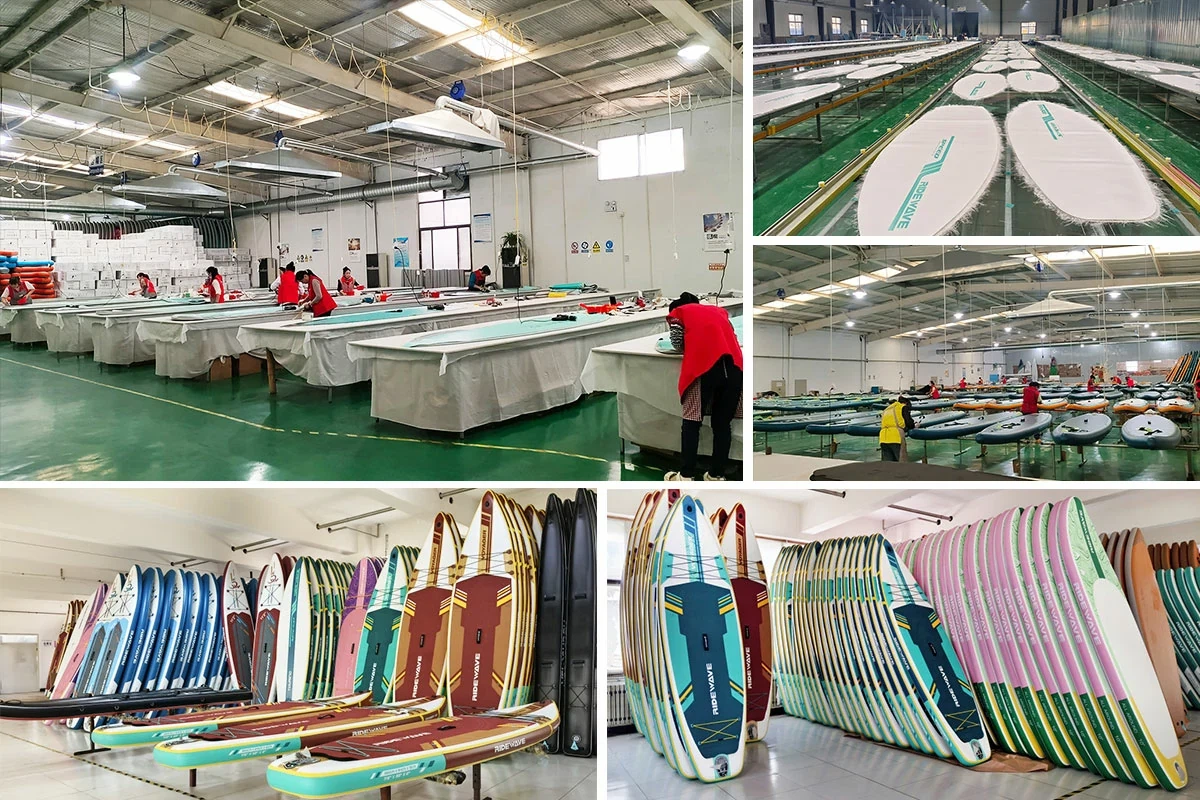
In the competitive landscape of SUP manufacturing, MSL (Monocoque Structural Laminate) Fusion represents the gold standard for high-end inflatable production. At Ridewave, we have refined this process to eliminate the human error associated with traditional hand-gluing. Instead of manually applying liquid adhesive to bond layers, our MSL Fusion process utilizes a machine-monitored thermal bonding technique.
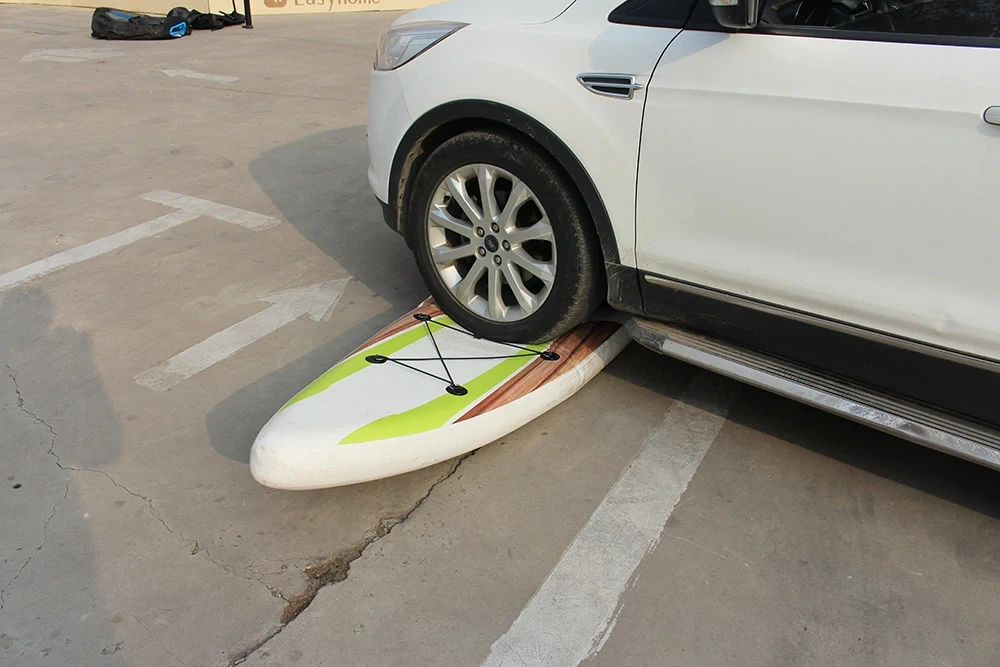
The Mechanical Bond: Lighter, Stronger, Greener. The core of our MSL SUP technology involves coating the drop-stitch fiber structure with a layer of adhesive that is specially formulated to bond during the raw material stage. A second layer of high-density PVC is then "fused" to this base using precision heat-lamination. By removing the thick, heavy layers of manual glue used in traditional double-layer boards, Ridewave achieves a weight reduction of approximately 20-25% without sacrificing a single PSI of stiffness.
Why Ridewave MSL is the Ultimate Choice for Professional SUP Portfolios
For a distributor, the advantages of Ridewave's MSL Fusion extend far beyond the water's surface. This technology addresses the three most common pain points in the B2B supply chain:
-
Aesthetic Consistency: Because the lamination is machine-controlled, our SUP surfaces are free from the cosmetic wrinkles, bubbles, and glue stains common in hand-glued products.
-
Structural Longevity: Heat-fused layers are nearly impossible to delaminate. This significantly reduces the rate of "seam failure" claims, a common headache for wholesalers operating in high-temperature climates.
-
Enhanced Rigidity: The fusion process creates a pre-tensioned skin. When a Ridewave SUP is inflated, the tension is distributed more evenly across the board, providing a professional-grade paddling experience that attracts repeat high-ticket customers.
Single Layer Construction: Analyzing the Low-Cost Entry Point
In the global SUP trade, Single Layer construction serves as the gateway for mass-market penetration. While Ridewave prioritizes high-performance MSL technology, it is essential for distributors to understand the mechanics and market implications of single-layer boards to better educate their end-consumers.
The Basics of Single Layer Engineering. As the name suggests, a Single Layer SUP features only one outer layer of PVC over the drop-stitch core. This construction method is the most straightforward and least labor-intensive, making it the primary choice for "budget-friendly" retail chains and supermarket-tier water sports products. Because there is less material and no complex bonding process, these boards are exceptionally lightweight-often favored by casual paddlers who only intend to use the board a few times per season.
The Risk Profile: Why Single Layer Costs More in the Long Run
For professional brand owners and distributors, the "low cost" of single-layer SUP inventory often comes with hidden liabilities. In international markets where consumer protection laws are stringent (such as the EU and North America), the following technical limitations can impact your brand equity:
-
Flexibility and "Tacoing": Single-layer boards lack the structural stiffness required for adult paddlers. Under weight, the SUP can bow in the middle (known as "tacoing"), significantly degrading the tracking and speed.
-
Lower Pressure Tolerance: These boards are typically limited to 10-12 PSI. Over-inflation can cause permanent deformation or seam failure, leading to higher return rates for the retailer.
-
Durability Deficit: Without the second layer of fused PVC, the board is highly susceptible to punctures from sand, rocks, or sun-exposure-induced degradation. For a SUP rental business or a premium outdoor store, this results in a shorter product lifecycle.
While single-layer boards have a place in the promotional "entry-level" segment, they often fail to meet the "Pro-sumer" standards that drive high-margin B2B growth.
Comparative Performance Metrics for Professional Buyers: Weight, Stiffness, and Longevity
For global SUP procurement managers, technical specifications must translate into tangible performance. When evaluating a production run, three key metrics determine whether a board will thrive in a competitive market or become a liability.
The Weight-to-Stiffness Ratio. In the luxury and professional SUP segments, the "Golden Ratio" is achieving maximum stiffness with minimum weight. Single Layer boards are lightweight but lack the structural tension to stay rigid under load. Traditional Double Layer Glued boards are stiff but excessively heavy (often exceeding 12kg), which increases shipping costs and complicates the user experience. Ridewave's MSL Fusion creates a "pre-tensioned" effect. This allows our boards to maintain a high PSI ceiling while remaining easy to carry, reducing the overall weight by up to 2kg compared to glued alternatives.
| Feature | Single Layer (Budget) | Double Layer (Glued) | Ridewave MSL Fusion |
| Average Weight | 7 - 8 kg | 11 - 13 kg | 8 - 9.5 kg |
| Max PSI Rating | 12 - 15 PSI | 18 - 20 PSI | 20 - 25 PSI |
| Surface Finish | Prone to wrinkles | Glue stains possible | Smooth / Aesthetic |
| Lifespan (Intensive Use) | 1 - 2 Seasons | 3 - 4 Seasons | 5+ Seasons |
| Wholesale Value | Low (Price War) | Medium | High (Premium) |
Thermal Resilience and Air Retention
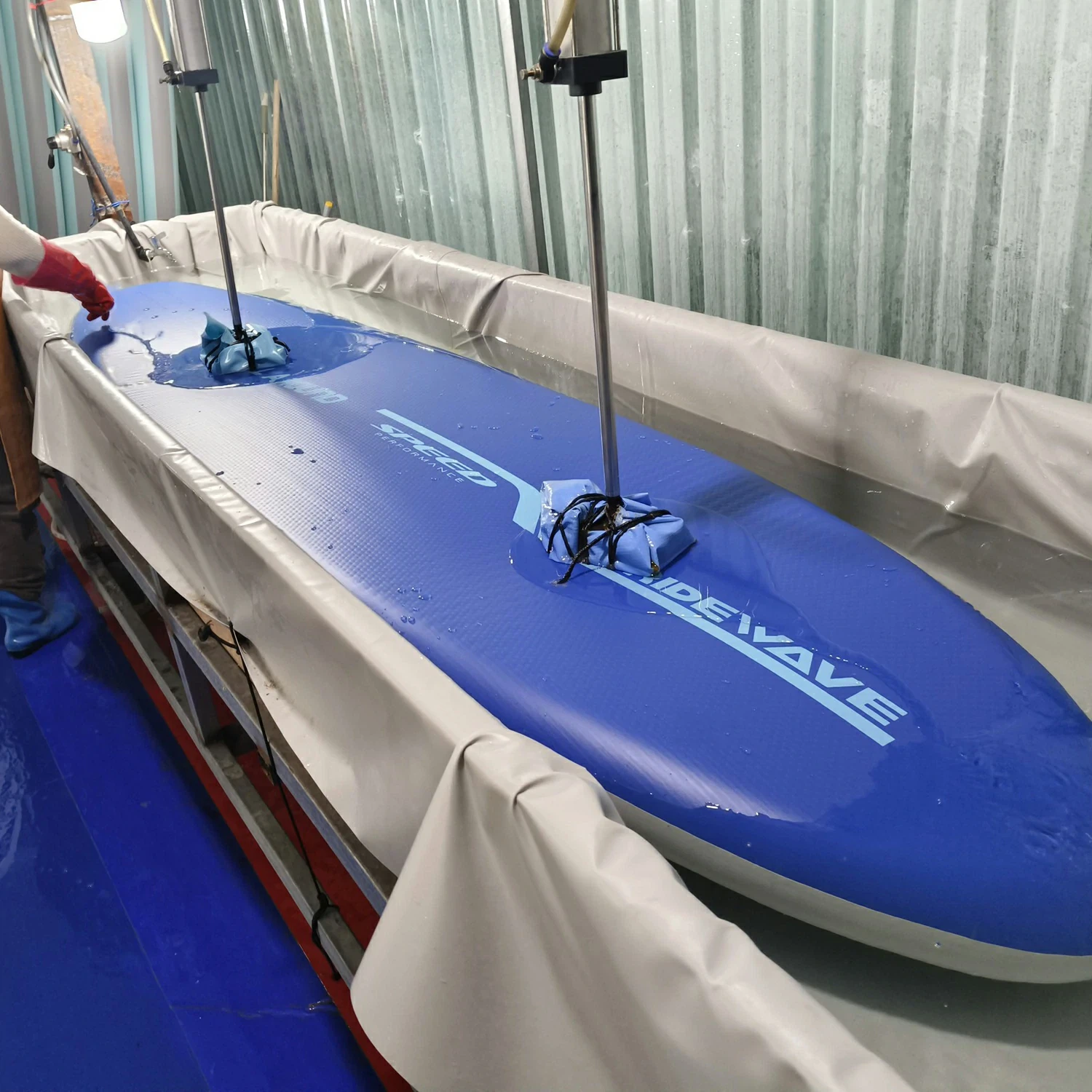
A critical, often overlooked metric is Air Retention in varying temperatures. Single Layer boards expand and contract significantly under the sun, leading to a higher risk of "blowing a seam." Ridewave's MSL Fusion technology utilizes heat-stable polymers that ensure the board maintains its shape and pressure even in the high-UV environments of Australia or the Mediterranean. For a distributor, this means fewer returns due to "deforming" during the peak summer season.
Economic Impact on Distributors: Why MSL Reduces After-Sales Overheads
For a SUP wholesaler or specialized sports retailer, the purchase price is only the beginning of the cost equation. The true profitability of a product line is determined by its "Total Cost of Ownership," which includes shipping efficiency, return rates, and customer lifetime value. In the global trade environment of 2026, MSL Fusion is not just a technical upgrade; it is a financial strategy.
Eliminating the "Defective Batch" Risk. One of the most significant hidden costs in the SUP industry is the high return rate associated with hand-glued or single-layer products. Seam leaks, air bubbles, and delamination often appear 3-6 months after purchase-usually when the end-consumer is in the middle of their summer season. By utilizing Ridewave's automated MSL process, we eliminate the variability of human craftsmanship, reducing the B2B defective rate to below 0.5%. For a distributor, this means fewer warehouse man-hours spent processing returns and less capital tied up in replacement inventory.
Shipping Efficiency and Brand Equity
The reduced weight of MSL technology directly impacts your logistics bottom line. As international freight rates fluctuate, the ability to fit more units into a container or reduce air-freight surcharges for "express stock" provides a significant competitive edge.
Logistics Savings: A 20% lighter board allows for more efficient pallet stacking and lower "Dimensional Weight" charges.
Retail Velocity: Consumers are increasingly willing to pay a 15-25% premium for boards labeled with "Fusion Technology." This allows distributors to maintain healthier margins even in a crowded market.
Repeat Business: A SUP that lasts 5+ seasons builds trust in your brand, leading to word-of-mouth referrals that are far more valuable than any paid advertisement.
At Ridewave, we don't just sell you a product; we provide a high-performance asset that protects your reputation in the North American and European markets.
Sustainability and Market Trends in 2026: Eco-conscious Manufacturing
As we move through 2026, the global SUP industry is facing a paradigm shift. Regulatory bodies in the European Union and North America are tightening "Extended Producer Responsibility" (EPR) laws, making distributors more accountable for the environmental impact of the products they sell. In this climate, the construction method of your SUP inventory is no longer just a performance metric-it is a compliance factor.
The "Clean Lamination" Advantage. Traditional double-layer SUP construction relies heavily on manual gluing, which involves the mass release of Volatile Organic Compounds (VOCs) and chemical solvents into the atmosphere. Ridewave's MSL Fusion technology significantly reduces the reliance on liquid adhesives. By using heat-fused mechanical bonding, we minimize chemical waste and provide a safer working environment. For international brand owners, partnering with an eco-conscious manufacturer like Ridewave simplifies the path to "Green Certification" and appeals to the growing demographic of eco-conscious paddlers in Oceania and Scandinavia.
Durability as a Form of Sustainability
The most sustainable product is the one that doesn't end up in a landfill after two seasons. The "disposable gear" era is ending. Distributors who prioritize Ridewave's MSL Fusion boards are effectively promoting a "Buy Less, Buy Better" philosophy.
Longevity in 2026: A board that lasts 5-7 years has a significantly lower carbon footprint than three single-layer boards that fail within the same timeframe.
Recyclability of High-Quality PVC: High-density, fusion-bonded materials are easier to process in modern recycling facilities compared to glue-saturated composite materials.
Brand Alignment: Aligning your brand with sustainable manufacturing practices is the most effective way to secure high-value contracts with corporate rental fleets and eco-resorts.
Global Logistics & Compliance: Navigating Standards in North America & Europe
For an international SUP distributor, importing goods involves more than just selecting a product; it requires navigating a complex web of regional safety standards and logistics constraints. In 2026, compliance is the ultimate gatekeeper for market entry. At Ridewave, our manufacturing processes are pre-aligned with the most stringent global requirements to ensure your shipments clear customs without delay.
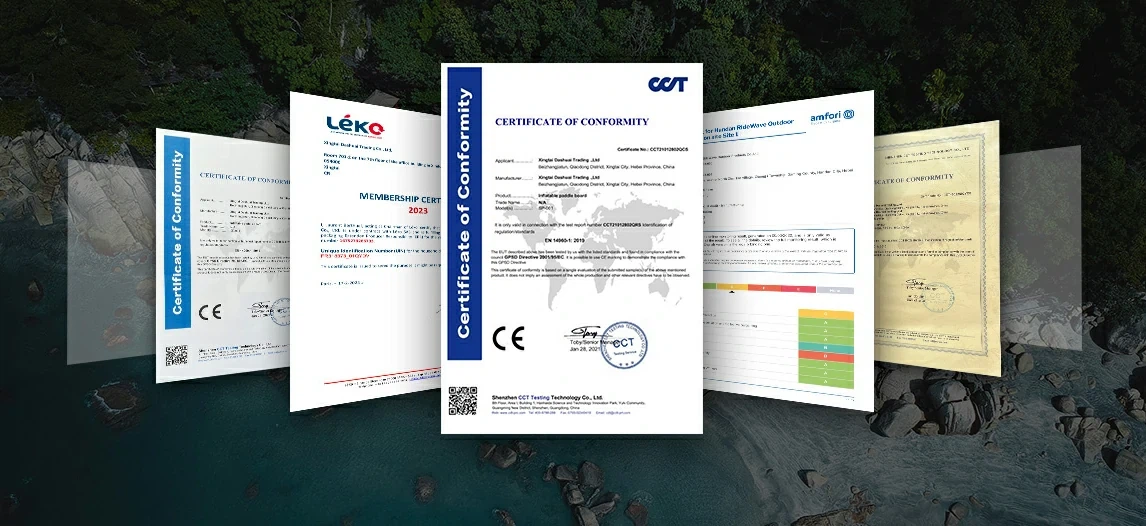
Safety Standards & Certifications. Whether you are distributing in the United States or Germany, your inventory must meet specific mechanical and chemical safety criteria.
-
ISO 6185 & EN ISO 25649: These are the primary benchmarks for inflatable watercraft and floating leisure items in Europe. Ridewave's MSL Fusion boards are tested for buoyancy, airtightness, and structural integrity under these specific standards.
-
REACH & Proposition 65: For the European and Californian markets, the chemical composition of the PVC and EVA traction pads is critical. Our materials are certified to be free from harmful phthalates and heavy metals, protecting your brand from legal liabilities.
Logistic Optimization: Maximizing Your ROI
Efficient logistics is where a distributor's profit is often won or lost. The lightweight nature of MSL technology directly translates to lower "Landed Costs."
Container Utilization: Due to the precision folding capabilities of our fusion material, Ridewave packages are optimized for 20ft and 40ft HQ containers. We can typically fit up to 450-500 units in a 40HQ, depending on the accessory package, maximizing your freight investment.
Packaging Durability: Our B2B export packaging utilizes 7-layer reinforced corrugated boxes to ensure that even after weeks at sea, the product arrives in "Retail Ready" condition.
Real-time Tracking: For our global partners, we provide integrated logistics support, offering transparency from our factory gates in Xingtai to your regional distribution centers.
How Ridewave MSL Boards Outperform in Extreme Conditions
Technical specs on a datasheet are one thing; real-world performance in the hands of a demanding customer is another. To help our B2B partners understand the market resilience of Ridewave's MSL Fusion technology, we analyzed the performance of our boards across diverse global environments-from the high-UV coastlines of Australia to the icy alpine lakes of Switzerland.
The Thermal Expansion Test: Mediterranean Heat Waves. In Southern Europe, paddle boards are often left inflated on hot sand or rooftop racks, where temperatures can exceed 45°C (113°F). Standard Single Layer boards often suffer from "hernias" or seam bursts under these conditions. However, Ridewave's MSL Fusion utilizes a cross-linked polymer bonding process that maintains structural stability at higher internal pressures. Our case studies show that Ridewave boards maintain their rocker profile and airtightness 40% more effectively than traditional glued boards in high-heat scenarios.
Institutional Reliability: The Rental Fleet Standard
For distributors targeting the "Institutional" market-such as high-end resorts, outdoor schools, and rental fleets-longevity is the primary KPI. A SUP rental business measures success by the number of "rental hours" a board provides before replacement.
Impact Resistance: In a 12-month trial with a Scandinavian outdoor center, Ridewave MSL boards showed 30% fewer punctures from rocky shorelines compared to budget alternatives.
The "Zero-Leak" Milestone: Across a fleet of 200 boards, the seasonal maintenance requirement was reduced by 60%, allowing the operator to focus on revenue rather than repairs.
Resale Value: Because MSL technology resists UV-induced fading and skin wrinkling, these boards maintain a higher "residual value" for the secondary market, a major selling point for B2B fleet buyers.
Making the Strategic Choice for Your Brand Portfolio
The global SUP industry has moved beyond the era of generic production. Today, the success of a distributor or a private label brand depends on the ability to offer products that combine innovation, durability, and commercial viability. As we have analyzed, while single-layer construction may offer a low-cost entry point for the casual market, it often carries long-term risks that can erode brand equity and profitability.
Investing in the Future of Water Sports. Choosing MSL Fusion technology is more than a technical preference; it is a commitment to quality that resonates with the modern "Pro-sumer." For wholesalers in North America, Europe, and Oceania, the shift toward MSL is a proactive move to reduce after-sales overheads, satisfy tightening environmental regulations, and provide a superior paddling experience that secures customer loyalty.
Partnering with Ridewave: Your Gateway to Premium iSUP Manufacturing
At Ridewave, we understand that our success is inextricably linked to the success of our global partners. By choosing us as your manufacturing source, you gain access to:
-
Leading-edge MSL Fusion Infrastructure: Precision-engineered boards that set you apart from the competition.
-
Ready-Stock Reliability: With 5,000 units in stock for April delivery, we ensure your seasonal demand is met without the stress of production delays.
-
Expert B2B Support: From SEO-ready marketing materials to localized logistics compliance, we provide the tools you need to scale your business in 2026.
As you plan your inventory for the upcoming season, consider the long-term impact of your construction choices. We invite distributors and brand owners to reach out for a technical consultation and discover how Ridewave can elevate your outdoor product portfolio.