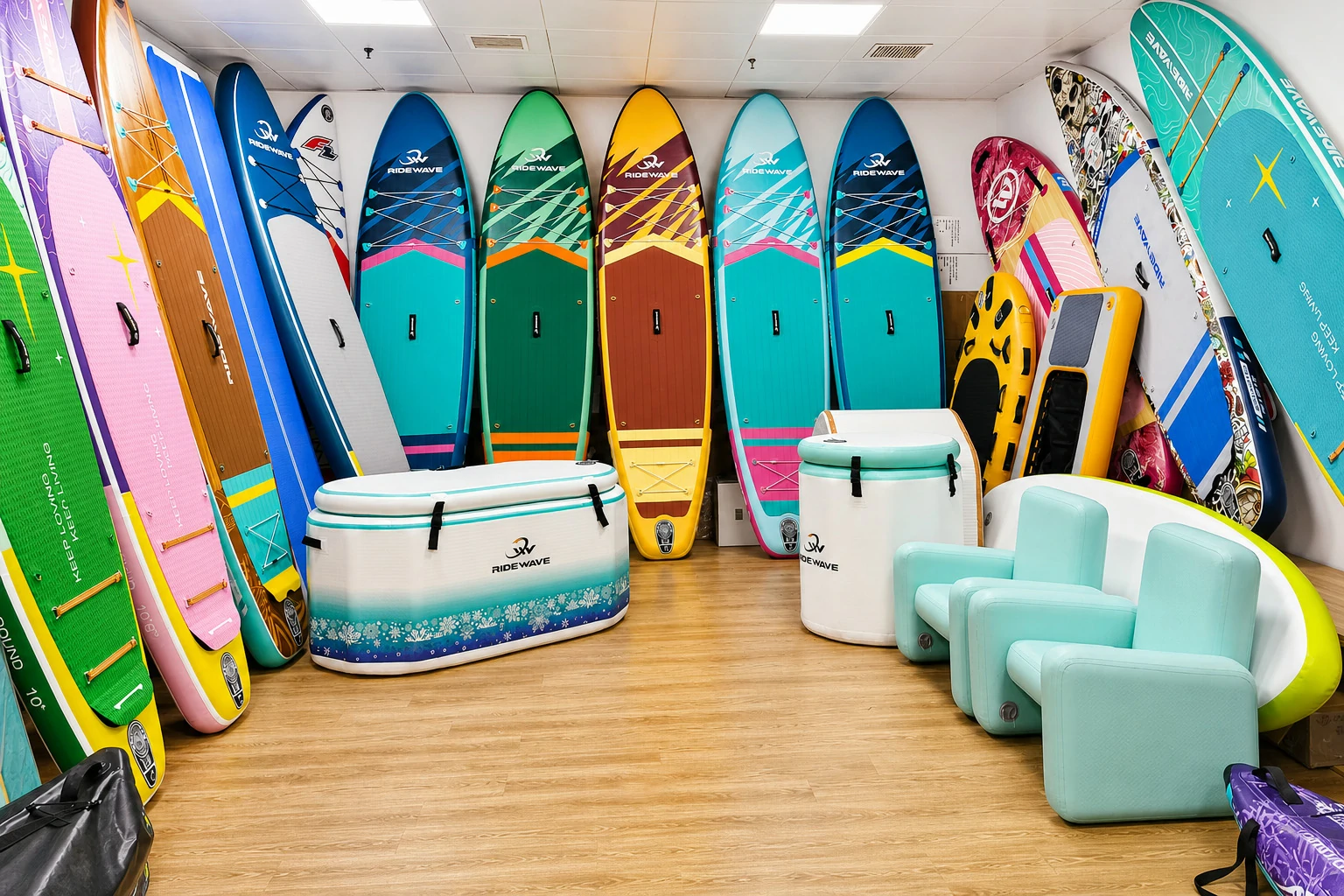

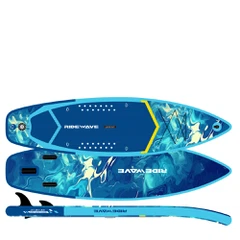
In the rapidly growing world of water sports, inflatable stand-up paddle boards (SUPs) have become a cornerstone product for global distributors and brands. From recreational users to professionals, the demand for portable, durable, and versatile SUPs continues to soar. However, for businesses sourcing these products, the journey from concept to delivery often involves complex challenges-from ensuring quality and performance to managing supply chain logistics and communication with manufacturers.
Whether you are a brand expanding your paddle board lineup, an importer exploring new suppliers, or a startup entering the outdoor sports market, understanding the key challenges in sourcing inflatable SUPs is essential. In this article, we'll explore the top five obstacles businesses face and provide practical strategies to overcome them-empowering you to build a reliable, profitable, and reputable SUP brand.
1. Challenge One: Finding a Reliable and Experienced Manufacturer
One of the biggest hurdles in sourcing inflatable paddle boards is identifying a trustworthy, capable manufacturing partner. The global SUP market is flooded with suppliers-many of whom offer attractive prices but lack consistent quality control or long-term reliability. Choosing the wrong partner can lead to delayed production, poor craftsmanship, or damaged brand reputation.
Common Issues:
- Inconsistent product quality and finishing
- Limited OEM/ODM customization options
- Unclear communication or delayed responses
- Lack of certifications (e.g., CE, SGS, ISO, BSCI, amfori)
- Inflexible minimum order quantities (MOQs)
How to Overcome It:
- Start by evaluating the manufacturer's production experience and specialization. A company like Ridewave, with 15+ years in SUP manufacturing, offers deep industry knowledge, advanced drop-stitch technology, and verified global certifications that ensure reliability.
- When screening potential partners:
- Request factory audit reports, sample boards, and material specs.
- Check for OEM/ODM experience-can they customize designs, branding, or accessories?
- Verify their export experience and logistics capabilities.
- Look for transparent quality control systems and after-sales support.
A reliable supplier is more than a factory-they are a strategic partner who understands your brand's vision, helps optimize designs, and ensures consistent product excellence.
2. Challenge Two: Managing Quality Control and Material Standards
Even after selecting a manufacturer, ensuring consistent quality remains one of the toughest challenges in SUP sourcing. Inflatable paddle boards are highly technical products that rely on precision materials and construction techniques, such as drop-stitch technology, multi-layer PVC lamination, and reinforced seams. Any flaw in material or assembly can lead to product failure, leakage, or reduced durability.
Common Quality Risks:
- Weak seams or inconsistent heat fusion
- Low-quality PVC layers prone to delamination
- Unstable drop-stitch density
- Air valve leaks or poor pressure retention
- Uneven deck pads or poor cosmetic finish
How to Overcome It:
- Choose suppliers with strict quality assurance systems and in-house testing facilities. For example, Ridewave applies multi-phase inspection during every stage:
- Incoming material check: verifying drop-stitch fabric density and PVC quality.
- Assembly control: monitoring bonding temperatures and alignment precision.
- Inflation tests: pressure holding for 48 hours to ensure airtight performance.
- Final inspection: verifying aesthetics, accessories, and packaging.
Additionally, define your quality standards contractually-include tolerances, testing protocols, and acceptance criteria in the purchase agreement. Brands should also request sample approvals before mass production and third-party inspections when necessary.
A well-documented quality control process prevents costly returns, builds customer trust, and ensures your brand delivers consistent excellence on every paddle board.

3. Challenge Three: Balancing Cost and Value
Cost is a decisive factor in SUP sourcing-but focusing solely on price often leads to compromised performance and brand reputation. The cheapest board might not meet the durability, stiffness, or safety standards required for real-world use. Conversely, overpaying for minor upgrades can weaken profit margins.
Common Cost-Related Problems:
- Hidden costs in packaging, shipping, or mold development
- Miscommunication on material grade or accessory inclusions
- Overestimation of consumer price tolerance
- Lower quality disguised as "premium" offers
How to Overcome It:
- The key is to find the optimal balance between cost and value. Instead of chasing the lowest price, focus on long-term ROI (Return on Investment) through superior quality and customer satisfaction. Reliable factories like Ridewave provide transparent quotations with detailed breakdowns for materials, accessories, and optional upgrades.
- To optimize costs without sacrificing quality:
- Compare different material configurations (single-layer, double-layer, fusion tech).
- Adjust board dimensions to reduce drop-stitch usage where unnecessary.
- Use standardized accessories to streamline production.
- Plan bulk orders and long-term cooperation for better pricing.
When brands treat their suppliers as strategic partners, they can collaboratively design SUPs that meet target market price points while maintaining performance excellence.
4. Challenge Four: Customization and Brand Differentiation
In a competitive global market, many paddle boards look alike. To stand out, brands must invest in customization and design innovation-but turning creative concepts into production-ready products can be challenging. Manufacturers vary in their ability to execute detailed customization such as graphics, textures, accessories, or eco-friendly materials.
Common Customization Challenges:
- Limited design flexibility or mold constraints
- Inconsistent color printing and graphic application
- Difficulty aligning product design with brand identity
- Long sampling cycles or setup costs
How to Overcome It:
- Working with an OEM/ODM-capable factory like Ridewave ensures that every element-from shape and size to color, logo, and deck pad pattern-can be tailored to your brand's needs.
- Modern factories use CNC shaping tools, digital printing, and precision lamination systems to deliver accurate, high-quality custom results. With expert guidance from in-house design teams, you can co-develop products that capture your target audience's imagination.
- Customization options may include:
- Shape and volume: Touring, all-around, yoga, or racing SUPs
- Deck pad styles: EVA diamond, brushed groove, or two-tone comfort grip
- Brand graphics: full-surface printing or minimalist logos
- Accessory integration: camera mounts, D-rings, or bungee storage areas
By leveraging OEM/ODM capabilities, brands not only differentiate visually but also improve performance and user satisfaction, creating stronger emotional connections with customers.
5. Challenge Five: Logistics, Delivery, and After-Sales Coordination
Sourcing doesn't end when the boards leave the factory. Global logistics and after-sales coordination are vital to ensuring a smooth supply chain. Many importers underestimate the complexity of international shipping-especially when dealing with oversized or air-pressurized products like SUPs.
Common Logistics and Service Issues:
- Delayed shipments or customs complications
- Inadequate packaging leading to product damage
- Mismanagement of warranty or spare parts supply
- Lack of clear after-sales communication
How to Overcome It:
Collaborate with suppliers experienced in international trade and freight forwarding. Established factories like Ridewave provide end-to-end logistics support, from packaging optimization to customs documentation.
Effective packaging design-using multi-layer protection, reinforced cartons, and moisture barriers-ensures the boards arrive in pristine condition. In addition, factories should provide traceable shipping schedules, regular updates, and post-delivery assistance.
After-sales coordination is equally important. Suppliers who offer repair kits, spare parts, and warranty support demonstrate long-term commitment to their partners. When a brand has a responsive factory behind it, customers receive faster service and stronger trust in the brand's reliability.
Conclusion: Building a Sustainable SUP Supply Chain
The journey of sourcing inflatable paddle boards is filled with opportunities-but also potential pitfalls. By understanding and addressing these five key challenges-manufacturer reliability, quality control, cost balance, customization, and logistics-brands can secure a strong foundation for long-term success.
Partnering with an experienced OEM/ODM SUP manufacturer like Ridewave transforms sourcing from a transactional process into a collaborative strategy. With advanced production technology, global logistics expertise, and deep industry insight, Ridewave empowers brands to create high-performance, visually distinctive, and durable paddle boards that stand out in a competitive market.
A successful SUP sourcing strategy is not just about finding a supplier-it's about finding a partner who shares your vision, values, and commitment to quality. When executed correctly, sourcing becomes a growth driver, helping your brand thrive in both performance and profitability.