
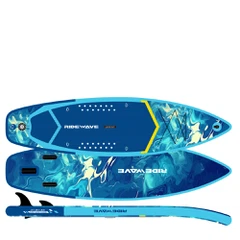
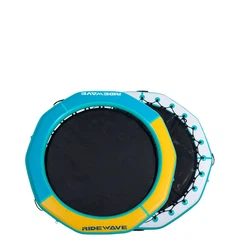
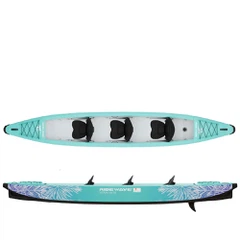
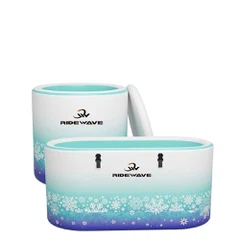
In 2025, the stand-up paddle board (SUP) market is more sophisticated, segmented, and visually and technically demanding than ever before. Distributors, retailers, and private-label brands are no longer satisfied with off-the-shelf paddle boards-they want products that reflect identity, performance, and the lifestyle of their customers. If your brand is aiming to stand out in the sea of competitors, embracing custom options through OEM/ODM services is the pathway to long-term differentiation.
Below are the top 7 custom options that are trending strongly in 2025, which can help you build a unique SUP brand: from shape and materials to packaging, graphics, accessories, and more. By integrating these features, your inflatable SUPs will not only meet technical expectations but also appeal visually, emotionally, and ethically to modern buyers-and make your brand more memorable, reliable, and profitable.
1. Custom Shapes, Sizes, and Dimensions
One of the first things consumers notice-and often the most technically impactful-is the shape, size, and dimension of the board. Whether it's an all-round board, a touring SUP, a racing SUP, or a hybrid SUP/kayak combo, the exact length, width, thickness, nose and tail profile, rocker line, and tail shape matter.
- Length: Longer boards (12′-14′+) glide more efficiently, track better, and are ideal for racing or long touring. But longer boards are less portable. Shorter boards are easier to transport and maneuver, appealing for casual paddlers, surfers, or families. OEM/ODM customization allows brands to define board lengths precisely tailored to their target markets.
- Width & Thickness: Wider boards improve stability, helpful for yoga, fishing, or beginners. Thicker boards allow better buoyancy and weight capacity. However, too much width or thickness hurts speed and portability. Through OEM partnership, you can fine-tune the drop-stitch density, internal reinforcements, and PVC layering to balance rigidity with portability.
- Nose & Tail Profiles: A pointed nose helps with slicing through water and improves speed for touring/racing boards. A rounded nose helps in flatwater stability and ease of turning. Similarly, tail shape (square, swallow, round) influences maneuverability. Your OEM or ODM factory should have the capability to prototype different nose and tail designs.
- Hybrid Models & Versatility: Boards that combine SUP and kayak functions-detachable kayak seats, footrests, paddle holders-are gaining attention. Offering hybrid shapes needs additional custom D-rings, reinforcements, and strong mounting points.
By offering a range of custom shapes and dimensions (even low MOQ for custom sizes), your brand demonstrates technical competence and gives customers products built for their actual use case-not generic "one size fits all" boards.

2. Material Upgrades & Eco-Friendly Construction
Material choice is central to both performance and brand positioning. An inflatable paddle board's materials determine how stiff, durable, heavy, or eco-friendly it is. The right material upgrades can elevate a board from "just acceptable" to "premium, high value".
- Drop-stitch core variations: Different densities of drop-stitch cores give varying levels of stiffness when inflated. Higher stitch count will increase rigidity but also increases cost and sometimes weight. Customization allows brands to choose stitch counts that suit their target market: lighter for travel boards, stiffer for racing or performance boards.
- Multi-layer PVC / fusion construction: Standard single-layer PVC is cost-effective but less durable. Double or fusion drop-stitch boards reduce weight while increasing durability and deformation resistance. Heat-bonded seams, heat-welded rails, reinforced stringers-all are material upgrades brands can request.
- Eco-material options: In 2025, sustainability is not optional. Recycled PVC, bio-based materials, solvent-free adhesives, eco-friendly deck pad EVA foams are increasingly demanded. Many OEM/ODM manufacturers (including Ridewave) provide "green series" options to align with environmental standards. Such eco-upgrades often cost a bit more but are a strong selling point in many markets, especially Europe and North America.
- Accessory and component materials: Not just the board-fins, valves, handles, pumps matter. Carbon or fiberglass reinforced fins, corrosion-resistant valves, stainless or aluminum hardware, robust high-pressure pumps. These small upgrades affect durability, function, and user satisfaction.
By selecting higher quality materials and offering eco-friendly construction, your brand elevates both performance and perception. It allows premium pricing and appeals to buyers who care about both "how it works" and "how it's made".

3. Custom Graphics, Color Schemes & Branding
Visual appearance is what often makes the first impression-and can heavily influence purchasing decisions, especially in online catalogs or social media environments. In 2025, custom graphics, bold color palettes, and brand-aligned visual branding are more important than ever.
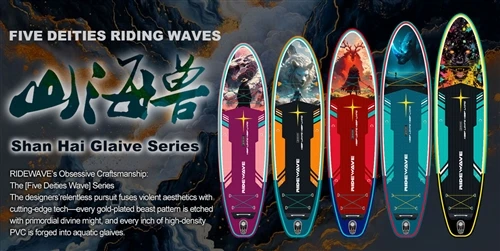
- Full deck graphics & sidewall branding: Brands are choosing full-surface artwork, gradient color fades, or striking patterns (e.g., nature-inspired, abstract, minimalistic). Sidewall embossing or raised branding also adds premium feel. OEM/ODM suppliers should support techniques like digital sublimation printing, UV printing, heat transfer, or silk-screening.
- Custom color matching: Matching EVA deck pad, rails, handle colors, strap colors, bungee cords, and accessories helps create a cohesive product line. Monochrome, accent color combinations, or dual tone color blocking are trends.
- Limited editions & regional themes: Some brands release limited edition graphics tied to local landscapes, seasons, or cultural motifs. For example, designs featuring Scandinavian art for Nordic markets, Mediterranean colors for Southern Europe. These regional graphics appeal to local pride and help differentiate from "imported generic" boards.
- Logo placement & texture: Raised logos, debossed textures, textured EVA pads with logos, or custom handles with brand embossing. The logo doesn't just appear visually-it can be felt, which adds to perceived value.
Customization in graphics and branding is a powerful tool to: improve visuals, increase perceived value, help in marketing, and support storytelling. Pair these with high visibility in product images and marketing to create a strong brand identity.
4. Deck Pad Configuration & Comfort Enhancements
User comfort matters enormously. How the board feels under your feet-grip, texture, shape, cushioning-can distinguish your SUP brand, drive customer satisfaction, reduce returns, and encourage brand loyalty.
- Deck pad styles & materials: EVA deck pads are standard, but there are many variants: diamond groove, brushed groove, two-tone contrast, arch-bar, kick pad, raised texture zones. Different textures provide better grip in surf or wet conditions. Cushioning and soft EVA for yoga users.
- Full-deck pads vs partial: Some boards cover the full deck; others leave space at nose or tail for gear or reduce weight. Partial pads give a "cleaner" look but may reduce grip or comfort. Brand options can include removable pads or custom cut design.
- Foot grip zones, grooves & pressure relief: Grooved texture helps channel water away, improve traction. Arch bar (raised center strip) helps foot positioning. Kick pad at tail helps for turns. These stay especially relevant for performance, surfing, or turning boards.
- Grip under wet conditions & UV resistance: EVA foams degrade under UV and over time; pad thickness and quality impact durability. Also consider pad adhesives or bonding methods-some OEMs provide stronger adhesives or heat-bonded pads to reduce peels.
By offering customized deck pad configurations, you not only improve comfort and safety but also allow your customers to choose based on actual use (yoga, surfing, fishing, cruise, etc.). For rental businesses or seasonal use, durability of deck pads is a big factor.

5. Accessories: Bundles, Functional Add-Ons & Tech Integration
Bundle offerings and functional accessories are increasingly important in elevating your brand and increasing order value. In 2025, many customers expect a complete package-not just the board.
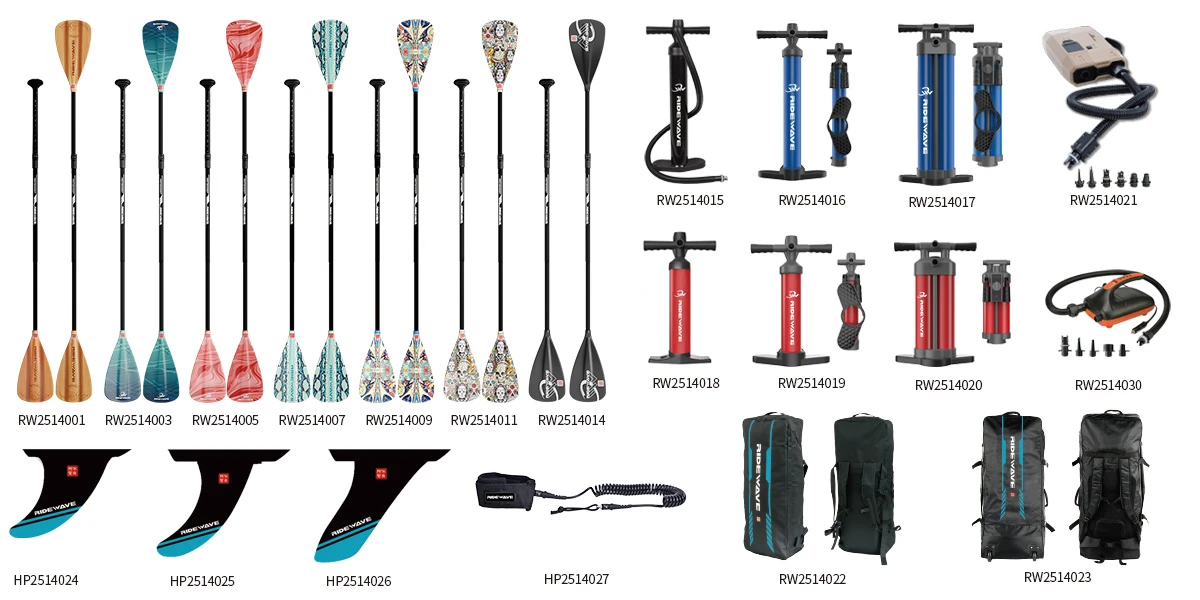
- Full package kits: Board + lightweight adjustable paddle + double-action pump + coil leash + travel backpack + repair kit + optional waterproof dry bag. Bundles reduce friction (customer gets all needed gear in one purchase) and improve perceived value. According to Ridewave's data, full kits are selling significantly better than board-only offerings. RideWave
- Functional add-ons: Keel or fin upgrades, kayak seat mounts, mounting rails (for camera or fishing rod), footrests for hybrid SUPs, storage bungees, D-rings. These add utility and allow your SUP brand to serve niches (fishing, family fun, photography, exploration).
- Tech integration: Mounts for GoPro or action cameras, waterproof phone pockets, solar-powered USB ports, GPS trackers. Younger and adventure-oriented paddlers want tech compatibility. These features can be customized during OEM manufacturing.
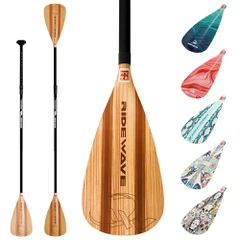
- Accessory aesthetics & matching: Color matching of paddle, leash, bag, fins-to maintain brand consistency. Custom paddle graphics, matching accessories help with brand image.
Accessory customization also helps with margins: accessories often have higher margin, and bundling helps increase average order value. For distributors or private-label brands, offering comprehensive bundle options can create differentiation and reduce customer complaints ("I bought the board but no pump/leash").
6. Packaging, Manuals, and Post-Purchase Touchpoints
How your product is packaged and what happens after a customer receives the SUP is as important as the board design itself. For many buyers, first impressions (unboxing), usage instructions, and support determine whether they become repeat customers.
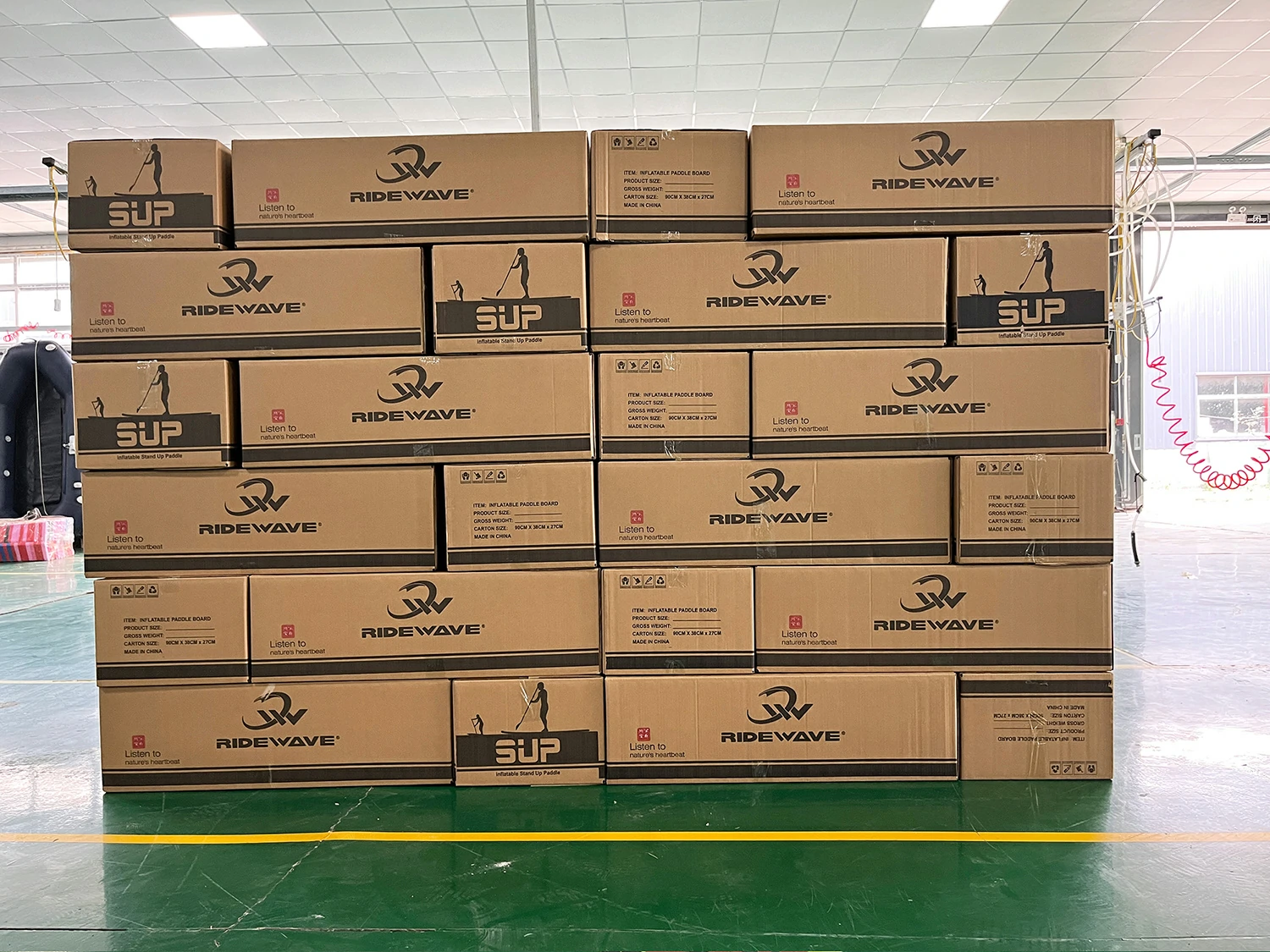
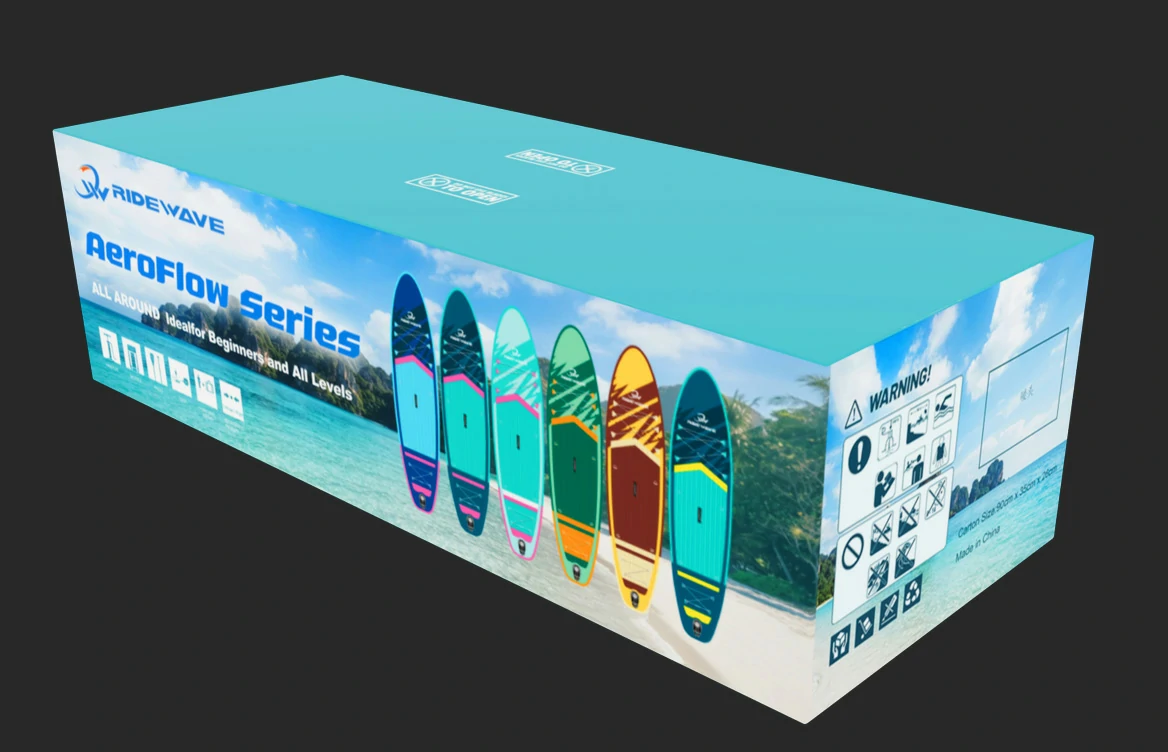
- Custom Packaging Design: Package boxes with your brand graphics, color scheme, logos, and perhaps minimal design or premium touches. Eco-boxes, recyclable materials, inner protection to avoid damage during shipping. Packaging should reflect the quality of the board inside.
- User Manuals and Guides: Brand-branded manuals or quick-start guides; QR codes linking to assembly videos, inflation instructions, storage tips, safety guidelines. Helps reduce misuse, complaints, and product damage.
- Warranty, Repair Kits, Spare Parts: Including custom repair kits (patches, adhesives) and optional spare parts (valve replacements, fin boxes) adds value. Offering a clear warranty policy branded with your company's name helps build trust.
- Customer Support & Care: After-sales service branded under your company (even if fulfilled with the help of the manufacturer). Email, online help, video support. Feedback loop to gather customer reviews, and show brand cares about quality and user experience.
- Unboxing & Brand Experience: Many buyers share their unboxing on social media. Premium touches-nice packaging, protective wrapping, accessories arranged in branded bags-add emotional value and help with word-of-mouth and social media exposure.
7. Pricing Strategies, Low MOQ, and Market Fit Customization
Even with the best design and features, a brand must ensure its product and pricing strategy fit the target market. Custom options must align with what customers are willing to pay, and brand entry options matter for retailers and smaller brands.
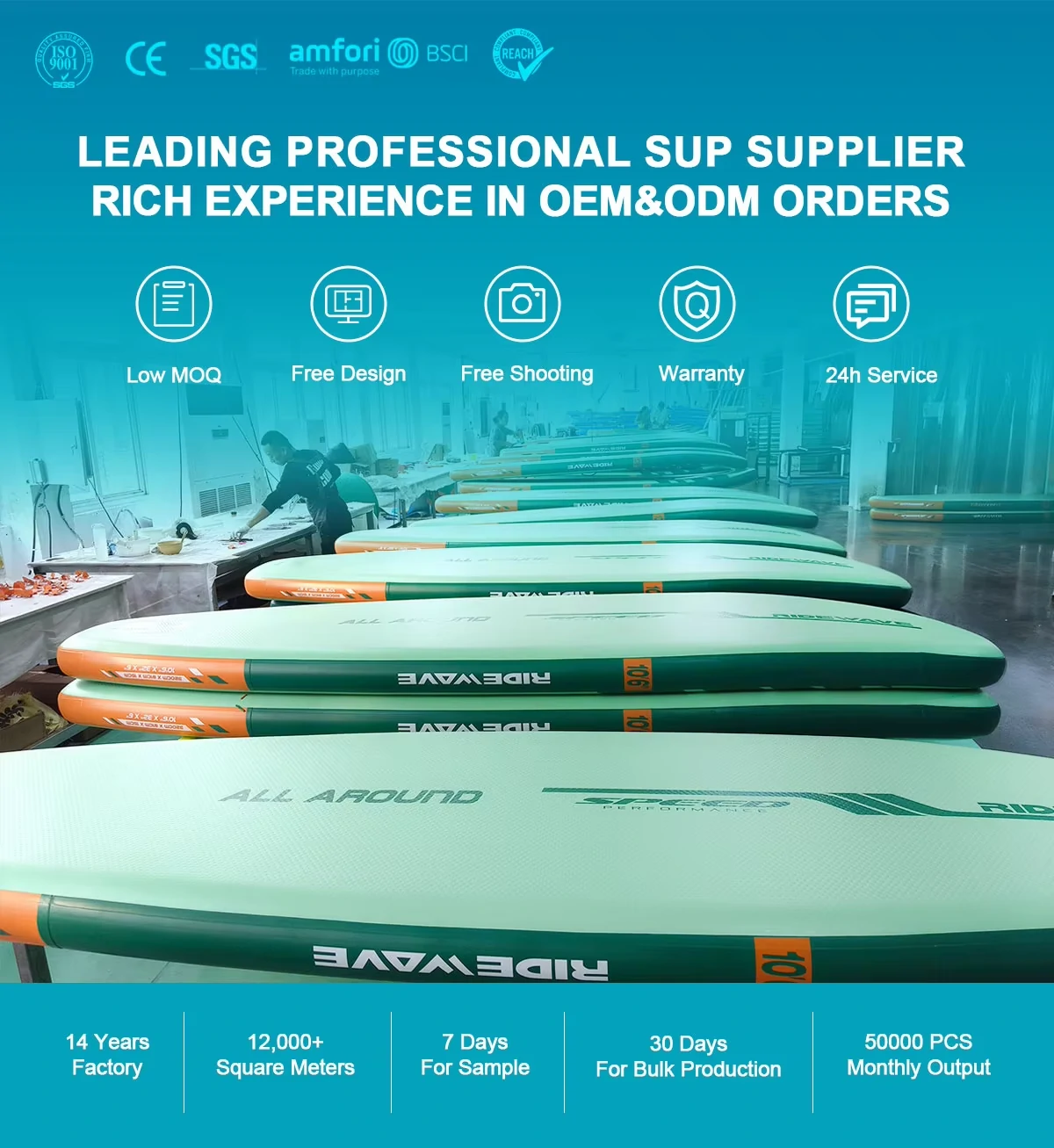
- Low MOQ (Minimum Order Quantities): Brands breaking into new markets or testing product demand require low MOQ options from OEM/ODM factories. Being forced to commit hundreds of units when you're uncertain can be risky. OEM partners that offer flexible MOQs help new brands trial product lines with less risk.
- Tiered Pricing & Bundles: Offering basic, mid-, and premium versions of board with different custom options (graphics, accessories, material upgrades) lets brands hit different price points. For example: Standard board vs "Pro" board vs "Eco-premium" board.
- Cost Transparency: Brands should get cost breakdowns for each custom option (material, printing, fin configuration, accessories, packaging). Helps with pricing, margin planning, and customer communication.
- Localization & Market Fit: Custom options for different regions-color preferences, graphics themes, local regulations (safety certifications), export logistics. For example, European markets might demand CE certification, certain color styles, or eco-friendly packaging. Brands that adapt their SUP products per market have an edge.
- Value Perception & Branding: Just adding custom options is not enough; they must be communicated well in marketing and pricing. Emphasize what customers get: durability, personalization, better materials. Effective branding turns custom-feature costs into perceived premium.
Conclusion
The SUP marketplace in 2025 demands more than generic boards. Brands that embrace and implement these seven custom options-custom shapes/dimensions, material and construction upgrades, graphics and branding, comfort enhancements (deck pads etc.), accessory bundles and tech integration, packaging & post-purchase experience, and smart pricing/market fit-position themselves ahead of the competition.
Working with an experienced OEM/ODM partner who can deliver these options reliably (such as Ridewave) ensures that your brand does not merely follow trends-it helps set them. Customization is not a luxury-it's a powerful lever for differentiation, increased perceived value, customer loyalty, and sustainable growth.
If your brand is ready to elevate its SUP line, consider which custom options resonate most with your target audience, source a partner with proven capabilities, and deliver boards that not only look great and perform well-but also tell a compelling brand story.
- Future of SUP: Innovation, Sustainability & New Market Opportunities
- B2B Sales Models in the SUP Industry: OEM, ODM & Private Label Explained
- Global SUP Market Analysis 2025–2030: Trends, Data & Country Reports
- Beginner's Guide: How to Stand Up Paddle Board with Confidence
- Top Manufacturing Technologies in Inflatable Paddle Boards Explained