

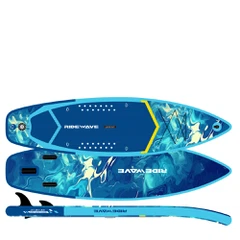
Introduction: Turning Ideas into Market-Ready Paddle Boards
In the competitive world of water sports, every successful inflatable stand-up paddle board (SUP) brand starts with one powerful idea - to create a board that combines performance, durability, and aesthetics. But between that first spark of inspiration and the final delivery of finished products to warehouses or retailers lies a complex, highly coordinated process that determines the true quality of a brand.
Understanding how an inflatable SUP order evolves from concept to completion is crucial for any B2B buyer or brand owner. It reveals the hidden value of a professional manufacturing partner - one that ensures every step, from design to packaging, meets international standards and market expectations.
This is the journey every inflatable SUP order takes - a transparent look into design, production, and delivery that defines long-term success in the paddle board industry.
Step 1 - Concept & Design: Transforming Your Vision into Reality
Every great product starts with a vision. In the case of inflatable SUPs, that vision often includes performance goals, target user profiles, and branding aesthetics. The design phase is where your ideas take tangible form.
Collaborative Design Communication
The process usually begins with detailed communication between the brand and the manufacturer. B2B buyers provide specifications such as:
- Board size and shape (length, width, thickness)
- Target use (all-around, touring, racing, yoga, or kids' SUPs)
- Custom color schemes and branding elements (logos, patterns, artwork)
- Deck pad layout and texture preferences (diamond, brushed, or crocodile EVA)
- Accessories and packaging style preferences
An experienced OEM manufacturer translates these requirements into technical drawings and 3D models. This digital prototype allows the buyer to visualize the product before any physical materials are used, ensuring that every design element aligns with the brand's vision.
Function Meets Aesthetics
Design isn't just about appearance - it's about how the board performs. Designers take hydrodynamic factors, stability, weight distribution, and stiffness into account. Tail shapes, rocker lines, and fin placements are optimized to balance speed and control.
By blending form and function, this stage guarantees that the paddle board doesn't just look good - it performs beautifully on the water.
Step 2 - Material Selection & Technology: Where Quality Begins
Once the design is approved, the next critical decision revolves around materials. The foundation of any inflatable SUP lies in its drop-stitch fabric, the internal core structure that gives the board its rigidity when inflated.
Core Materials: The Heart of Durability
High-density drop-stitch materials - typically 1000D or higher - provide structural strength. Each thread inside the board connects the top and bottom PVC layers, allowing the board to maintain its shape under pressure.
PVC Layers and Fusion Technology
Traditional SUPs use double-layer PVC lamination, but modern boards increasingly rely on fusion technology, which bonds layers together using heat and pressure instead of glue. This technique reduces overall weight while enhancing stiffness and long-term durability - a key factor for brands aiming for a premium, lightweight feel.
Reinforcements and Finishing Layers
The rail bands, deck pad, and handle areas receive extra reinforcements. UV-resistant coatings, anti-slip EVA pads, and anti-abrasion seams all contribute to product longevity.
Selecting high-quality raw materials and advanced production technologies ensures the final SUP can withstand years of paddling in various conditions - saltwater, freshwater, or even high-altitude lakes.

Step 3 - Production & Quality Control: Crafting Every Detail
With the design finalized and materials sourced, production begins. This is the heart of the inflatable SUP journey - where precision, expertise, and technology come together.
Cutting and Printing
Each PVC panel is cut according to the approved templates. Then comes digital printing, where brand logos, patterns, and color gradients are applied. UV printing and silk-screening technologies are used to achieve vibrant, fade-resistant results.
Lamination and Heat Bonding
Next, multiple PVC layers are fused together using controlled heat and pressure. This process eliminates air gaps, creating a seamless and airtight bond. A professional manufacturer ensures every seam is perfectly aligned, which is vital for maintaining air pressure stability.
Assembly and Accessory Integration
Handles, D-rings, fin boxes, and valve systems are added during assembly. Every detail - from carrying handles to camera mounts - is positioned for functionality and comfort.
Inflation Testing and Final Inspection
Before packaging, each SUP undergoes a 72-hour inflation test. The board is pumped to its recommended PSI and left inflated to check for air leaks or deformation. Quality inspectors also test valve performance, surface adhesion, and overall finishing.
Batch and Serial Control
To ensure consistency, each batch receives a serial code. This traceability system helps both the supplier and the buyer maintain quality accountability for after-sales support or product improvement.
A well-run factory combines human expertise with automated precision - balancing speed, consistency, and craftsmanship.

Step 4 - Accessories & Packaging: Completing the Product Experience
A paddle board isn't complete without its essential accessories. For B2B buyers, offering a complete package adds value and convenience for retail customers.
Essential Accessories Included in Most SUP Kits:
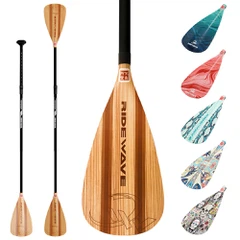
- Paddle: Adjustable aluminum or carbon paddles tailored to brand requirements.
- Pump: High-pressure manual or electric pump, customized with brand logos.
- Backpack: Durable carry bag designed for easy transport and compact storage.
- Fins: Detachable center fins or side fins, depending on model type.
- Repair Kit: Includes PVC patches, valve wrench, and glue.
Manufacturers can fully customize these accessories to match brand color palettes, materials, and logos. Many brands also request eco-friendly packaging or premium packaging solutions for high-end markets.
Packaging Process
Each board is carefully deflated, folded, and packed into individual boxes or carry bags. Protective padding, desiccant packs, and QR-coded instruction manuals are added for a professional unboxing experience.
For wholesale orders, manufacturers often use master cartons and palletized loading to optimize shipping efficiency and minimize damage risk during transit.

Step 5 - Shipping & Logistics: Ensuring Safe Global Delivery
After production and packaging, the next challenge lies in logistics. For global buyers, understanding the shipping and delivery process is essential for managing inventory, seasonal launches, and cash flow.
Shipping Options
- Sea Freight: The most cost-effective method for large orders. Typical lead times range from 20–45 days depending on destination port.
- Air Freight: Faster but more expensive, suitable for urgent deliveries or smaller batches.
- Rail Freight (for Eurasian routes): A balance between cost and speed, ideal for shipments to Europe from China.
Order Lead Time Management
Manufacturers usually require 30–45 days for mass production after sample approval, though this varies based on order quantity and customization complexity. Reliable suppliers communicate transparently about production schedules and delivery updates to help buyers plan inventory cycles.
Documentation and Customs Support
A professional manufacturer assists with export documentation - including packing lists, commercial invoices, and certificates of origin - ensuring smooth customs clearance and compliance with local regulations.
Logistics Coordination
For many brands, the supplier also helps coordinate with forwarders, consolidate shipments, and ensure that packaging meets international safety standards.
Step 6 - After-Sales Support & Long-Term Partnership
The journey doesn't end at delivery. In B2B relationships, after-sales support defines long-term reliability and trust.
Warranty and Spare Parts Support
Top manufacturers offer warranties that cover material and workmanship defects. Having replacement parts (like valves or fins) available for reorder ensures brand consistency and customer satisfaction.
Continuous Improvement and Feedback Loops
Feedback from retailers and end-users helps improve future models. Suppliers value long-term clients by optimizing production efficiency, cost structures, and product designs over time.
Collaborative Growth
When both the buyer and manufacturer share a commitment to innovation and quality, they evolve together. The manufacturer becomes not just a supplier, but a strategic partner - one who helps scale production, develop new models, and strengthen brand reputation globally.
Conclusion: Why a Transparent Production Journey Builds Trust
In the global SUP market, success is no longer just about having an attractive design or competitive price - it's about trust, consistency, and professionalism across every stage of production.
From concept sketches and 3D modeling to raw material selection, precision manufacturing, and international logistics - each phase of the journey reflects the strength of the partnership between brand and manufacturer.
For brands seeking a long-term OEM/ODM partner, transparency and reliability are the cornerstones of growth. When you know exactly how your inflatable SUPs are designed, tested, and shipped, you gain the confidence to focus on marketing, brand building, and expanding into new markets.
Ridewave, as a professional inflatable SUP manufacturer, follows this complete "design-to-delivery" approach - ensuring that every board meets the highest standards of performance and durability.
If you're planning to launch your own paddle board line or scale existing production, now is the time to partner with a trusted OEM manufacturer who can turn your ideas into market-ready products.
- How To Evaluate An Inflatable SUP Manufacturer Before Placing Your First Order
- The Real Cost Breakdown of Inflatable Paddle Board Production
- How MOQ and Production Lead Time Affect Your Supply Chain Strategy
- OEM vs. ODM: Which Manufacturing Model Is Right for Your Brand