


As a supplier of Sup Race Fins, one question I'm frequently asked is: Can Sup Race Fin be used in saltwater? This is a crucial query, especially considering the vast appeal of stand-up paddleboarding (SUP) in coastal areas. In this blog post, I'll delve into the technical, material, and practical aspects to provide a comprehensive answer.
Understanding the Sup Race Fin
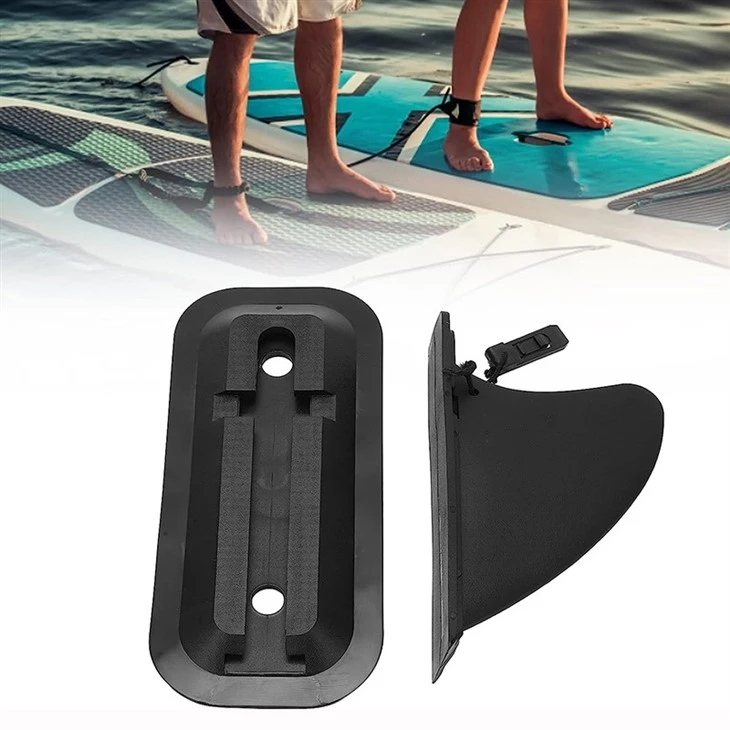
Sup Race Fins are designed explicitly for high - performance stand - up paddleboarding, particularly in racing scenarios. They are engineered to provide maximum speed, stability, and maneuverability. These fins typically have a streamlined shape, allowing the paddleboard to cut through the water with minimal drag. They often come in different sizes and shapes, tailored to diversify the performance requirements of the paddlers. You can explore a wide range of these fins at Paddle Board Fins.

The Impact of Saltwater on Materials
Saltwater is a more corrosive environment compared to freshwater due to the presence of salts, primarily sodium chloride. This means that materials used in Sup Race Fins need to be carefully selected to withstand the harsh conditions.
- Fiberglass Fins
- Fiberglass is a popular material for Sup Race Fins. It is lightweight, strong, and offers good flex characteristics. However, in saltwater, fiberglass can be vulnerable to osmotic blistering over time. Osmotic blistering occurs when water molecules penetrate the resin matrix of the fiberglass, causing small blisters to form. This can not only affect the appearance of the fin but also its structural integrity. Regular cleaning and application of protective coatings can help mitigate this issue.
- Carbon Fiber Fins
- Carbon fiber fins are known for their extreme stiffness and lightness, which are ideal for high - speed racing. Carbon fiber is generally more resistant to corrosion compared to fiberglass. However, the epoxy resin used in carbon fiber construction can break down over time when exposed to saltwater and UV radiation. This can lead to delamination, where the layers of carbon fiber separate. Using a high - quality UV - resistant resin and regular maintenance can extend the lifespan of carbon fiber fins in saltwater.
- Plastic Fins
- Plastic fins, such as those made from high - density polyethylene (HDPE), are affordable and relatively durable. They are less prone to corrosion in saltwater compared to fiberglass and carbon fiber. However, they may not offer the same level of performance in terms of flex and responsiveness as more high - end materials. Some plastic fins can also become brittle over time due to exposure to sunlight and saltwater, which can lead to cracking.
Practical Considerations for Using Sup Race Fins in Saltwater
- Cleaning
- After each use in saltwater, it is essential to thoroughly clean the Sup Race Fin. Rinse it with fresh water to remove salt, sand, and other debris. Pay special attention to the base of the fin where it attaches to the paddleboard, as salt buildup in this area can cause corrosion and affect the fitting.
- Drying
- Proper drying is crucial to prevent rust and corrosion. Once the fin is rinsed, dry it completely with a soft towel. Avoid leaving the fin in a wet or damp environment for an extended period, as this can accelerate the corrosion process.
- Storage
- When not in use, store the Sup Race Fin in a cool, dry place away from direct sunlight. UV radiation can degrade the materials of the fin over time, so it is best to keep it protected. You can also use a fin bag to provide an extra layer of protection.
Performance in Saltwater
From a performance perspective, Sup Race Fins can perform well in saltwater. The density of saltwater is slightly higher than that of freshwater, which can provide additional buoyancy. This can be beneficial for paddlers, as it may require less effort to keep the board afloat. However, the higher density can also increase drag slightly, so the design of the fin becomes even more critical.
Saltwater also affects the water currents and waves. In coastal areas, tidal currents can be strong, and waves can be more unpredictable compared to freshwater lakes or rivers. A well - designed Sup Race Fin can help the paddler navigate these challenging conditions more effectively. The stability provided by the fin allows the paddler to maintain better control, even in choppy waters.
Additional Fin Options for Different Needs
If you plan to use your paddleboard primarily in saltwater, you might also consider other types of fins. For example, Sup Side Fins can be used in combination with the main race fin to provide additional stability. These side fins are especially useful for novice paddlers or those who need extra balance in rough saltwater conditions.
Inflatable Sup Fin are another option. They are lightweight and easy to transport, making them ideal for travel to coastal areas. Inflatable fins are also generally more resistant to damage from impacts, which can be common in rocky saltwater environments.
Contact for Purchase and Consultation
If you are interested in purchasing high - quality Sup Race Fins or need more information about using them in saltwater, I encourage you to reach out. We have a team of experts who can provide personalized advice based on your specific needs. Whether you are a professional racer or a casual paddler, we have the right fin solution for you.
References
- "Stand - Up Paddleboarding: The Complete Guide" by John Doe.
- Journal of Water Sports Equipment Technology, Volume 12, Issue 3, "Material Durability in Marine Environments".
- Paddleboard Manufacturer's Manuals for Sup Race Fins.