







Transporting a SUP paddle might seem like a no - brainer, but there are actually quite a few things to consider to ensure your paddle stays in top - notch condition. As a SUP paddle supplier, I've seen it all when it comes to paddle transportation, and I'm here to share some tips and tricks.
Why Proper Transportation Matters
First off, let's talk about why it's so important to transport your SUP paddle correctly. A SUP paddle is not just a simple piece of equipment; it's an investment. Whether you've got an Aluminium Sup Paddle, a Kayak Double Paddle, or an Adjustable Paddle Board Paddle, you want to make sure it doesn't get damaged during transit.
If a paddle gets bent, cracked, or chipped, it can affect its performance. You might notice a difference in your stroke efficiency, and in the worst - case scenario, you could end up having to replace the paddle altogether. So, taking the time to transport your paddle properly is definitely worth it.
Types of SUP Paddles and Their Transport Needs
Aluminium Sup Paddles
Aluminium paddles are popular because they're relatively lightweight and durable. But they can still get dented or scratched if not transported carefully. One of the best ways to transport an aluminium paddle is in a paddle sleeve. These sleeves are usually made of a soft, protective material that cushions the paddle and prevents it from getting banged around. You can find them in different sizes to fit your specific paddle.
If you don't have a paddle sleeve, you can also use a towel or a piece of foam to wrap the paddle. Just make sure it's secured tightly so it doesn't move around. And when you're putting the paddle in your vehicle, try to place it in a spot where it won't get crushed by other items.
Kayak Double Paddles
Kayak double paddles are a bit different from single SUP paddles. They're longer and have two blades, which means they need a bit more space. When transporting a kayak double paddle, you can use a paddle bag specifically designed for double paddles. These bags usually have compartments to keep the blades separated and protected.

If you're traveling in a car, you can lay the paddle flat on the back seat or in the trunk. Just make sure it's not sticking out too far, as this could be a safety hazard. You can also use a roof rack to transport the paddle, but make sure it's properly secured so it doesn't fly off while you're driving.
Adjustable Paddle Board Paddles
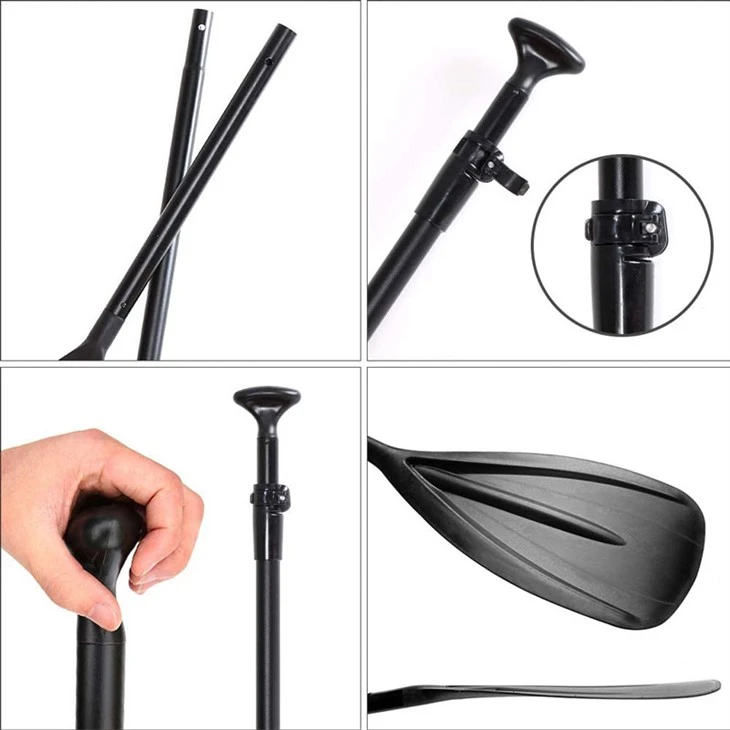
Adjustable paddles are great because you can change their length to suit your needs. But when it comes to transportation, you need to be careful not to damage the adjustment mechanism. Before you transport an adjustable paddle, make sure it's fully extended or fully retracted, depending on what's more convenient for you.
You can use a paddle case or a sleeve to protect the paddle. And if you're traveling by plane, you'll need to check the airline's regulations regarding paddle transportation. Some airlines might require you to pack the paddle in a hard - sided case to ensure it doesn't get damaged during the flight.
Transportation Methods
By Car
Transporting your SUP paddle by car is probably the most common way. If you've got a small car, you can place the paddle in the back seat or the trunk. Just make sure it's not blocking your view or getting in the way of other passengers.
If you've got a larger vehicle, like an SUV or a van, you can lay the paddle flat on the floor or use a roof rack. When using a roof rack, make sure you use proper tie - downs to secure the paddle. You don't want it to come loose while you're driving.
By Plane
Traveling with a SUP paddle by plane can be a bit more complicated. You'll need to check the airline's policies regarding sports equipment. Most airlines will allow you to bring a SUP paddle as checked baggage, but you might have to pay an additional fee.
Make sure you pack the paddle in a sturdy case to protect it during the flight. You can also consider using a paddle bag with extra padding to give it some extra protection. And don't forget to label the bag with your contact information in case it gets lost.
By Public Transport
If you're using public transport, like a bus or a train, you'll need to be more careful. Make sure the paddle is wrapped up and doesn't take up too much space. You might also want to check the transport company's rules regarding large items. Some might not allow you to bring a paddle on board, while others might have specific guidelines on how to transport it.
Additional Tips
- Clean Your Paddle Before Transport: Before you pack your paddle, make sure it's clean. Rinse it off with fresh water to remove any salt, sand, or dirt. This will help prevent corrosion and damage to the paddle.
- Inspect Your Paddle Regularly: Even if you're transporting your paddle properly, it's a good idea to inspect it regularly for any signs of damage. Check for cracks, chips, or loose parts. If you notice any issues, it's best to get them fixed as soon as possible.
Contact Us for Your SUP Paddle Needs
If you're in the market for a new SUP paddle or have any questions about paddle transportation, we're here to help. We're a leading SUP paddle supplier, and we offer a wide range of high - quality paddles to suit your needs. Whether you're a beginner or an experienced paddler, we've got the perfect paddle for you.
Don't hesitate to reach out to us to discuss your requirements and get the best deal on your next SUP paddle. We're always happy to help you make the right choice.
References
- Paddle Boarding Magazine. "Best Practices for SUP Paddle Transportation."
- Outdoor Gear Lab. "Transporting Your SUP Equipment Safely."