
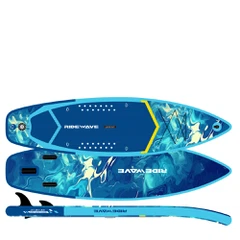
Buying your first inflatable paddle board (SUP) is an exciting step into the world of water sports. Stand-up paddleboarding has become one of the fastest-growing recreational activities worldwide, offering relaxation, fitness, and adventure on lakes, rivers, and oceans. However, with the increasing popularity of inflatable SUPs, the market is filled with options, and choosing the right one can feel overwhelming.
Many first-time buyers-both individual consumers and wholesale distributors-make common mistakes that can lead to wasted money, disappointing performance, or missed business opportunities. Understanding these pitfalls will save you time, money, and frustration, while ensuring you invest in a high-quality, durable, and reliable inflatable SUP.
In this article, we'll explore the Top 3 mistakes to avoid when buying your first inflatable paddle board and provide practical advice to help you make the right choice. Whether you're purchasing a board for personal use, stocking your retail store, or considering OEM/ODM paddle board manufacturing, these insights will guide you toward smarter decisions.
Ignoring Materials and Construction Quality
One of the most common mistakes new buyers make is focusing only on price while ignoring materials and construction quality. Not all inflatable SUPs are created equal, and the difference between a cheap board and a well-constructed one can be dramatic.
Why Construction Matters
Inflatable paddle boards rely on advanced materials like drop-stitch cores and multi-layer PVC coatings to provide the necessary rigidity and durability. A poorly built SUP may feel soft or unstable on the water, and it is more prone to leaks, punctures, or deformation.
High-quality boards, on the other hand, can achieve near-hardboard rigidity when inflated to 12–15 PSI, offering better performance, safety, and longevity.
Key Features to Look For
-
Drop-Stitch Technology
Thousands of tiny threads connect the top and bottom layers of the board, maintaining its shape under high pressure. Without this, the board will bend or sag.
-
Multi-Layer PVC
Premium SUPs use 2–3 layers of military-grade PVC, ensuring puncture resistance and long-lasting durability. Some also include reinforced rails for added strength.
-
Fusion Construction
Modern techniques fuse layers together, reducing weight while maintaining stiffness. This makes boards lighter to carry and easier to transport.
-
Eco-Friendly Options
With rising awareness, many SUP manufacturers now use recyclable PVC and non-toxic adhesives, appealing to environmentally conscious buyers.
B2B Perspective
For wholesale buyers or businesses launching private-label SUP brands, choosing the right construction is critical. High-quality OEM/ODM boards reduce return rates, improve customer satisfaction, and build long-term trust. Sacrificing quality for lower prices can damage your reputation and reduce profitability.
Choosing the Wrong Size or Type of Inflatable SUP
Another frequent mistake is buying the wrong size or type of inflatable paddle board. SUPs come in a wide range of shapes, sizes, and designs, each built for specific purposes. Beginners often assume that all boards are the same, but this misunderstanding can lead to frustration and unsafe paddling experiences.
Understanding SUP Types
Ideal for beginners and casual paddlers.
Wider and more stable, suitable for lakes, calm rivers, and family use.
Longer and narrower, designed for efficiency and long-distance paddling.
Best for fitness paddlers or adventurers.
Extra-wide and stable decks with soft pads for yoga, stretching, or fitness routines on the water.
Built with stability in mind, offering space for gear, rod holders, and seating options.
Narrow and lightweight boards designed for speed and competitions.
- Surf SUPs
Shorter boards optimized for maneuverability on waves.
Finding the Right Size
- Length: Beginners should start with 10–11 ft boards. Touring paddlers may prefer 12–14 ft.
- Width: Wider boards (32–34 in) offer stability, while narrower boards (28–30 in) offer speed.
- Thickness: Standard is 6 in for rigidity. Thinner boards (4–5 in) are lighter but less stable.
B2B Perspective
Retailers and wholesalers must stock a range of SUP types to cater to different customer needs. Offering only one type (for example, racing boards) may alienate beginners who want stable, all-around options. Smart businesses diversify their product lines to capture multiple market segments.
Overlooking Accessories, Warranty, and After-Sales Support
The third major mistake is ignoring the importance of accessories, warranty, and after-sales support. Many buyers focus on the board itself but forget that a complete SUP package includes essential items for inflation, paddling, and storage.
Must-Have Accessories
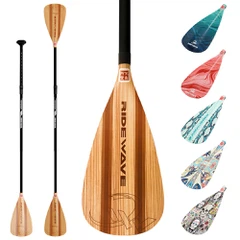
- Paddle: Adjustable aluminum or carbon fiber paddles. Carbon fiber is lighter and more efficient.
- Pump: Dual-action hand pumps or electric pumps for faster inflation.
- Leash: Safety gear that keeps the paddler connected to the board.
- Backpack or Carry Bag: Essential for portability and storage.
- Repair Kit: Useful for minor punctures or valve leaks.
Warranty and Customer Support
- Warranty: A reliable manufacturer offers at least a 1–2 year warranty on inflatable SUPs.
- After-Sales Service: Access to spare parts, repair assistance, and customer service ensures a worry-free experience.
B2B Perspective
For retailers and distributors, offering complete SUP packages with high-quality accessories increases customer satisfaction and repeat sales. After-sales service also strengthens brand loyalty. Ignoring these factors can lead to negative reviews and higher return rates.
Conclusion: Buy Smart, Paddle Happy
Buying your first inflatable paddle board is an exciting journey, but avoiding common mistakes is the key to long-term enjoyment and value.
Recap of Mistakes to Avoid
- Ignoring Materials and Construction Quality – Always check for drop-stitch cores, multi-layer PVC, and reliable construction.
- Choosing the Wrong Size or Type of SUP – Match the board to your paddling style, size, and goals.
- Overlooking Accessories, Warranty, and Support – Ensure you get a complete package with dependable after-sales service.
For consumers, this means finding a board that fits your lifestyle and lasts for years. For wholesale buyers and B2B distributors, it means selecting manufacturers who offer OEM/ODM solutions, reliable quality, and full accessory packages to maximize customer satisfaction and market growth.
By avoiding these top 3 mistakes, you'll ensure that your first inflatable SUP purchase is not only enjoyable but also a smart investment in the world of water sports.