

Argentine wholesalers can build sustainable high‑return businesses by importing inflatable SUP from China if they select market‑fit board models, partner with manufacturers familiar with South American import rules and consumer habits, lock in sea freight schedules ahead of the southern‑hemisphere summer peak, and take full advantage of ready‑to‑use marketing assets supplied by factories. Many new importers focus only on unit price and overlook local demand patterns, documentation requirements and long shipping lead‑times, which eat into wholesale profit margins. Working with experienced inflatable SUP producers removes unnecessary trial‑and‑error risk, shortens time‑to‑market and unlocks solid revenue in Latin America's fast‑growing recreational water‑sports segment.
Why Is Inflatable SUP Becoming A High‑margin Category For Argentine Wholesalers?
South America's outdoor recreation demand keeps climbing, and inflatable SUP has turned into one of the most attractive product lines for local wholesalers, distributors and multi‑category sports retailers. Unlike hard SUP boards that suffer high logistics cost and storage pressure, quality inflatable stand‑up paddle board packs compactly, cuts container space waste and fits well within Argentine retail and wholesale operational conditions.

Several market forces keep lifting profitability for local resellers:
Growing public interest in family‑friendly waterfront activities across Argentina, Uruguay and surrounding Latin‑American territories
Short but intense southern‑hemisphere summer selling window, when consumer demand for inflatable SUP surges within several months
Lower local domestic manufacturing capacity for premium water‑sport gear, creating steady import‑driven market demand
Flexible product tiers: entry‑level recreational boards, touring SUP, fishing SUP and SUP yoga variants support different price points for wholesalers
Not every imported inflatable SUP can deliver expected profits. Boards designed for North‑American or European markets may underperform when sold in Argentina due to UV resistance weakness, unsuitable weight capacity or incomplete accessory kits. Smart wholesalers prioritize goods engineered for harsh South‑American outdoor environments rather than generic export‑only stock.
What Challenges Do Argentine Buyers Face When Sourcing Inflatable SUPs From China?
Even with strong market potential, Argentine importers run into a unique set of obstacles while sourcing inflatable SUP from Chinese suppliers. Many of these pain points rarely appear for North‑American or European buyers, and they can erase profit if not handled in advance.
Import documentation & local regulatory compliance:Argentina applies strict import formalities. Missing or incorrect commercial invoices, packing lists or product‑related certificates will trigger customs hold‑ups, generate extra storage fees and delay the arrival of inflatable SUP inventory ahead of summer sales.
Unstable ocean freight from Chinese ports to Argentina:Most inflatable SUP shipments depart from Qingdao or Shanghai. Freight rates, container availability and total transit time fluctuate heavily before Q4 each year, right before the South‑American summer peak.
Gap between factory samples and mass‑production quality:Some Chinese vendors deliver attractive prototype samples, yet mass‑produced inflatable stand‑up paddle board show seam failure, air leakage or weak valve performance after long‑distance sea transport. Defective goods bring costly after‑sales burdens for Argentine wholesalers.
Shortage of ready‑made sales materials:Lots of factories only provide basic product photos. Without catalogues, high‑resolution studio imagery, detail shots and Spanish‑language specification files, local distributors cannot launch pre‑sale campaigns and must bear full inventory risk.
Mismatched product specification for Latin‑American end‑users:General‑export inflatable SUP may lack enhanced UV‑resistant PVC, sufficient weight capacity for local family users or complete accessory bundles, resulting in high product return rates at retail level.

No single challenge is impossible to resolve. Successful Argentine wholesalers identify these risks at the early sourcing phase and select manufacturing partners who understand Latin‑American market realities.
How Can Argentine Wholesalers Pick The Right Inflatable SUP Models For Local Market?
Selecting suitable inflatable SUP SKUs largely determines wholesale success inside Argentina. Copying best‑selling lists from USA or European e‑commerce platforms frequently leads to slow‑moving stock and capital tie‑up. Argentine wholesalers need to build mixed container assortments based on local end‑user profiles, climate conditions and retail price sensitivity.
Core local‑market considerations for inflatable stand‑up paddle board selection:
UV‑resistant raw material:Strong sunlight across Argentina accelerates PVC ageing. Prioritize multi‑layer UV‑stable PVC construction for long product service life.
Practical weight capacity:Family‑oriented inflatable SUP for casual beaches needs higher load capacity to fit multiple‑user scenarios.
Complete accessory package:Paddle, pump, carry bag, leash and repair kit should be included. Incomplete kits raise customer service complaints for wholesalers.
Balanced mix of mainstream and niche SKUs:All‑round recreational models form sales volume base; small shares of fishing SUP or SUP yoga capture niche profit pockets, avoid over‑investing into low‑volume specialty variants.
Below is a practical reference table for wholesalers planning inflatable SUP container orders for Argentina market. All figures serve as industry reference only; actual margins shift with exchange rate, tariff adjustments and local retail competition.
| Model Type | Target Local Customer | Core Selling Points | Suitable Order Volume | Estimated Gross Margin For Argentine Reseller |
|---|---|---|---|---|
| All‑round recreational inflatable SUP | Family, beginner casual users | Stable, UV‑resistant, complete accessory kit | Large bulk order | 38‑45% |
| Touring inflatable SUP | Intermediate outdoor enthusiasts | Long tracking performance | Medium order | 42‑48% |
| Youth/kid size SUP | Family retail, sports shop | Light weight, budget price | Mixed container | 35‑42% |
| Fishing inflatable SUP | Angler niche market | Extra load capacity, D‑rings | Small‑medium batch | 45‑52% |
| Yoga fitness SUP | Gym & fitness resellers | Wide deck, non‑slip surface | Mixed container | 40‑46% |
When evaluating potential suppliers, you can ask factories to share their historical sales data of inflatable SUP shipped to Latin‑American markets. RIDEWAVE maintains sales records for South‑America‑oriented SKUs, helping B2B buyers avoid pure‑guess‑work product selection. We do not force customers to take fixed pre‑set assortments; every distributor can adjust SKU ratio according to their own sales channels.
What Should Argentine Importers Know About Sea Freight From Qingdao To Argentina?
For most inflatable SUP wholesale consignments moving from China to Argentina, Qingdao stands out as the preferred loading port. Qingdao has mature supply‑chain infrastructure for inflatable water‑sport goods, with frequent vessel departures toward South‑American ports. Argentine wholesalers must master key sea‑freight details, as shipping expense and transit timeline directly shape overall profitability of inflatable stand‑up paddle board imports.

Key points every buyer needs to clarify before confirming orders:
Full container load (FCL) vs Less than container load (LCL):Large‑volume inflatable SUP orders normally adopt FCL to cut per‑unit shipping cost. LCL works for test mixed‑SKU batches, yet it comes with higher handling risk and longer total lead‑time.
Seasonal space shortage risk:Book container space 60‑90 days ahead of intended vessel date for shipments arriving before Argentine summer. Q3‑Q4 every year sees sharp competition for South‑America‑bound container slots. Delayed vessel departure means missing core retail selling window for inflatable SUP.
Total end‑to‑end lead‑time expectation:Manufacturing cycle plus ocean crossing plus local customs clearance can stretch to 70‑100 days total. Wholesalers cannot only calculate pure sailing days when drawing purchasing schedules.
Document readiness:Confirm what commercial paperwork the Argentine customs authority requires, share document template requirements with your Chinese inflatable SUP manufacturer at production beginning, instead of waiting until goods are already loaded on vessels.
Freight cost volatility is outside any single factory's full control. Reliable manufacturers like RIDEWAVE will share real‑time shipping market observations with B2B customers, suggest reasonable booking timeline, and remind importers about peak‑season risks, rather than only focusing on finishing production.
How Did One Argentine Distributor Achieve Strong Pre‑sales Results With RIDEWAVE Inflatable SUPs?
Pre‑sale strategy reduces inventory pressure and raises capital turnover for Argentine inflatable SUP distributors, yet pre‑sale cannot succeed without sufficient marketing assets and stable factory supply support. A real‑world B2B cooperation case shows how this model operates for South‑American water‑sport wholesalers.
In January 2026, one established Argentine water‑sports distributor placed a bulk order of 1200 units of RIDEWAVE‑branded inflatable SUP. The client selected five proven high‑demand SKUs suitable for local beaches and family‑oriented retail channels. The whole batch was loaded for sea freight out of Qingdao port, taking advantage of competitive ocean‑freight rates at that window.
Before finished goods left the factory, RIDEWAVE delivered a complete marketing asset package to this distributor:
Full‑version printable product catalogue covering all five inflatable SUP models
Studio‑shot high‑resolution main product images
Close‑up detail photos for deck, D‑rings, inflation valves, accessory kits
Specification sheets ready for local e‑commerce and offline store promotion
Armed with these materials, the Argentine partner launched pre‑sale campaigns long before containers physically arrived in local territory. By the time ocean shipment was still in transit, the distributor had already pre‑sold 800 sets of RIDEWAVE inflatable SUP. Currently this buyer is communicating with our sales team for follow‑up replenishment orders, to prepare for approaching South‑American summer consumer demand surge.

This case is not an over‑hyped success story. It highlights two core lessons for every Argentine wholesaler sourcing inflatable stand‑up paddle board:first, reliable manufacturers should deliver usable marketing resources beyond finished goods; second, well‑timed sea‑freight planning lets wholesalers leverage pre‑sales to mitigate heavy inventory risk. RIDEWAVE does not guarantee identical sales volume for every partner; final market performance depends on local channel operation, pricing and promotion execution from each distributor side.
How To Distinguish Reliable Inflatable SUP Manufacturers From Trading Companies In China?
For Argentine buyers sourcing inflatable SUP, mixing up genuine manufacturers and pure trading firms is one of the costliest mistakes. Traders can offer low‑looking unit prices on paper, yet they lack direct control over raw material selection, production schedules, quality inspection and after‑sales support. When quality defects or delivery delays occur, traders often cannot resolve issues quickly for Latin‑American wholesale clients.
Practical checks you can perform before committing to large inflatable stand‑up paddle board orders:
Request factory tour video clips or real‑time workshop footage showing SUP welding, gluing, air‑leak testing stations, not just polished marketing videos
Verify production capacity: confirm monthly output of inflatable SUP, how many container shipments they have completed for South‑America markets in recent years
Inspect sample units personally. Test air retention, seam strength, valve tightness and overall PVC texture. Do not rely only on photos shared online
Clarify after‑sales policy in written form: defective rate allowance, replacement terms for mass‑production goods after long‑sea transportation
Ask whether they can handle OEM, ODM and branded B2B projects, and whether they can prepare Spanish‑language documentation for Argentina import clearance
Many importers skip these checks and rush into deposit payment. RIDEWAVE shares workshop footage, real production records and past Latin‑America shipment references upon serious B2B inquiry, instead of pushing customers to place orders right away. Keep in mind that a genuinely responsible factory will welcome your verification steps.

What Marketing Assets Should Chinese SUP Factories Provide For Argentine B2B Buyers?
Successful wholesale of inflatable SUP in Argentina does not only depend on physical goods. Without sufficient marketing assets, even high‑quality inflatable stand‑up paddle board will be hard to promote online and offline, and wholesalers are forced to take full inventory risk without pre‑sale possibilities.

Print‑ready product catalogue: Include dimension data, weight, accessory lists, colour options, suitable end‑user scenarios. PDF format for offline store printing and online sharing.
Studio high‑resolution image package: Main hero shots, side views, deck close‑ups, valve & D‑ring details, full accessory‑kit photos. Files should be high‑resolution for local e‑commerce listings, social media and catalogue printing.
Short promotional video clips: Product overview, inflation demonstration, on‑water usage clips, no watermarks. Short clips greatly boost local social‑media pre‑sale conversion.
Multilingual specification sheets: Spanish‑friendly spec sheets help your retail team and end‑users understand inflatable SUP parameters.
Packaging visuals: Box mock‑up files so you can preview how finished goods will look on retail shelves.
Factories that only send a few random phone‑taken photos limit your market expansion. RIDEWAVE builds standardized marketing asset packages for Latin‑American partners. These materials are built for real‑world local promotion, not just internal factory display. Still, distributors remain fully responsible for local advertising operation and final sales performance.
How Can Argentine Wholesalers Balance Pre‑sale Strategy And Inventory Risk?
Pre‑sale has become a widely‑adopted tactic for inflatable SUP wholesalers across Latin America. It improves cash flow and lowers the danger of overstock before summer peaks. Still, blind pre‑sale arrangements can bring new risks if you fail to align production lead‑time and sea‑freight schedules.
Practical rules for balancing pre‑sale and inventory risk for inflatable stand‑up paddle board:
Never launch pre‑sale campaigns before you lock confirmed production schedule and vessel booking from your Chinese inflatable SUP manufacturer. Promising local customers delivery dates you cannot meet will destroy market reputation.
Set reasonable pre‑sale volume caps. Do not accept unlimited pre‑sale orders. Keep a safe gap between pre‑sale quantity and total ordered units.
Adopt mixed‑SKU ordering logic: fast‑moving recreational inflatable SUP form the bulk; allocate smaller volumes for fishing, yoga and youth‑sized variants. This reduces the risk of slow‑moving niche stock.
Build two‑phase procurement logic: primary bulk shipment for pre‑sale fulfillment; negotiate conditional replenishment terms with your factory for second batch, in case demand outperforms expectation.
Track South‑American seasonal rhythm: start sourcing and pre‑sale preparation several months ahead of hot summer months. Avoid last‑minute rush orders, which face limited container space and longer production queues.
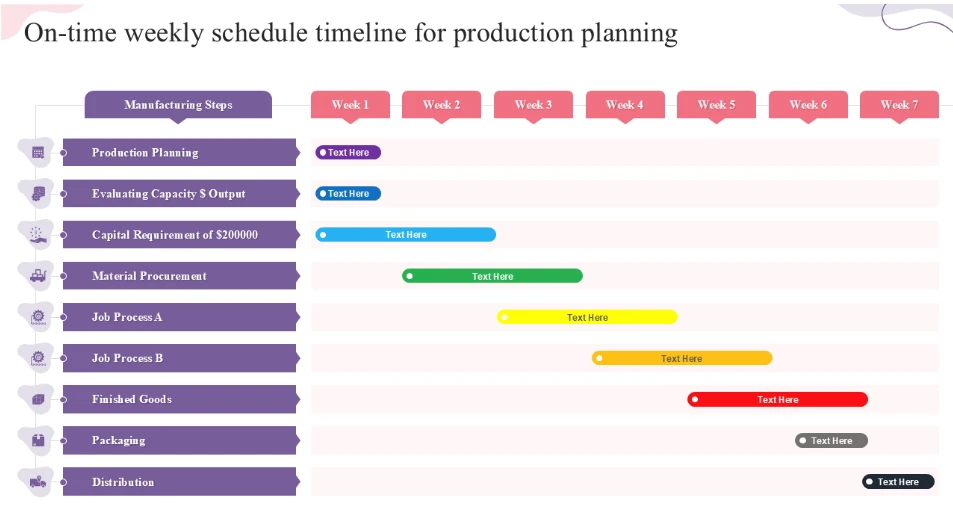
Pre‑sale is not a magic fix for every wholesale business. It works best when you combine reliable factory supply, complete marketing assets and realistic local demand forecasting. The RIDEWAVE Argentine distributor case we covered earlier demonstrates how these pieces work together in practice.
What Common Sourcing Mistakes Will Lower Argentine Wholesalers' SUP Profit Margins?
Even experienced Argentine importers make avoidable errors when buying inflatable SUP from China. Those small missteps gradually eat away gross profit, sometimes turning a theoretically profitable category into a money‑locking inventory burden.
Below are frequent pitfalls for inflatable stand‑up paddle board B2B buyers:

Only comparing unit price without auditing quality:Ultra‑low‑cost inflatable SUP usually cut corners on PVC thickness, seam welding and accessory quality. High return rates and after‑sales complaints erase all cost advantages.
Ignoring complete accessory bundles:Some factories quote low prices but exclude key parts such as high‑pressure pumps or quality paddles. You end up buying accessories separately, pushing up total landed cost.
Under‑estimating total end‑to‑end lead‑time:Counting only sailing days while ignoring production, inspection and customs clearance time will make you miss summer selling window.
Copying European & North‑American best‑seller lists directly:Products optimized for cooler, low‑UV regions perform poorly under Argentina's strong sunlight.
Vague written agreements for after‑sales terms:Verbal promises about defect compensation offer zero protection once goods arrive thousands of kilometres away in South America. Always put after‑sales rules inside formal PI documents.
Over‑ordering niche‑market SKUs:Fishing SUP or yoga SUP bring higher unit gross margin, yet overall market volume remains limited. Large orders will tie up capital.
Good sourcing is not just chasing the lowest ex‑factory price. It is about controlling total landed cost, reducing after‑sales loss and matching product specifications to real‑world Argentine market conditions. RIDEWAVE often reminds new B2B clients of these typical traps during early‑stage communication.
Many Argentine wholesalers, brand owners and sports‑goods retailers want to build their own brand identity by selling private‑label inflatable SUP. OEM and private‑label cooperation gives local businesses control over logo, colour schemes, outer packaging and printed specification content, yet it comes with clear MOQ barriers that buyers need to evaluate in advance.
Core points about private‑label inflatable stand‑up paddle board sourcing for Argentina market:
Minimum order quantity thresholds: Brand‑printed OEM orders require higher MOQ than purchasing existing ready‑made branded stock such as RIDEWAVE series. If you are testing market response, buying existing finished branded SKUs is a lower‑risk starting point.
Customization scope: Logo printing on board surface, carry bag and box; custom colour matching; custom‑printed manual and specification sheets in Spanish. Major mould changes bring far higher MOQ and longer lead‑time.
Artwork preparation: Argentine buyers need to supply print‑ready vector artwork files. Factories cannot create brand logo designs for you from low‑resolution pictures.
Production lead‑time extension: Private‑label orders add artwork confirmation, plate‑making and printing steps, which add 15‑25 extra days compared with standard stock‑order schedules.
Two‑path cooperation choice:
Buy existing RIDEWAVE branded inflatable SUP: Lower MOQ, faster lead‑time, ready‑made marketing assets, fit for distributors without own brand.
OEM private‑label service: For importers with their local registered brand, larger order volume, who want to build exclusive local brand influence.

RIDEWAVE supports both cooperation modes. We do not push private‑label projects onto small‑scale newcomers. We will honestly analyse which solution better matches your channel scale and business goals.
Which Key Factors Determine The Final Profit Of Imported Inflatable SUPs In Argentina?
Gross profit for imported inflatable SUP in Argentina is not decided by factory ex‑factory price alone. Multiple cost layers accumulate from China production all the way to local wholesale and retail. Many wholesalers only calculate product cost and underestimate other expenditures, ending up with thinner‑than‑expected returns.
Below is a reference cost breakdown table for one unit of imported inflatable stand‑up paddle board sold in Argentina. All numbers represent industry reference ranges. Actual figures shift with exchange rate, international freight fluctuation, Argentina import policy changes and local operating conditions.
| Cost Item | Percentage Of Final Local Selling Price | Notes |
|---|---|---|
| Ex‑factory product cost | 32‑38% | Including full original accessory kit |
| Ocean freight & destination port charges | 12‑16% | Rate fluctuates seasonally |
| Import duty & customs formalities | 14‑18% | Subject to latest Argentine government regulation |
| Domestic warehousing & last‑mile logistics | 7‑9% | Local storage and regional distribution |
| Marketing & operational overhead | 8‑11% | Ads, store display, promotion activities |
| Wholesaler gross profit | 18‑24% | Profit before income tax |
When running profit calculation for inflatable SUP projects, you need to account for potential hidden costs: customs detention surcharges, product defect loss, unsold inventory depreciation, local return‑handling expense. Successful Argentine wholesalers build these risk buffers into their pricing model in advance, instead of counting on ideal‑case profit numbers.
How To Prepare For South America Summer Peak Sales When Sourcing From China?
The southern‑hemisphere summer creates the most important selling window for inflatable SUP across Argentina and surrounding Latin‑American territories. Poor timing planning leads to containers arriving after hot‑weather demand fades, inventory piles up and capital gets locked for nearly one full year.
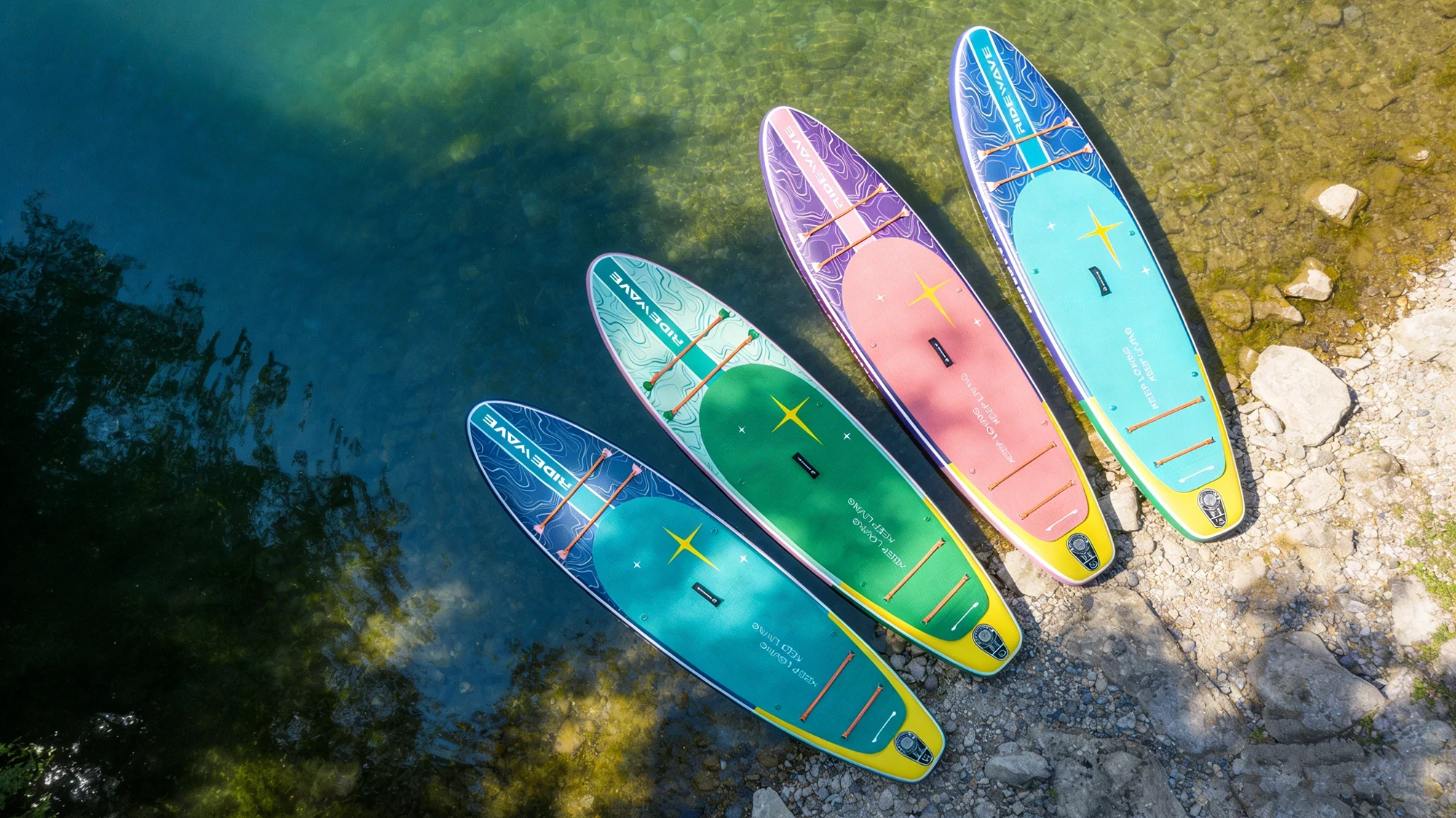
Actionable timing guidelines for inflatable stand‑up paddle board wholesale sourcing:
Confirm your total order quantity and SKU mix at least 4 months before your target in‑warehouse date in Argentina. This gives space for sample confirmation, deposit arrangement, mass‑production, quality inspection and vessel booking.
Prioritize vessel booking 60‑90 days before goods finish production, especially for shipments scheduled for Q3‑Q4, the peak period for South‑America‑bound cargo.
Keep constant communication with your Chinese inflatable SUP manufacturer about production progress. Ask for production photos or pre‑shipment inspection reports before container loading.
Set two separate time buffers: one buffer for production delays; another buffer for possible ocean‑freight schedule changes. Do not plan your timeline with zero‑risk assumptions.
Talk about replenishment possibilities early. Before your main container departs, discuss conditional replenishment lead‑time with your factory. If local sales take off, you can trigger follow‑up orders without restarting all negotiation steps from scratch.
Even with thorough preparation, unexpected shipping disruptions can happen. Reliable manufacturers such as RIDEWAVE will update you promptly if risks emerge, and suggest backup plans whenever feasible.
What Long‑term Cooperation Benefits Can Argentine SUP Wholesalers Get With A Stable Chinese Manufacturer?
One‑off trial orders bring limited value for Argentine inflatable SUP wholesalers. Building stable long‑term B2B partnership with a qualified Chinese inflatable stand‑up paddle board factory creates compound advantages as your water‑sport business scales up.
Core long‑term partnership advantages:
More stable price framework: Long‑term cooperating clients get better protection against raw‑material price spikes, compared with one‑time spot buyers.
New‑product priority access: Factory releases new‑generation inflatable SUP models; long‑term partners get early access to samples and ordering windows ahead of mass‑market roll‑out.
Higher supply‑chain flexibility: When summer‑season order volume surges, stable partners receive higher priority on production scheduling.
Continuous updated marketing resources: Factories keep refreshing photo assets, video materials and catalogue versions, and share updates with long‑term distributors.
Streamlined replenishment workflow: Repeat buyers simplify document confirmation and sample‑approval steps for follow‑up orders, shortening overall lead‑time for emergency replenishment.
Market intelligence exchange: Trusted manufacturers share observed Latin‑America market feedback from multiple distributors, helping you adjust SKU mix and pricing strategy.
Long‑term cooperation does not mean blindly placing large orders without assessment. It means consistent communication, honest feedback on product performance, and reasonable expectation on both sides. RIDEWAVE values long‑run relationships with Latin‑American wholesalers, instead of only chasing single‑transaction revenue.
What Practical Steps Should You Take If You Plan To Source Inflatable SUPs From China?
After going through market analysis, risk identification and case reference, Argentine wholesalers need a clear actionable workflow to start sourcing inflatable SUP from China. The checklist below summarizes major steps before you confirm formal orders with an inflatable stand‑up paddle board manufacturer. You can duplicate this table and use it as your internal purchasing working document.
| Check Item | Remarks |
|---|---|
| Confirm target SKU mix & estimated order quantity | Balance fast‑moving mainstream items and limited‑volume niche models |
| Request and test physical product samples | Test air‑tightness, seam quality, accessory completeness under real usage conditions |
| Confirm all Argentina‑required import documents | Commercial invoice, packing list, related certification forms |
| Estimate full end‑to‑end lead‑time & lock shipping plan | Reserve time buffer for production & ocean‑freight unexpected delays |
| Request complete marketing asset package | Catalog, high‑resolution photos, videos, multilingual specification sheets |
| Negotiate and write down after‑sales & defect handling terms | Put clauses inside formal PI, avoid purely verbal agreements |
| Clarify OEM / branded stock cooperation mode | Choose between ready‑made branded stock or private‑label OEM according to your business stage |
If you finish all items on this checklist, you have eliminated most high‑probability sourcing risks. You can move forward to deposit payment and mass‑production arrangement. For Argentine wholesalers exploring inflatable SUP category, RIDEWAVE welcomes genuine B2B inquiries for sample evaluation, SKU consultation and cooperation‑term discussion.
Argentine wholesalers can build profitable inflatable SUP businesses importing from China, yet success never comes from simply picking the cheapest available goods. Winning wholesale operations rely on market‑oriented product selection, deep understanding of Argentina import rules and Qingdao‑Argentina sea‑freight rhythm, full usage of factory‑provided marketing assets to run pre‑sales, and building stable partnership with trustworthy inflatable stand‑up paddle board manufacturers.
The real‑world RIDEWAVE Argentine distributor case illustrates how all these pieces work together: well‑selected SKUs, planned sea‑freight, complete pre‑sale marketing assets, reasonable order volume and follow‑up replenishment planning. Remember that every local market carries uncertainty. No factory can guarantee fixed sales numbers for any distributor. Final revenue depends on your local channel capability, pricing strategy and promotion execution.
If you are an Argentine wholesaler, distributor or sports‑goods brand owner looking to expand into the fast‑growing inflatable water‑sports category, you are welcome to visit our B2B contact page to discuss your project with RIDEWAVE professional sales team.
Related Articles
Looking To Settle Inflatable SUPs For Argentina? How Can Wholesalers Choose The Right Supplier?
How Can Argentine Wholesalers Source Inflatable SUPs For The Local Market?
How Ridewave Ensures Fast And Reliable SUP Production