
In recent years, stand up paddle boarding (SUP) has rapidly transformed from a niche water activity into a global outdoor trend embraced by beginners, families, and professional athletes alike. Within this evolution, inflatable SUPs have stood out as the most versatile and beginner-friendly option, combining stability, portability, and durability in one innovative design. For new paddlers, an inflatable SUP is often the best entry point because it lowers the learning curve and removes many of the barriers associated with traditional hard boards.
However, the rise of inflatable SUPs is not only a story about leisure-it is also a story about innovation in manufacturing, material technology, and global supply chains. As more people discover paddle boarding, the demand for beginner-friendly boards has opened significant opportunities for international retailers, distributors, and sporting goods companies to expand their product portfolios. This is where the role of professional SUP manufacturers becomes crucial. A reliable factory with OEM and ODM capabilities can help partners bring to market custom inflatable SUPs that match their branding, meet safety standards, and stand out in a highly competitive marketplace.
Why Choose an Inflatable SUP as a Beginner
For many first-time paddlers, the idea of balancing on water can feel intimidating. Traditional hard boards, while performance-driven, often require more skill, storage space, and higher upfront investment. This is where inflatable SUPs have gained a strong reputation as the most beginner-friendly option. Their design focuses on accessibility-making the sport easier to learn, more affordable to try, and far more convenient to integrate into daily life.
From a user's perspective, inflatable boards offer four key advantages:
Portability & Easy Storage
Inflatable SUPs can be deflated, rolled up, and packed into a backpack. This allows beginners to transport their board in the trunk of a small car, on public transit, or even on an airplane. For businesses, this portability translates into lower shipping costs, easier inventory management, and a product that appeals to customers in urban areas with limited storage space.
Durability & Safety
Unlike hard epoxy boards, inflatable SUPs are built with multi-layer PVC and drop-stitch technology that resists bumps, knocks, and general wear. Beginners, who are more likely to fall or scrape their boards, benefit from a forgiving and impact-resistant surface. On the supply side, distributors can confidently market these boards as long-lasting, reducing warranty issues and strengthening customer trust.
Affordability
For new paddlers, investing in a high-performance hard board may not be realistic. Inflatable SUPs typically come at a more accessible price point, making them an attractive entry-level option. For brands and retailers, this affordability opens the door to broader market segments-from casual weekend users to families buying multiple boards for group outings.
Comfort & Stability
Inflatable SUPs are designed with extra width and thickness, providing a stable platform that helps beginners find balance faster. Features like soft deck pads also improve comfort for long sessions. This combination of stability and comfort not only enhances the user experience but also drives positive reviews and repeat purchases for businesses introducing SUPs to new customers.
Overall, inflatable SUPs represent a product that solves challenges on both ends: beginners enjoy an easier and safer way to enter the sport, while companies benefit from a category that is scalable, cost-effective, and adaptable to different customer needs. With the right SUP manufacturer offering OEM and ODM solutions, it becomes possible to customize these beginner-friendly features into branded products that align with your business strategy and resonate with your target audience.

Key Features to Look For in a Beginner Inflatable SUP
When choosing the ideal inflatable SUP for beginners, several key features stand out, both for end users and B2B buyers sourcing products:
- Board Size & Dimensions: Boards around 10'–11' long and 32" wide offer stability without sacrificing maneuverability. Thickness of 6" ensures buoyancy for novices. For OEM or ODM projects, precise sizing supports consistent quality and user satisfaction.
- Weight Capacity: A good beginner board supports 100–120 kg, accommodating various users. Reliable SUP manufacture ensures this capacity through quality PVC and drop-stitch construction.
- Stability vs. Speed: Beginners need stability first. Wider, flat decks help users stay upright while learning, and well-designed boards allow gradual performance improvements.
- Material & Construction: Double-layer PVC and drop-stitch technology combine durability with portability. Eco-friendly alternatives can also appeal to conscious consumers.
- Accessories & Price: Adjustable paddles, pumps, fins, and carry bags enhance the experience. Working with a trusted SUP manufacturer allows OEM/ODM customization to match branding or regional preferences without compromising quality.
By considering these features, B2B partners can source inflatable SUPs that deliver stability, safety, and long-term satisfaction while supporting brand differentiation and market growth.
Best Inflatable SUP Recommendations for Beginners
When selecting the best inflatable SUP for beginners, the goal is to balance stability, ease of use, and durability while also considering business opportunities for retailers, distributors, and private-label brands. Here are several recommended types that perform well in the beginner segment and offer strong B2B potential:
Option 1: All-Around Beginner Board
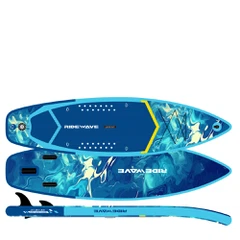
All-around boards are the most versatile and forgiving for first-time paddlers. Typically 10'6"–11' long and 32"–34" wide, they provide excellent stability and easy maneuverability in calm lakes, rivers, and coastal waters. For businesses, this type is ideal for rental programs, retail shelves, or private-label offerings. When working with a SUP manufacturer that offers OEM/ODM services, these boards can be customized with branded deck pads, color schemes, and accessory kits, enhancing market differentiation.
Option 2: Touring Style for Progression
Touring-style inflatable SUPs are slightly longer and narrower, designed for paddlers who may want to progress beyond casual use. Their enhanced glide and tracking make them suitable for longer excursions. For B2B clients, this category provides upsell opportunities-customers can start with a beginner-friendly version and later move to a touring board from the same brand. Advanced manufacturing technology ensures rigidity and performance, even in inflatable designs, while OEM customization allows tailored logos, graphics, and package options.
Option 3: Budget-Friendly Starter SUP
Price-sensitive buyers, especially families or beginner paddlers, often prioritize affordability. A compact, durable board with essential accessories like a paddle, pump, and carry bag meets basic needs without sacrificing safety or quality. From a supply perspective, partnering with a reputable SUP manufacturer ensures that low-cost options maintain consistent material quality, drop-stitch integrity, and compliance with global standards, minimizing returns and boosting brand credibility.
Option 4: Family-Friendly / Kids SUP
Boards designed for families or children are wider, shorter, and lighter, prioritizing stability and ease of handling. B2B buyers can target summer camps, resorts, and family-focused retailers. Using ODM services, manufacturers can produce unique designs, colors, and logos that resonate with younger users, creating a strong visual appeal while maintaining performance and safety.
By offering a diverse range of beginner-friendly boards, businesses can cater to multiple customer segments, improve conversion rates, and maximize market reach. Working with a SUP manufacturer experienced in OEM and ODM production ensures that every board meets technical standards, supports branding needs, and adapts to market trends efficiently.

Tips for First-Time SUP Users
For beginners, a smooth introduction to stand-up paddle boarding is not just about the board itself-it also depends on understanding basic techniques, safety, and maintenance. From a B2B perspective, these tips are valuable for retailers, rental companies, and private-label brands because they help reduce returns, improve customer satisfaction, and strengthen brand credibility.
Start in Calm, Shallow Water
New paddlers should begin in calm lakes, ponds, or protected bays. Avoiding strong currents and waves allows users to build confidence and master balance. For businesses offering rentals or guided tours, recommending suitable locations increases safety and customer satisfaction while minimizing liability.
Use Proper Gear
Safety is paramount for first-time paddlers. Wearing a life jacket or personal flotation device (PFD) is essential. Most inflatable SUP packages include a leash to keep the board tethered to the paddler, reducing the risk of drifting away. B2B clients can differentiate their offerings by bundling high-quality accessories, or customizing paddles and leashes through OEM/ODM services to create a branded experience.
Learn Basic Techniques
Teaching customers to maintain proper posture, paddle efficiently, and turn the board effectively enhances their overall experience. Retailers, rental companies, and SUP schools can create instructional materials or videos, potentially co-branded with the manufacturer, which reinforces both product value and brand authority.
Maintain Your Inflatable SUP
Proper care extends the lifespan of the board and ensures performance. Beginners should rinse boards with fresh water after use, deflate and dry them before storage, and avoid prolonged exposure to direct sunlight. Offering maintenance tips as part of a product package or training program adds perceived value for customers and strengthens the B2B relationship with the SUP manufacturer, highlighting technical expertise and after-sales support.
Encourage Gradual Progression
Once basic skills are mastered, paddlers can explore longer distances or light waves. Products designed with incremental performance features, such as reinforced drop-stitch construction or optional fin configurations, allow boards to grow with the user. For B2B partners, this supports repeat sales, upselling opportunities, and positive word-of-mouth marketing.
By providing these practical tips, businesses not only enhance the beginner experience but also position themselves as knowledgeable partners in the water sports industry. Combining quality inflatable SUPs with guidance, safety measures, and maintenance insights strengthens customer loyalty and drives sustainable growth for both manufacturers and retailers.
Common Mistakes Beginners Should Avoid
Even with the best inflatable SUPs, beginners can make simple mistakes that affect their learning experience and product longevity. Highlighting these common pitfalls is not only helpful for end users but also valuable for B2B clients, such as retailers, rental companies, and private-label brands, because educating customers reduces returns, complaints, and safety incidents.
Choosing the Wrong Board Size
Beginners often select boards that are too narrow or short, prioritizing speed over stability. For new paddlers, stability is crucial. When sourcing products from a SUP manufacturer, B2B buyers should ensure recommended board dimensions align with beginner needs and can accommodate various weight capacities. OEM/ODM customization allows tailoring sizes for target markets, improving user experience and satisfaction.
Ignoring Safety Gear
Some newcomers overlook life jackets, leashes, or appropriate paddles. Emphasizing these essentials improves user safety and protects brand reputation. Suppliers with OEM/ODM capabilities can provide branded safety accessories, ensuring consistency and quality while enhancing the perceived value of the product package.
Starting in Unsuitable Conditions
Attempting to paddle in rough seas, strong currents, or windy conditions increases the risk of accidents. B2B partners offering rentals or guided experiences can provide instructional content or guidelines, helping customers choose safe environments. This educational approach enhances the brand's credibility and strengthens the overall market perception of the SUP products.
Poor Maintenance Practices
Inflatable SUPs require basic care to maintain performance. Leaving boards wet, exposed to sunlight, or improperly stored can lead to material degradation. Educating customers on maintenance not only extends the product lifecycle but also highlights the technical reliability of the manufacturing process, reinforcing trust in the brand and the factory behind the product.
By avoiding these mistakes, beginners enjoy a safer, more enjoyable experience, while B2B partners benefit from satisfied customers, fewer service issues, and a stronger reputation in the competitive water sports market.

Conclusion
Choosing the right inflatable SUP for beginners is about more than just stability or affordability-it's about providing a complete experience that balances performance, safety, and ease of use. For B2B clients, partnering with an experienced SUP manufacturer that offers OEM and ODM solutions ensures that boards are not only high-quality but also customizable to meet branding, market positioning, and regional preferences.
At Ridewave, over 15 years of experience in SUP manufacture have taught us the importance of combining advanced technology, precision engineering, and flexible production capabilities. From drop-stitch construction to multi-layer PVC and eco-friendly materials, every board is designed for reliability and longevity. B2B partners can leverage this expertise to deliver beginner-friendly products that satisfy both new paddlers and discerning buyers, opening opportunities for retail, rental, and private-label success worldwide.
In conclusion, inflatable SUPs offer an ideal entry point for beginners while creating scalable business opportunities for brands and distributors. By carefully selecting boards that prioritize stability, quality, and usability-and by working with a trusted SUP OEM/ODM manufacturer-companies can deliver superior products, build strong brand loyalty, and thrive in the growing global paddle board market.