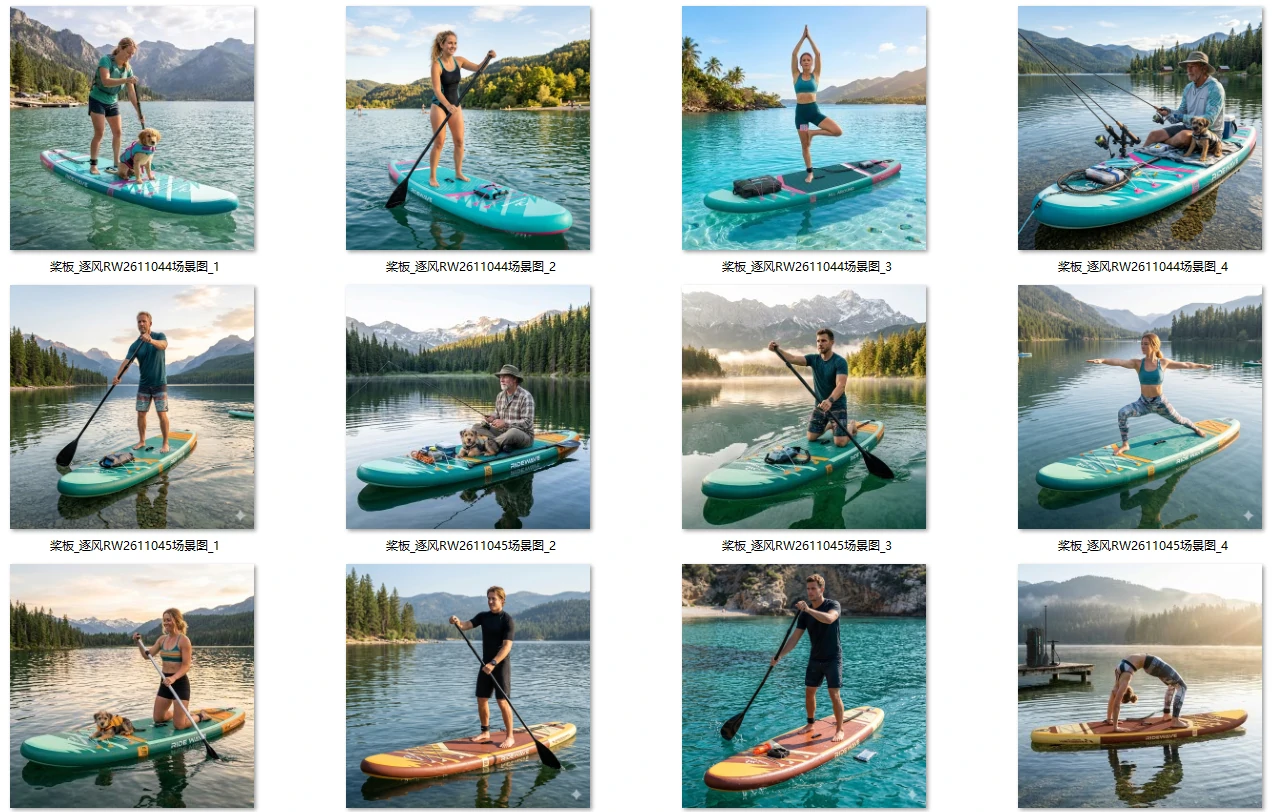

Stand up paddle boarding, often called SUP, has quickly grown from a niche water activity into a global fitness and lifestyle trend. Whether you are paddling along a calm lake, exploring hidden coastlines, or enjoying a full-body paddleboard workout, SUP offers something for everyone. But for beginners, stepping onto a stand up paddle board for the first time can feel intimidating. Balancing on water is very different from standing on solid ground, and the fear of falling in can hold many people back from enjoying the experience.
The good news is that with the right knowledge, equipment, and a little practice, anyone can learn how to paddle board with confidence. In fact, inflatable paddle boards have made it easier than ever for newcomers to get started. They are lightweight, stable, and portable, making them a top choice for beginners who want to explore the water without the hassle of heavy gear.
This beginner's guide is designed to walk you through everything you need to know before your first SUP session. We'll cover the basics of choosing the right board, the essential gear you need, safety tips, and step-by-step instructions on how to stand, balance, and paddle effectively. You'll also learn about common mistakes to avoid, how to build confidence on the water, and even how to use your SUP for fun activities like yoga, fitness training, and family outings.
By the end of this guide, you will not only understand the fundamentals of SUP but also feel prepared to step onto your board with confidence. Whether your goal is to improve fitness, find a new hobby, or simply enjoy more time outdoors, stand up paddle boarding is a skill that can bring you freedom, balance, and joy on the water.

Choosing the Right Paddle Board
Selecting the right paddle board is the very first step in your stand-up paddle boarding journey. As a beginner, it can feel overwhelming to choose among so many options, especially with the rising popularity of inflatable paddle boards. But understanding the differences in board shapes, sizes, and features will help you make an informed decision that sets you up for success.
One of the most popular choices for beginners is the inflatable paddle board. Not only are they easy to transport and store, but they are also highly durable and versatile. Inflatable paddle boards are built with drop-stitch technology, which gives them a solid, rigid feel when fully inflated, while still maintaining the portability that traditional hard boards lack. For those who live in apartments or frequently travel, an inflatable paddle board is often the best option.
When it comes to size, beginners should consider a wider and longer board, usually around 10'6" to 11' in length and 32–34 inches in width. A larger board offers more stability, which is essential while you are learning how to balance and paddle. The thickness of the board is equally important-boards that are at least 6 inches thick provide better buoyancy and stability, making them ideal for first-timers.
Board shape also plays a crucial role. All-around paddle boards are highly recommended for beginners because they are designed to handle a variety of conditions, from flat lakes to gentle ocean waves. Touring boards, which are longer and narrower, are better suited for paddlers who want speed and efficiency, but they may be too challenging for complete beginners. Therefore, an all-around inflatable paddle board is the perfect starting point for most newcomers.
Another factor to consider is weight capacity. A paddle board should be able to comfortably support your body weight plus any additional gear you may carry. Most beginner boards are designed with a weight capacity of 250–300 pounds, which is sufficient for most paddlers. Choosing a board with a proper weight limit ensures stability and prevents sinking or wobbling.
Essential Gear for Beginners
Once you have chosen your inflatable paddle board, the next step is equipping yourself with the right gear. Proper equipment not only enhances your paddling experience but also ensures safety and comfort on the water.
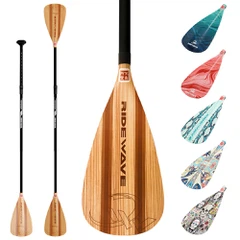
The most essential item besides your paddle board is, of course, the paddle. Adjustable paddles are perfect for beginners because they can be customized to fit your height and paddling style. Most paddles are made from aluminum, fiberglass, or carbon fiber. For those just starting, an aluminum paddle is affordable and durable, though heavier than fiberglass or carbon fiber. As you advance, you may want to upgrade to a lighter paddle for efficiency and reduced fatigue.
A personal flotation device (PFD) is another critical piece of equipment. Even if you are confident in your swimming ability, wearing a PFD is an important safety precaution, and in many regions, it's required by law. There are various types, including waist-belt inflatables that are comfortable and low-profile, allowing you to paddle freely without restriction.
Leashes are also a must-have. A SUP leash keeps you connected to your board, which is essential if you fall off in strong currents or windy conditions. For beginners, a coiled leash is ideal because it prevents dragging in the water while keeping the board close.
Other useful gear includes a waterproof dry bag for carrying essentials like your phone, keys, and snacks; water shoes to protect your feet from sharp rocks or hot sand; and proper clothing depending on the season. In colder weather, a wetsuit or drysuit provides insulation, while in summer, lightweight, moisture-wicking clothing is best.


Basic Safety Tips Every Paddler Should Know
Safety should always be your top priority when paddle boarding. While stand-up paddle boarding is generally safe and beginner-friendly, there are still important precautions every paddler must take to ensure an enjoyable experience.
The first safety rule is to always check the weather and water conditions before heading out. Strong winds, high waves, or sudden storms can turn a fun paddle into a dangerous situation. Beginners should stick to calm, flat waters like lakes or sheltered bays until they gain more experience.
Wearing a leash and PFD at all times is non-negotiable. Even if you are paddling in shallow waters, accidents can happen, and these two pieces of gear significantly reduce risks. Remember, your inflatable paddle board is your biggest flotation device, and staying attached to it is crucial.
Another important tip is to never paddle alone, especially as a beginner. Going out with a friend or joining a local SUP group not only makes the experience more fun but also ensures that help is available if needed. If you do paddle alone, always let someone know your planned route and estimated return time.
Beginners should also learn how to fall safely. Falling is part of the learning process, and knowing how to fall properly prevents injuries. Try to fall away from the board to avoid hitting it, and keep your arms close to your body to protect yourself.
Hydration and sun protection are often overlooked but essential. Bring plenty of water, apply sunscreen, and wear sunglasses with a strap. Heat exhaustion and sunburn can quickly ruin your paddling session if you're not careful.
How to Stand and Balance on Your SUP
Learning how to stand and balance on a stand up paddle board is the moment every beginner both fears and anticipates. It is the first step to transforming your inflatable paddle board from a floating platform into a true fitness and adventure tool. Good balance not only prevents falls but also unlocks a smoother paddleboard workout and greater enjoyment of SUP fitness activities.
Start in shallow water where you can easily step onto the board. Place your paddle across the deck so it's out of the way but within reach. Kneel on the center of the board first, with knees shoulder-width apart. This position allows you to get used to the board's movements and test your stability before standing up.
When you feel comfortable kneeling, place one foot at a time where your knees were, keeping your feet parallel and hip-width apart. Slowly rise to a standing position while keeping your knees slightly bent. Many beginners make the mistake of locking their knees, which causes stiffness and instability. Relaxed knees act as shock absorbers, adjusting naturally to water movement.
Your eyes should look at the horizon, not your feet. Looking down often triggers overcorrection and imbalance. Imagine riding a bicycle-you stay upright by focusing ahead, not on the pedals. The same applies to balancing on an inflatable paddle board.
Distribute your weight evenly on both feet. Avoid leaning too much to one side or back on your heels. Instead, keep your weight centered over the handle of your board (its natural balance point). Beginners often wobble at first, but within minutes the body starts to adapt, finding rhythm with the water.
Once you achieve stability, practice shifting your weight slightly to learn how the board responds. This prepares you for turning, wave riding, or more advanced paddleboard workouts like SUP yoga. Remember, balance is a skill that improves every time you step onto your stand up paddle board.


Mastering the Paddling Techniques
Standing on your inflatable paddle board is only half the journey-mastering the paddling stroke is what truly powers your experience. A strong, efficient paddle technique not only helps you move smoothly but also maximizes the fitness benefits of your paddleboard workout.
The basic forward stroke is the foundation. Hold your paddle with one hand on the top handle and the other on the shaft. Keep your arms straight but not locked. Place the paddle blade into the water about two feet ahead of you, then pull it back in a straight line parallel to the board. Engage your core muscles-not just your arms-so that your whole body drives the motion. This protects your shoulders and makes each stroke more powerful.
Next, learn the sweep stroke for turning. To perform it, place your paddle in the water near the front of your board and sweep it in a wide arc toward the tail. The wider the arc, the sharper the turn. This stroke is essential when maneuvering around obstacles, catching waves, or adjusting position during SUP yoga sessions.
For maintaining balance in choppy water, practice the brace stroke. Place the paddle blade flat on the water's surface and push lightly down. This creates stability and prevents tipping over. Many beginners find confidence grows quickly once they learn how to "brace" against sudden waves.
Breathing and rhythm also matter. Just like running or cycling, matching your paddle strokes with steady breathing improves endurance. A calm rhythm not only boosts your paddleboard workout but also enhances the meditative flow often experienced in SUP fitness.
Finally, efficiency is more important than speed. Beginners sometimes rush their strokes, splashing water and wasting energy. Smooth, consistent strokes will carry you farther and keep your inflatable paddle board gliding gracefully. Over time, advanced techniques like cross-bow turns or pivot turns can be added, but the basics remain the core of every paddler's skill set.
Common Beginner Mistakes and How to Avoid Them
Every beginner makes mistakes when starting with stand up paddle boarding. Understanding these common pitfalls and knowing how to avoid them can save you from frustration, injuries, and wasted effort.
One of the most frequent errors is looking down at your feet. Many beginners instinctively watch their feet to maintain balance, but this actually destabilizes the body. Keeping your eyes on the horizon allows your brain and body to align naturally, improving balance and control.
Another common mistake is locking the knees. Rigid legs prevent your body from absorbing movements of the board, increasing the chance of falling. Always keep your knees slightly bent to act as natural shock absorbers. This simple adjustment dramatically improves stability on choppy water.
Improper paddle technique is also a typical error. Beginners often rely solely on their arms to paddle, which tires muscles quickly and reduces efficiency. Using the core, shoulders, and back along with your arms creates a smooth, energy-efficient stroke. Practicing proper posture and technique early helps build endurance and prevents shoulder strain.
Overloading the board is another issue. Every board has a weight limit, and exceeding it can make it unstable or even sink slightly. Beginners sometimes carry backpacks or gear without realizing it affects the board's balance. Always check your board's capacity and distribute weight evenly.
Lastly, beginners may paddle in unsafe conditions. Flat lakes are ideal, while rivers, open oceans, or strong winds require more experience. Ignoring weather, tide, and current conditions is a common source of accidents. Planning your session, checking forecasts, and starting in controlled environments builds both skill and confidence.


Building Confidence and Progressing Skills
Confidence is key to enjoying stand up paddle boarding. While skill grows with practice, mental preparation and structured progress can accelerate improvement for beginners.
Start by setting small, achievable goals. Begin with short sessions in calm water and gradually increase duration as comfort improves. Celebrate each milestone, whether it's standing up for the first time or paddling a longer distance. Positive reinforcement encourages consistent practice and builds mental resilience.
Incremental skill progression is also important. Start with basic forward paddling, then practice turning strokes, bracing, and finally more advanced techniques like SUP yoga poses or wave riding. Structured progression ensures safety while building competence.
Visualization and mental rehearsal help many beginners. Before stepping on the board, imagine yourself performing smooth strokes and maintaining balance. Mental preparation primes your body to respond correctly and reduces fear.
Joining a class or local SUP community accelerates skill-building. Experienced instructors can provide real-time feedback, correct mistakes, and suggest drills specifically tailored to your level. Social support fosters motivation and makes practice more enjoyable.
Finally, remember that every paddler falls at some point. Mistakes are part of learning. Embrace each challenge, use it as a lesson, and your confidence will grow naturally. Consistent practice on your inflatable paddle board transforms fear into mastery, turning each session into an enjoyable experience.
Conclusion: Step Onto the Water with Confidence
Stand up paddle boarding offers a unique combination of fitness, fun, and mental relaxation. For beginners, the journey starts with choosing the right inflatable paddle board, equipping yourself with essential gear, understanding safety protocols, mastering balance, and learning proper paddling techniques.
Avoiding common mistakes, building confidence gradually, and exploring fun activities like SUP yoga or fitness workouts make the experience even more rewarding. With patience and consistent practice, the water becomes your playground, and the paddle board becomes an extension of your body.
Remember, every paddler started as a beginner. Confidence grows with experience, but preparation, knowledge, and persistence accelerate progress. Step onto your inflatable paddle board equipped with these skills, and enjoy the journey toward becoming a skilled and confident paddler.
Whether your goal is fitness, adventure, or simply spending quality time outdoors, stand up paddle boarding provides a fulfilling, engaging, and rewarding experience that keeps you connected with water, nature, and yourself.
- Why Inflatable SUPs Are Outperforming Hard Boards in Today's Market
- The Complete SUP Industry Handbook: From Production to Global Distribution
- SUP Manufacturing Explained: Technologies, Materials & Quality Control Standards
- How B2B Buyers Can Spot a Good Inflatable SUP Manufacturer in China
- B2B Sales Models in the SUP Industry: OEM, ODM & Private Label Explained