
Stand-Up Paddle (SUP) manufacturing forms the foundation of the global SUP industry. For B2B buyers, understanding every aspect of production-from materials and technology to quality control and branding-is essential for selecting reliable suppliers and delivering high-quality products to end users. This comprehensive guide explores 12 critical aspects of SUP manufacturing, providing actionable insights, technical details, and practical recommendations.
Overview of SUP Manufacturing Industry
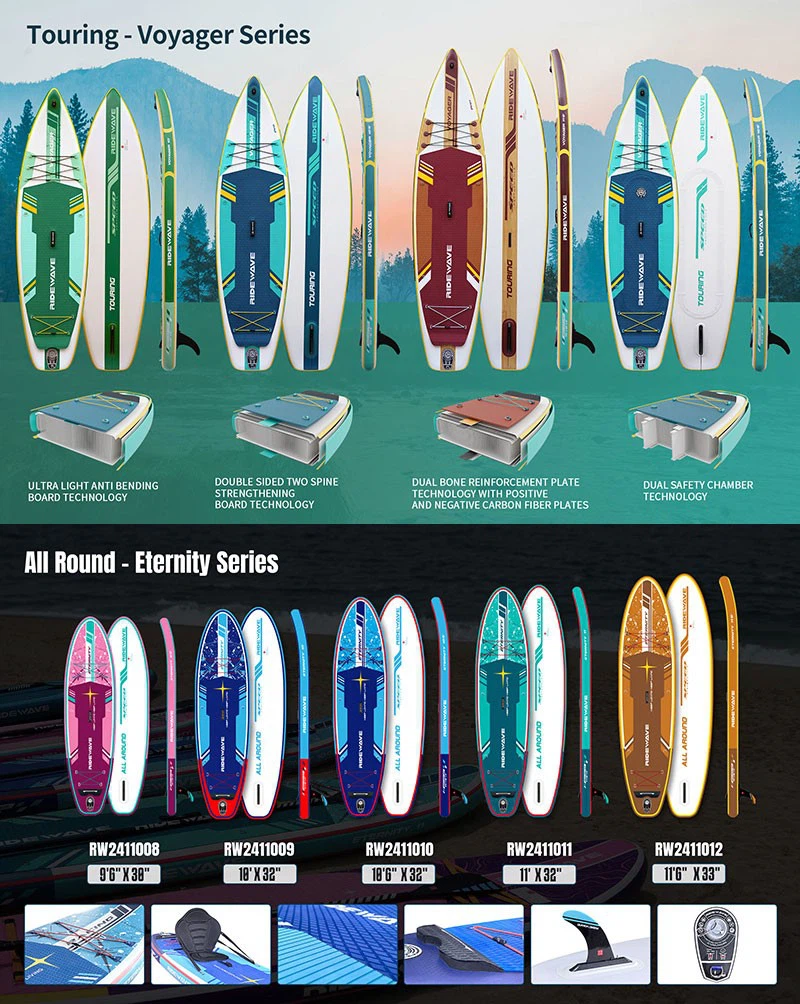
The SUP manufacturing industry has grown tremendously over the past decade, driven by rising global demand for recreational water sports and eco-conscious outdoor activities. While SUP originated as a niche sport in Hawaii, it has now expanded worldwide, with markets in North America, Europe, and Asia growing rapidly.
For B2B buyers, understanding where and how SUP boards are manufactured is key to sourcing efficiently:
Geographical Concentration: The majority of SUP production occurs in Asia-particularly in China, Vietnam, and Thailand. These countries combine advanced manufacturing infrastructure with cost-effective labor. China alone accounts for a significant share of the global SUP market, supplying both mass-market inflatable boards and premium composite boards.
Manufacturing Segmentation: SUP production is broadly divided into inflatable boards (iSUPs), hardboards (fiberglass or epoxy-based), and high-performance composite boards (carbon fiber and hybrid materials). Each type has distinct production requirements, material sourcing, and quality benchmarks.
Market Dynamics: Inflatable SUPs dominate the rental and beginner segments due to portability, storage convenience, and durability. Hardboards and composite boards target premium, competitive, or touring markets. B2B buyers must align production types with target market demand to ensure profitability and customer satisfaction.
Emerging Trends: Multi-functional boards (e.g., fishing SUPs, yoga SUPs) and eco-friendly materials are shaping the future market. Manufacturers increasingly invest in R&D to produce boards that are lightweight, durable, and environmentally responsible.
By understanding these dynamics, B2B buyers can identify reliable suppliers, predict market trends, and establish long-term partnerships that reduce risk and improve product quality.
Types of SUP Boards Produced
SUP boards are not one-size-fits-all; manufacturing techniques vary depending on board type, performance requirements, and end-user application. Understanding these differences is crucial for B2B buyers when deciding what to stock or distribute.
Inflatable SUP (iSUP)
Constructed with drop-stitch PVC layers, iSUPs offer rigidity when inflated to 12–20 PSI while remaining lightweight and portable.
Popular in rental operations and beginner segments, iSUPs are easy to transport, store, and maintain.
Manufacturers can offer custom branding, logos, and color patterns, allowing B2B buyers to create private-label products.
Technological innovations such as reinforced rails, integrated fins, and multiple D-rings expand functionality for touring, yoga, or fishing.
Hardboard SUP
Built with a fiberglass or epoxy laminate over EPS foam cores, hardboards deliver superior stiffness and performance.
Targeted at advanced riders and competitive markets, these boards require precise molding, sanding, and finishing.
Hardboard SUPs have longer lifespans than inflatable boards but require careful shipping and handling.
Composite SUP
High-performance boards using carbon fiber, Kevlar, or hybrid composites are lightweight, responsive, and ideal for racing and touring.
These boards appeal to professional athletes or premium market segments and require specialized manufacturing processes, including vacuum bagging and autoclave curing.
B2B buyers seeking differentiation often choose composite SUPs for limited-edition or high-margin product lines.
Each type of SUP involves unique production workflows, cost structures, and supply chain considerations. For instance, iSUP production emphasizes drop-stitch uniformity and PVC adhesion, while hardboard and composite SUPs require precise laminating, sanding, and finishing processes to achieve optimal performance and durability.
SUP Materials Selection

Material selection is a decisive factor in SUP manufacturing, directly affecting board performance, weight, durability, and user experience. B2B buyers must be knowledgeable about SUP materials to evaluate supplier quality and ensure that products meet international safety standards.
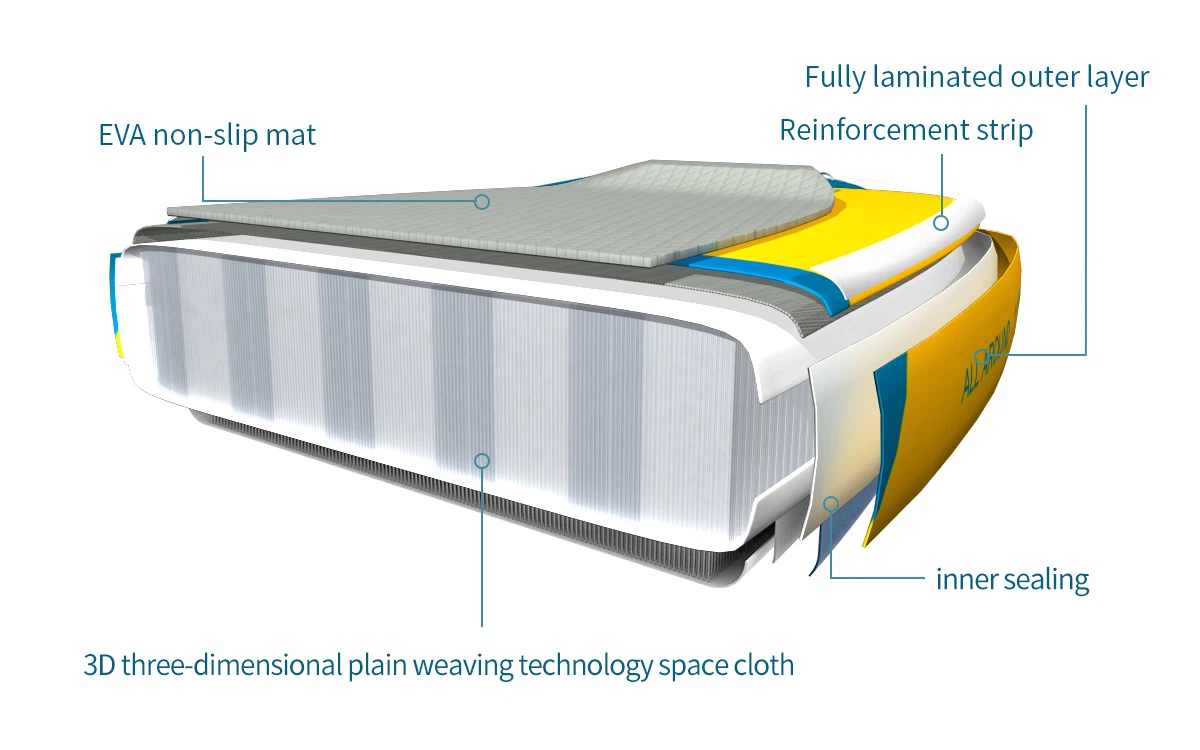
PVC (Polyvinyl Chloride): Used for inflatable SUP layers, high-quality PVC provides tensile strength, rigidity, and durability. Different densities and coatings can affect stiffness and impact resistance. Premium boards often use dual-layer or triple-layer PVC for enhanced performance.
EVA Foam: The deck pad is often made of EVA (ethylene-vinyl acetate), offering grip, comfort, and shock absorption. Thickness, texture, and adhesive quality influence rider stability and comfort.
Fiberglass & Epoxy: Hardboards and some composite boards rely on fiberglass layers with epoxy resin for strength, flexibility, and water resistance. Multi-layer laminates improve rigidity while maintaining lightweight characteristics.
Carbon Fiber: High-end boards use carbon fiber to achieve maximum strength-to-weight ratio, enabling responsive and competitive SUP performance.
Recycled and Bio-based Materials: Sustainability-conscious brands are incorporating eco-friendly PVC alternatives or recycled fibers, catering to growing environmental awareness among consumers and B2B buyers.
B2B Considerations:
Material certifications (ISO, CE) ensure boards meet safety and durability standards.
Material sourcing consistency is critical to prevent color, density, or performance variations between production batches.
Innovative materials can differentiate products in competitive markets, allowing B2B buyers to command premium pricing.
Drop-Stitch Technology in Inflatable SUPs
Drop-stitch technology is the backbone of modern inflatable SUP boards, enabling them to combine portability with rigidity comparable to hardboards.
Construction Principle: Millions of polyester threads connect the top and bottom PVC layers. When inflated, these threads hold the layers tightly together, maintaining flatness and preventing bulging.
Pressure & Rigidity: Boards can be inflated to 12–20 PSI, providing stiffness necessary for performance paddling, yoga, or touring. Higher-quality drop-stitch boards resist deformation even under heavy loads.
Durability Factors: Thread density, PVC layer thickness, and seam adhesion determine longevity and resistance to punctures. Premium boards often use double-layer PVC and reinforced rails.
B2B Applications:
Drop-stitch boards are ideal for rental businesses, where portability and repeated inflation cycles are essential.
OEM/ODM partners like Ridewave offer customized drop-stitch boards, enabling private-label branding and niche designs.
Advanced drop-stitch designs allow integration of D-rings, bungee storage systems, and accessory mounts, enhancing market appeal.
By mastering drop-stitch construction, B2B buyers can confidently source inflatable SUPs that meet quality expectations, minimize returns, and expand market reach.

SUP Molding and Laminating Techniques

Hardboard and composite SUPs rely on precise molding and laminating processes to achieve structural integrity, performance, and durability. For B2B buyers, understanding these techniques helps evaluate supplier capabilities and product quality.
EPS Foam Core Molding: Boards begin with expanded polystyrene (EPS) foam cores, shaped through CNC cutting or mold pressing. This core determines buoyancy, deck contour, and weight distribution.
Fiberglass Layering & Epoxy Resin: Multiple layers of fiberglass sheets are applied over the foam core, then saturated with epoxy resin. Proper layer alignment ensures rigidity, strength, and smooth finish.
Vacuum Bagging: For high-performance boards, vacuum bagging removes air bubbles and evenly distributes resin, producing a uniform, defect-free laminate.
Carbon Fiber Laminating: Premium boards integrate carbon fiber layers to maximize stiffness without increasing weight, ideal for racing or touring SUPs.
B2B Applications:
Buyers can request factory process videos or sample testing to confirm manufacturing precision.
High-quality laminating reduces return rates and warranty claims, protecting brand reputation.
SUP Deck Design and Ergonomics
Deck design directly impacts balance, comfort, and overall user experience. For B2B buyers, ergonomically designed boards enhance customer satisfaction and reduce complaints.
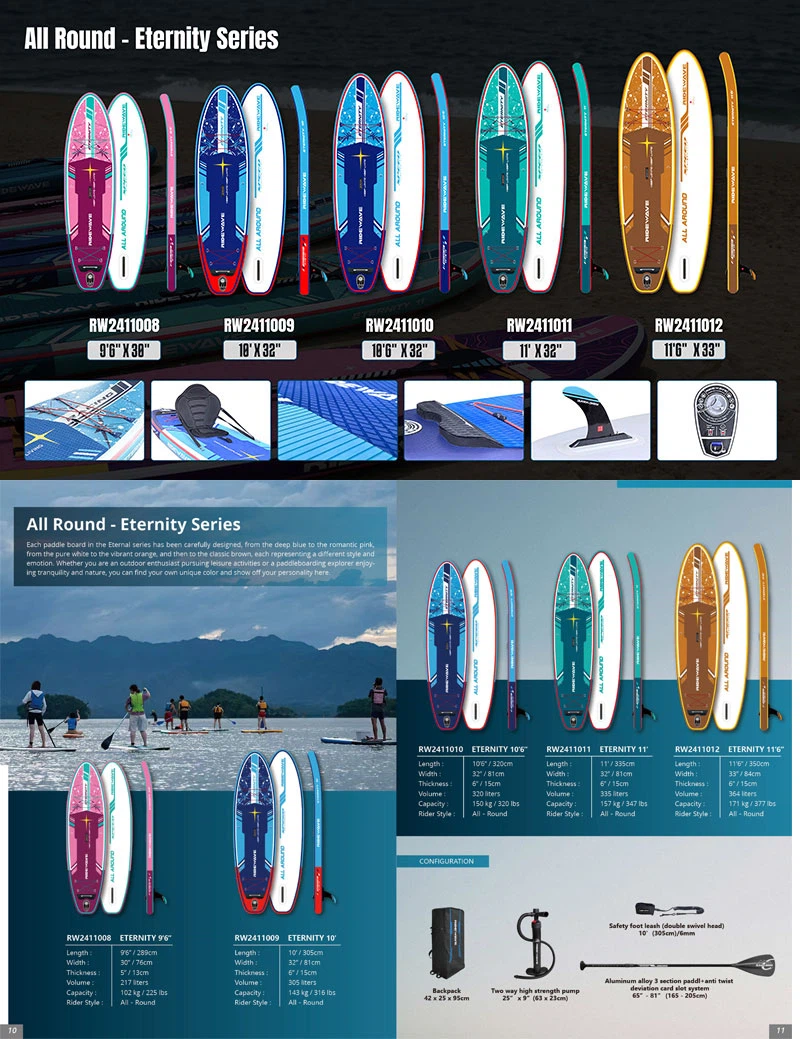
Width and Thickness: Wider boards (32–36") provide stability for beginners; narrower boards (28–30") optimize speed for racing. Thickness affects buoyancy and rigidity.
Deck Pad Patterns: EVA foam deck pads vary in thickness, texture, and shape. High-quality pads improve grip, comfort, and durability.
Handle Placement: Central carry handles and additional handles at nose/tail improve portability. Proper placement prevents deck deformation during transport.
Attachment Points: D-rings and bungee systems allow users to carry gear safely, ideal for rental or touring boards.
Ergonomic Contours: Some decks feature mild concave or textured zones to stabilize foot placement during yoga or paddling.
B2B Applications:
Buyers can request custom deck pad designs and handle placement to differentiate their private-label boards.
Well-designed decks reduce user slips and rental damage, saving costs in long-term operations.

SUP Fins and Performance Features

Fins are critical for tracking, stability, and maneuverability. SUP manufacturers provide multiple options to meet different performance needs.
Removable vs Fixed Fins: Removable fins offer flexibility for transport and storage; fixed fins maximize stability and minimize assembly errors.
Fin Material: Plastic fins are suitable for recreational boards, fiberglass or carbon fins are used for high-performance SUPs.
Fin Box System: Universal fin boxes allow aftermarket upgrades, enhancing versatility for rental fleets or competitive users.
Fin Positioning: Proper placement influences tracking efficiency, turning radius, and stability, particularly for long-distance or touring boards.
B2B Applications:
Buyers can choose fin systems matching market segment-recreational rental vs premium performance.
Quality fin installation minimizes customer complaints about tracking or wobbling, improving repeat sales.
SUP Printing, Branding & Customization
B2B buyers often rely on custom branding to differentiate their SUP products in competitive markets. Manufacturers provide multiple customization options:
UV Printing: Durable and resistant to fading, suitable for logos and intricate designs.
Heat Transfer & Lamination: Adds protective layer and color consistency.
Custom Colors and Patterns: Supports private-label branding and market differentiation.
Optional Accessory Branding: Custom paddle colors, bags, and fins create a cohesive brand experience.
B2B Applications:
Private-label boards increase brand recognition and allow premium pricing strategies.
OEM and ODM suppliers like Ridewave can provide mockups, samples, and small-batch custom production, minimizing financial risk.


High-quality SUP manufacturing requires strict multi-stage quality control to prevent defects and ensure safety compliance.
Visual Inspection: Checking seams, rails, and surface defects.
Inflation & Pressure Testing: For iSUPs, ensures the board maintains PSI without leaks.
Load Testing: Verifies the board supports weight ratings without bending or deforming.
UV & Saltwater Resistance: Simulates long-term exposure to sun and water.
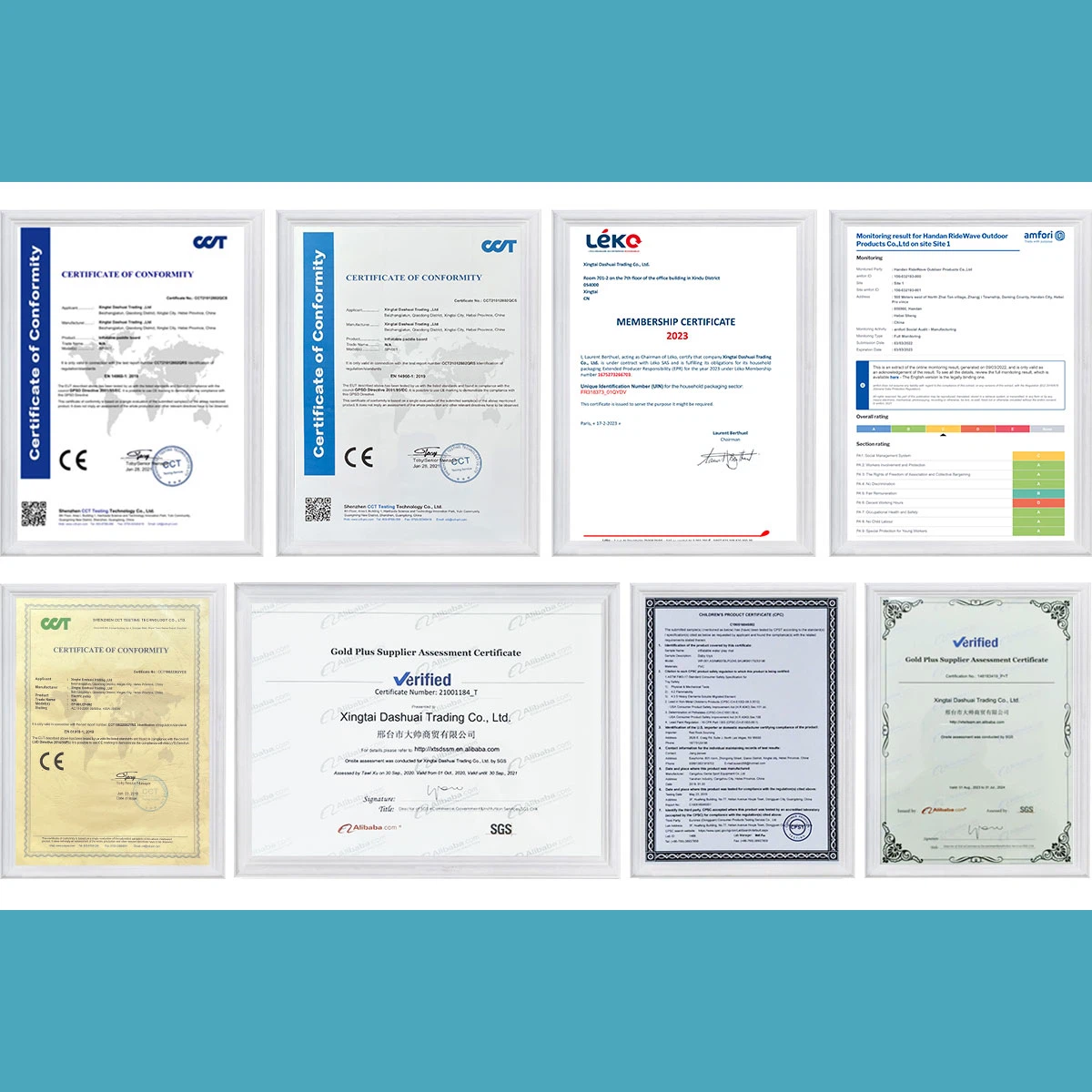
Certification Compliance: CE, ISO, and ASTM standards are essential for international distribution.
Batch Testing: Random samples from production batches ensure consistent quality.
B2B Applications:
Buyers should request QC reports and certificates before large orders.
Multi-stage inspections reduce returns, warranty claims, and liability risks.
SUP Packaging and Shipping Preparation
Proper packaging ensures boards reach customers undamaged and ready to use.
Inflatable SUPs: Deflated, rolled, and boxed with inner protective layers.
Hardboards & Composites: Foam edges, shrink-wrap, and reinforced boxes prevent shipping damage.
Accessories: Paddles, pumps, and fins packaged securely with boards.
Labeling & Instructions: Clear instructions and brand labels improve customer experience.
B2B Applications:
Buyers can request double-boxing or custom inserts for international shipping.
Efficient packaging reduces loss, damage, and freight costs.

SUP Factory Audits and Supplier Selection

Selecting a reliable supplier ensures consistent product quality, timely delivery, and compliance.
Factory Capability: Evaluate production capacity, staff expertise, and equipment.
Quality Control Practices: Confirm multi-stage QC and testing protocols.
Lead Time Reliability: Timely delivery reduces stockouts and missed sales opportunities.
B2B Support: Ability to produce OEM/ODM or private-label products.
Audit Tips: Request factory videos, certifications, and sample shipments.
B2B Applications:
On-site audits help verify compliance with safety, labor, and environmental standards.
Long-term partnerships reduce risks and improve customization efficiency.
Trends in SUP Manufacturing and Sustainability
The SUP industry is rapidly evolving with eco-conscious production, technological innovation, and multi-functional designs.
Sustainable Materials: Recycled PVC, bio-based fibers, and eco-friendly adhesives reduce environmental impact.
Energy-Efficient Manufacturing: Lower energy consumption in factories reduces carbon footprint.
Smart SUP Boards: Integration of GPS, sensors, and tracking systems for performance monitoring.
Multi-Functional Designs: Boards suitable for fishing, yoga, or touring attract diverse customers.
Market Impact: Sustainability and innovation enhance brand reputation and allow B2B buyers to target premium segments.
B2B Applications:
Partnering with innovative manufacturers allows early access to eco-friendly and high-tech boards.
Staying ahead of sustainability trends improves competitiveness and market differentiation.
The SUP manufacturing process is a complex combination of materials science, advanced technologies, ergonomic design, and rigorous quality control. For B2B buyers, understanding these processes is essential for selecting reliable suppliers, reducing risk, and ensuring consistent product quality across international markets.
By choosing a trusted partner like Ridewave, distributors and retailers gain access to high-quality SUP boards-from durable inflatable boards to premium composite designs-backed by precise manufacturing, innovative deck designs, and customizable branding options. Ridewave's commitment to quality, sustainability, and B2B support makes it an ideal choice for businesses aiming to expand their SUP offerings globally.
Investing in well-manufactured SUP boards not only ensures customer satisfaction and safety but also enhances brand reputation, increases market competitiveness, and supports long-term growth in the fast-growing paddle board industry. Whether you are launching a new rental business, expanding a retail line, or developing a private-label brand, Ridewave SUP boards provide the reliability, versatility, and performance your business needs.
|
Launching a private label SUP brand is just the beginning of your journey. To help you grow faster, avoid costly mistakes, and stay ahead of your competitors, we've prepared more in-depth articles that cover every stage of your SUP business. Here are some recommended reads: –Explore the 2025-2030 global SUP market trends and insights to better understand future growth opportunities.
2.The Complete SUP Industry Handbook: From Production to Global Distribution –Dive into the complete SUP industry handbook-from product design to global market dynamics
– Learn how to launch your SUP brand with minimal investment while keeping professional quality. – A must-read for first-time importers to prevent costly errors in production and shipping. – See why leading distributors in North America and Europe are switching to Ridewave. |