


As a Touring Fin supplier, I've encountered numerous inquiries regarding the optimal method of transporting these essential paddling accessories. Touring fins are designed to enhance the performance of paddle boards during long - distance paddling, offering stability and efficient tracking. However, due to their shape and material, transporting them requires careful consideration to prevent damage and ensure they remain in top - notch condition for your next adventure.
Understanding Touring Fins
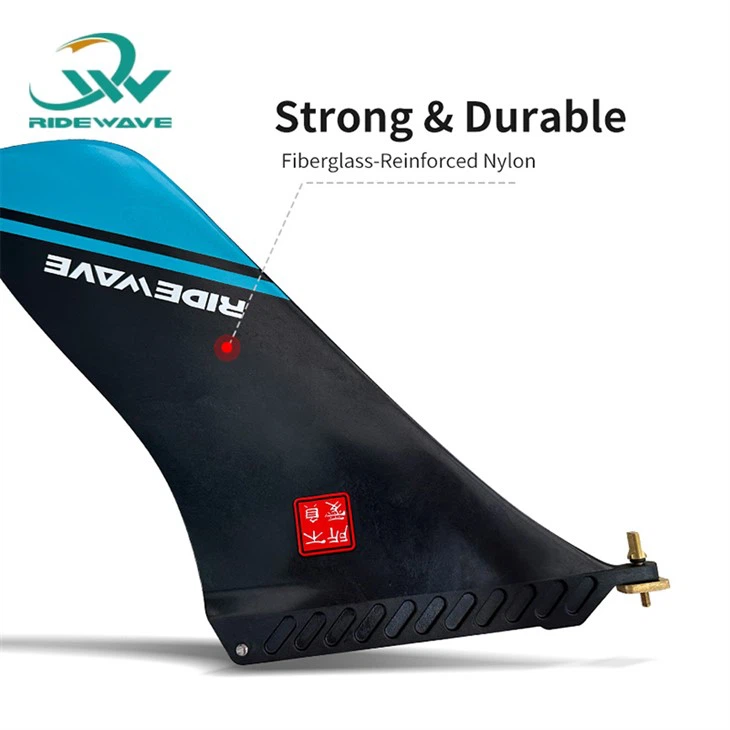
Before delving into transportation methods, it's crucial to understand the nature of Touring Fins. These fins are typically made from high - quality materials such as fiberglass, carbon fiber, or a combination of both. They are engineered to be lightweight yet durable, with a streamlined shape that minimizes drag in the water. The design of Touring Fins often features a long, narrow blade that provides excellent straight - line tracking, making them ideal for extended paddling trips. You can find a wide range of Touring Fins on our Touring Fin page.
The Risks of Improper Transportation
Improper transportation can lead to various issues with Touring Fins. For instance, if they are not properly secured, they can be subject to impacts during transit. A single knock or bump can cause cracks or chips in the fin, which can significantly affect its performance in the water. Additionally, exposure to extreme temperatures or humidity during transportation can also damage the fin's material over time. Fins made of carbon fiber, for example, can become brittle in cold temperatures, increasing the risk of breakage.
Different Transportation Options
1. In - Car Transportation
- Using a Fin Bag: One of the simplest and most effective ways to transport Touring Fins in a car is by using a dedicated fin bag. These bags are specifically designed to protect fins from scratches, impacts, and dust. They usually have padded interiors and adjustable straps to keep the fin securely in place. When placing the fin in the bag, make sure it is fully inserted and the bag is zipped up tightly. You can then place the bag in the trunk of your car, on the back seat, or even under a seat, depending on the size of the fin and your vehicle.
- Securing with Straps: If you don't have a fin bag, you can still transport the Touring Fin safely in your car. Use soft straps or bungee cords to secure the fin to a stable part of the vehicle. For example, you can attach the fin to the headrests of the back seats or to the car's luggage rack if it has one. Make sure the fin is not loose and will not move around during the journey. However, be cautious not to overtighten the straps, as this can also cause damage to the fin.
2. Air Travel
- Checked Luggage: When traveling by air, Touring Fins can be packed in checked luggage. However, it's important to take extra precautions to protect the fin. First, wrap the fin in a soft cloth or bubble wrap to cushion it from impacts. Then, place it in a hard - shell suitcase or a specialized sports equipment case. Make sure the fin is secured within the case to prevent it from shifting during handling. Airlines may have specific rules regarding the size and weight of checked luggage, so be sure to check with your airline beforehand.
- Carry - On: Some airlines may allow Touring Fins as carry - on items, but this is less common. If you plan to carry the fin on board, it must meet the airline's size and weight restrictions for carry - on luggage. You'll also need to ensure that the fin is properly protected to avoid any damage during the security screening process. A well - padded fin bag is essential in this case.
3. Shipping
- Professional Shipping Services: If you need to send Touring Fins to a customer or another location, using a professional shipping service is a reliable option. Choose a shipping company that has experience in handling sports equipment. They can provide you with the appropriate packaging materials and ensure that the fin is shipped safely. When shipping, it's advisable to purchase insurance for the fin to cover any potential damage during transit.
- Packaging for Shipping: When packaging a Touring Fin for shipping, start by wrapping it in multiple layers of bubble wrap. Then, place it in a sturdy cardboard box that is slightly larger than the fin. Fill any empty spaces in the box with packing peanuts or crumpled paper to prevent the fin from moving around. Seal the box securely with strong packing tape.
Additional Considerations
1. Compatibility with Paddle Board Fin Boxes
When transporting Touring Fins, it's also important to consider their compatibility with Paddle Board Fin Box. Different paddle boards use different types of fin boxes, and the fin must fit properly into the box for optimal performance. Make sure to check the specifications of the fin and the fin box before purchasing or transporting the fin. This will ensure that the fin can be easily installed and removed from the paddle board without any issues.
2. Maintenance after Transportation
After transporting the Touring Fin, it's a good idea to inspect it for any signs of damage. Check for cracks, chips, or any other visible defects. If you notice any issues, it's important to address them promptly. Minor scratches can often be repaired with a fin repair kit, while more significant damage may require professional repair or replacement. Regular maintenance of the fin will help extend its lifespan and ensure that it continues to perform well in the water.
Comparison with Other Types of Fins
Touring Fins are just one type of fin used in paddle boarding. Other popular types include Sup Race Fin. Sup race fins are designed for speed and are typically shorter and wider than Touring Fins. The transportation methods for Sup race fins are similar to those for Touring Fins, but there are some differences to consider. For example, Sup race fins may be more fragile due to their thinner design, so extra care may be needed when transporting them.
Conclusion
In conclusion, the best way to transport a Touring Fin depends on the mode of transportation and the specific circumstances. Whether you're traveling by car, air, or shipping the fin to a customer, taking the time to properly protect the fin is essential. Using appropriate packaging materials, such as fin bags, bubble wrap, and hard - shell cases, can significantly reduce the risk of damage. Additionally, considering the compatibility with paddle board fin boxes and performing regular maintenance after transportation will help keep your Touring Fins in excellent condition.
If you're in the market for high - quality Touring Fins or have any questions about their transportation, please don't hesitate to reach out. We're here to assist you in making the most of your paddle - boarding experience.

References
- Paddle Boarding Magazine: Various articles on paddle board accessories and transportation
- Manufacturer's guidelines for Touring Fins and related products