


Yo, what's up water sports enthusiasts! Today, I'm stoked to dive into the world of Sup Leashes. As a supplier of these essential accessories, I've seen firsthand how a good Sup Leash can make or break your stand-up paddleboarding experience. So, let's get started and explore what a Sup Leash is all about.
What Exactly is a Sup Leash?
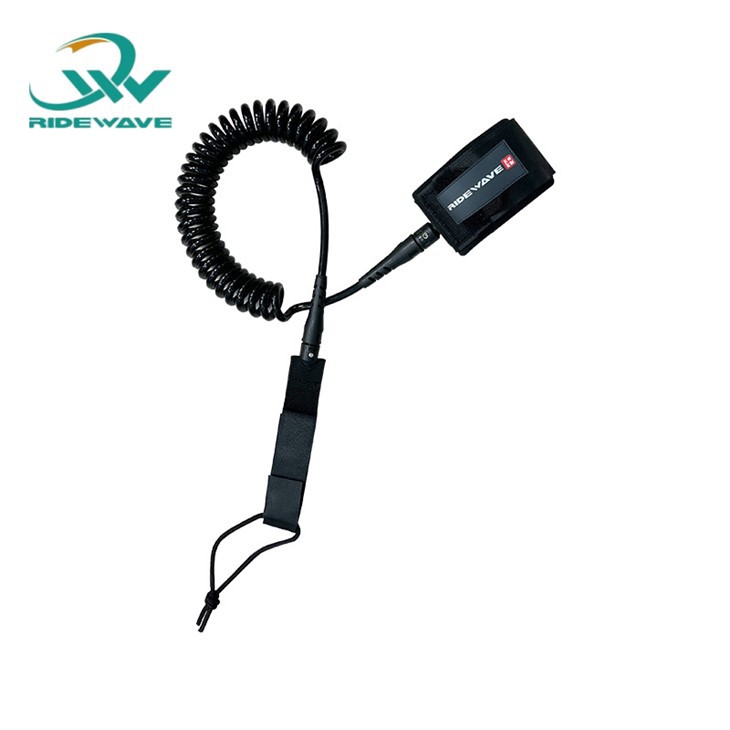
A Sup Leash is a crucial piece of equipment for stand-up paddleboarding. It's basically a safety tether that connects you to your board. The idea is simple: if you fall off your board (which is bound to happen at least once, even if you're a pro), the leash keeps your board close by so you don't have to swim after it in the water. This is especially important in open water, where waves and currents can quickly carry your board away.
Types of Sup Leashes
There are mainly two types of Sup Leashes that I usually supply: the Sup Ankle Strap and the Sup Safety Leash.
The Sup Ankle Strap is the most common type. It's designed to be worn around your ankle. The advantage of this type is that it allows for maximum freedom of movement. You can move your feet around easily on the board without any restrictions. Plus, if you do fall, the leash acts as a sort of anchor, keeping your board relatively stable.
On the other hand, the Sup Safety Leash offers a different kind of protection. It usually has a more secure attachment mechanism and may be designed to be worn around the waist or other parts of the body in some cases. This type of leash can be a better option for those who are new to paddleboarding or for those who are paddling in more challenging conditions. It gives an extra layer of security, ensuring that you and your board stay connected even in rough waters.

Why Do You Need a Sup Leash?
Let's face it, falling off your paddleboard is part of the fun. But without a leash, it can quickly turn into a headache. Here are a few reasons why you absolutely need a Sup Leash:
Safety First
The most obvious reason is safety. In the event of a fall, having your board within reach means you can easily climb back on. This is particularly important if you're paddling alone or in an area with strong currents. Without a leash, you could find yourself stranded in the water, which is clearly a dangerous situation.
Protect Your Board
Your paddleboard is an investment. A Sup Leash helps protect it from getting lost or damaged. If your board drifts away in the water, it could end up hitting rocks, other boats, or getting caught in debris. By keeping your board close, the leash reduces the risk of these kinds of accidents.
Convenience
Let's be real, swimming after your board is no fun. With a leash, you don't have to worry about that. You can focus on enjoying your paddleboarding session without constantly looking over your shoulder to make sure your board is still there.
Features to Look for in a Sup Leash
When choosing a Sup Leash, there are a few key features you should consider:
Length
The length of the leash is important. It should be long enough to allow you to move freely on the board but not so long that it gets tangled or that your board drifts too far away when you fall. A good rule of thumb is to choose a leash that's about the same length as your paddleboard.
Material
The material of the leash affects its durability and strength. Most Sup Leashes are made from high - quality nylon or polyurethane. These materials are strong, resistant to water damage, and can withstand the wear and tear of regular use.
Attachment Mechanism
The way the leash attaches to your board and your body is crucial. Look for a leash with a secure and easy - to - use attachment. For example, a leash with a quick - release buckle can be very handy in an emergency situation.
Floatability
Some Sup Leashes are designed to float. This can be a great feature, especially if you're paddling in deep water. A floating leash is easier to spot and retrieve if it comes off your ankle or board.
How to Use a Sup Leash Properly
Using a Sup Leash correctly is just as important as choosing the right one. Here's a quick guide on how to use it:
- Attach the Leash to Your Board: Most leashes come with a special attachment point that connects to the back of your board. Make sure it's securely fastened before you hit the water.
- Put on the Leash: If you're using an ankle strap, put it on your ankle snugly but not too tight. You should be able to move your ankle freely, but the leash shouldn't slip off easily.
- Check the Leash Regularly: Before and during your paddleboarding session, check the leash for any signs of wear or damage. If you notice any issues, replace the leash immediately.
Maintenance of Sup Leashes
To keep your Sup Leash in good condition, you need to take proper care of it. Here are some maintenance tips:
- Rinse After Use: After each use, rinse the leash with fresh water to remove any salt, sand, or debris. This helps prevent the material from deteriorating.
- Store Properly: Store your leash in a cool, dry place away from direct sunlight. Sun exposure can damage the material and weaken the leash over time.
- Inspect Regularly: Check the leash for any signs of fraying, cuts, or loose parts. If you find any problems, don't use the leash until it's repaired or replaced.
Conclusion
So, there you have it! A Sup Leash is not just a simple accessory; it's a vital part of your stand - up paddleboarding gear. Whether you're a beginner or an experienced paddler, having a good quality Sup Leash can enhance your safety, protect your board, and make your time on the water more enjoyable.
As a supplier of Sup Leashes, I've got a wide range of options to suit every need and budget. If you're interested in purchasing high - quality Sup Leashes for your business or personal use, I'd love to have a chat with you. Just reach out, and we can start discussing the best options for you.
References
- Paddleboarding Safety Guidelines, National Water Sports Association
- Stand - Up Paddleboarding Equipment Handbook, Water Sports Publishing