







As a supplier of Rescue Sup, I've witnessed firsthand the growing interest in these innovative watercraft and their potential impacts on various aspects of water - related activities. One area that often comes under scrutiny is the effects of Rescue Sup on the respiratory system. In this blog, we'll delve into the scientific aspects of how using a Rescue Sup can influence the respiratory system.
Physical Exertion and Respiration
Using a Rescue Sup involves a fair amount of physical activity. Paddling on the water requires the engagement of multiple muscle groups, including the arms, shoulders, back, and core. As these muscles work, they demand more oxygen to produce energy through aerobic respiration. This increased demand for oxygen leads to an elevation in the rate and depth of breathing.
When a person starts paddling a Rescue Sup, their respiratory rate begins to rise. The body tries to meet the oxygen requirements of the working muscles by taking in more air with each breath. The diaphragm, the primary muscle responsible for inhalation and exhalation, contracts more forcefully and frequently. This increased diaphragmatic activity allows for a greater volume of air to enter and leave the lungs with each breath cycle.
Moreover, the intercostal muscles between the ribs also play a crucial role. They assist in expanding and contracting the rib cage, further facilitating the process of breathing. With the increased physical exertion of paddling, these muscles work harder, leading to a more efficient exchange of oxygen and carbon dioxide in the lungs.
Scientific studies have shown that moderate - intensity physical activities, such as paddling on a Rescue Sup, can improve the function of the respiratory system. Regular participation in such activities can enhance the strength and endurance of the respiratory muscles. For example, a study published in the Journal of Sports Medicine found that individuals who engaged in regular water - based paddling sports had a significantly higher vital capacity (the maximum amount of air a person can expel from the lungs after a maximum inhalation) compared to those with a sedentary lifestyle.
Environmental Factors and Respiration
The environment in which Rescue Sup is used also has an impact on the respiratory system. When out on the water, the air is often cleaner and fresher compared to urban environments. Water bodies act as natural air purifiers, removing pollutants and particulate matter from the air. Breathing in this clean air can have positive effects on the respiratory system.
The presence of negative ions near water bodies is another factor. Negative ions are molecules that have gained an extra electron. They are known to have several health benefits, including improving respiratory function. Negative ions can help to neutralize positively charged particles in the air, such as dust and pollen, which can cause irritation to the respiratory tract. When a person is using a Rescue Sup on the water, they are exposed to a higher concentration of negative ions, which can reduce the risk of respiratory allergies and improve overall lung health.
However, it's important to note that certain environmental conditions can also pose challenges to the respiratory system. For instance, if the water is in an area with high levels of algae blooms, the air may contain toxins released by the algae. Inhaling these toxins can cause irritation to the respiratory tract, leading to symptoms such as coughing, wheezing, and shortness of breath. Additionally, strong winds can carry salt particles from the water into the air. While these salt particles are generally not harmful in small amounts, excessive inhalation can cause dryness and irritation in the respiratory passages.

Psychological Effects on Respiration
Using a Rescue Sup is not just a physical activity; it also has psychological benefits that can influence the respiratory system. Being out on the water, surrounded by nature, can have a calming effect on the mind. Stress and anxiety are known to have negative impacts on the respiratory system. When a person is stressed, they tend to breathe more shallowly and rapidly, which can lead to hyperventilation and other respiratory problems.
Paddling on a Rescue Sup provides an opportunity for relaxation and mindfulness. As a person focuses on the rhythm of paddling and the beauty of the surrounding environment, their stress levels decrease. This reduction in stress allows the body to return to a more normal breathing pattern. The respiratory rate slows down, and the breaths become deeper and more relaxed. This type of breathing is more efficient for oxygen exchange in the lungs and can help to improve overall respiratory function.
Research in the field of psychophysiology has shown that activities that promote relaxation, such as water - based sports, can have a significant impact on the autonomic nervous system, which controls involuntary functions like breathing. The parasympathetic nervous system, which is responsible for the "rest and digest" response, is activated when a person is in a relaxed state. This activation leads to a decrease in the respiratory rate and an increase in the depth of breathing, allowing for better oxygenation of the body.
Impact of Equipment Design on Respiration
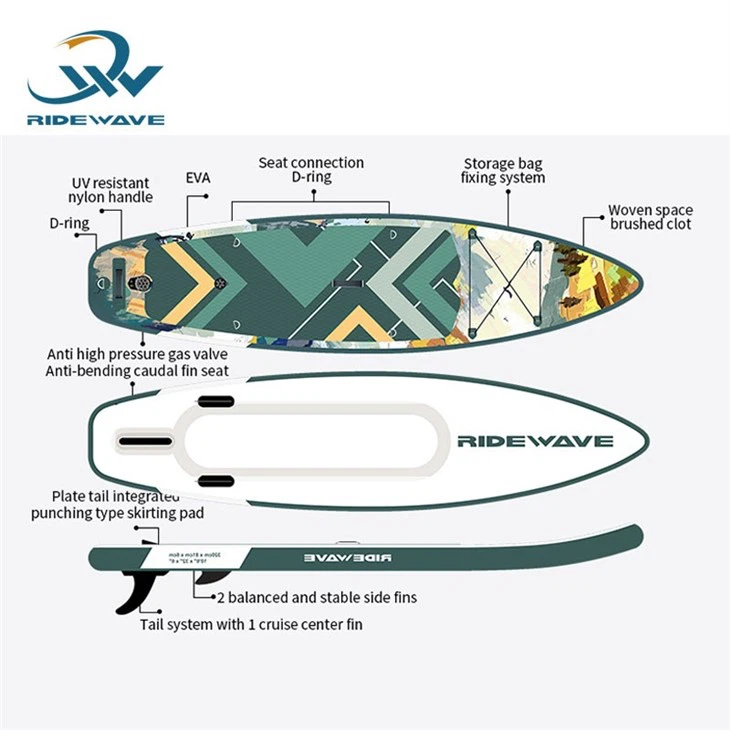
The design of the Rescue Sup itself can also affect the respiratory system. Modern Rescue Sups are designed to be stable and easy to maneuver, which allows the user to paddle with less effort. A more stable board means that the user doesn't have to constantly adjust their balance, reducing the physical strain on the body. This, in turn, can lead to a more consistent and efficient breathing pattern.
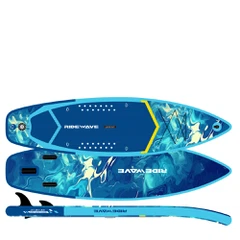
Some Rescue Sups, like the Double Layer Paddle Board and Double Chamber Sup, are designed with advanced materials and construction techniques. These boards are lighter and more durable, making them easier to handle. When a user can handle the board more easily, they can focus more on their paddling technique and breathing. A proper paddling technique ensures that the body is in an optimal position for breathing, allowing for a more efficient exchange of gases in the lungs.
Conclusion
In conclusion, using a Rescue Sup can have a range of effects on the respiratory system. Physically, it provides a moderate - intensity workout that strengthens the respiratory muscles and improves lung function. Environmentally, the clean air and negative ions near water bodies can enhance respiratory health, although certain environmental conditions need to be monitored. Psychologically, the calming effect of being on the water can reduce stress and promote a more normal breathing pattern. And the design of the Rescue Sup can also contribute to a more efficient and comfortable breathing experience.
If you're interested in experiencing the benefits of Rescue Sup for yourself or your organization, we're here to assist you. Whether you're a water sports enthusiast, a rescue team, or a recreational group, we offer a wide range of high - quality Rescue Sups to meet your needs. We're open to discussing your specific requirements and providing customized solutions. Please feel free to reach out to us to start a conversation about procurement and find the perfect Rescue Sup for you.
References
- Journal of Sports Medicine. "Effects of Water - Based Paddling Sports on Respiratory Function."
- Research on Negative Ions and Respiratory Health. Published in the Journal of Environmental Health.
- Psychophysiology Studies on the Impact of Relaxation Activities on the Autonomic Nervous System.


