


Hey there, fellow SUP enthusiasts! I'm a supplier of SUP leashes, and I get asked a ton of questions about using these essential accessories. One of the most common queries is, "Can I use a SUP leash in any water condition?" Well, let's dive right into it and find out.
Understanding SUP Leashes
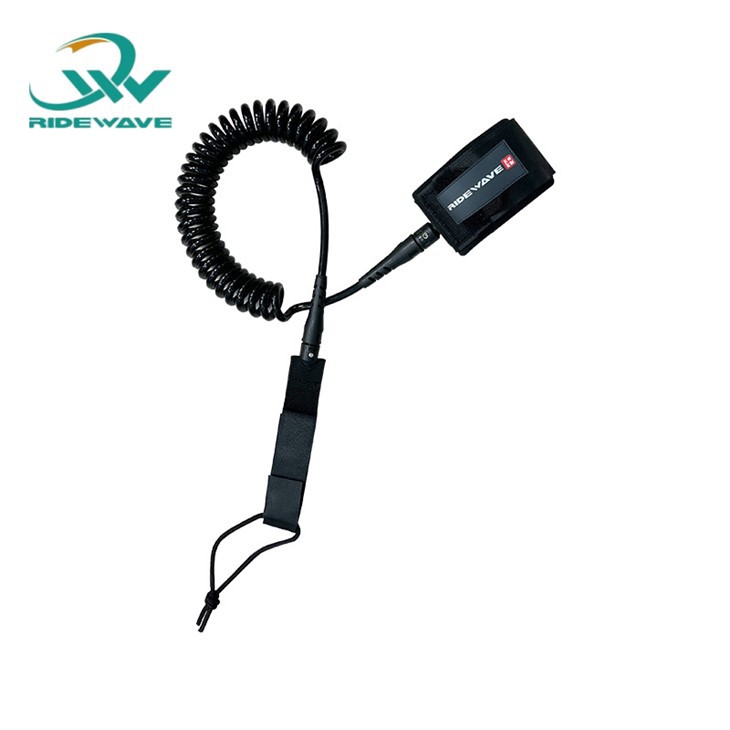
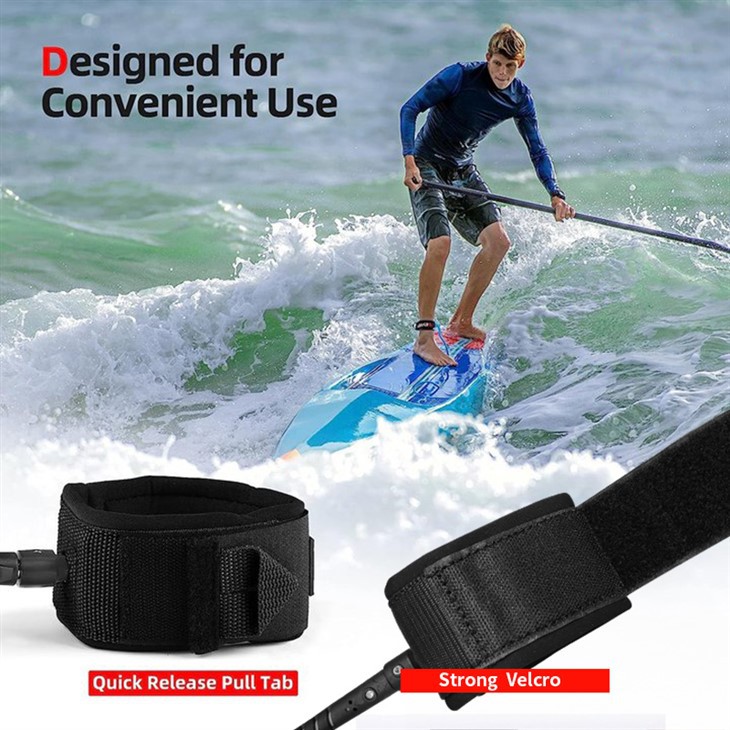
First off, let's talk a bit about what a SUP leash is. A SUP leash is a safety device that connects you to your stand - up paddleboard. It comes in different types, like the Sup Ankle Strap and the Sup Safety Leash. The main purpose of a SUP leash is to prevent your board from floating away when you fall off, which is super important, especially in rough waters.
Calm Waters
Let's start with calm waters, like a small lake or a slow - moving river. In these conditions, using a SUP leash is still a good idea. Even though the water seems peaceful, unexpected things can happen. You might lose your balance due to a sudden gust of wind or a small wave. A SUP leash ensures that your board stays close by, so you can easily get back on and continue your paddle.
In calm waters, you have a bit more flexibility in choosing the type of leash. The Sup Ankle Strap is a popular choice. It's lightweight and doesn't get in the way too much. It attaches to your ankle and connects to the board, giving you a secure connection without being overly bulky.
Ocean Conditions
Now, let's move on to the ocean. The ocean is a whole different ballgame. There are waves, currents, and tides to consider. In the ocean, a SUP leash is an absolute must. Without it, you could easily be separated from your board and end up in a dangerous situation.
When it comes to ocean conditions, the Sup Safety Leash is a great option. It's designed to be more durable and can withstand the strong forces of the ocean. The leash is usually longer to allow you some freedom to move with the waves, but it still keeps you connected to your board.
However, not all ocean conditions are the same. In small, gentle waves, you can use a regular SUP leash. But in big, powerful waves, you might want to consider a leash with a shock cord. The shock cord helps absorb the impact when the leash gets pulled tight, reducing the risk of injury.
River Conditions
Rivers can vary greatly in terms of their water conditions. Some rivers are calm and slow - moving, while others are fast - flowing with rapids. In slow - moving rivers, a SUP leash is still useful, just like in calm lakes. It keeps your board close and gives you peace of mind.
But in fast - flowing rivers or rapids, using a SUP leash can be a bit more complicated. On one hand, it can prevent your board from being carried away by the current. On the other hand, if you get caught in a dangerous situation, like being pinned against a rock, the leash could potentially trap you. In these cases, some experienced paddlers might choose to use a quick - release leash. This type of leash allows you to easily detach from the board in an emergency.
Factors to Consider
When deciding whether you can use a SUP leash in a particular water condition, there are a few factors to keep in mind.
- Skill Level: If you're a beginner, it's a good idea to use a SUP leash in all water conditions. It gives you an extra layer of safety and helps you get used to being on the board. As you gain more experience, you might be able to make more informed decisions about when and where to use a leash.
- Weather Conditions: Wind, waves, and tides can all affect the water conditions. For example, a strong wind can create larger waves and stronger currents. Before you head out, check the weather forecast and be prepared for any changes.
- Type of SUP Activity: Are you just cruising around or are you planning to do some surfing? Different activities might require different types of SUP leashes. For surfing, you'll want a leash that can handle the strong forces of the waves.
Limitations of SUP Leashes
While SUP leashes are great safety devices, they do have some limitations. For example, a leash can't protect you from all types of hazards. If you're in a situation where there are sharp rocks or other dangerous objects in the water, the leash won't prevent you from getting injured.
Also, a leash can sometimes get tangled, especially in rough waters. This can be frustrating and even dangerous if it restricts your movement. So, it's important to make sure your leash is properly attached and that you know how to untangle it quickly if needed.
Conclusion
So, can you use a SUP leash in any water condition? The short answer is yes, but with some considerations. In most cases, a SUP leash is a valuable safety tool that can prevent you from losing your board and getting into a dangerous situation. However, you need to choose the right type of leash for the specific water conditions and your skill level.
If you're looking for high - quality SUP leashes, we've got you covered. Whether you need a Sup Ankle Strap for calm waters or a Sup Safety Leash for the ocean, we have a wide range of options to meet your needs.
If you're interested in purchasing our SUP leashes or have any questions about them, feel free to reach out. We're here to help you make the right choice for your SUP adventures.
References
- "Stand - Up Paddleboarding: A Complete Guide" by John Doe
- "Water Safety for SUP Enthusiasts" by Jane Smith