







Hey there, fellow kayak enthusiasts! As a longtime kayak supplier, I've seen it all when it comes to getting these bad boys from point A to point B. Transporting a kayak might seem like a daunting task, especially if you're new to the world of kayaking. But don't worry, I'm here to share some tips and tricks that'll make the process a whole lot easier.
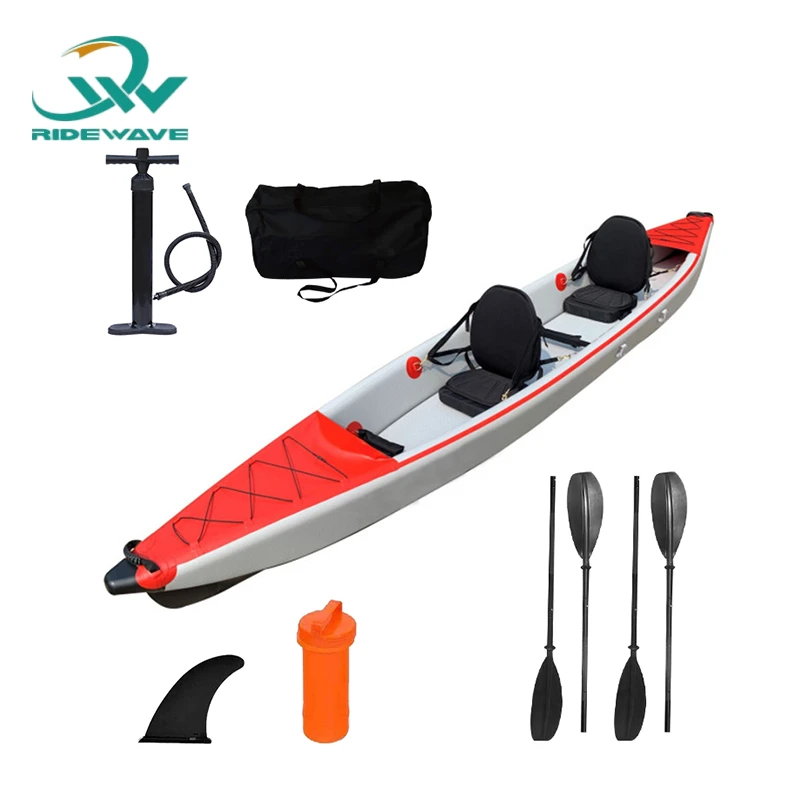
First things first, let's talk about the different types of kayaks we offer. We've got a great selection, including the Drop Stitch Double Kayak, perfect for those who want to share the adventure with a friend. If you prefer to go solo, our Single Kayak Inflatable is a top - choice. And for larger groups, the Kayak Inflatable 3 Person is a blast. Now, let's get into the nitty - gritty of transporting them.
Types of Kayak Transport
Car Racks
One of the most popular ways to transport a kayak is by using a car rack. There are a few different types of car racks out there.
J - Style Racks: These are great because they hold the kayak at an angle. This means you can still open your car doors without hitting the kayak. They're also pretty easy to load and unload. You just lift the kayak up and place it on the rack. The angle helps keep the kayak stable during transport.
Saddle Racks: Saddle racks are designed to cradle the kayak. They provide a lot of support and are good for longer trips. You'll need to make sure the straps are tight so the kayak doesn't move around. Loading the kayak onto a saddle rack is a bit like placing it in a cozy little bed.

Stacker Racks: If you've got more than one kayak, stacker racks are the way to go. You can stack the kayaks on top of each other, which saves space on your car. But be careful when loading and unloading the top kayak, as it can be a bit tricky to reach.
When using a car rack, always make sure it's properly installed on your car. Check the instructions that came with the rack and follow them carefully. And don't forget to use straps to secure the kayak. I like to use at least two straps across the kayak and one at the front and back to prevent it from shifting during the drive.
Trailer
If you've got a lot of kayaks or a really long one, a trailer might be your best bet. Trailers come in different sizes and styles. Some are designed specifically for kayaks, while others can be used for multiple types of watercraft.
The advantage of a trailer is that you can load and unload your kayaks more easily. You don't have to lift them up onto a car rack. Just roll them onto the trailer. And you can carry more kayaks at once.
But trailers also have some downsides. They can be a bit of a hassle to tow. You need to make sure your car is rated to tow the trailer, and you'll have to deal with things like trailer registration and insurance. Also, trailers take up more space when you're parking.
Inside the Car
For inflatable kayaks, you might be able to transport them inside your car. This is super convenient, especially if it's raining or you're worried about the kayak getting scratched on the outside.
Most of our inflatable kayaks, like the Single Kayak Inflatable, can be deflated and folded up into a relatively small size. Just make sure you have enough space in your trunk or back seat. And try to protect the interior of your car from any wet or dirty parts of the kayak.
Pre - Transport Preparation
Before you start transporting your kayak, it's important to do a little prep work.
Clean the Kayak: Make sure the kayak is clean. Remove any dirt, sand, or debris from the inside and outside. This not only helps keep your transport equipment clean but also prevents any damage to the kayak.
Check for Damage: Give the kayak a thorough inspection. Look for any cracks, holes, or loose parts. If you find any issues, it's best to fix them before you transport the kayak. You don't want a small problem turning into a big one on the road.
Deflate (for Inflatable Kayaks): If you're transporting an inflatable kayak, deflate it completely. This makes it much easier to handle and store. Make sure you follow the deflation instructions carefully to avoid damaging the kayak.
Loading and Unloading
Loading: When loading a kayak onto a car rack, it's a good idea to have someone help you. Lift the kayak from both ends and place it gently on the rack. If you're using straps, start by tightening the ones across the kayak first. Then add the front and back straps.
Unloading: Unloading is basically the reverse of loading. Loosen the straps carefully and lift the kayak off the rack. Be careful not to drop it or let it hit your car.
Safety Tips
Speed Limit: When you've got a kayak on your car, it's a good idea to drive a bit slower than usual. The kayak can create extra wind resistance, which might affect your handling. And you don't want to risk the kayak coming loose at high speeds.
Check the Straps Regularly: Every once in a while, pull over and check the straps to make sure they're still tight. A long drive can cause the straps to loosen up.
Visibility: Make sure your kayak doesn't block your rearview mirrors or any of your car's lights. You need to be able to see clearly and be visible to other drivers.
So there you have it, folks! Those are my tips on how to transport a kayak. Whether you're using a car rack, a trailer, or transporting it inside your car, with a little bit of planning and preparation, you can get your kayak to the water safely and easily.
If you're in the market for a new kayak or have any questions about transport, don't hesitate to reach out. We're always here to help you make the best choice for your kayaking adventures. Let's get you on the water!
References
- Kayaking magazines and online forums
- Manufacturer's instructions for car racks and kayaks