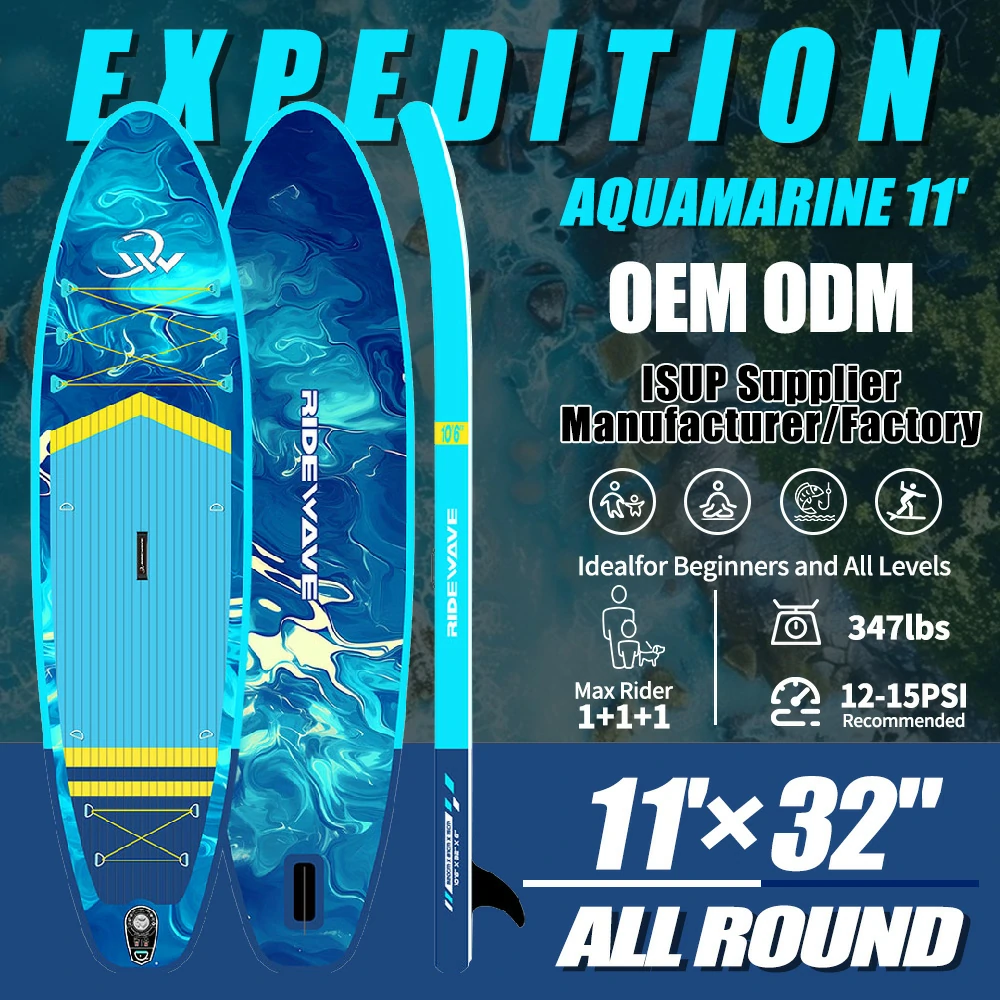


When it comes to stand-up paddleboarding (SUP), one piece of equipment that often gets overlooked but is crucial for safety is the SUP leash. As a SUP leash supplier, I've gotten tons of questions from paddlers about the ideal length for a SUP leash. In this blog post, I'm gonna break down all the factors you need to consider to figure out how long your SUP leash should be.
Why Do You Need a SUP Leash?
Before we dive into the length, let's quickly talk about why a SUP leash is so important. A SUP leash keeps you connected to your board. If you fall off, which is bound to happen, especially when you're just starting out or dealing with rough waters, the leash ensures that your board doesn't float away. This is super important because chasing after a floating board in the water can be exhausting and dangerous, especially in strong currents or big waves.
Factors Affecting SUP Leash Length
1. Paddling Location
- Calm Lakes and Ponds: If you're paddling on a calm lake or pond, a shorter leash might be just fine. There are usually no strong currents or big waves to worry about, so you don't need a long leash to keep your board within reach. A leash around 6 - 8 feet can work well in these conditions. You'll still be able to stay connected to your board if you fall off, and the shorter length won't get in your way too much.
- Oceans and Rough Waters: When you're out in the ocean, things are a lot different. Waves can be big, and there might be strong currents. In these situations, you'll want a longer leash, typically around 9 - 12 feet. The extra length gives you more room to move around when you're riding waves. It also allows your board to stay at a safe distance from you when you're underwater, reducing the risk of getting hit by the board.
2. Paddling Style
- Recreational Paddling: If you're just out for a casual paddle, enjoying the scenery and taking it easy, a medium-length leash, say 8 - 10 feet, is probably a good choice. It gives you enough freedom to move around on the board without the leash being too long and getting tangled.
- Surfing and Wave Riding: For those who love to catch waves on their SUP, a longer leash is essential. You need that extra length to be able to ride the waves and move around on the board without the leash holding you back. A leash of 10 - 12 feet is common among SUP surfers.
3. Your Height and Paddling Stance
Your height and how you stand on the board can also affect the ideal leash length. Taller paddlers might need a slightly longer leash to ensure that they can still reach their board comfortably if they fall off. Similarly, if you have a wider paddling stance, you'll want a leash that gives you enough room to spread your legs without feeling restricted.

Types of SUP Leashes
There are a few different types of SUP leashes available, and each type can have an impact on the length you choose.
1. Sup Ankle Strap
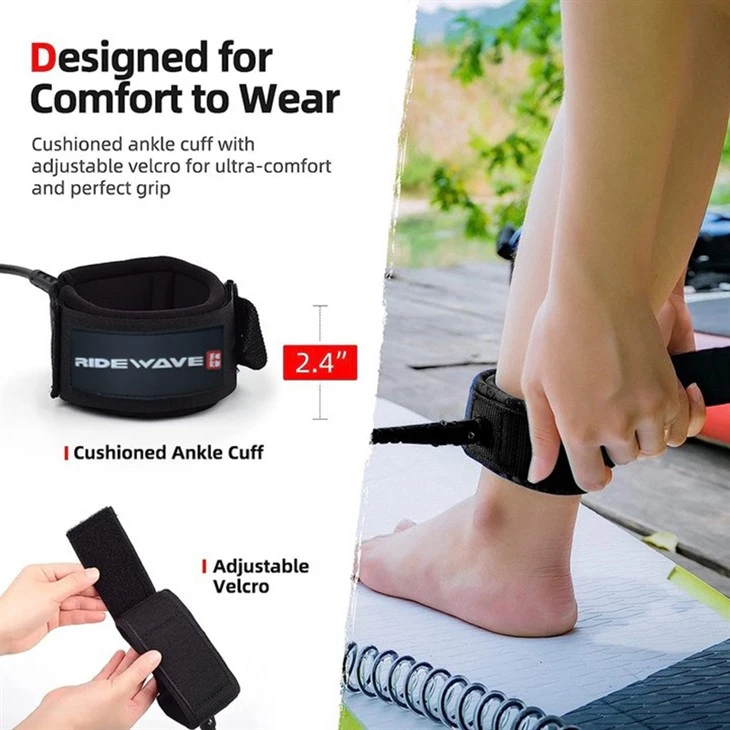
Ankle straps are the most common type of SUP leash. They're attached to your ankle and the board. Ankle straps are great because they keep your board close to you when you fall off. For ankle straps, the lengths mentioned above (6 - 12 feet) are typical. You can choose the length based on your paddling location and style.
2. Sup Safety Leash
Safety leashes are designed to be more secure and are often used in more extreme conditions. They might have additional features like a quick-release mechanism. The length of safety leashes can vary, but they usually follow the same guidelines as ankle straps. You'll still want a longer leash for rough waters and wave riding.
Finding the Right Leash for You
So, how do you actually find the right SUP leash length for you? Here are some tips:
- Try Before You Buy: If possible, try out different leash lengths before you make a purchase. Many paddle shops will let you test out different leashes in a pool or calm water. This way, you can get a feel for how each length works for you.
- Ask for Advice: Talk to other paddlers or the staff at your local paddle shop. They can share their experiences and give you some recommendations based on your paddling goals and the conditions you'll be in.
- Consider Your Budget: Leashes come in a range of prices. While it's important to get a quality leash, you don't have to break the bank. Look for a leash that meets your needs in terms of length and quality at a price you're comfortable with.
Conclusion
Choosing the right length for your SUP leash is all about finding the balance between safety and functionality. By considering factors like your paddling location, style, and personal preferences, you can pick a leash that will keep you safe and allow you to enjoy your time on the water.
If you're in the market for a SUP leash, we've got a great selection of Sup Ankle Strap and Sup Safety Leash in various lengths to suit your needs. Whether you're a beginner or an experienced paddler, we can help you find the perfect leash. If you have any questions or want to discuss your options, feel free to reach out. We're always happy to help you make the right choice for your SUP adventures.
References
- Stand Up Paddle Journal. "The Importance of SUP Leashes."
- Paddleboard Magazine. "Choosing the Right SUP Leash Length."