

How fast can a touring kayak go?
As a seasoned kayak supplier, I've often been asked about the speed capabilities of touring kayaks. It's a question that combines the thrill of adventure with the practicalities of design and performance. In this blog, we'll delve into the factors that influence a touring kayak's speed and explore just how fast these vessels can really go.
Understanding Touring Kayaks
Touring kayaks are designed for long - distance travel on open water. They typically have a sleek, streamlined hull shape that allows them to cut through the water efficiently. Unlike white - water kayaks, which are built for maneuverability in rough rapids, or fishing kayaks, which prioritize stability and storage, touring kayaks focus on speed and endurance.
Factors Affecting Kayak Speed
Hull Design
The hull design is one of the most critical factors in determining a kayak's speed. A longer and narrower hull generally offers less resistance in the water, allowing the kayak to glide more smoothly. For instance, a touring kayak with a length of 16 - 18 feet and a narrow beam (width) will typically be faster than a shorter, wider kayak. The shape of the hull also matters. A V - shaped hull is more efficient at slicing through waves, while a flat - bottomed hull provides more stability but may sacrifice some speed.
Paddler's Skill and Strength
The person behind the paddle plays a huge role in how fast a touring kayak can go. An experienced paddler with good technique can generate more power with each stroke. Proper paddling technique involves using the torso, not just the arms, to transfer energy from the body to the paddle. A strong paddler can maintain a higher cadence (number of strokes per minute) and a more powerful stroke, which directly translates into increased speed.
Water Conditions
The state of the water has a significant impact on kayak speed. Calm, flat water is ideal for achieving maximum speed. In these conditions, there is less resistance from waves and currents. On the other hand, rough seas with large waves and strong currents can slow a kayak down considerably. Headwinds can also create additional drag, making it more difficult to paddle forward. Conversely, a tailwind can give a boost to the kayak's speed, allowing the paddler to cover more distance with less effort.
Kayak Weight and Load
The weight of the kayak itself and the load it carries affect its speed. A lighter kayak is generally easier to accelerate and maintain speed. However, when packing for a long - distance tour, paddlers need to carry essential supplies such as food, water, and camping gear. This additional weight can increase the drag on the kayak and reduce its speed. It's important to find a balance between carrying enough supplies and keeping the overall weight of the kayak to a minimum.
Average Speeds of Touring Kayaks
On average, a moderately experienced paddler in a well - designed touring kayak can achieve speeds of 3 - 4 miles per hour (4.8 - 6.4 kilometers per hour) on flat water. In ideal conditions, with a strong paddler and a favorable wind, speeds of up to 5 - 6 miles per hour (8 - 9.7 kilometers per hour) are possible. However, it's important to note that these speeds are sustained over a long period. Sprinting, where a paddler puts in a short burst of maximum effort, can result in even higher speeds, but this is not sustainable for long distances.
Comparing with Other Types of Kayaks
When compared to other types of kayaks, touring kayaks are among the fastest. Fishing kayaks, which are designed for stability and often have a wider hull, are generally slower. For example, the average speed of a fishing kayak might be around 2 - 3 miles per hour (3.2 - 4.8 kilometers per hour). White - water kayaks, while highly maneuverable, are not built for speed and typically have lower average speeds as well.

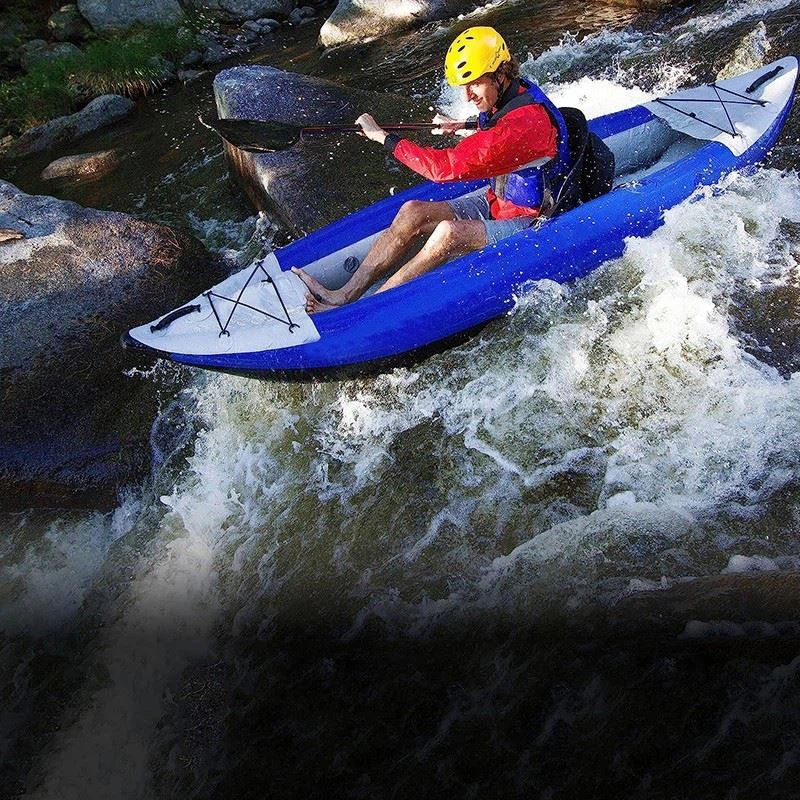
Our Kayak Offerings
At our company, we offer a range of touring kayaks that are designed to optimize speed and performance. Our kayaks are crafted with high - quality materials to ensure a lightweight yet durable construction. We also provide kayaks suitable for different skill levels, from beginners to advanced paddlers.
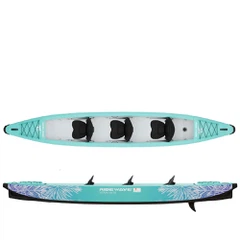
If you're interested in inflatable kayaks, we have some great options. The Best Inflatable Fishing Kayak is not only suitable for fishing but also offers decent speed on flat water. The Advanced Elements Inflatable Kayak is known for its excellent performance and portability. And for those who want to paddle with friends or family, our Three Person Inflatable Kayak provides a fun and relatively fast way to explore the water.
Achieving Maximum Speed
To get the most out of your touring kayak and achieve maximum speed, here are some tips:
- Improve Your Technique: Take a paddling course or watch instructional videos to learn proper paddling technique. Focus on using your torso and maintaining a consistent cadence.
- Choose the Right Conditions: Plan your trips for calm, flat water and favorable wind conditions. Check the weather forecast before heading out.
- Lighten Your Load: Only bring essential items on your tour. Consider the weight of each item and try to minimize unnecessary gear.
- Maintain Your Kayak: Keep your kayak in good condition. A well - maintained hull will have less drag, allowing for better speed.
Conclusion
The speed of a touring kayak is influenced by a variety of factors, including hull design, paddler's skill, water conditions, and kayak weight. While the average speed of a touring kayak ranges from 3 - 4 miles per hour, with the right conditions and a skilled paddler, speeds of up to 5 - 6 miles per hour are achievable.
If you're interested in purchasing a touring kayak or any of our other kayak models, we invite you to reach out to us for a detailed discussion. We can help you choose the right kayak based on your needs, skill level, and budget. Whether you're a beginner looking to start your kayaking journey or an experienced paddler seeking an upgrade, we have the perfect kayak for you. Contact us today to start your next adventure on the water.
References
- Smith, J. (2018). "The Complete Guide to Kayaking". Outdoor Adventures Publishing.
- Johnson, M. (2020). "Kayak Design and Performance". Watercraft Journal.
- Thompson, R. (2019). "Paddling Techniques for Speed and Efficiency". Paddler's Digest.