




Air tracks have gained significant popularity in recent years, not only in professional sports training but also in recreational settings. As an air track supplier, I'm often asked about how these inflatable wonders work. In this blog, I'll delve into the science and mechanics behind air tracks, explaining their functionality, components, and the benefits they offer.
The Basic Principle of an Air Track
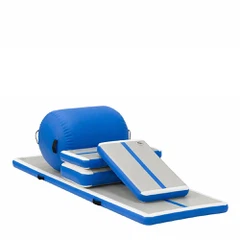
At its core, an air track operates on the principle of air pressure. An air track is essentially an inflatable mat that is filled with air to create a firm yet flexible surface. When air is pumped into the track, it fills the internal chambers, causing the track to expand and take shape. The air pressure inside the track provides support and stability, allowing users to perform various activities on its surface.
The key to the air track's functionality lies in maintaining a consistent air pressure. This is achieved through a combination of high - quality materials and a reliable inflation system. Most air tracks are made from durable PVC or TPU materials that can withstand the pressure of the air inside and the impact of users' movements. These materials are also resistant to punctures and tears, ensuring the longevity of the air track.
Components of an Air Track
- The Bladder: The bladder is the inner part of the air track that holds the air. It is usually made of a strong, air - tight material. The bladder is designed to distribute the air evenly throughout the track, creating a uniform surface. This even distribution of air is crucial for providing consistent support during activities such as gymnastics, tumbling, or martial arts.
- The Outer Cover: The outer cover protects the bladder and gives the air track its aesthetic appeal. It is often made of a smooth, easy - to - clean material. The outer cover can also have different textures, which can affect the grip and feel of the track. For example, a slightly textured cover may provide better traction for gymnasts performing flips and twists.
- The Inflation System: The inflation system is responsible for filling the air track with air. There are two main types of inflation systems: manual and electric. Manual pumps are simple and inexpensive, but they require physical effort to inflate the track. Electric pumps, on the other hand, are more convenient and can inflate the track much faster. Some air tracks come with built - in electric pumps, while others require a separate pump to be purchased.
How Air Pressure Affects Performance
The air pressure inside the air track plays a vital role in its performance. A higher air pressure makes the track firmer, which is ideal for activities that require a lot of bounce, such as trampolining or high - energy gymnastics routines. A lower air pressure, on the other hand, creates a softer surface, which is better for beginners or for activities that require more control, such as yoga or stretching.


Adjusting the air pressure is relatively easy. Most air tracks have a valve that allows you to add or release air. By using a pressure gauge, you can accurately measure the air pressure and adjust it to your desired level. This flexibility in air pressure adjustment makes air tracks suitable for a wide range of users, from professional athletes to casual enthusiasts.
Benefits of Using an Air Track
- Safety: One of the main benefits of an air track is its safety features. The inflatable surface provides a cushioning effect, reducing the risk of injuries from falls. This is especially important for activities like gymnastics, where athletes perform high - risk maneuvers.
- Portability: Air tracks are highly portable. They can be easily deflated and folded up for storage or transportation. This makes them a great option for home use, as well as for traveling to competitions or training sessions.
- Versatility: Air tracks can be used for a variety of activities. Whether you're a gymnast, a martial artist, a yoga practitioner, or just looking for a fun way to exercise, an air track can meet your needs. You can perform flips, jumps, rolls, and other movements on the track, making it a versatile addition to any fitness routine.
Our Product Range
As an air track supplier, we offer a wide range of air tracks to suit different needs and budgets. For example, our 10ft Air Track is a popular choice for home use. It is large enough to perform a variety of activities, yet still compact enough to be stored easily.
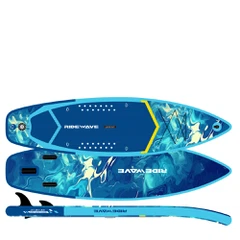
In addition to air tracks, we also offer other related products. Our Stand Up Board For Sale and Touring Paddle Board are great options for water sports enthusiasts. These boards are made from high - quality materials and are designed for stability and performance on the water.
Why Choose Our Air Tracks
- Quality Assurance: We take pride in the quality of our air tracks. Our products are made from the best materials and undergo strict quality control measures to ensure they meet the highest standards.
- Customer Support: We believe in providing excellent customer support. Our team is always ready to answer your questions and help you choose the right air track for your needs.
- Competitive Pricing: We offer our air tracks at competitive prices without compromising on quality. This makes our products accessible to a wide range of customers, from individuals to sports clubs and schools.
Contact Us for Purchase and Negotiation
If you're interested in purchasing an air track or any of our other products, we encourage you to contact us. We are open to negotiation and can work with you to find the best solution for your specific requirements. Whether you're looking for a single air track for home use or a bulk order for a sports facility, we can accommodate your needs.
References
- "Gymnastics Equipment Handbook" - A comprehensive guide on gymnastics equipment, including air tracks.
- "The Science of Inflatable Structures" - A technical book that explains the principles behind inflatable objects like air tracks.
- Industry reports on the sports equipment market, which provide insights into the trends and features of air tracks.