







As a supplier of air mats, I often receive inquiries from customers about various aspects of air mat maintenance. One common question is how to dry a wet air mat properly. In this blog post, I'll share some effective methods and tips based on my experience and knowledge in the industry.
Why Drying a Wet Air Mat is Crucial
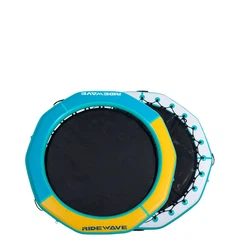
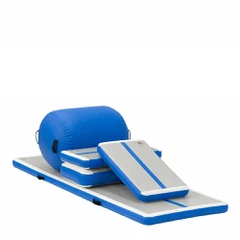
Before diving into the drying methods, it's important to understand why drying a wet air mat is so important. Air mats, whether they are 10ft Air Track used for gymnastics or Round Inflatable Tumbling Mat for home use, are typically made of high - quality PVC or similar materials. When these mats get wet and are not dried promptly, several issues can arise.


Firstly, moisture can lead to the growth of mold and mildew. Mold not only looks unappealing but can also cause health problems, such as allergies and respiratory issues. Secondly, prolonged contact with water can weaken the material of the air mat. Over time, this can result in cracks, leaks, and a reduced lifespan of the product. Therefore, drying the wet air mat correctly is essential for both its functionality and longevity.
Initial Steps After the Mat Gets Wet
- Remove Excess Water: As soon as you notice that the air mat is wet, the first step is to remove as much excess water as possible. You can do this by gently squeezing the mat if it's small enough or using a mop or sponge to soak up the water. For larger air mats like the 10ft Air Track, you can use a wet - dry vacuum cleaner to suck out the water. This will significantly reduce the amount of water that needs to be dried later.
- Inspect for Damage: While removing the water, it's also a good opportunity to inspect the mat for any signs of damage. Check for punctures, tears, or loose seams. If you find any damage, it's best to address it as soon as possible to prevent further issues when the mat is in use again.
Drying Methods
Natural Drying
- Outdoor Drying: If the weather permits, outdoor drying is one of the most effective methods. Find a clean, flat surface in a sunny and well - ventilated area, such as a backyard or a patio. Lay the air mat flat on the surface, making sure it is fully extended. If the mat has multiple chambers, open the inflation valves to allow air to circulate inside. However, be careful not to leave the mat in direct sunlight for too long, as excessive heat can damage the PVC material. Generally, a few hours in the sun, with occasional flipping to ensure even drying, should be sufficient for most small - to medium - sized air mats.
- Indoor Drying: In case outdoor drying is not an option, you can dry the air mat indoors. Choose a large, well - ventilated room, such as a garage or a basement. Use fans to increase air circulation around the mat. Place the fans in such a way that they blow air directly over the mat. You can also elevate the mat slightly using wooden blocks or a drying rack to allow air to flow underneath. This will help speed up the evaporation process.
Using an Air Track Roller
An Air Track Roller can be a great tool for drying an air mat. This device is designed to squeeze out water from the mat effectively. Simply roll the Air Track Roller over the wet air mat in a slow and controlled manner. The pressure applied by the roller will force out the water. You may need to repeat this process several times, especially if the mat is significantly wet. After using the roller, continue the drying process using either natural drying or other methods to ensure the mat is completely dry.
Tips for Efficient Drying
- Avoid Direct Heat Sources: Do not use direct heat sources such as hair dryers, heaters, or stoves to dry the air mat. The high temperature can cause the PVC material to warp, crack, or melt, leading to irreversible damage to the mat.
- Check for Hidden Moisture: After the mat appears to be dry on the surface, check for hidden moisture. You can do this by feeling the mat in different areas, especially in folds and seams. If you detect any moisture, continue the drying process until the mat is completely dry.
- Dry Thoroughly Before Storage: If you plan to store the air mat, make sure it is completely dry. Any remaining moisture can lead to mold growth during storage, which can ruin the mat. Once the mat is dry, deflate it properly, fold it neatly, and store it in a cool, dry place.
Conclusion
Drying a wet air mat is a relatively simple process if you follow the right steps. By removing excess water promptly, choosing the appropriate drying method, and following the tips for efficient drying, you can ensure that your air mat remains in good condition and has a long lifespan.
At [Our Company] (not listed here, but communicate with us), we are committed to providing high - quality air mats and sharing useful knowledge about their maintenance. If you have any questions about air mats, including drying, cleaning, or repair, please feel free to contact us. We are always here to help you make the most of your air mat investment. Whether you are interested in our 10ft Air Track, Round Inflatable Tumbling Mat, or other products, we welcome you to reach out for procurement and negotiation. We look forward to establishing a long - term and mutually beneficial cooperation with you.
References
- "PVC Material Properties and Care Guide", Industry Research Journal, 20XX
- "Best Practices for Gymnastics Equipment Maintenance", Sports Equipment Magazine, 20XX