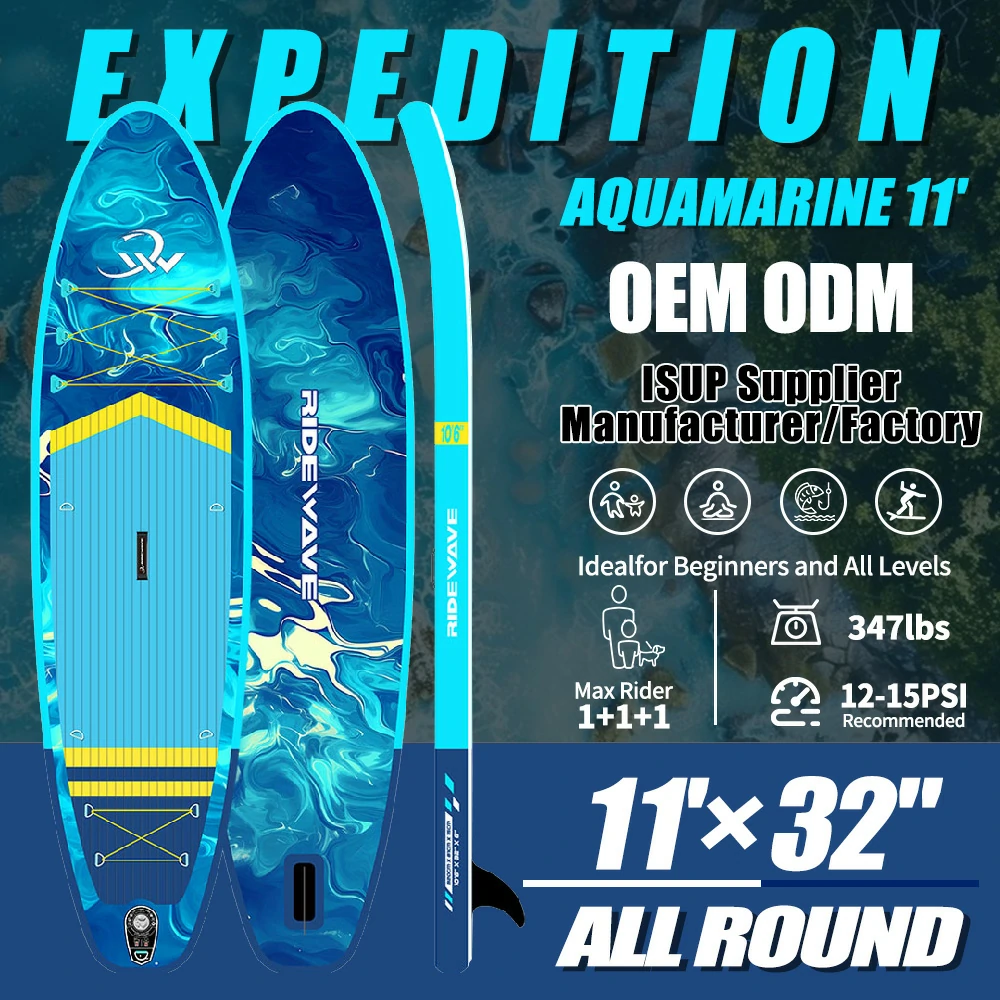



Choosing the right SUP (Stand Up Paddleboarding) leash is crucial for both safety and performance on the water. As a supplier of high - quality SUP leashes, I'm here to share some insights to help you make an informed decision.
Understanding the Importance of a SUP Leash
The primary purpose of a SUP leash is to keep you connected to your board. When you fall off your board, the leash prevents the board from drifting away, which can be especially dangerous in strong currents or large waves. It also helps in retrieving your board quickly, reducing the risk of exhaustion and potential drowning.
Types of SUP Leashes
There are two main types of SUP leashes: coiled and straight.
Coiled Leashes
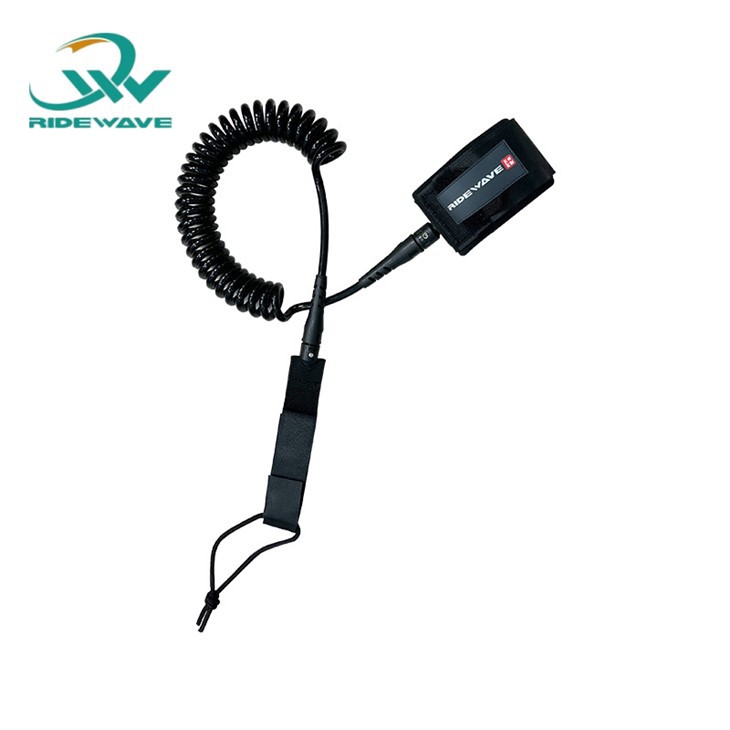
Coiled leashes are the most common type. They are designed to stretch and retract, providing a convenient length that keeps the leash out of the way while you're paddling. The coil design reduces the risk of the leash getting tangled in your paddle or under your feet. These leashes are suitable for most paddling conditions, from calm lakes to small waves. For example, if you're a beginner paddling on a lake, a coiled leash will give you the freedom of movement without much hassle.
Straight Leashes
Straight leashes, on the other hand, are typically made for more advanced paddlers in high - wave or white - water conditions. They are non - stretchable and offer a more direct connection to the board. This is important in big waves where a coiled leash might stretch too much, allowing the board to get away from you. A straight leash gives you a better grip and control over the board, especially when you're riding large swells.
Length Considerations
The length of the SUP leash is also an important factor. A common length for a coiled leash is around 7 - 9 feet. This length provides enough slack to move around on the board comfortably while still keeping it close in case of a fall. For straight leashes, the length can vary depending on the size of the waves and the type of paddling. In general, they are shorter, usually around 6 - 8 feet, to ensure a more reliable connection between you and the board.
Attachment Systems
There are different ways a SUP leash can be attached to your board and your body.
Board Attachment
Most SUPs come with a fin box where the leash can be attached. The leash usually has a clip or a loop that connects to this part of the board. Make sure the attachment is secure and compatible with your board's fin box. Some leashes come with adjustable attachments that can fit different types of fin boxes.
Body Attachment
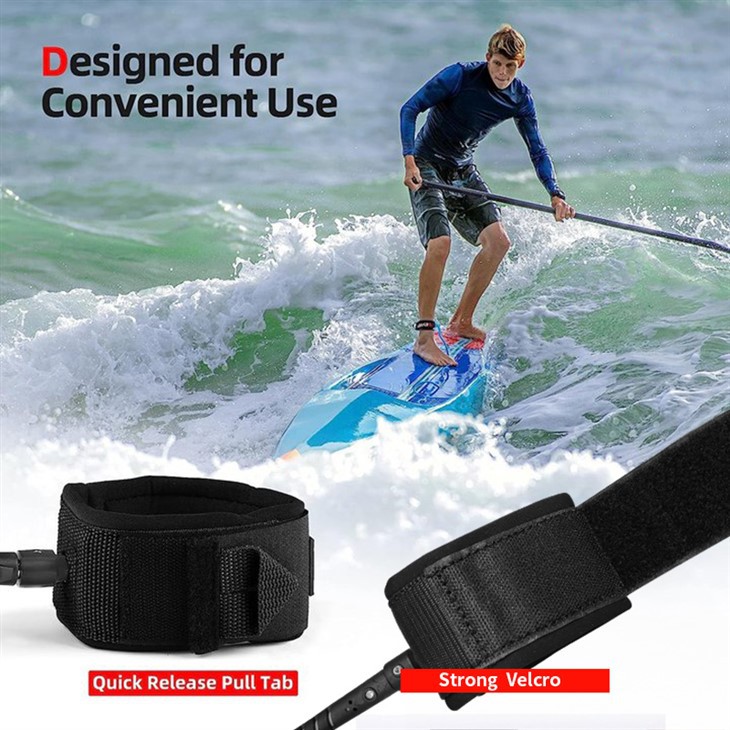
The most common body attachment is the ankle strap. Sup Ankle Strap is designed to be comfortable and secure around your ankle. It should be adjustable to fit various ankle sizes and have a good amount of padding to prevent chafing. Some people prefer wearing the leash on their dominant foot, while others choose the non - dominant one. It depends on personal preference, but the key is to make sure it doesn't restrict your movement.
Safety Features
When choosing a SUP leash, safety features are of utmost importance.
Breakaway System
Some leashes are equipped with a breakaway system. This is a safety mechanism that allows the leash to detach under extreme force, such as getting caught on a rock or a submerged object. It can prevent serious injury or drowning by freeing you from the board if it's in a dangerous position.
Reflective Elements
Leashes with reflective elements are a great option for those who paddle at dawn, dusk, or at night. The reflective strips make you more visible to other watercraft, reducing the risk of collisions.
Material Quality
The quality of the materials used in the SUP leash directly affects its durability and performance.
Leash Cord
The cord of the leash is usually made of either nylon or polyurethane. Nylon cords are strong and durable, but they can absorb water, which might make them heavier. Polyurethane cords are water - resistant and have a better stretch and recovery rate. They are also less likely to kink or tangle.
Ankle Strap Material
The ankle strap is typically made of neoprene or a similar soft, flexible material. Neoprene is comfortable against the skin, provides good insulation, and has a high level of elasticity, which ensures a snug fit.
Compatibility with Your SUP
Not all SUP leashes are suitable for every type of stand - up paddleboard.
Board Size
Larger boards generally require longer leashes to maintain a proper distance between you and the board. Smaller boards, on the other hand, can work well with shorter leashes.
Paddling Style
If you're into surf - style paddling, a coiled leash with a good stretch might be more appropriate. For touring or flat - water paddling, the choice between a coiled and a straight leash depends more on personal preference.
Brand and Reputation
When purchasing a SUP leash, it's important to consider the brand and its reputation. Well - known brands often invest in research and development to improve the safety and performance of their products. They also provide better customer support and warranties. Our Sup Safety Leash is designed with the latest technology and highest quality materials to ensure your safety on the water.
Price
Price is always a consideration when making a purchase. While it's tempting to go for the cheapest option, remember that a high - quality SUP leash is an investment in your safety. Cheaper leashes might be made of lower - quality materials and may not have the necessary safety features. However, that doesn't mean you have to break the bank. There are many options in the market that offer a good balance between price and quality.
Maintenance and Care
Proper maintenance and care of your SUP leash can extend its lifespan. After each use, rinse the leash with fresh water to remove salt, sand, and other debris. Hang it to dry in a cool, shaded place, away from direct sunlight. Avoid storing the leash in a cramped space where it can get tangled or damaged.
Conclusion
Choosing the right SUP leash is a combination of understanding your needs, considering the different types and features available, and ensuring compatibility with your paddleboard. As a SUP leash supplier, we're here to provide you with high - quality products that meet all these requirements. Whether you're a beginner or an experienced paddler, having the right leash can make a significant difference in your safety and enjoyment on the water.
If you're interested in purchasing SUP leashes for your equipment needs or for retail purposes, we invite you to get in touch for a detailed procurement discussion. We'll be happy to assist you in selecting the most suitable products for your specific requirements.
References
- "Stand Up Paddleboarding: The Complete Guide" - various authors
- Industry standards and guidelines for SUP equipment safety