



Adjusting the width of a kayak seat is a crucial aspect that can significantly enhance your kayaking experience. As a leading kayak seat supplier, I understand the importance of a well - fitting seat for comfort, stability, and performance on the water. In this blog, I'll share some effective ways to adjust the width of a kayak seat.
Why Adjusting Kayak Seat Width Matters
Before delving into the adjustment methods, let's understand why getting the right seat width is essential. A seat that is too wide won't provide proper support for your body. You'll find yourself sliding around during paddling, which can be not only uncomfortable but also dangerous as it can throw off your balance. On the other hand, a seat that is too narrow will create pressure points, causing pain in your hips and thighs over time. This discomfort can quickly turn a fun kayaking trip into a miserable experience. A properly adjusted seat width ensures that your weight is evenly distributed, keeps your body in an ergonomic position, and allows for smooth and efficient paddling.
Understanding Your Kayak Seat
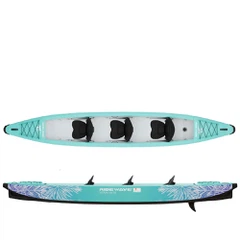
When it comes to adjusting the width of a kayak seat, it's vital to first understand the type of seat you have. There are different designs of kayak seats available on the market, each with its own adjustment mechanisms.
Most modern kayak seats come with adjustable straps. These straps can be tightened or loosened to modify the seat width. For instance, some seats have side - mounted straps that, when pulled tight, will bring the sides of the seat closer together, reducing the width. Loosening these straps will have the opposite effect, increasing the width.
There are also seats that use a buckle - and - strap system. These systems can be more precise in terms of adjustment as you can easily find the right tension for your body. By undoing the buckle and re - latching it at different positions on the strap, you can fine - tune the seat width.
Step - by - Step Guide to Adjusting Kayak Seat Width
Step 1: Prepare Your Kayak
Before making any adjustments, make sure your kayak is on a stable surface. You can place it on a flat ground or a kayak stand. This will prevent the kayak from moving around while you're working on the seat, ensuring your safety and making the adjustment process easier.
Step 2: Locate the Adjustment Straps
Examine your kayak seat carefully to find the adjustment straps. As mentioned earlier, they are usually located on the sides of the seat. Some seats may also have additional straps at the back or the front that can affect the width adjustment.
Step 3: Loosen the Straps
If the seat seems too tight, start by loosening the straps. You can do this by releasing the buckle if it's a buckle - and - strap system or by simply pulling the free end of the strap if it's a more basic system. Loosen the straps gradually until you feel like there is enough room for you to sit comfortably.
Step 4: Test the Width
Once you've loosened the straps, sit in the kayak seat. Adjust your body position to get a feel for the new width. Notice how your hips and thighs fit in the seat. If you feel that there is still not enough room or that the seat is too loose, continue to adjust the straps accordingly.
Step 5: Tighten for the Right Fit
If you find that the seat is too wide, start tightening the straps. Pull the straps slowly and evenly on both sides to ensure that the seat width is adjusted symmetrically. Sit in the seat again after each small adjustment to check the fit. You want to achieve a snug fit where your body is supported but not restricted.
Step 6: Secure the Straps
Once you've found the perfect width, make sure to secure the straps properly. If it's a buckle - and - strap system, double - check that the buckle is latched tightly. For other types of straps, you may need to tie a secure knot.
Special Considerations for Different Seat Types
Kayak Sup Seat
The Kayak Sup Seat is designed for use in both kayaks and stand - up paddleboards. These seats often have a more flexible design to adapt to different watercraft. When adjusting the width of a Kayak Sup Seat, pay attention to its modular features. Some models have removable cushions or side panels that can be added or removed to adjust the width. You can also use the adjustable straps in the same way as described above, but be aware that the seat's construction may allow for more creative adjustments to fit your specific needs.


Sup Paddle Board Seat
The Sup Paddle Board Seat is optimized for use on paddleboards. Usually, these seats are smaller and lighter. When adjusting the width, it's important to keep the stability of the paddleboard in mind. Since paddleboards are less stable than kayaks, a well - adjusted seat can help you maintain balance. The adjustment straps on a Sup Paddle Board Seat are often more delicate, so be careful when tightening or loosening them to avoid damaging the seat.
Isup Seat
The Isup Seat is designed for inflatable stand - up paddleboards. These seats are inflatable themselves, which provides an additional way to adjust the width. You can pump more air into the seat to increase its firmness and width, or let some air out to make it softer and narrower. In addition to the air adjustment, most Isup seats also have traditional adjustable straps for fine - tuning the fit.
Tips for Maintaining the Adjusted Seat Width
After you've successfully adjusted the width of your kayak seat, it's important to maintain the adjustment to ensure long - term comfort. Here are some tips:
- Regular Inspection: Check the adjustment straps periodically for signs of wear and tear. If the straps are frayed or damaged, replace them immediately to prevent the seat width from changing unexpectedly.
- Proper Storage: When not in use, store your kayak and seat in a dry place. Avoid leaving it in direct sunlight for extended periods as this can cause the materials to degrade and affect the seat's fit.
- Cleaning: Clean your kayak seat regularly according to the manufacturer's instructions. This will prevent dirt and debris from getting into the adjustment mechanisms and ensure smooth operation.
Conclusion
Adjusting the width of a kayak seat is a simple yet effective way to improve your kayaking experience. As a kayak seat supplier, I encourage you to take the time to get the perfect fit for your body. Whether you're using a Kayak Sup Seat, a Sup Paddle Board Seat, or an Isup Seat, a well - adjusted seat can make all the difference in your comfort and performance on the water.
If you're in the market for high - quality kayak seats or need further assistance with seat adjustment, I invite you to reach out for a procurement discussion. We're here to provide you with the best products and solutions to meet your kayaking needs.
References
- Smith, J. (2022). The Complete Guide to Kayak Seating. Outdoor Activities Publishing.
- Johnson, A. (2021). Paddleboarding and Kayaking Ergonomics. Water Sports Journal.