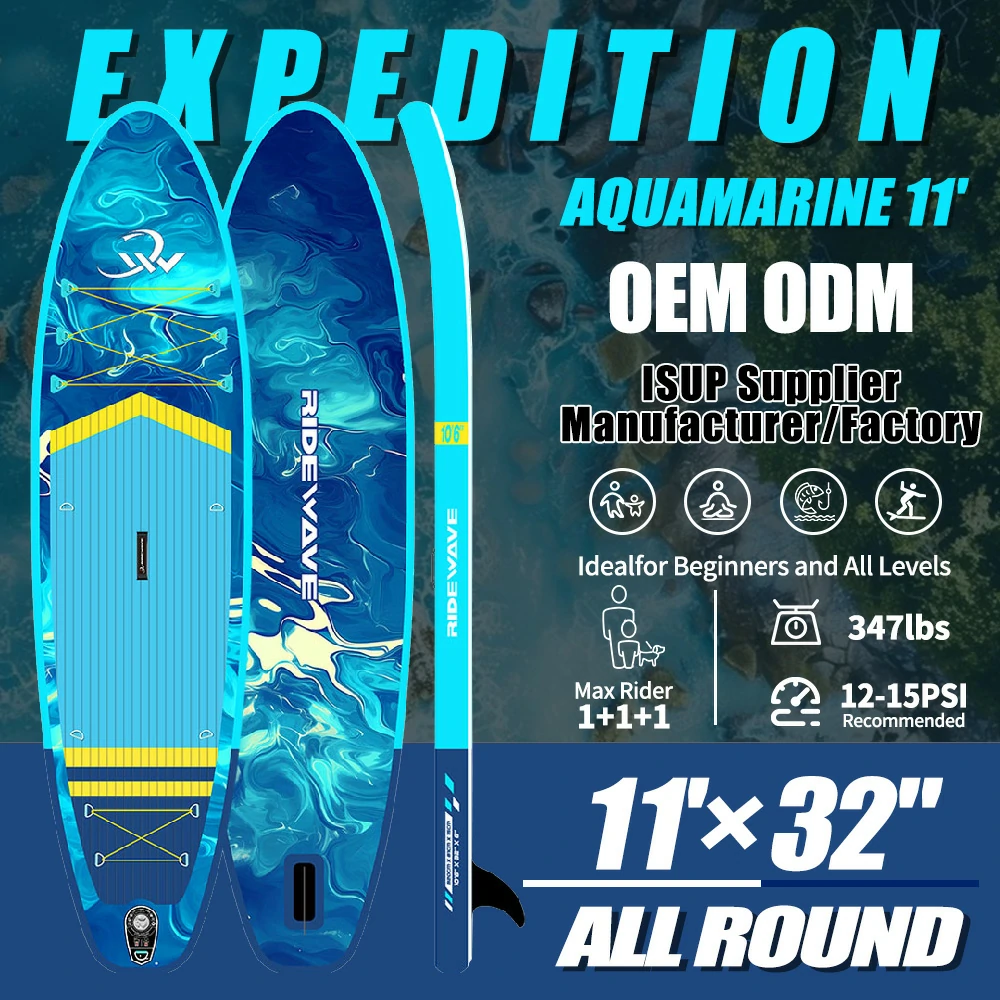



As a supplier for Sup Fin, I've witnessed firsthand how this brand integrates advanced technology into its operations. In this blog, I'm going to share some insights based on my long - term cooperation with them.
Material Innovation
One of the most obvious aspects where Sup Fin uses advanced technology is in material selection and development. When I first started working with them, I was impressed by the high - tech materials they used for their fins.
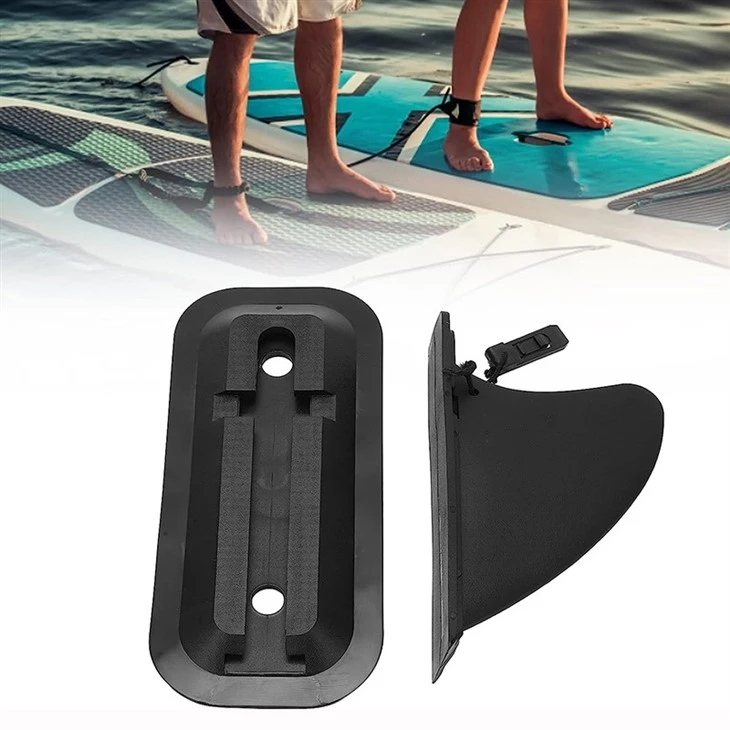

For instance, their Paddle Board Fins often incorporate carbon fiber composites. Carbon fiber is well - known in the high - tech industry for its outstanding strength - to - weight ratio. What this means is that the fins can be strong enough to withstand the rigors of the water, like the impact from rocks or strong currents, while being light enough not to weigh down the paddle board. This is no easy feat. Sup Fin's R & D team has spent countless hours researching and testing different carbon fiber blends to find the perfect balance. They use state - of - the - art equipment to analyze the mechanical properties of the materials, ensuring that each fin meets their high - quality standards.
Another material they've explored is a special type of polymer for their Inflatable Sup Fin. This polymer is not only highly durable but also flexible. It can be inflated and deflated easily, which is a huge advantage for those who need to transport their paddle boards. The technology behind this polymer involves precise chemical engineering. Sup Fin's scientists have developed a formula that makes the polymer resistant to punctures, UV rays, and degradation over time. This ensures that the inflatable fins remain in good condition even after multiple uses and exposure to the elements.
Manufacturing Precision
Sup Fin doesn't just stop at using advanced materials; they also employ cutting - edge manufacturing techniques. Their production facilities are equipped with advanced machinery that allows for extremely precise manufacturing.
CNC (Computer Numerical Control) machining is one of the key technologies they use. With CNC machines, the manufacturing process is automated and highly accurate. For the Touring Fin, which requires a very specific shape and size for optimal performance, CNC machining ensures that each fin is made exactly to the design specifications. The machines use computer - controlled cutting tools to shape the materials with micron - level precision. This means that every fin that comes out of the production line is virtually identical, guaranteeing consistent performance for the users.
In addition to CNC machining, Sup Fin also uses 3D printing technology in the prototyping stage. 3D printing allows them to quickly create physical models of new fin designs. This is a huge time - saver compared to traditional prototyping methods. They can test different shapes and sizes in the water and get feedback from professional paddlers in a short period. Based on the feedback, they can quickly make adjustments to the 3D model and print a new prototype. This agile development process enables Sup Fin to continuously improve their fin designs and stay ahead in the market.
Aerodynamics and Hydrodynamics Research
A lot of effort at Sup Fin goes into understanding and applying the principles of aerodynamics and hydrodynamics. Their team of engineers and researchers conduct in - depth studies to optimize the performance of their fins.
In terms of hydrodynamics, they use advanced computer simulations to analyze how water flows around the fins. By changing the shape, angle, and curvature of the fins in the virtual environment, they can predict how these changes will affect the speed, stability, and maneuverability of the paddle board. For example, they've discovered that a slightly curved fin design can reduce drag and improve the efficiency of paddling. These findings are then translated into real - world products.
Aerodynamics also plays a role, especially when considering the fins' performance in different wind conditions. When the wind blows across the water, it can affect the movement of the paddle board. Sup Fin's research aims to design fins that can counteract the negative effects of wind and help the paddler maintain better control. Their experiments involve testing the fins in wind tunnels and real - world water conditions. This multi - faceted research approach ensures that their fins perform well in a variety of environmental situations.
Quality Control Measures
Advanced technology is also evident in Sup Fin's quality control processes. They use a combination of manual inspections and automated testing systems to ensure the quality of every single fin.
Manual inspections are carried out by experienced workers who check each fin for any visible defects, such as scratches, cracks, or uneven surfaces. But they don't rely solely on human eyes. Automated testing systems are used to measure key performance indicators with high precision. For example, stress - testing machines apply a specified amount of force to the fins to ensure they can withstand the pressure without breaking. Ultrasonic testing is used to detect internal flaws that may not be visible to the naked eye. This comprehensive quality control system means that only the highest - quality fins make it to the market.
Collaboration and Innovation Ecosystem
Sup Fin doesn't work in isolation. They actively collaborate with universities, research institutions, and professional paddlers to stay at the forefront of technology.
Collaborations with universities and research institutions allow them to access the latest scientific findings and academic research in the fields of materials science, engineering, and fluid dynamics. This gives them a head start in developing new technologies and products. For example, they might partner with a materials science department to explore new types of polymers that could further improve the performance of their fins.
They also listen closely to the feedback from professional paddlers. These athletes use the fins in real - world competition scenarios and can provide valuable insights into what works and what doesn't. Sup Fin incorporates this feedback into their R & D process, constantly innovating and improving their products.
Conclusion
In conclusion, Sup Fin definitely uses advanced technology in every aspect of its operations. From material innovation and precision manufacturing to in - depth research and strict quality control, they are committed to providing high - performance paddle board fins.
If you're in the market for top - notch paddle board fins, I highly recommend considering Sup Fin. Their use of advanced technology ensures that you'll get a product that is not only durable but also optimized for performance. Whether you're a professional paddler or just starting out, Sup Fin's fins can enhance your paddling experience.
I'm here as a supplier, and I'd love to talk to you about potential procurement opportunities. If you're interested in learning more about Sup Fin products or discussing a purchase, feel free to reach out. Let's work together to take your paddle board business to the next level.
References
- Various research papers on materials science and fluid dynamics related to paddle board fin design
- Internal reports from Sup Fin's R & D department
- Feedback and data from professional paddlers' testing of Sup Fin products