

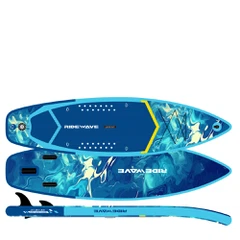



Hey there, fitness enthusiasts! As a seasoned fitness sup supplier, I often get asked about the side effects of fitness sup. That's what we're gonna dig into today - are there really any side effects of using fitness sup?
Let's first break down what fitness sup is. Fitness sup, or Stand - Up Paddleboarding for fitness, has gained a ton of popularity in recent years. It's not just great for a full - body workout but also offers a chance to enjoy nature while you exercise. Whether you're into Yoga Sup Board sessions on the water or more high - intensity paddling, fitness sup has got you covered.
Now, onto the big question: side effects. Like any physical activity, there are some potential things you need to be aware of.
1. Muscle Soreness
This is probably the most common "side effect" you'll experience when you start using fitness sup. When you paddle, you're engaging multiple muscle groups at once. Your core muscles, including your abs, obliques, and lower back, work hard to keep you balanced on the board. Your arms, shoulders, and back muscles are also heavily involved in the paddling motion.
If you're new to fitness sup, it's normal to feel sore the next day or even a couple of days after your first session. This soreness is called delayed - onset muscle soreness (DOMS). It happens because the muscles are being stressed in new ways, and tiny tears occur in the muscle fibers. But don't worry, this is actually a sign that your muscles are growing and getting stronger.
To reduce muscle soreness, make sure to warm up before you hit the water. A simple 5 - 10 minute warm - up of light stretching and some easy cardio can help prepare your muscles. After your workout, cool down with some gentle stretching. You can also take an Epsom salt bath, which is known to help ease muscle pain.
2. Sunburn
When you're out on the water, you're exposed to the sun for an extended period. The sun's rays can be pretty harsh, especially if you're not properly protected. Sunburn not only causes pain and discomfort but also increases your risk of skin cancer in the long run.
To avoid sunburn, always apply a high - SPF sunscreen before you go out. Reapply it every few hours, especially if you've been in the water. Wear a hat with a wide brim to protect your face and neck, and sunglasses to shield your eyes. If possible, try to paddle during the early morning or late afternoon when the sun is less intense.
3. Fatigue
Fitness sup is a physically demanding activity. Paddling against the current, maintaining balance, and performing various exercises on the board can really take it out of you. If you push yourself too hard during your workout, you might experience fatigue.
It's important to listen to your body. If you start feeling overly tired during your session, take a break. You can just sit on the board and float for a few minutes to catch your breath. Make sure to stay hydrated throughout your workout by drinking plenty of water. And don't forget to fuel your body with a healthy snack before and after your session to keep your energy levels up.
4. Joint Strain
The repetitive motion of paddling can put strain on your joints, especially your shoulders, elbows, and wrists. If you have pre - existing joint problems or if you're using improper paddling technique, the risk of joint strain increases.
To prevent joint strain, make sure you're using the right paddle for your height and strength. A paddle that's too long or too heavy can put unnecessary stress on your joints. Also, focus on using proper paddling form. Keep your elbows slightly bent, and use your core muscles to power your strokes rather than just relying on your arms.


5. Water - Related Risks
When you're on a fitness sup board, you're in the water, and there are some water - related risks to be aware of. For example, if you're not a strong swimmer, there's always a risk of drowning if you fall off the board. Even if you are a good swimmer, strong currents, waves, or cold water temperatures can pose challenges.
Always wear a life jacket when you're on a fitness sup board. It's the most important safety equipment you can have. Also, check the weather and water conditions before you go out. Avoid paddling in rough waters or during storms.
But here's the thing - these "side effects" are not really deal - breakers. In fact, they're just part of the process of getting fit and having fun with fitness sup. The benefits of fitness sup far outweigh the potential risks.
Fitness sup offers a low - impact workout that can improve your cardiovascular health, strengthen your muscles, and enhance your balance and flexibility. It's also a great way to relieve stress and connect with nature. Whether you're into Yoga Series(Green) or more intense paddling workouts, there's a fitness sup option for everyone.
If you're interested in getting started with fitness sup, or if you're a fitness center or retailer looking to stock high - quality fitness sup products, I'd love to talk to you. We offer a wide range of fitness sup boards, paddles, and accessories that are designed to meet the needs of both beginners and advanced users. Contact us to start a采购洽谈 (I'll just leave that as a prompt for you to reach out and start the discussion). We can provide you with detailed product information, pricing, and shipping options.
In conclusion, while there are some potential side effects of fitness sup, with proper precautions and safety measures, you can enjoy all the benefits of this amazing activity without much worry. So go ahead, grab a board, and hit the water!
References
- American Council on Exercise. (2023). Stand - Up Paddleboarding: A Full - Body Workout.
- Skin Cancer Foundation. (2023). Sun Safety Tips.
- Mayo Clinic. (2023). Delayed - Onset Muscle Soreness.