

Are there any adaptive Sup Paddles for people with disabilities?
In recent years, the sport of stand - up paddleboarding (SUP) has gained significant popularity. It offers a unique blend of physical activity, connection with nature, and a sense of adventure. However, for people with disabilities, accessing this exciting sport can be a challenge. At our company, as a Sup Paddle supplier, we are committed to making SUP more inclusive by providing adaptive Sup paddles.
The Need for Adaptive Sup Paddles
People with disabilities often face barriers when it comes to participating in water sports. Traditional Sup paddles may not be suitable for those with limited mobility, strength, or dexterity. For example, individuals with upper - limb disabilities may find it difficult to hold and maneuver a standard paddle. This is where adaptive Sup paddles come in.
Adaptive Sup paddles are designed to meet the specific needs of people with disabilities. They can be adjusted in length, grip, and blade design to accommodate different physical abilities. By using these specialized paddles, people with disabilities can enjoy the benefits of SUP, such as improved balance, core strength, and cardiovascular health.
Types of Adaptive Sup Paddles
Adjustable Paddle Board Paddle
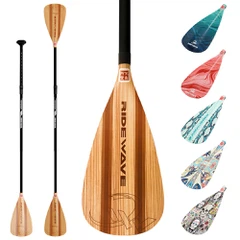
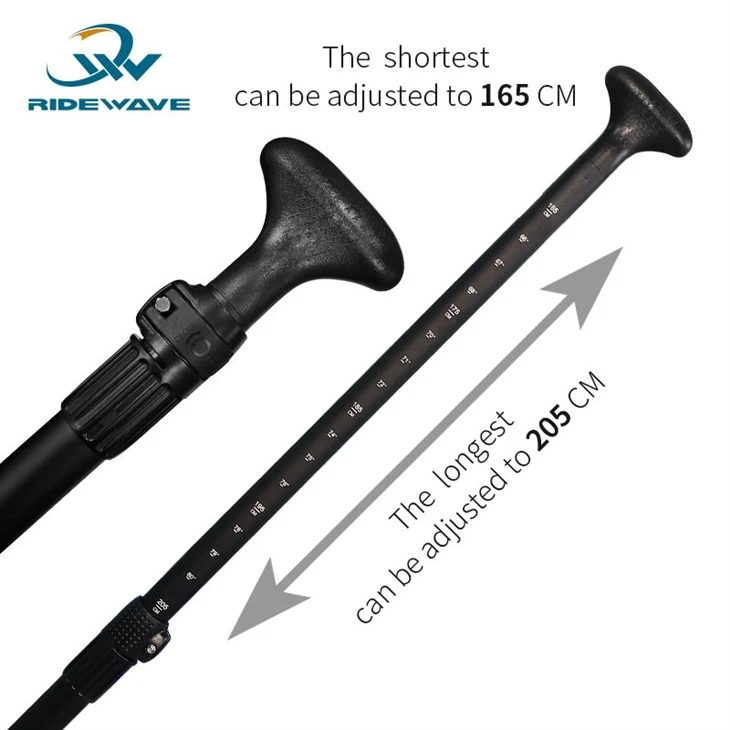
One of the most popular types of adaptive Sup paddles is the Adjustable Paddle Board Paddle. This paddle allows users to adjust the length according to their height and comfort. It is particularly useful for people with limited reach or those who need to adjust the paddle length during the course of their paddleboarding session. The adjustable feature also makes it easier to transport and store the paddle.
The adjustable paddle typically has a telescopic design, which means it can be extended or retracted with ease. Some models also come with a locking mechanism to ensure that the paddle stays at the desired length. This type of paddle is suitable for a wide range of disabilities, including those with mobility issues in the arms or legs.
Sup Double Paddle
Another option for people with disabilities is the Sup Double Paddle. This paddle has two blades, which can provide more power and control. It is especially beneficial for individuals with limited strength in one arm. By using both arms to paddle, they can generate more force and move more efficiently on the water.
The Sup double paddle is also a great option for those who prefer a more stable and balanced paddling experience. It can help with maintaining balance on the paddleboard, which is crucial for people with balance issues. Additionally, the double - blade design can reduce the strain on the shoulders and wrists, making it more comfortable for long - distance paddling.
Kayak Double Paddle
The Kayak Double Paddle can also be adapted for SUP use. While it is originally designed for kayaking, it can be a suitable alternative for people with disabilities who find it easier to use a double - blade paddle. The kayak double paddle offers a similar level of power and control as the Sup double paddle.
Kayak double paddles often have a lightweight and ergonomic design, which can be beneficial for people with limited strength. They can also be adjusted in length and grip to fit the user's needs. Some models even come with specialized handles that are easier to hold for people with dexterity issues.
Features of Adaptive Sup Paddles
Grip Design
The grip of an adaptive Sup paddle is one of the most important features. It should be comfortable to hold and provide a secure grip, even when wet. Some adaptive paddles have contoured grips that are designed to fit the shape of the hand, reducing fatigue and improving control. Others may have textured grips to prevent slipping.
For people with limited dexterity, there are also paddles with specialized grips, such as padded or enlarged handles. These grips make it easier to hold the paddle and reduce the risk of dropping it in the water.
Blade Design
The blade design of an adaptive Sup paddle can also be customized to meet the needs of people with disabilities. Some blades are wider and more flexible, which can provide more power with less effort. This is particularly useful for individuals with limited strength.
Other blades may have a different shape or angle to improve efficiency and control. For example, a blade with a curved shape can help with turning and maneuvering the paddleboard.
Materials
Adaptive Sup paddles are typically made from lightweight and durable materials. Common materials include carbon fiber, fiberglass, and aluminum. Carbon fiber paddles are lightweight and strong, making them ideal for long - distance paddling. Fiberglass paddles are more affordable and still offer good performance. Aluminum paddles are sturdy and can withstand rough use.
Benefits of Adaptive Sup Paddles for People with Disabilities
Physical Benefits
Using an adaptive Sup paddle can provide numerous physical benefits for people with disabilities. It can help improve strength, balance, and coordination. Paddling engages the core muscles, which are important for maintaining stability on the paddleboard. It also provides a cardiovascular workout, which can improve heart health.
For individuals with limited mobility, paddling can be a low - impact form of exercise that is easier on the joints. It can help increase range of motion and flexibility in the arms, shoulders, and back.
Psychological Benefits
In addition to the physical benefits, using an adaptive Sup paddle can also have a positive impact on mental health. Paddling on the water can be a relaxing and therapeutic experience. It allows people with disabilities to connect with nature and enjoy a sense of freedom and independence.
Participating in SUP can also boost self - confidence and self - esteem. By overcoming the challenges associated with paddling, individuals with disabilities can feel a sense of accomplishment and pride.
How to Choose the Right Adaptive Sup Paddle
When choosing an adaptive Sup paddle, there are several factors to consider. First, consider the user's physical abilities and limitations. For example, if the user has limited strength, a lightweight paddle with a wider blade may be more suitable. If the user has limited dexterity, a paddle with a specialized grip may be necessary.
It is also important to consider the type of paddling the user will be doing. If they plan to paddle in calm waters, a shorter and more maneuverable paddle may be appropriate. If they plan to paddle in rough waters or for long distances, a longer and more powerful paddle may be needed.
Conclusion
As a Sup Paddle supplier, we are dedicated to providing adaptive Sup paddles that make SUP accessible to people with disabilities. The adjustable, double - blade, and specially - designed paddles we offer can help overcome the barriers that prevent individuals with disabilities from enjoying this exciting sport.

If you or someone you know is interested in purchasing adaptive Sup paddles, we invite you to contact us for a consultation. We can help you choose the right paddle based on your specific needs and requirements. Let's work together to make SUP more inclusive and accessible for everyone.
References
- American Journal of Physical Medicine & Rehabilitation. (20XX). "Benefits of Water - Based Exercises for People with Disabilities".
- Journal of Adaptive Sports. (20XX). "Adaptive Equipment in Stand - Up Paddleboarding".