

The "Hidden" Cost of Miscalculated Kayak Capacity
In the competitive landscape of outdoor water sports, a kayak is more than just a piece of equipment; it is a promise of experience. For B2B distributors, retailers, and sports brand owners, the selection of inflatable kayak inventory is a balancing act between logistical efficiency and end-user satisfaction.
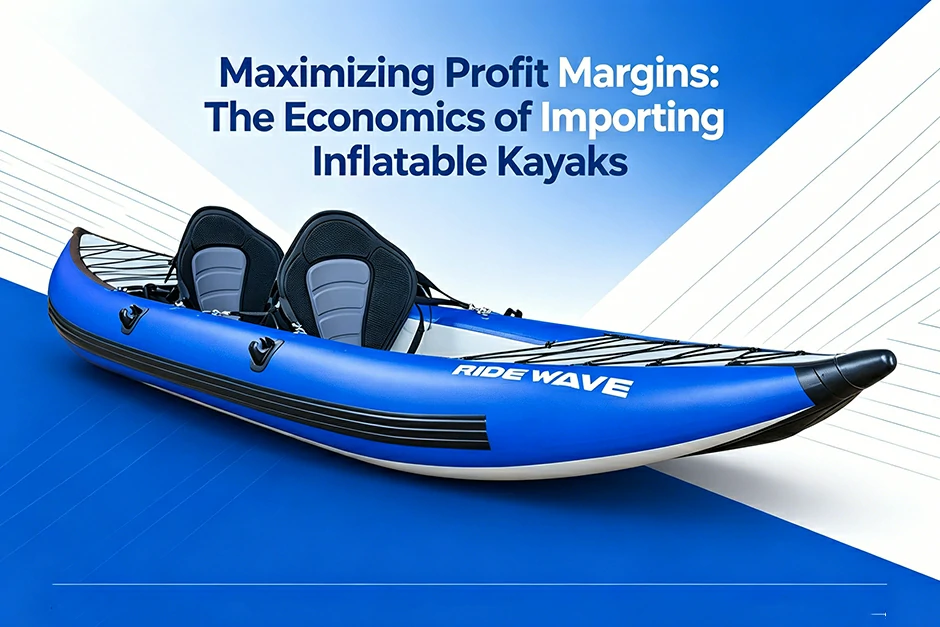
However, a recurring issue plagues the market: the gap between theoretical max weight capacity and real-world performance. When a recreational kayak or touring kayak fails to deliver on its advertised load-bearing promise, it doesn't just result in a return-it erodes the brand equity you have worked hard to build. Understanding the true mechanics of kayak capacity is no longer just a technical requirement; it is a critical strategy to minimize returns, reduce customer service overhead, and increase your profit margins in the global water sports market.
Why "Optimal Load" Beats "Max Weight Capacity" for Your Kayak Inventory
When sourcing durable inflatable kayaks, it is easy to fixate on the "Maximum Weight Capacity" listed on a spec sheet. However, seasoned procurement professionals know that this number often represents the point of total buoyancy before the vessel sinks-not the point of peak performance.
At RIDEWAVE, our engineering philosophy prioritizes Optimal Load Capacity. We design our high-pressure drop-stitch kayaks to perform at roughly 75% of their total capacity. By maintaining this buffer, we ensure:
Superior Hull Rigidity: A heavy-duty kayak that maintains its shape under weight will glide better and track straighter, providing the "crisp" handling that experienced paddlers demand.
Enhanced Safety Margins: For family-friendly kayaks or tandem inflatable kayaks, maintaining structural integrity is vital for stability, especially in unpredictable water conditions.
Reduced Material Fatigue: By engineering for an optimal load rather than pushing the limits of heat-welded seams, we extend the lifecycle of the inflatable watercraft, directly lowering the return rate for our distribution partners.
By stocking products that prioritize functional payload capacity over "theoretical limits," you are providing your customers with a reliable, high-performance product that reflects well on your brand.
Segmenting Your Market: Matching Kayak Capacity to User Demographics
To optimize your inventory turnover, it is essential to look beyond the general kayak capacity and understand the specific "use-case scenarios" of your end-users. A one-size-fits-all approach rarely works in today's mature water sports market. By segmenting your stock based on the target demographic, you can offer more precise solutions, significantly increasing customer satisfaction and loyalty.
At RIDEWAVE, we categorize our inflatable kayak series based on distinct activity profiles, ensuring that every distributor has the right tool for the right adventurer.

1. The Family & Leisure Segment: Prioritizing Stability and Volume
-
Target User: Families with children or pets, casual weekend hobbyists.
-
Key Requirements: These users prioritize stability and buoyancy over raw speed. They need a wide-beam kayak with a high internal volume to accommodate multiple passengers and gear.
-
The Technical Edge: For this group, the inflatable floor design must be robust enough to prevent sagging when carrying two or more adults. Our manufacturing process ensures that even at high capacity, the center of gravity remains low, which is crucial for safety.
-
Inventory Tip: Stock these as your "entry-level hero" products-they have the highest volume potential for the general public.
2. The Solo Explorer & Touring Segment: Efficiency and Tracking
-
Target User: Long-distance paddlers, fitness enthusiasts, and nature photographers.
-
Key Requirements: These users need a touring kayak designed for hydrodynamic efficiency. They carry less "total weight" but require better tracking and speed.
-
The Technical Edge: Ridewave's performance-focused inflatable kayaks feature refined hull shapes that minimize drag. By reducing the overall displacement volume without sacrificing rigidity, we provide a nimbler, more responsive vessel that feels like a hard-shell boat.
-
Inventory Tip: Position these as "upgrade" products. They appeal to customers who have outgrown basic models and are looking for performance.

3. The Adventure Angler: Durability and Payload Distribution
-
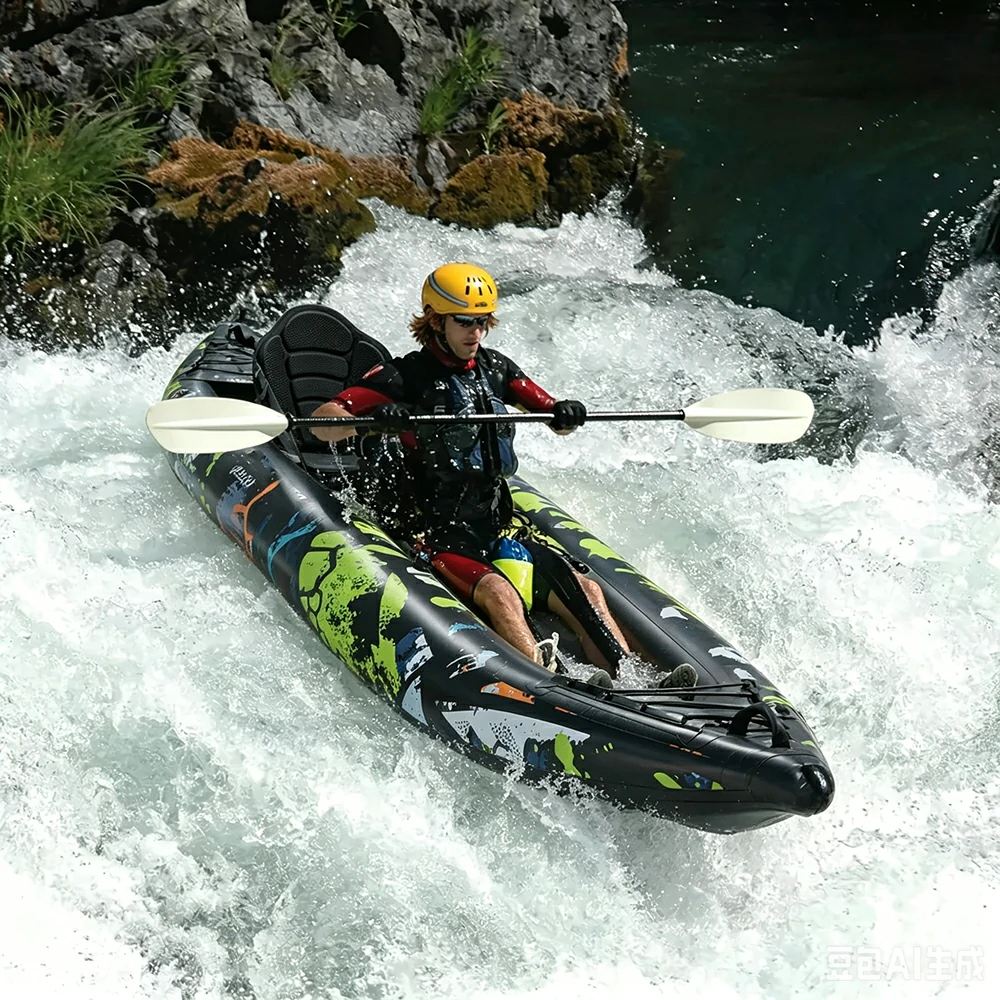
Target User: Fishing enthusiasts who need to carry heavy tackle, coolers, and rods.
-
Key Requirements: The primary concern here is payload distribution. An inflatable fishing kayak must maintain structural rigidity while carrying heavy, localized weight (like a fisherman sitting in a high-back seat).
-
The Technical Edge: We utilize specialized drop-stitch construction in the base, reinforced with 1000D material, to ensure that the deck does not "dip" under the angler's weight. This allows for stable casting and consistent tracking, even when fully loaded with gear.
-
Inventory Tip: These are your high-value units. They often command a higher price point and are perfect for targeted marketing campaigns.
Mitigating Risk: Why Engineering Standards Are Your Best Defense Against Returns
For any wholesale distributor, procurement manager, or retail brand owner, the true cost of an inflatable kayak is not merely the landed unit price-it is that price plus the compounding cost of returns, warranty claims, and the irreparable erosion of brand equity. In the volatile global water sports market, where consumer reviews can make or break a product line, the difference between a high-return, problematic inventory and a "set-and-forget" bestseller lies entirely in manufacturing precision.
At RIDEWAVE, we move beyond the conventional supplier-distributor dynamic. We position our manufacturing standards as a comprehensive risk-mitigation framework for your business. Here is how rigorous engineering acts as your first line of defense:
1. Material Molecular Stability: The 1000D Standard
Many entry-level inflatable kayaks fail prematurely due to the degradation of low-grade PVC polymers. Under intense UV radiation and temperature cycling, inferior materials become brittle, leading to micro-cracks that are invisible to the naked eye but catastrophic under inflation.
-
The RIDEWAVE Approach: We mandate the use of industrial-grade 1000D reinforced fabric that incorporates advanced UV-stabilizing agents. This ensures that the material maintains its tensile strength and elasticity across multiple seasons, even in extreme climates ranging from the harsh sun of the Australian outback to the temperate humidity of Northern Europe. By selling long-term durability, you differentiate your brand from the "disposable" market competitors.

2. Mastering the Physics of Heat-Welded Seams
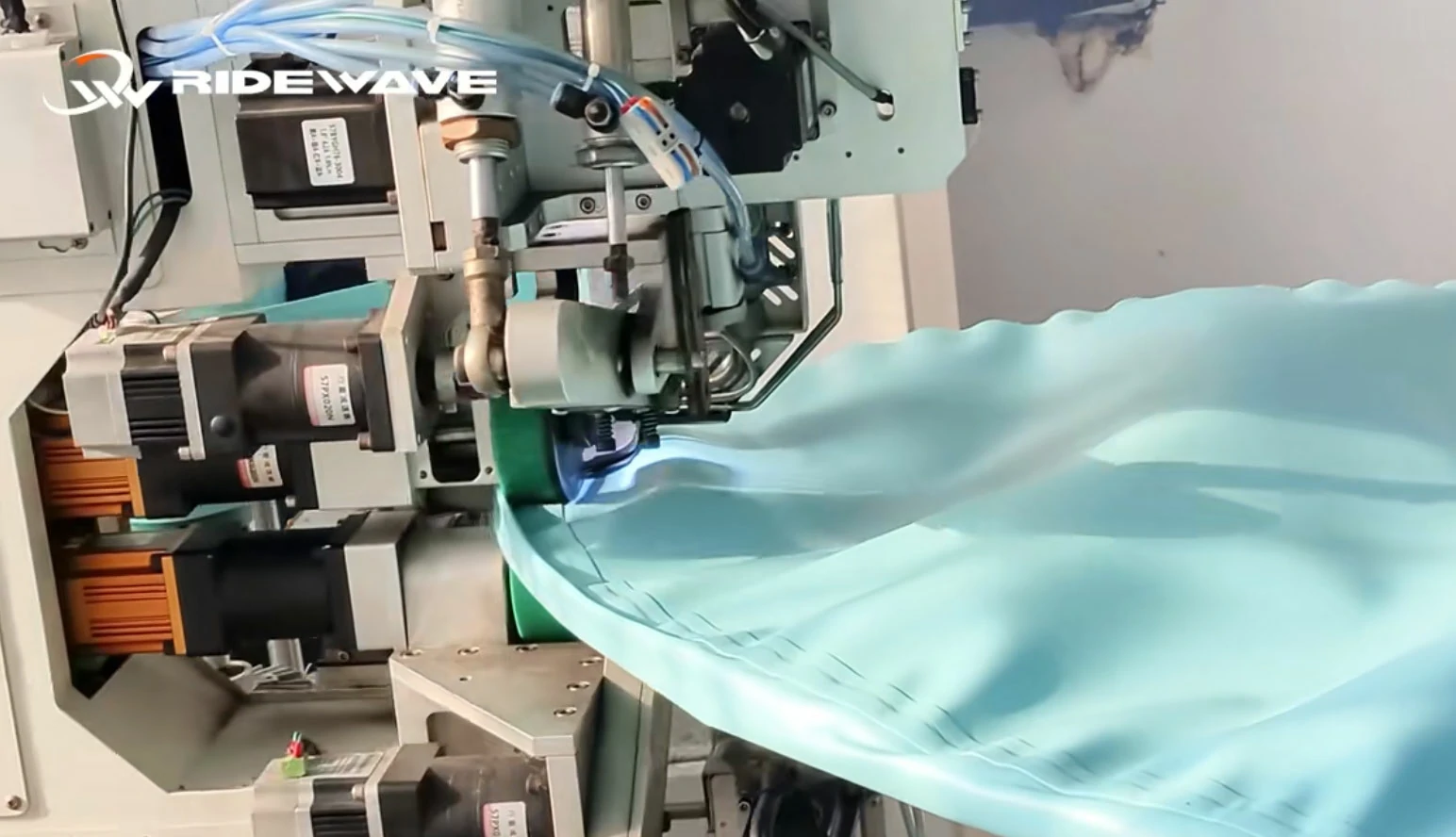
Mechanical failure at the seams is the primary culprit behind inflatable watercraft returns. Cost-cutting manufacturers often rely on manual gluing, which is prone to human error and chemical degradation over time.
-
The Engineering Edge: Ridewave utilizes proprietary high-frequency heat-welding technology. This process doesn't just "stick" two pieces of fabric together; it fuses the materials into a singular, homogeneous unit at the molecular level. This creates a hermetic seal capable of withstanding extreme internal pressures without the risk of delamination. For distributors operating in high-temperature markets, this engineering choice is your best insurance policy against the "popping" or "leaking" complaints that plague lower-tier manufacturers.
3. Thermodynamic Equilibrium and Pressure Retention
One of the most frequent (and avoidable) customer complaints is the "softening" of a kayak after it hits the water-a result of the thermodynamic cooling effect. When a boat is inflated in the hot sun and then launched into cooler water, the internal pressure drops, causing the floor to sag.
-
The RIDEWAVE Advantage: Our engineers balance drop-stitch construction and internal chamber volume to ensure that the kayak maintains its required rigidity even during significant thermal transitions. By prioritizing precise pressure retention, we ensure that a Ridewave kayak feels just as "hard" and responsive on the water as it did on the shore. This consistency is the hallmark of a premium-tier product and significantly reduces the "product-not-as-advertised" feedback loop.

4. Collaborative Quality Control as Brand Protection
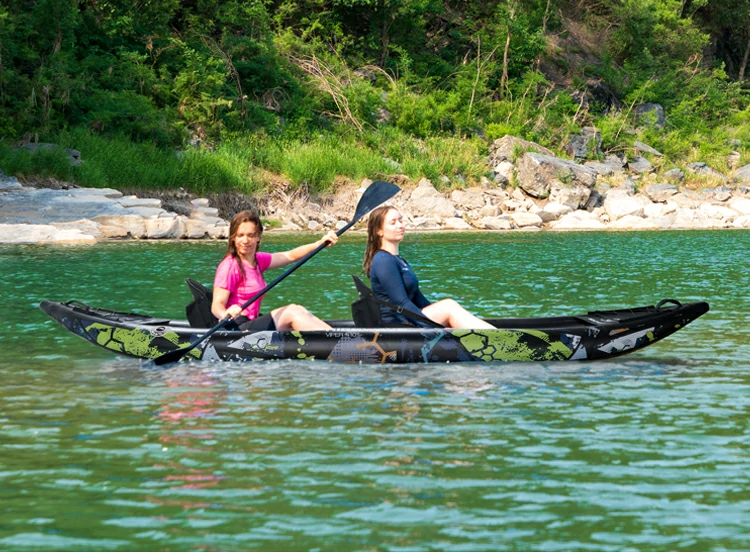
We recognize that as a B2B partner, you cannot afford to have a "black box" manufacturing process.
-
Transparency by Design: We provide our partners with real-world performance telemetry, stress-test data, and detailed technical documentation. When your sales team presents a product to a major retailer, they are backed by verifiable data regarding burst pressure, material puncture resistance, and seam integrity.
-
Reducing Support Overhead: Our goal is to reduce your internal support burden to near-zero. By ensuring every unit that leaves our facility has undergone rigorous multi-stage inflation testing, we protect your profit margins. When your customers receive a product that performs exactly as promised, your brand reputation transitions from "commodity retailer" to "trusted expert."
In the high-stakes world of B2B procurement, choosing a manufacturing partner that prioritizes structural engineering over mass-market cost-cutting is not just a logistical decision-it is a strategic investment in your business's longevity.
The Procurement Decision Matrix: Tailoring Your Inventory to Market Demands
For a wholesale distributor or retail brand owner, the most common mistake is stocking inventory based on price alone. To maximize inventory turnover and minimize market friction, you must align your stock with the specific water conditions and user demographics of your region.
The Procurement Decision Matrix: Tailoring Your Inventory to Market Demands
At RIDEWAVE, we use the following Procurement Decision Matrix to help our partners evaluate which kayak configurations provide the highest ROI for their specific market.
| Target Segment | Priority Feature | Hull Design | Best For (Market Type) |
| Family / Casual | Stability & Capacity | Wide-Beam, Flat Hull | Lakes, calm bays, rentals |
| Solo Adventure | Efficiency & Tracking | Streamlined, V-Hull | Coastal touring, long rivers |
| Angler / Pro | Rigidity & Payload | Reinforced Drop-Stitch | Fishing, photography, gear-heavy |
How to Use This Matrix for Inventory Planning
The "Mass Appeal" Approach (Family/Casual): If your target market is suburban homeowners or seasonal rental operators, focus on the Family/Casual category. These products prioritize stability. Our wide-beam RIDEWAVE models are engineered to allow users with zero experience to feel secure. By stocking these, you are tapping into the largest segment of the recreational market, which typically commands the highest sales volume.
The "Niche Authority" Approach (Angler/Pro): If you are targeting specialty sports retailers or outdoor hobbyist stores, you need the Angler/Pro series. These customers are "high-involvement" buyers; they value technical specs like 1000D reinforcement and accessory attachment points. Positioning these as "Professional Grade" allows for higher retail margins and fosters long-term brand loyalty.
The "Performance" Approach (Solo Adventure): For markets with established kayaking cultures (e.g., Canada, Northern Europe, Australia), performance is king. Focus on tracking and hydrodynamics. Our performance-focused inflatables are built to rival the speed of hard-shell boats while retaining the logistical benefits of a compact, portable package.
Building a Partnership for Long-Term Success
In the rapidly evolving landscape of global outdoor recreation, success is rarely a matter of chance; it is the result of aligning the right product with the right market. As a wholesale distributor or brand owner, your ability to curate inventory that meets the specific capacity and performance requirements of your end-users is the single greatest factor in your competitive advantage.
At RIDEWAVE, we believe that our responsibility extends far beyond the production line. We view ourselves as an engineering partner dedicated to your growth. By leveraging our deep manufacturing expertise, rigorous QC frameworks, and insights into global market trends, you are not just stocking inflatable kayaks-you are building a reliable, high-performing product portfolio that stands the test of time.
Whether you are looking to expand your footprint into the recreational paddling market or seeking to capture a share of the high-value angler and touring segments, the right technical foundation is your most valuable asset. We invite you to move beyond the transaction and join us in shaping the future of the inflatable watercraft industry.
Related Articles
Beyond The Paddle: The 2026 Comprehensive Guide To Scaling Your Outdoor Water Sports Portfolio
Inflatable Kayak Drop-shipping: A Low-Risk Entry For Online Sellers
|
Maximizing Profit Margins: The Economics Of Importing Inflatable Kayaks Selecting The Best Inflatable Kayak Supplier For E-commerce Success |